Tsuman Territorial Community
- Type: Urban-rural
- Population: 18,247
Community and War
Unfortunately, the war made certain irreparable impacts on the community’s development. The implementation of several projects was suspended. Many community residents joined the Armed Forces of Ukraine to defend their country with the beginning of the full-scale invasion.
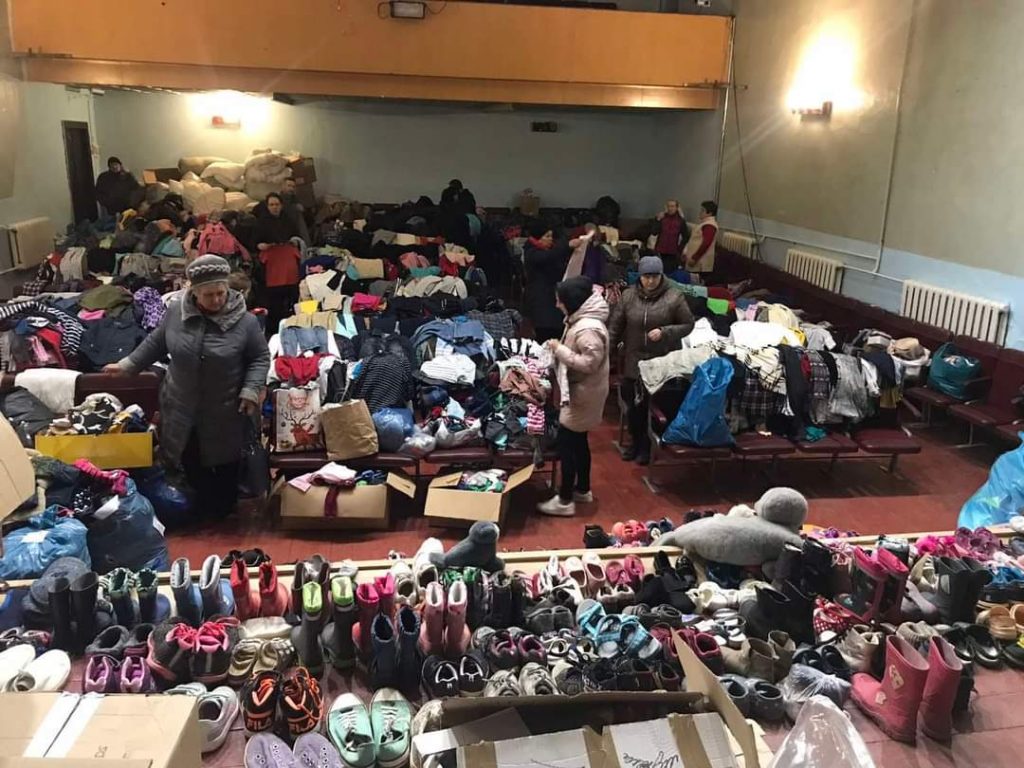
The centre for collecting humanitarian aid for Ukrainians in the Armed Forces has been operating in the community since the beginning of the war. The aid is sent weekly to different parts of Ukraine, even to the places where the military operations are ongoing. The community, initiative citizens and volunteers provide all the necessary supplies (ammunition, clothing, hygiene, food, and other essential items).
Almost everyone, from the youngest to the oldest, is engaged in this activity.Simultaneously, the community is renovating a former school building to provide long-term accommodation for internally displaced persons.
More than 200 families of Ukrainian defenders received firewood at the beginning of the heating season.
The community has sheltered more than 1,500 people since the beginning of the full-scale invasion, and currently hosts about 200 people.
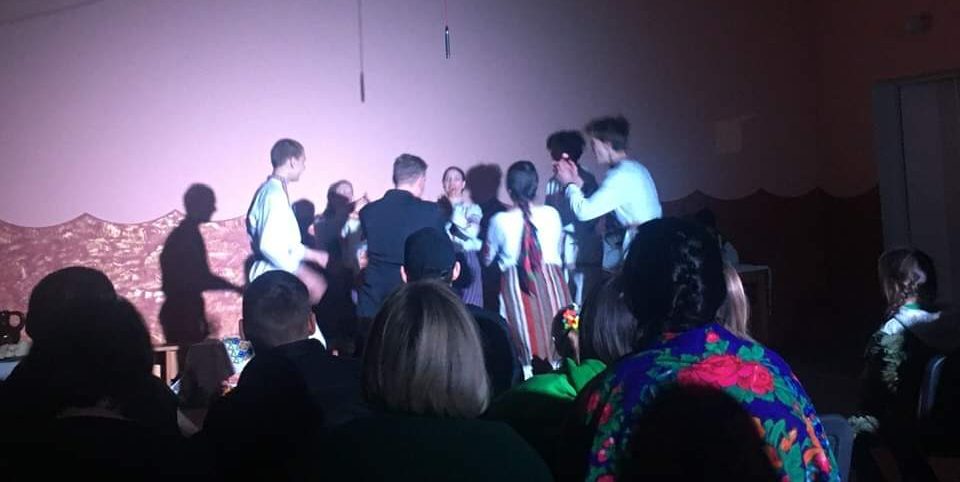
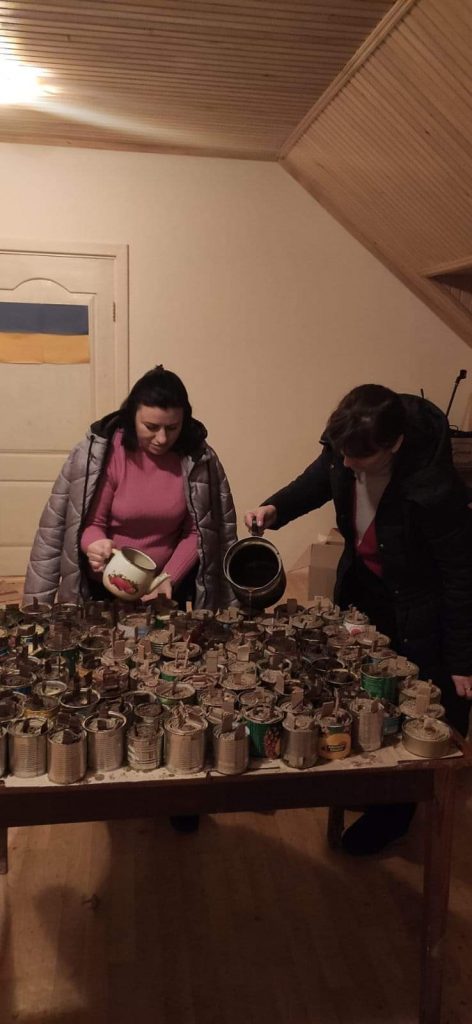
The community has the very active volunteer movement. Various charity sales are organized here. There is a social shop where internally displaced persons and people with low incomes can get food kits, clothes, hygiene products, and bed linen.Community members organize the production of baked products, canned food, and trench candles.
History
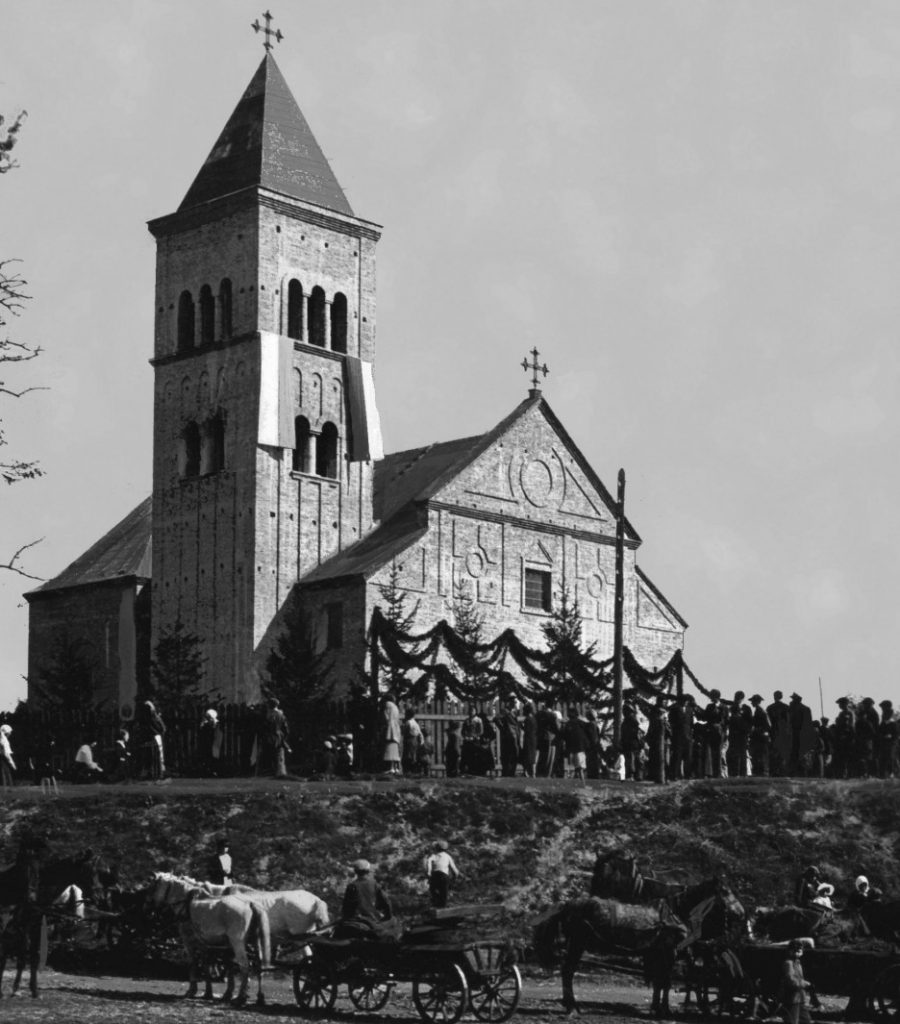
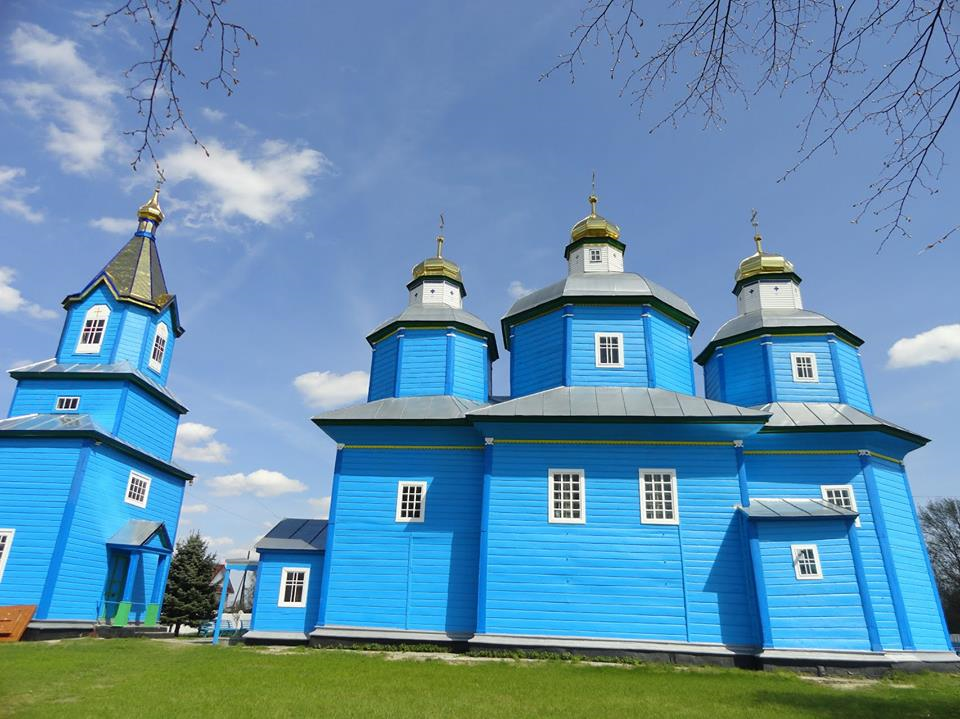
The community centre is the urban-type settlement of Tsuman. Its name originates from the ancient time distant southern steppes, where the warlike Polovtsian hordes (called “Cumans” in Rus) roamed in the 12th and 13th centuries. Historians proved that the name “Cumans” was transferred to Volyn after a successful campaign of Kievan Rus warriors against the Polovtsians. Captives of that campaign were settled on the site of the modern settlement, which was then called Cuman. Tsuman was first mentioned in historical sources in 1557.
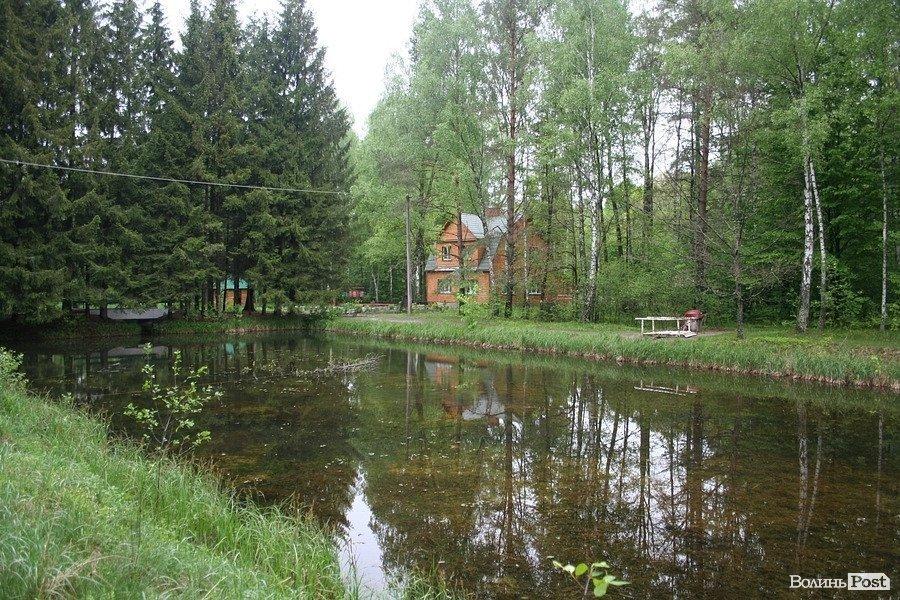
Tsuman was the property of Prince Radziwill in 1583. There were 2 mills and 5 ore mines producing bog iron ore here at that time. The population of Tsuman was engaged in farming, cattle breeding, tar-distilling, carpentry, cooperage, and the manufacture of household goods for personal use and sale.The community also has the Lopaten Historical and Natural Museum Complex located in the Tsuman Forests. This picturesque place with the rich history is a specific symbol of the partisan movement. The large memorial complex consists of the museum, memorial alley and mound. There are also dugouts used for various purposes: headquarters, military hospital, operating room, and commander’s platoon. The Tsuman community is a part of the 150 km long historical and cultural eco-route marked according to international mapping standards. It runs through the territories of neighbouring communities of the Volyn and Rivne regions. It is suitable for car travel, cycling and hiking.
Development Strategy
The community development strategy as a conceptual document, which includes a vision of the future based on the present, is currently under preparation. The main strategic goals, considering the community’s potential, are related to the infrastructure development. This will improve economic growth and raise the living standards in the community.
The main priority tasks are:
- Building, reconstruction and overhaul of communal roads with the arrangement of pedestrian sidewalks, bicycle paths and lighting;
- Construction of a modern “Eco-settlement” (to provide IT workers with an opportunity of living in an environmentally friendly area with modern technological solutions);
- Building of a modern rehabilitation centre;
- Reconstruction of community stadiums with the installation of outdoor training equipment to promote a healthy lifestyle among the population;
- Implementation of waste sorting (installation of a sorting line, if possible);
- Building of power stations using alternative energy sources;
- Creation of modern ecological routes through the picturesque places of the community.
Economy and Welfare
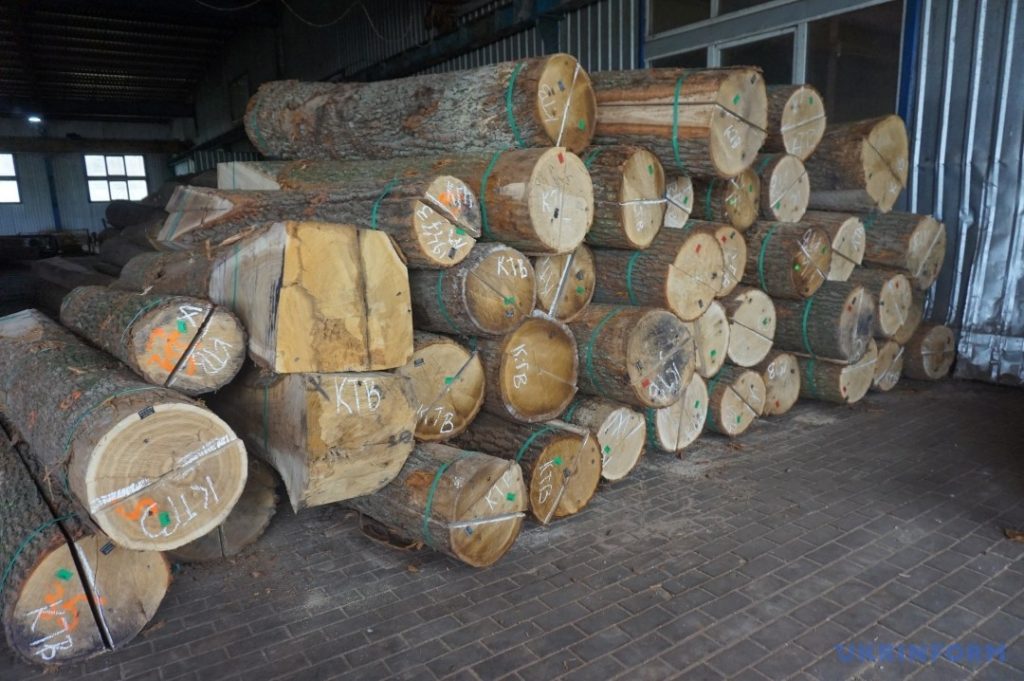
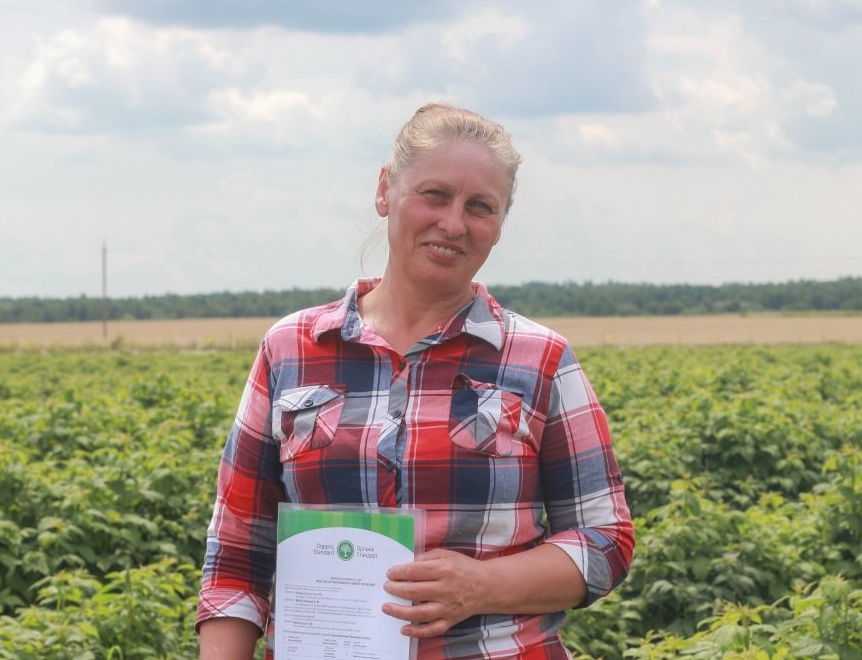
The “Tsuman” Woodworking Enterprise is more than 100 years old. The company began its modern history in 1996 with the use of the latest technologies for the production of peeled and slice veneer. Today, the products of the “Tsuman” Enterprise are known both in Ukraine and internationally. The community has a successful family business of growing organic agricultural. Its founder, Halyna Pushkar, and her family have been growing organic berries (raspberries, strawberries, currants, red currants) and potatoes for five years.
Sources
- Official website of the Tsuman Settlement Council
- Official Facebook page of the Tsuman Settlement Council
- Official Facebook page of the Tsuman Children and Youth Creativity Centre
- Official VolynOnline website