Teofipol Territorial Community
- Type: Rural
- Population: 24,311
- Circular economy & waste management
- Energy transition
- Increasing competitiveness
- Social integration
- Sustainable rural development
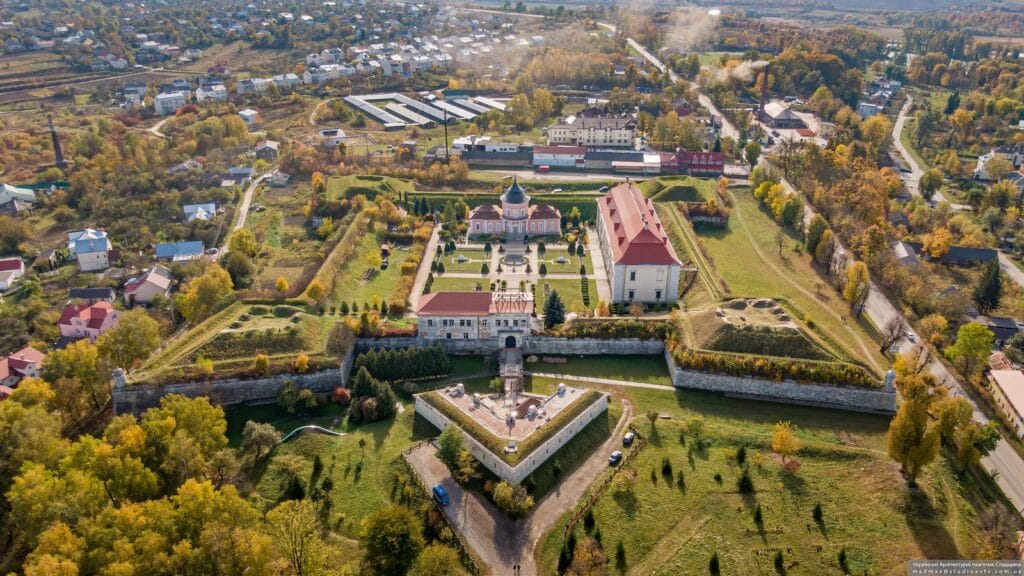
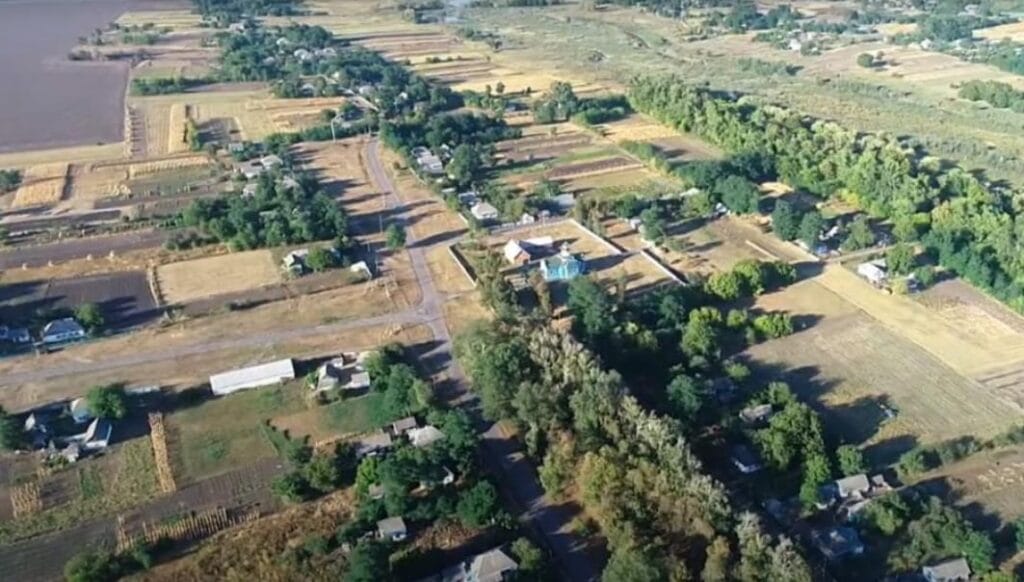
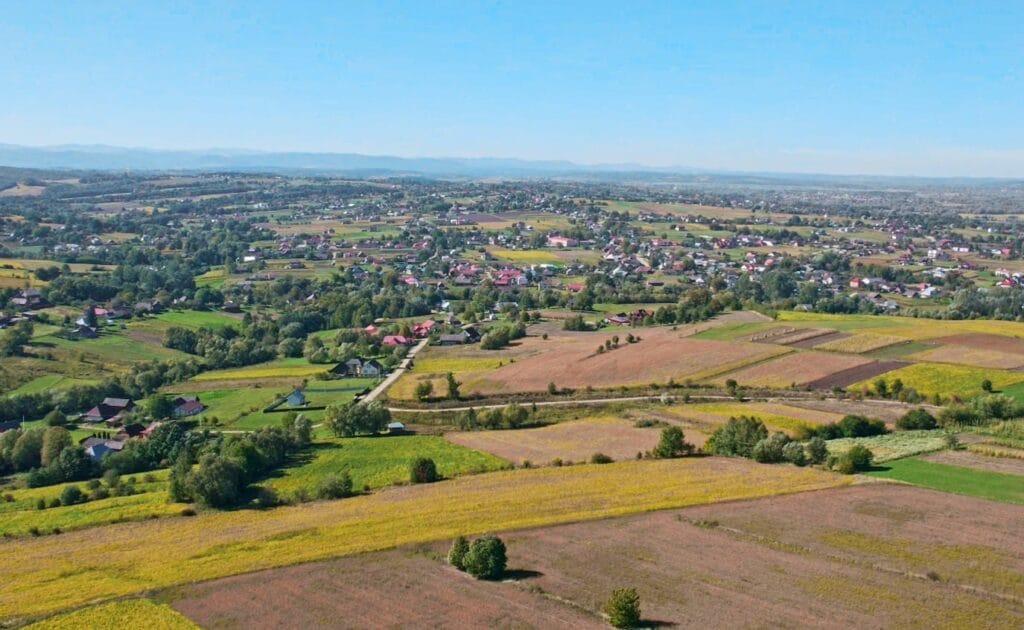
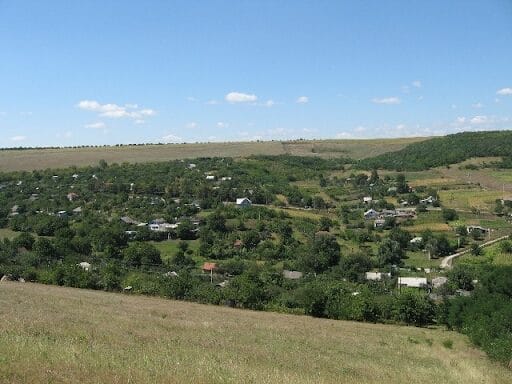
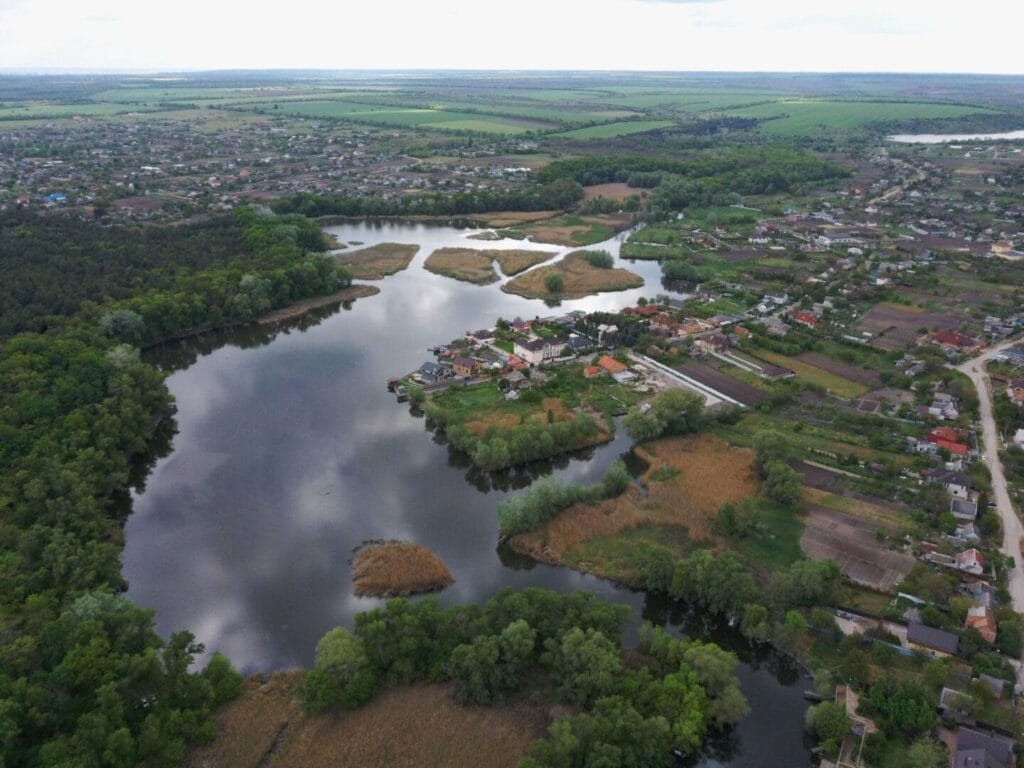
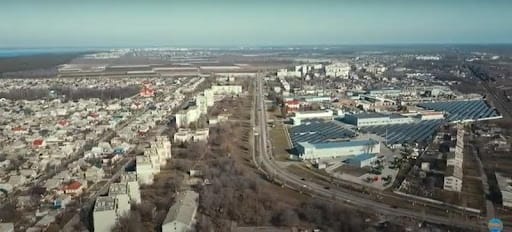
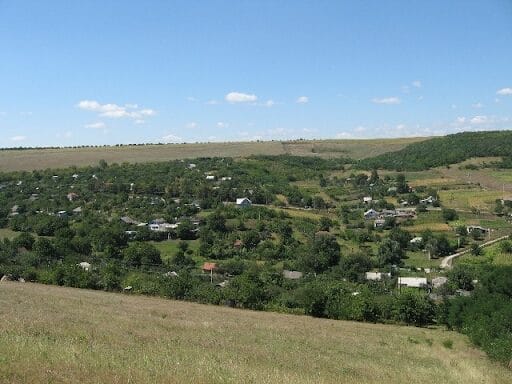
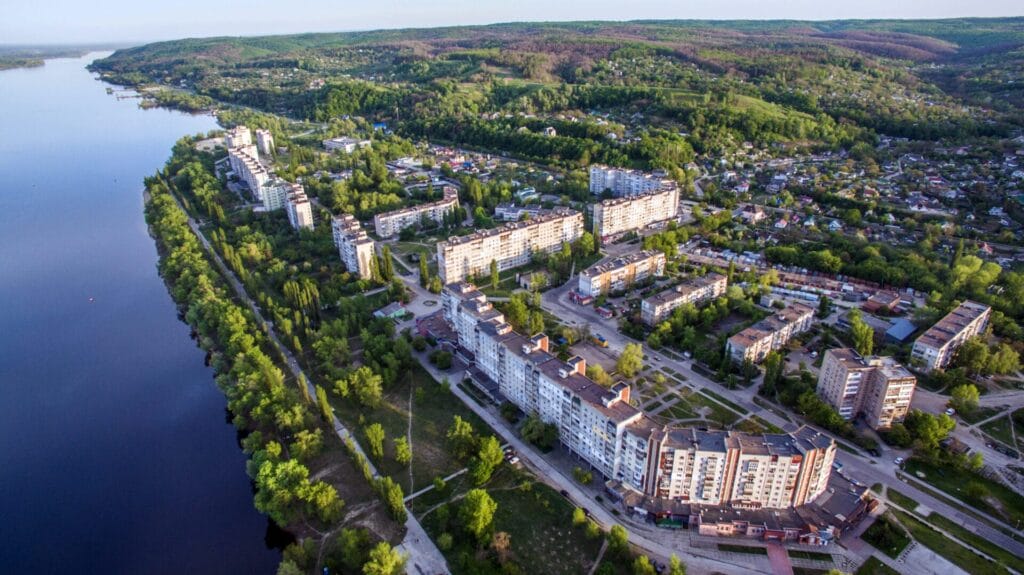
The Teofipol Community is located in the north-west of Khmelnytskyi Oblast. The total area of the community is 719 km². It consists of 2 towns and 53 villages. The administrative centre of the community is the town of Teofipol.
As of 1 January 2025, the community’s population is 25,243 people.
Men: 11,530.
Women: 13,713.
Internally displaced persons (IDPs): 1749.
People of the Community
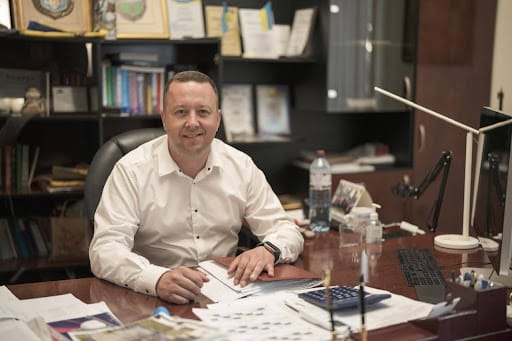
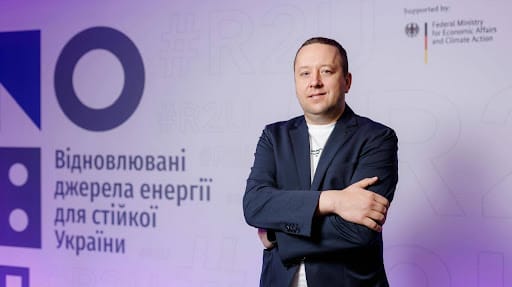
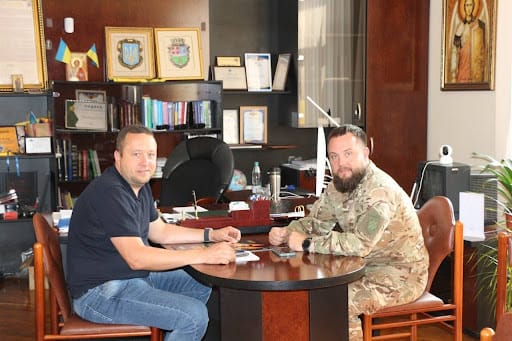
Mykhailo Tenenev is a Ukrainian public figure who has been the head of the Teofipol Community since 2020. Until 2020, he worked as the financial director at the Teofipol Sugar Factory. Mykhailo Tenenev is a member of the ‘Club of Mayors’ — an association of community leaders aimed at exchanging experience and introducing innovations in local self-government. He is also an active participant in numerous international conferences, forums, bilateral meetings, and summits aimed at promoting the recovery and sustainable development of Ukraine. The Teofipol community, with the support of the town head, is actively involved in numerous energy efficiency initiatives. In 2023, the community joined the European initiative Covenant of Mayors for Climate and Energy. An Action Plan for Sustainable Energy Development and Climate has been developed for the Teofipol community, which envisages reducing CO₂ emissions by at least 35% by 2030 and achieving climate neutrality by 2050. The capacity of the Teofipol Town Council has been strengthened by joining the Energy Transition Coalition.
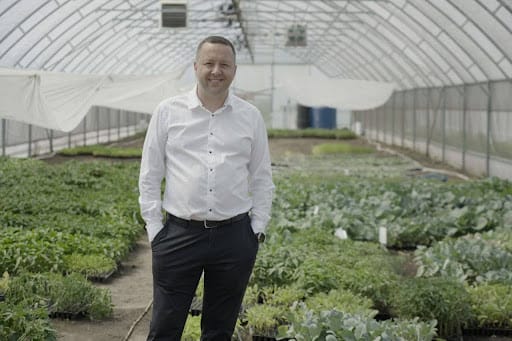
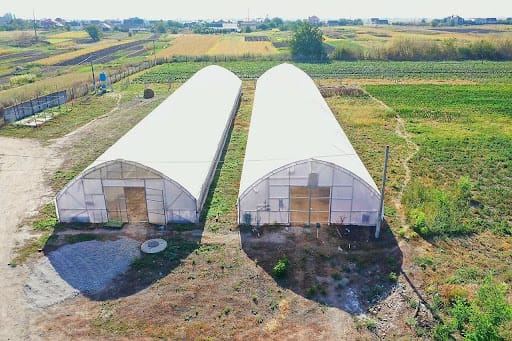
The Teofipol community was one of the first among communities in central Ukraine to analyse its own food security and develop a local Community Food Security Programme in 2022. On 1 March 2023, the ‘Vegetable Growing Development Hub’ project was launched in the Teofipol community. The aim of the project was to create a greenhouse infrastructure to ensure food security for the Teofipol community and to develop vegetable growing.
The Community and the War
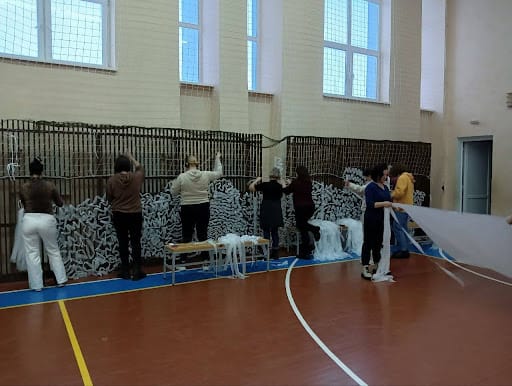
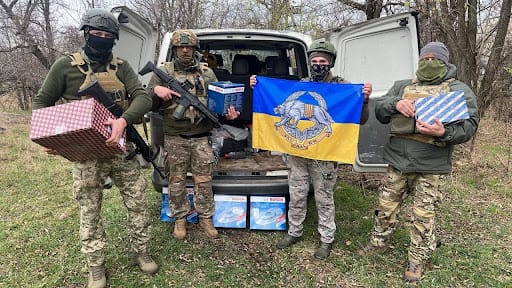
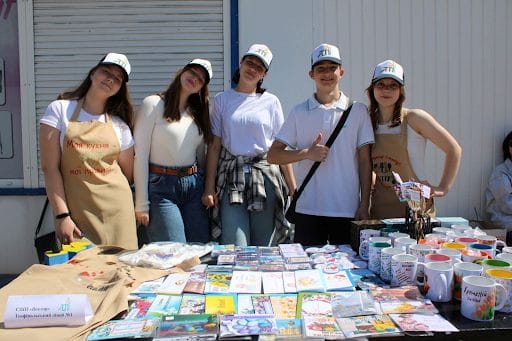
Since the start of the full-scale invasion, the Teofipol community has taken in thousands of displaced persons from war-torn areas. In some months, the proportion of displaced persons reached 13% of the total population of the community. The community has adapted some of its buildings to provide comfortable accommodation for internally displaced persons. Events are organised to integrate IDPs into the community, including cultural events and educational programmes.Volunteer centres have been set up in the community to provide assistance to IDPs and organise humanitarian aid for Ukrainian military personnel. The community organises charity events to raise funds for the Ukrainian Armed Forces. Community cultural institutions have opened collection points for territorial defence and the Armed Forces, where residents can donate necessary items and food. From the first days of the war, territorial defence forces were formed in the community and numerous volunteer headquarters were established. Starting in 2022, the Teofipol Town Council will allocate funds each year to the Programme for Support of the Armed Forces of Ukraine, territorial defence units and volunteer formations.
Circular economy & waste management
Teofipol is developing a circular economy model where agricultural and industrial waste is transformed into resources for energy and new products. This approach minimizes waste generation, improves resource efficiency, and reduces environmental pressure.
Energy transition
The community is implementing a systematic transition to renewable energy sources, utilizing bioenergy, solar power, and locally available resources. This strengthens energy independence, ensures a stable energy supply, and reduces environmental impact.
Increasing competitiveness
The Teofipol community actively fosters a favorable environment for business and investment, including through the development of its industrial park and support for agro-processing. This contributes to job creation, local economic growth, and increased investment attractiveness.
Social integration
The Teofipol community actively supports internally displaced persons and new residents, facilitating their adaptation and integration into local life. This includes access to social services, employment opportunities, and participation in community activities.
Sustainable rural development
The community focuses on the comprehensive development of rural areas, supporting farming and ensuring access to essential services across all settlements. This enhances the quality of life and creates conditions for sustainable economic growth.
History
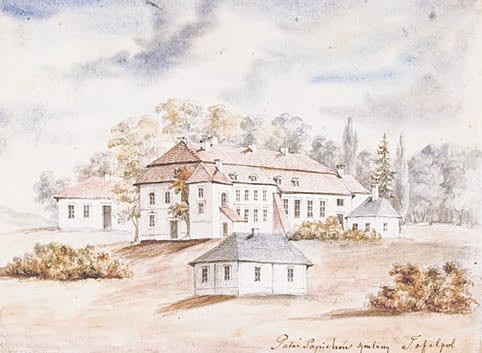
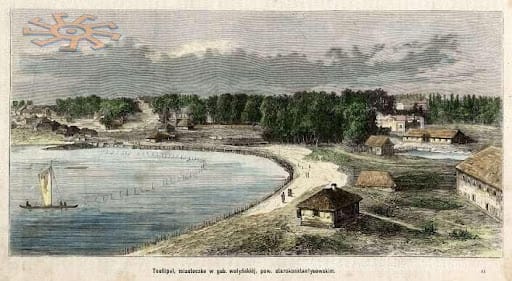
Teofipol, formerly known as Kamen, was first mentioned in 1420 as a fortress in southern Volyn. In the 16th century, the town was called Cholhanskyi Kamen, later – Chovhan. In 1736, Princess Teofilia Yablonowska built a church and a two-storey Trinitarian monastery here. Later, the town was renamed Teofipol. In 1923, Teofipol became a district centre, and active construction of schools and enterprises began. In the 1930s, a power station, an oil mill and a cultural centre were built. In the post-war period, the town’s economy developed rapidly, with the construction of a cheese factory and a sugar factory, which became one of the largest in Europe at that time.
Development Strategy
The Teofipol community is actively implementing a number of projects aimed at strengthening economic capacity, achieving energy independence and increasing social attractiveness.
The community is actively working on the implementation of numerous important initiatives:
Formation of infrastructure for an environmentally friendly, technologically capable and comfortable community;
Introduction of alternative energy sources, in particular bioenergy, solar and wind energy;
Effective management of water resources, preservation of ecosystems and prevention of water pollution;
Effective development and management of territories, as well as public involvement in decision-making;
Community capacity building based on the Teofipol Eco Park energy industrial park.
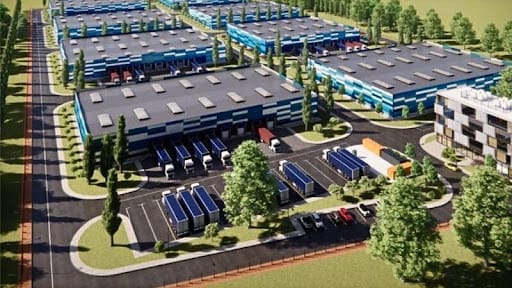
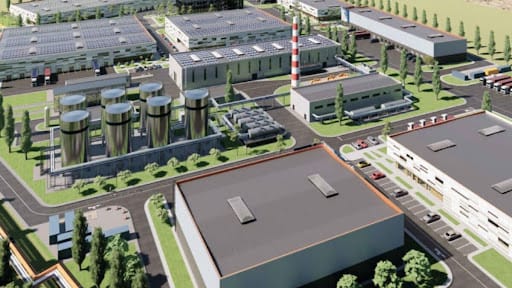
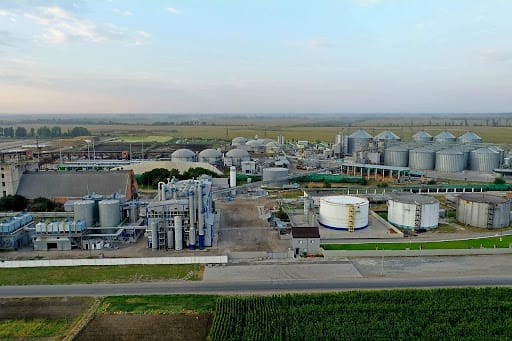
The Teofipol Eco Park industrial park is currently the community’s largest investment project. The project will contribute to the development of the local economy, the creation of new jobs and the attraction of investment. The park focuses on environmentally friendly and innovative industries, including pulp, paper and cardboard production, corrugated packaging manufacturing, biogas, bioethanol and bioplastics production, alternative energy, scientific and technical activities, and information technology.
The project involves using waste from local businesses, like the sugar factory, to make biogas and bioplastics, which will help reduce the environmental impact on the region. In 2025, two companies joined the industrial park: TEO ECO FOOD LLC – food processing; BIO THERMO PACK LLC – production of paper, cardboard, and packaging products. The park is scheduled to be fully operational by early 2028. Thanks to a modern approach to management, support for innovative projects and efficient use of natural resources, the community has great potential for successful sustainable development.
Economy and Welfare
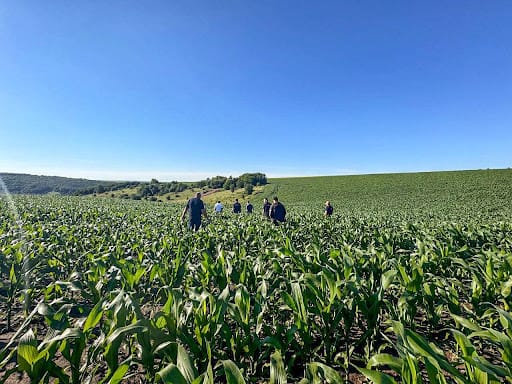
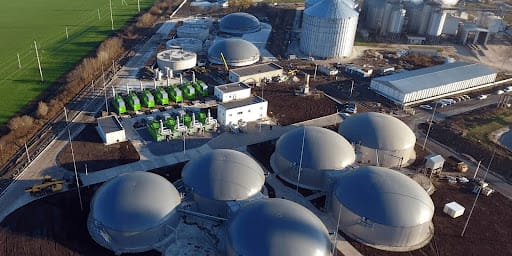
Most of the community’s population is employed in the agricultural sector, with a focus on crop production, primarily grain. The community’s livestock sector is based on meat and dairy farming.The largest agricultural enterprises in terms of land use are Ukraine 2001 and the Ridnyi Krai branch of Zernoprodukt MHP. The food, light and forestry industries are actively developing in the community. The industrial sector of the community is represented by the following enterprises: Teofipol Sugar Factory, one of the largest sugar factories in Ukraine, Aslan-Textile, and Dobryi Khlib. Teofipol Energy Company is one of the largest biogas complexes in Ukraine and Europe with a capacity of over 26 MW, which uses plant and animal waste for fuel.
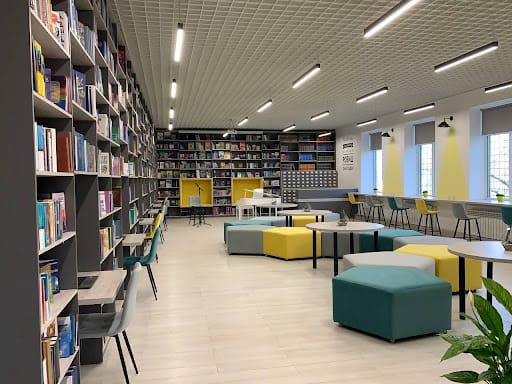
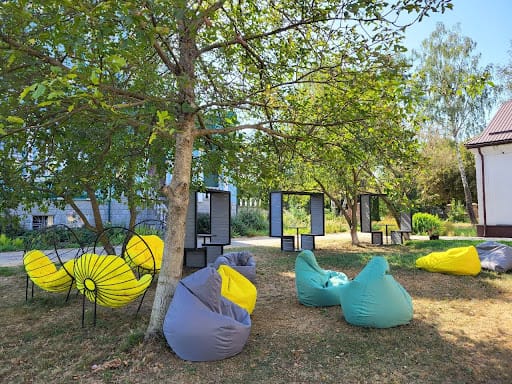
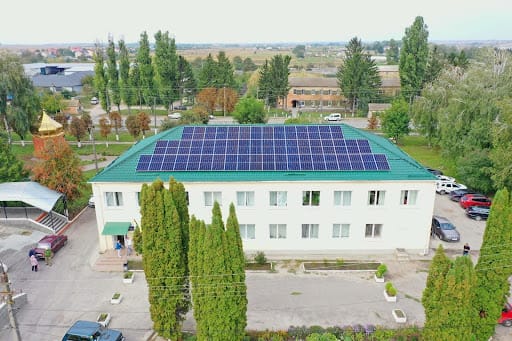
This is a key energy enterprise in the community, promoting the development of renewable energy and increasing the region’s energy independence. There are 26 educational institutions in the community: 15 general secondary education institutions (including 4 gymnasiums and 11 lyceums), 9 pre-school education institutions and 2 extracurricular education institutions. Vocational education in the community is provided by the State Educational Institution ‘Teofipol Professional Agricultural and Industrial Lyceum’. The community leadership actively promotes the cultural and educational development of community residents. In 2023, the community launched an educational project called ‘’Bibliohub- Centre of the Aid Coalition’, a modern creative space with a library, computers, internet, a projector and cosy places for reading, working and discussing new ideas. Next to Bibliohub, there is a summer terrace (a place for relaxation, development and reading) and access to the facility for visitors with limited mobility. There are two main municipal medical institutions operating in the Teofipol community: Teofipol Multidisciplinary Hospital and Teofipol Primary Health Care Centre, which has five general family medicine clinics and 23 temporary medical stations. In order to improve the quality of medical services in the two largest medical institutions in the community, which serve more than 25,000 residents, a solar power plant (SPP) with an energy storage system with a capacity of 30.4 kW was installed on the roof of the outpatient clinic in Teofipol in 2024. Now, patients at the clinic can get treatment and check-ups even if there are power outages.

Sources
Official website of the Teofipol Town Council – teofipol-gromada.gov.ua
Official Facebook page of the Teofipol Town Council – facebook.com