Solonka Territorial Community
- Type: Urban
- Population: 18,028
Community and War
From the first days of the full-scale invasion, the community began supporting internally displaced persons who arrived from the frontline areas of Ukraine. People were accommodated in schools, gymnasiums, they were provided with accommodation, food, sleeping places, showers and toilets.
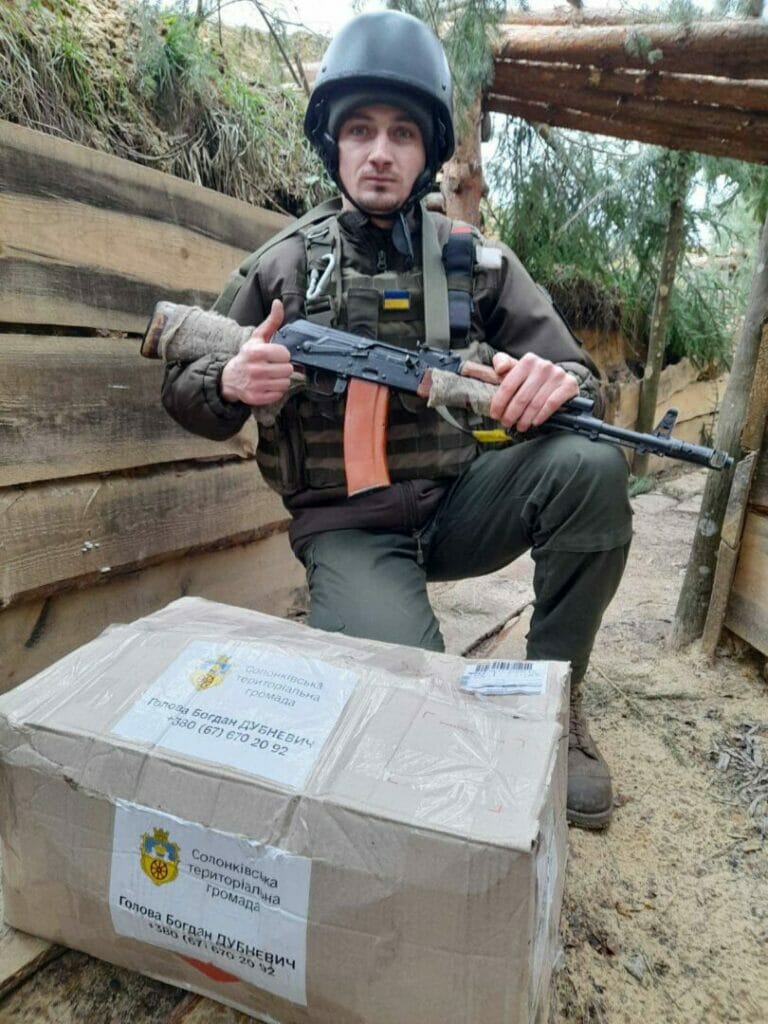
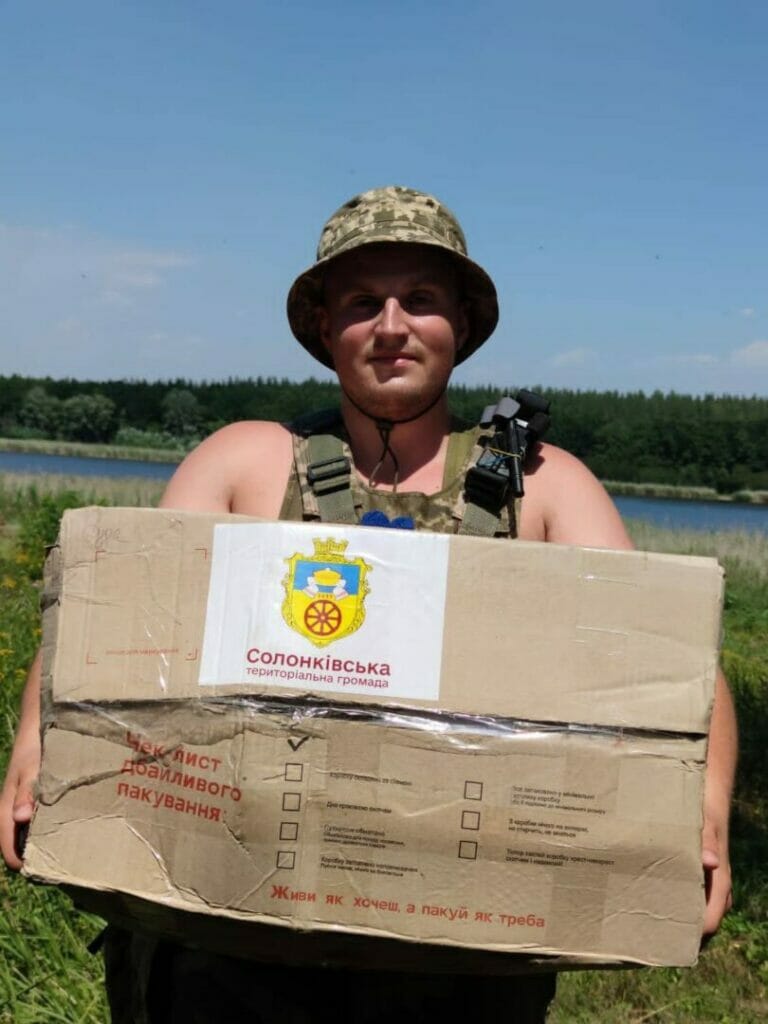
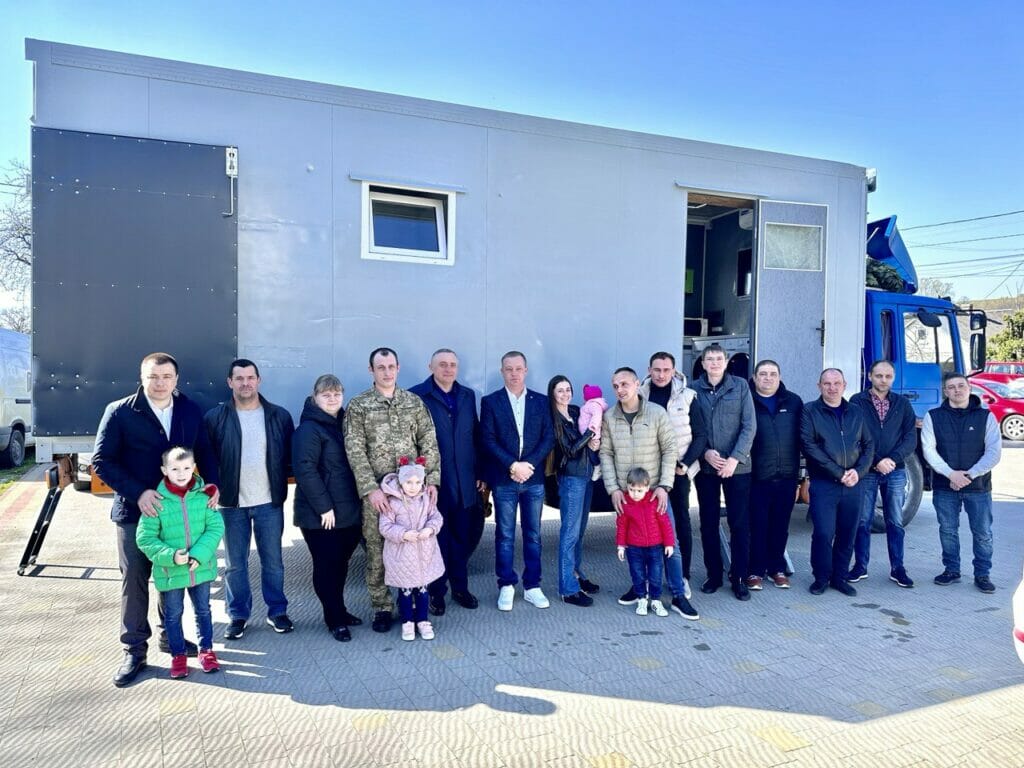
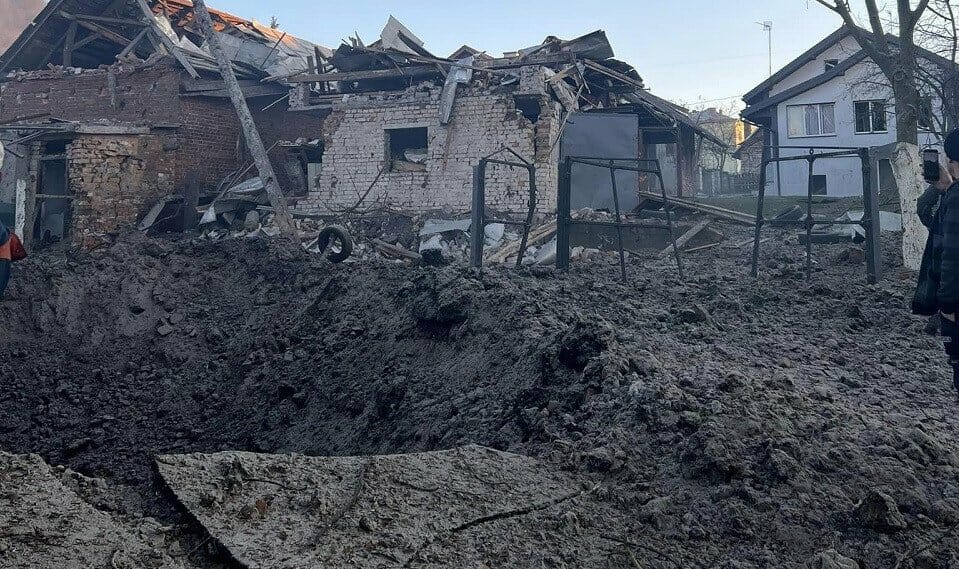
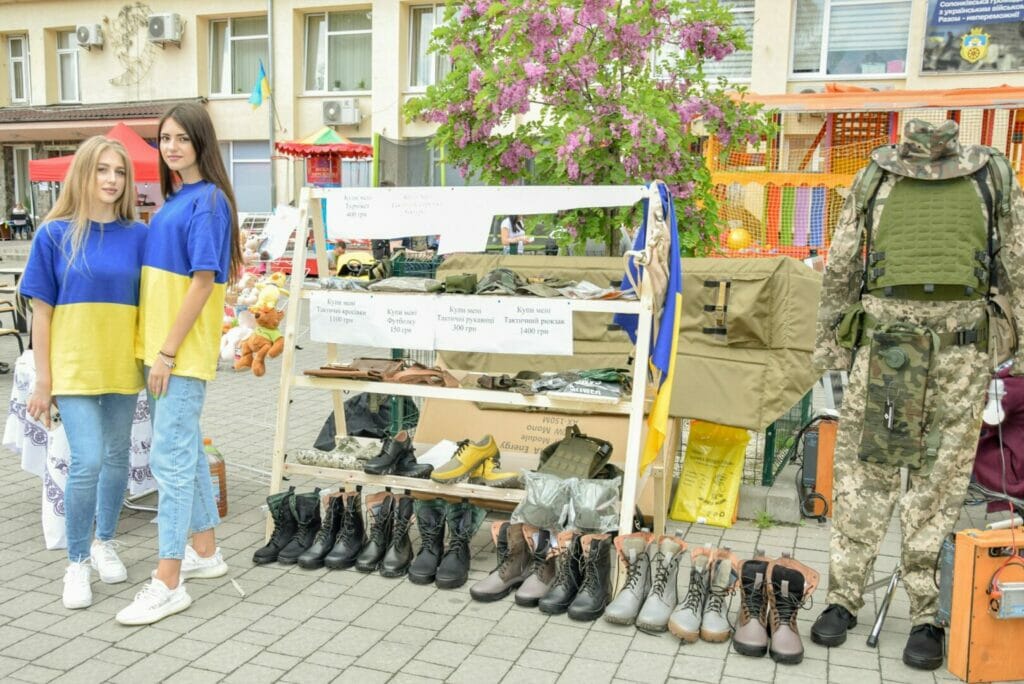
Soldiers in the combat zone are continuously sent parcels – Packages for Soldiers, whose content changes each time according to the needs of the defenders. These are underwear, military clothing and equipment, hygiene products, food, medicine, various ammunition that is needed for survival in the trenches and on the front line in general.The community provided cars, SUVs, drones, thermal imaging cameras, reconnaissance and combat quadcopters, FPV drones, and anti-drone complexes to its residents that are in the war zone. They also handed over a vehicle complex on wheels – a unique mobile complex for Ukraine, where soldiers can wash, wash clothes, and cook for themselves. It includes a shower cabin, washing machines, and a kitchen.As a result of a massive missile strike in the fall of 2023, four houses in the community were damaged. Two rockets hit the electrical substation, and one was shot down in a residential quarter of the village. Immediately after the destruction, the local authorities promised to compensate the people whose houses were damaged by the blast wave. One of them is uninhabitable. Debris and stones from the eruption destroyed the roof, damaged the foundation and walls of the house, and demolished the fence. Windows, doors and batteries were torn out from the impact.
History
The Solonka Territorial Community was created in 2017.
The roots of Solonka village go back to at least the 12th century. The first mention dates back to 1433. In 1832, 770 people lived in Solonka. Today, Solonka is actively growing and new residential buildings are appearing here. It is no exaggeration to say that the village has grown several times.
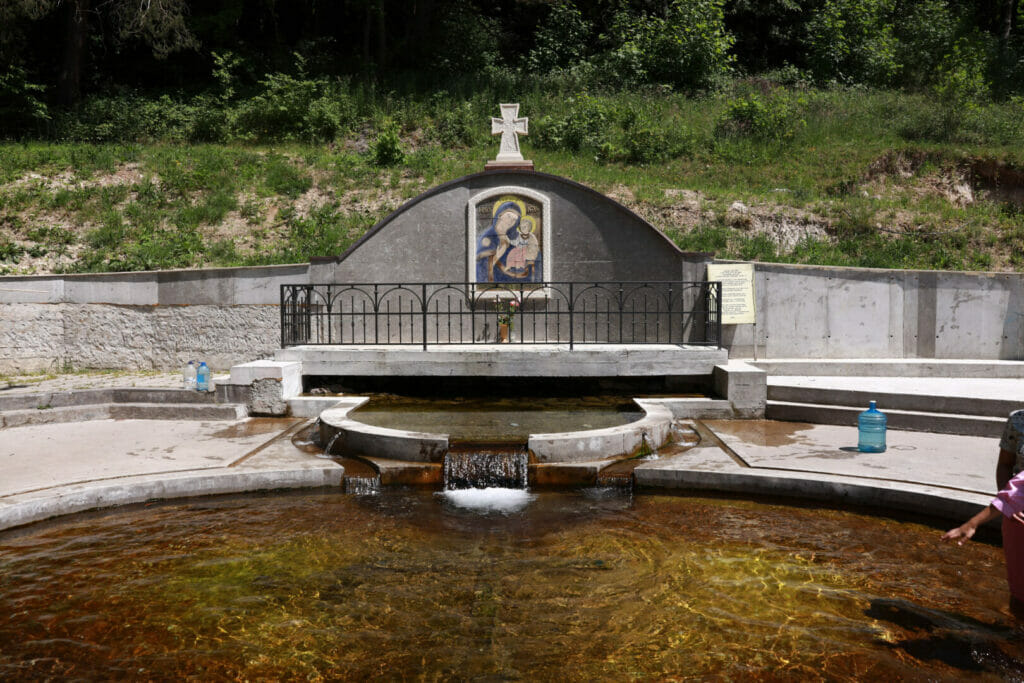
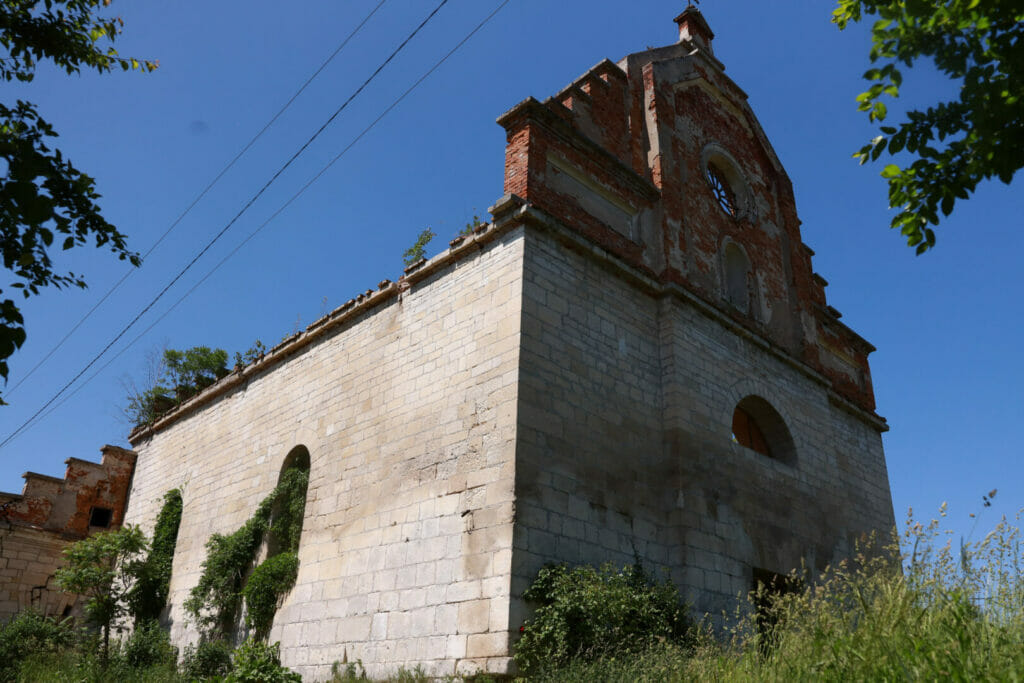
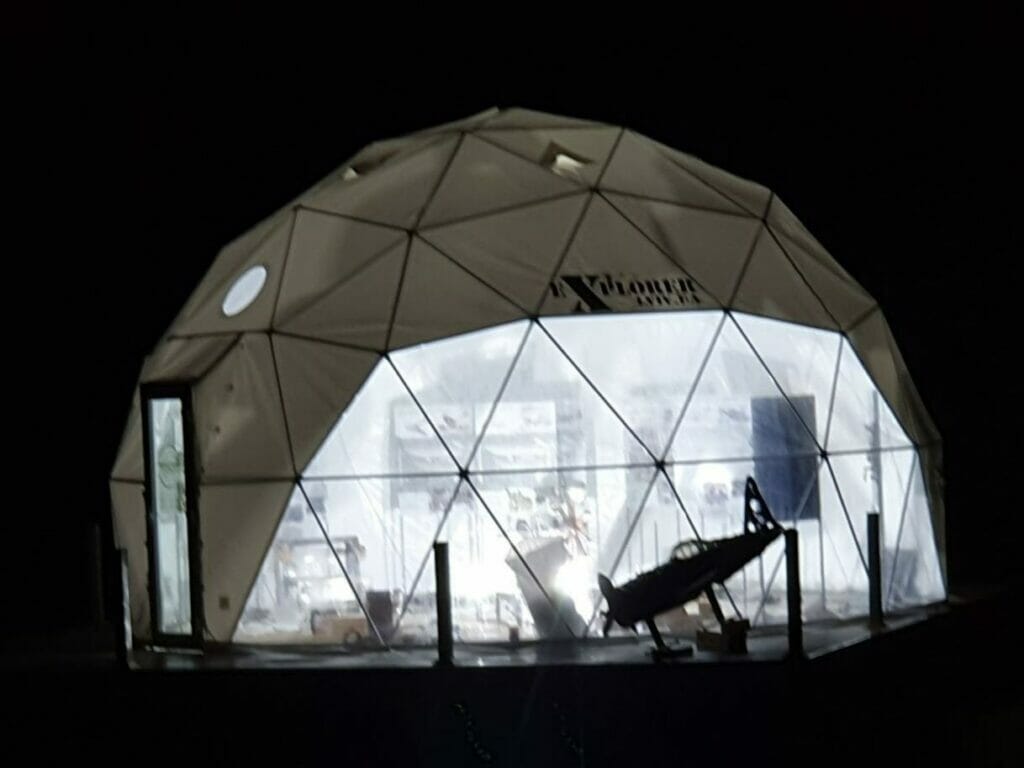
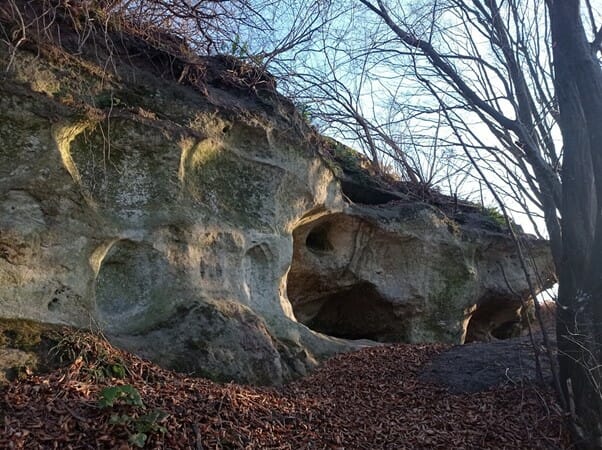
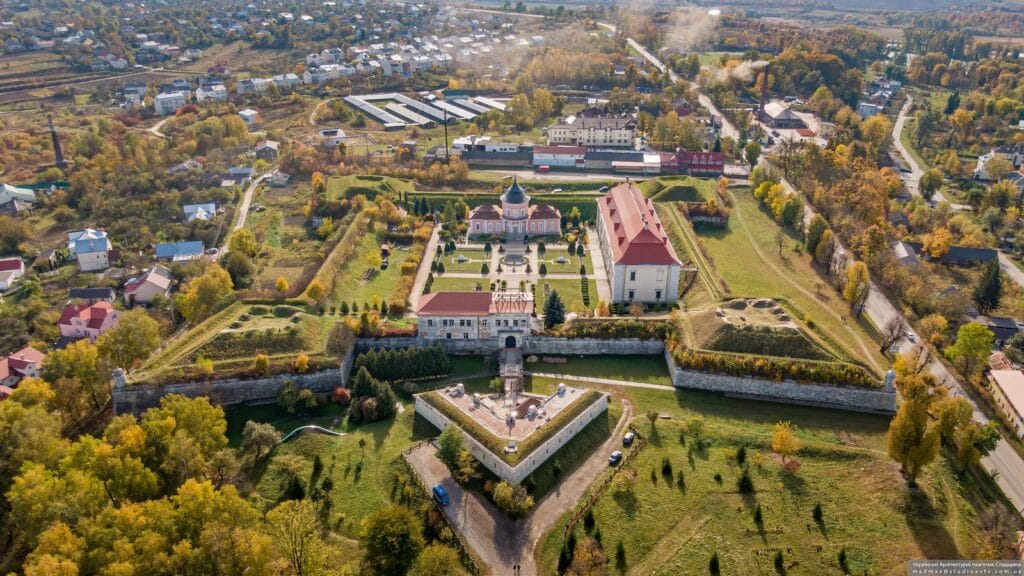
There are many cultural attractions on the territory of the community, including: the Miraculous Spring, the Church of St. Valentine, the Museum of Dead Planes, the Banana Farm, the Horbohory Agrotourism Cluster, numerous historical churches and museums.