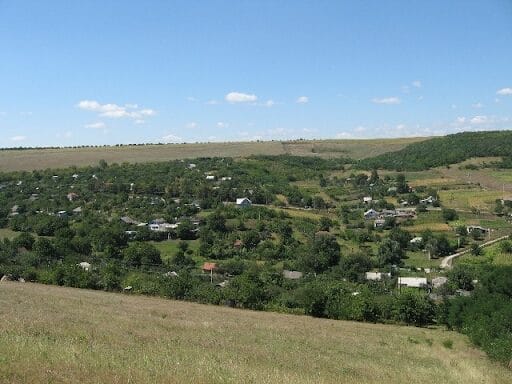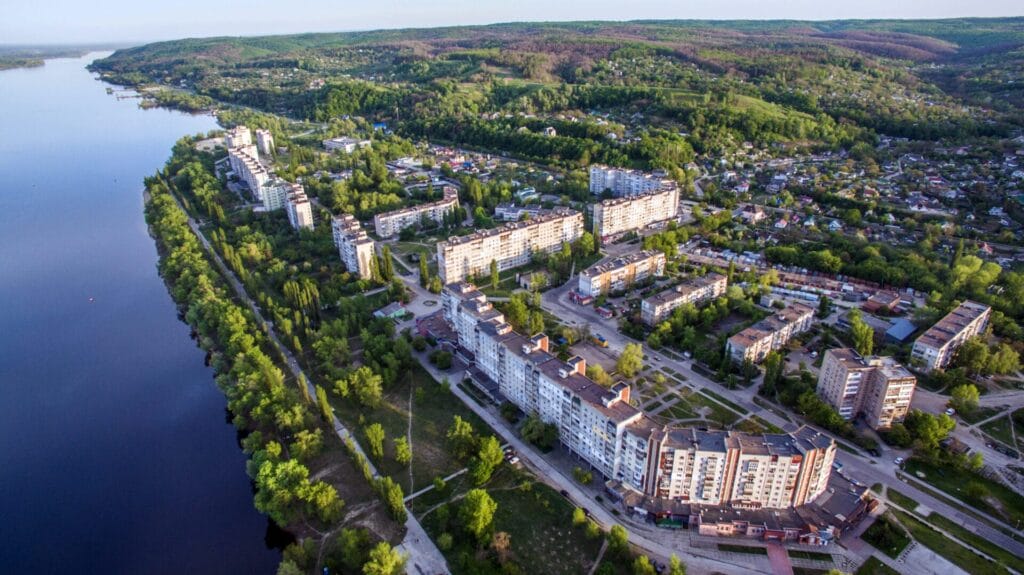
Shyroke Territorial Community
- Type: Rural
- Population: 20,000
People of the Community
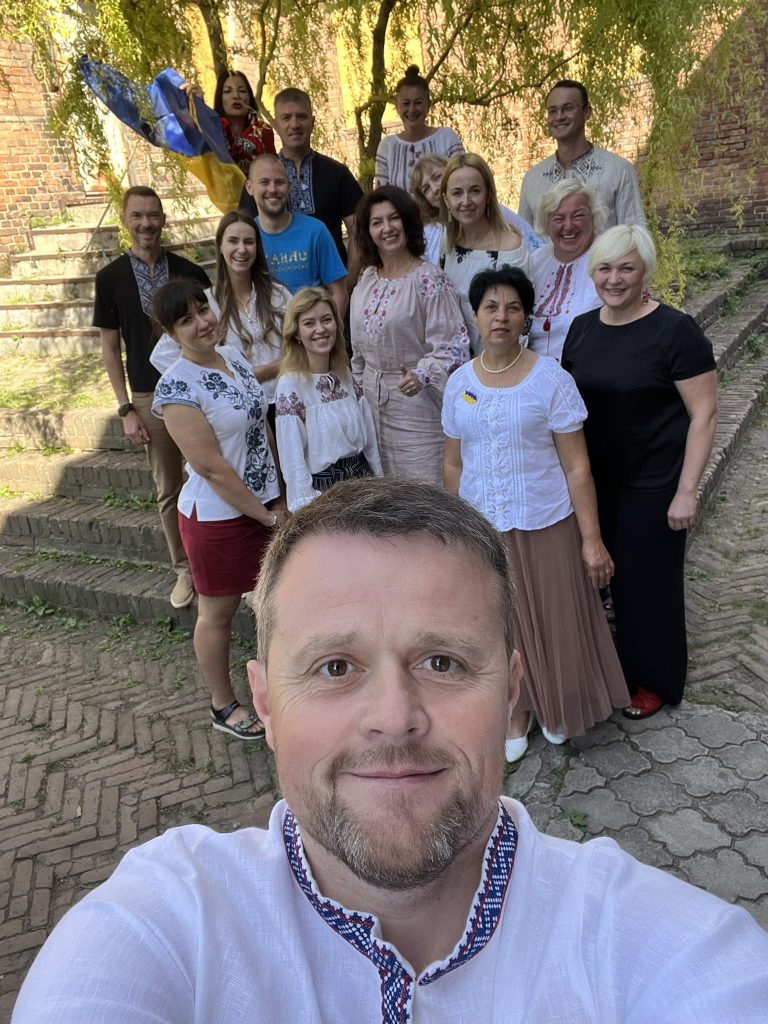
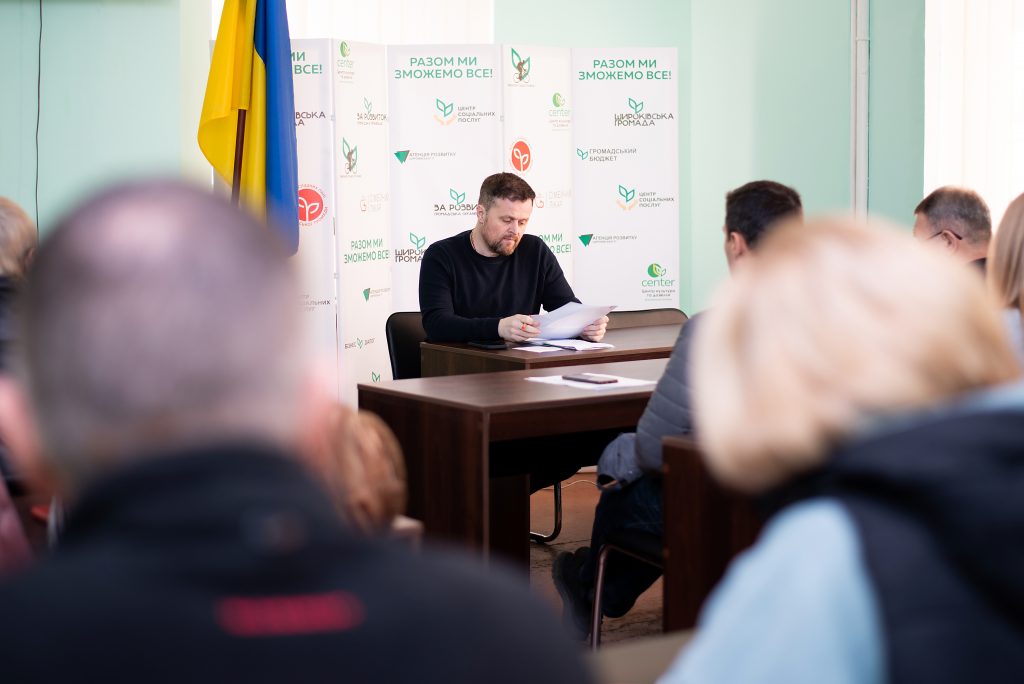
Denys Korotenko
Head of the Shyroke United Territorial Community
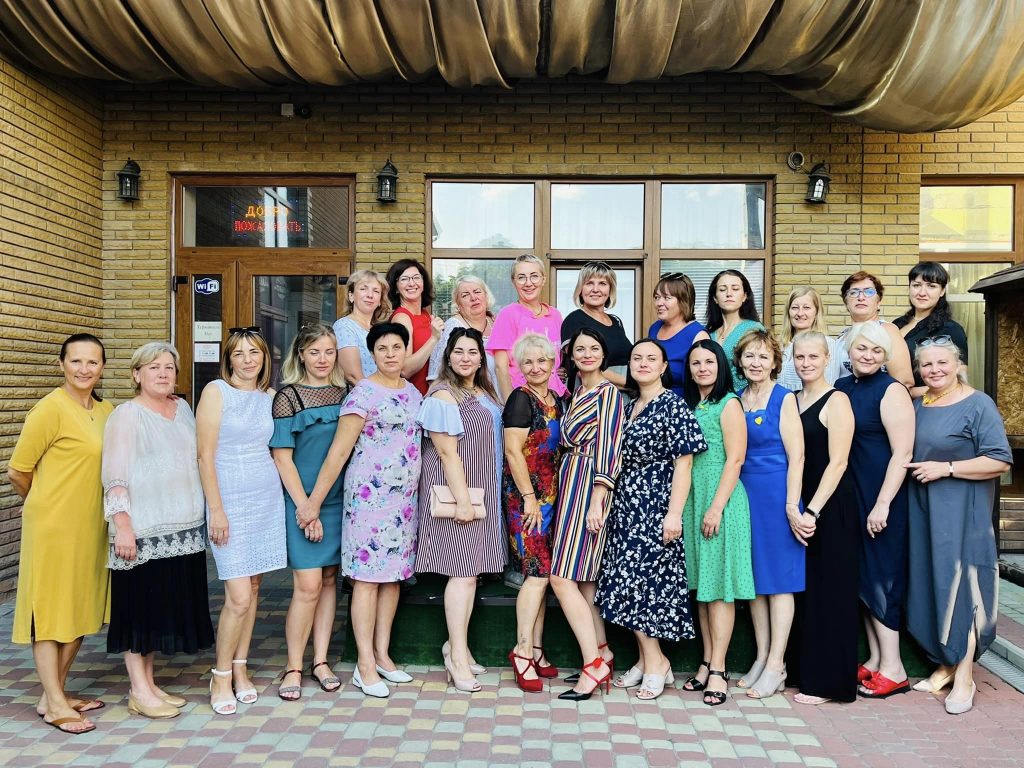
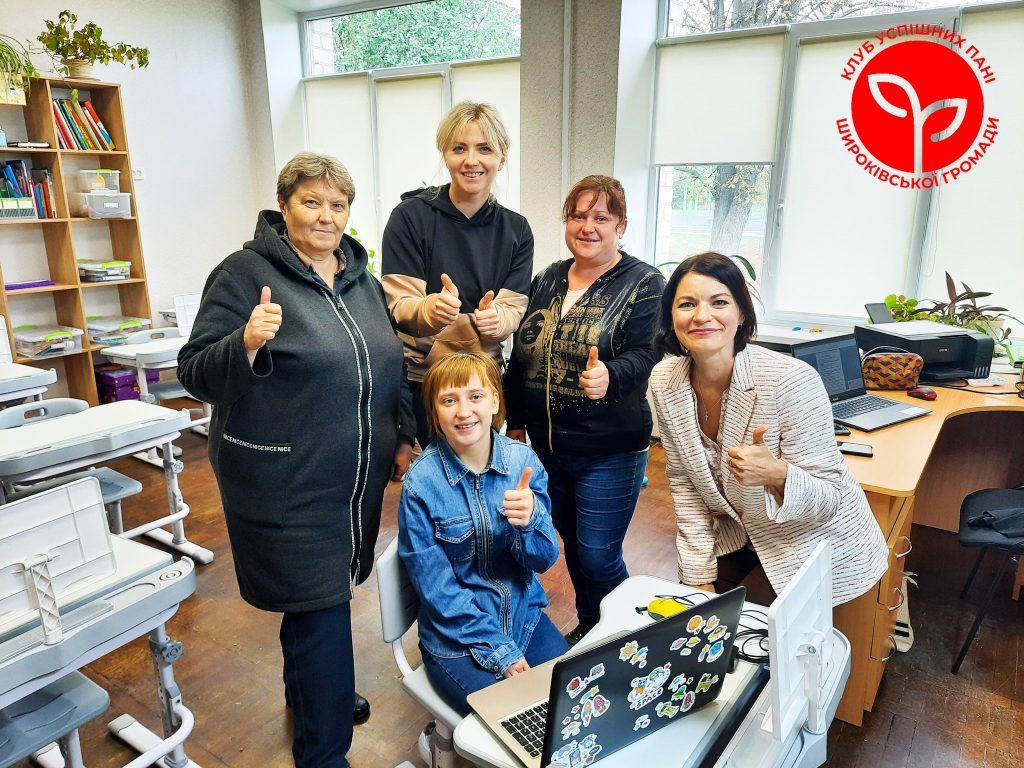
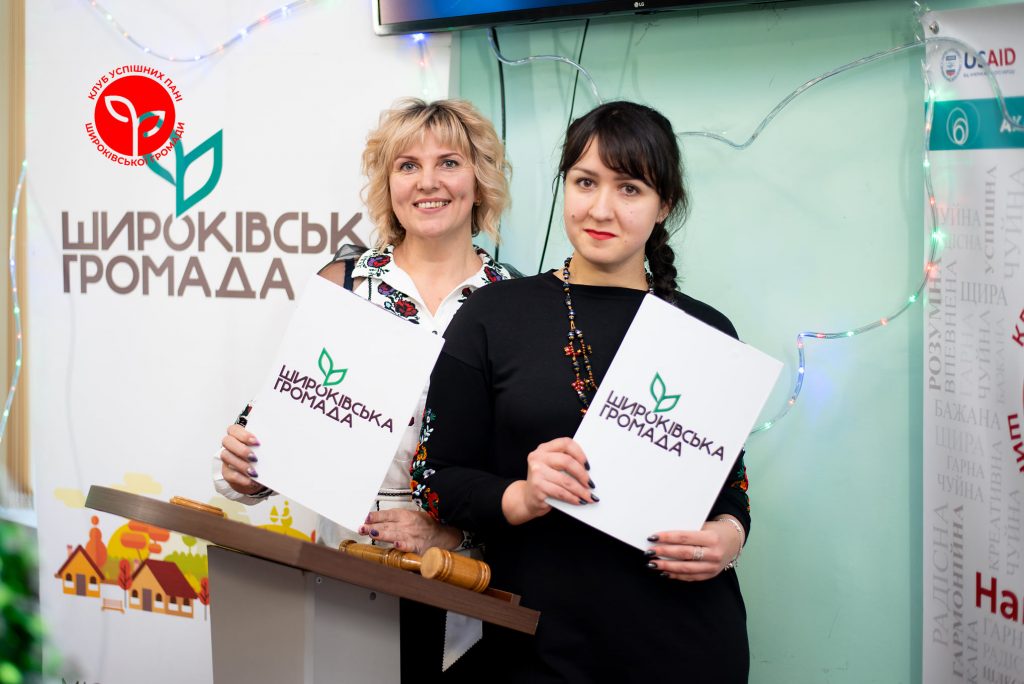
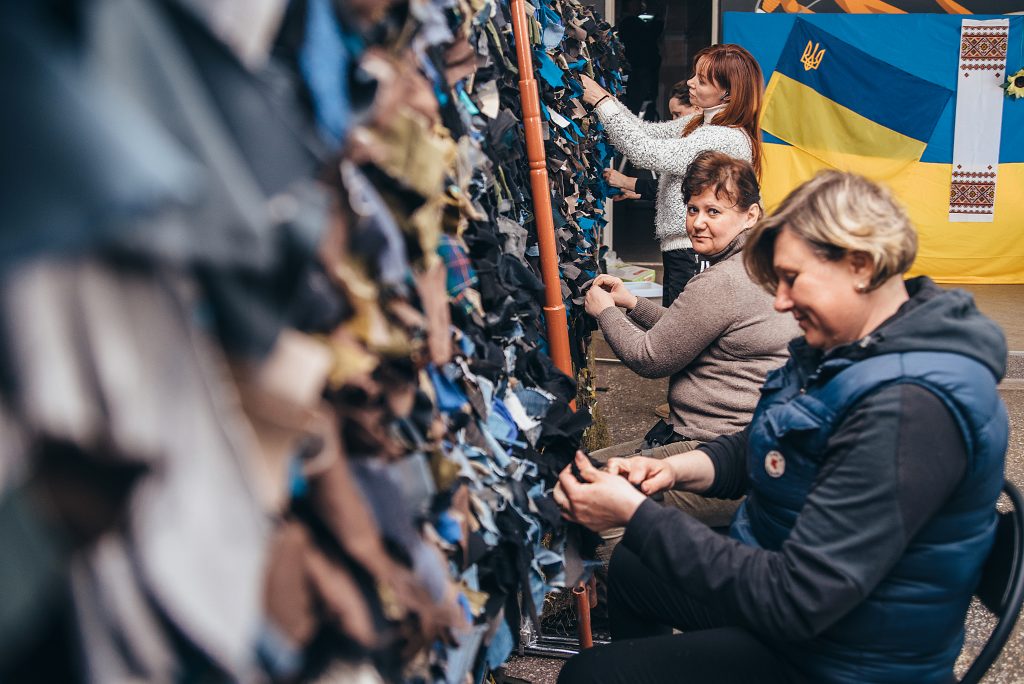
Even before the war, the Club of Successful Ladies of the Shyroke community began active work – an initiative group of local women engaged in charity work, organizing cultural and educational events and an auction to raise money for defenders.
Community and War
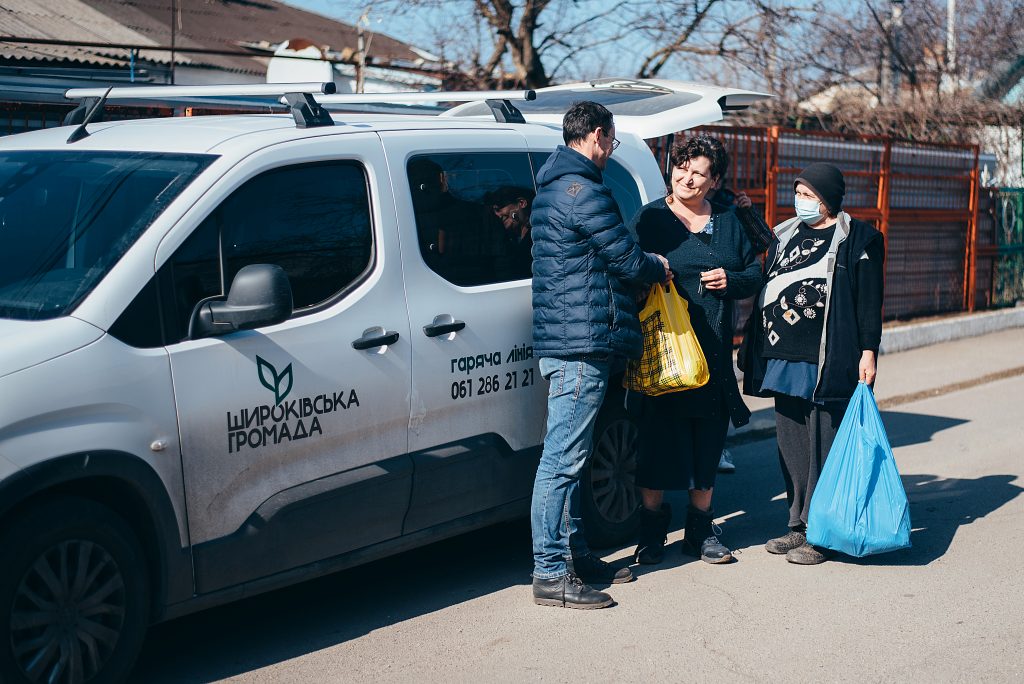
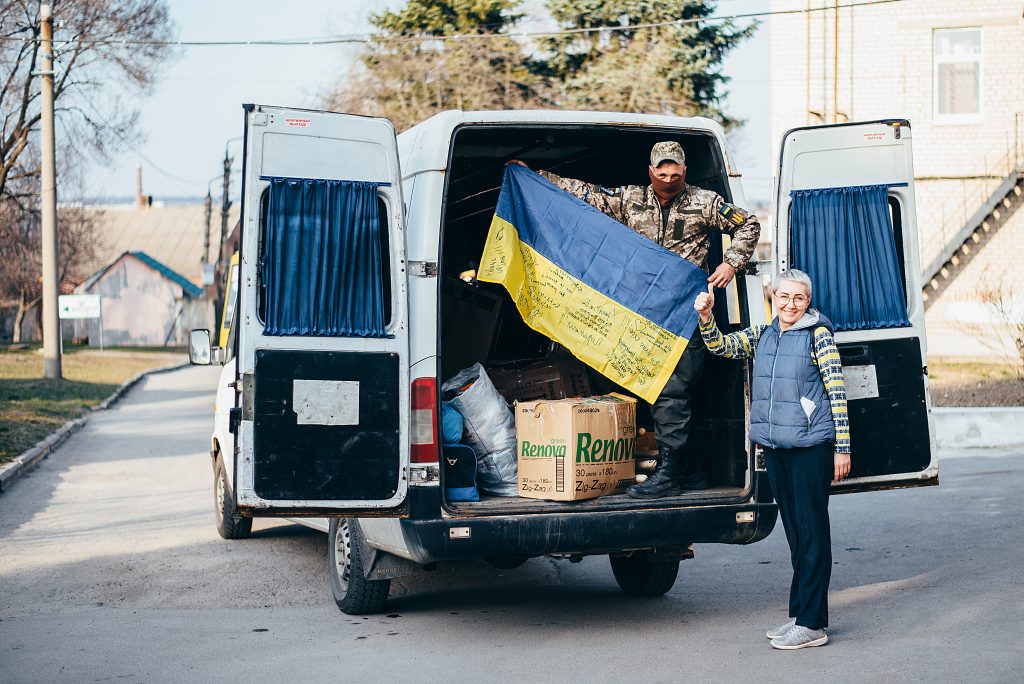
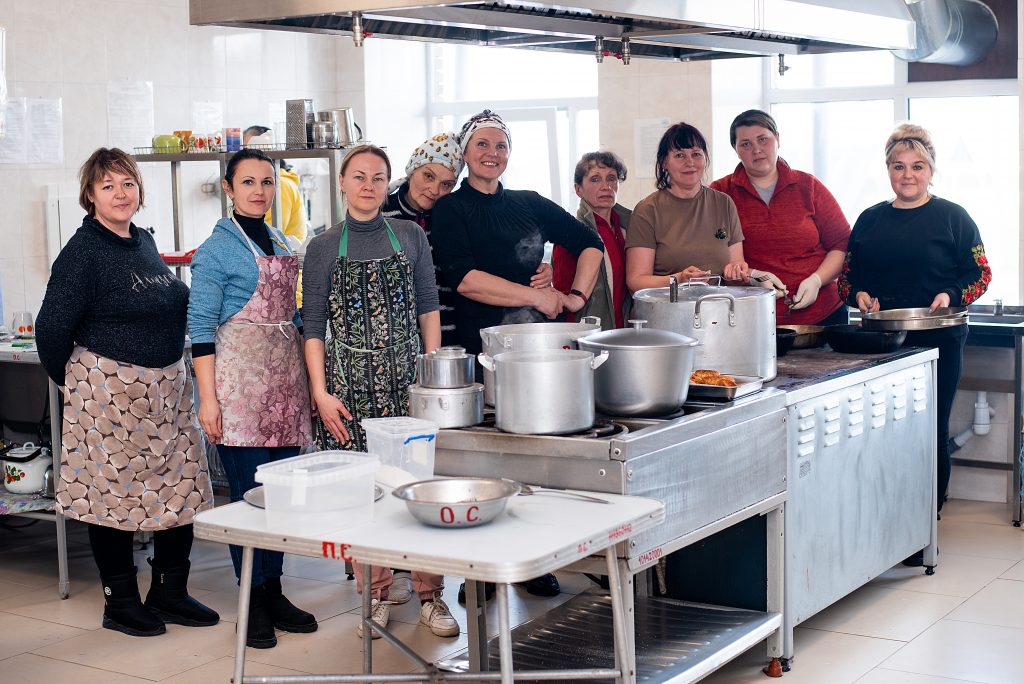
The Shyroke community is located in the only Ukraine-controlled district of the Zaporizhzhia region (the other 4 districts of the region are under temporary occupation). After the full-scale Russian invasion, the community organized the operations of a humanitarian hub through which aid is transferred to temporarily occupied territories and frontline communities.
In the 10 months of the war, the volunteers of the humanitarian hub of the Shyroke community have processed about 1,100 tons of humanitarian aid, helped 16 communities of the Zaporizhzhia region that have been affected by the war, and also distributed over 50,000 food and hygiene kits. Residents and specialists have provided shelter for 5,500 displaced people from 227 population centres of 11 regions of Ukraine. The hub cooperates with more than 70 partner organizations and hundreds of people.
History
The Shyroke community is located on the territory of former Mennonite settlements. Mennonites is a Protestant movement founded in the Netherlands in the 30s and 40s of the 16th century. The first group of immigrants arrived in July 1789 and settled in the valley of the Upper Khortytsia River. A colony named Khortytsia was founded – the colonists kept the old historical name of the settlement.
Today, we can say with confidence that the Shyroke rural territorial community has preserved a good part of the “European civilization” left by the Mennonites. Mentions of the people who lived in these regions before are still preserved. There is a house museum of the German colonists in the village of Ruchayivka, which still contains Mennonite household items.
In the Zaporizhzhia Regional Museum of Local History, an entire hall is dedicated to Mennonites which showcases household items, clothes, books, coins and many other finds. The Shyroke school also has a local history museum, part of which is dedicated to German Mennonites.
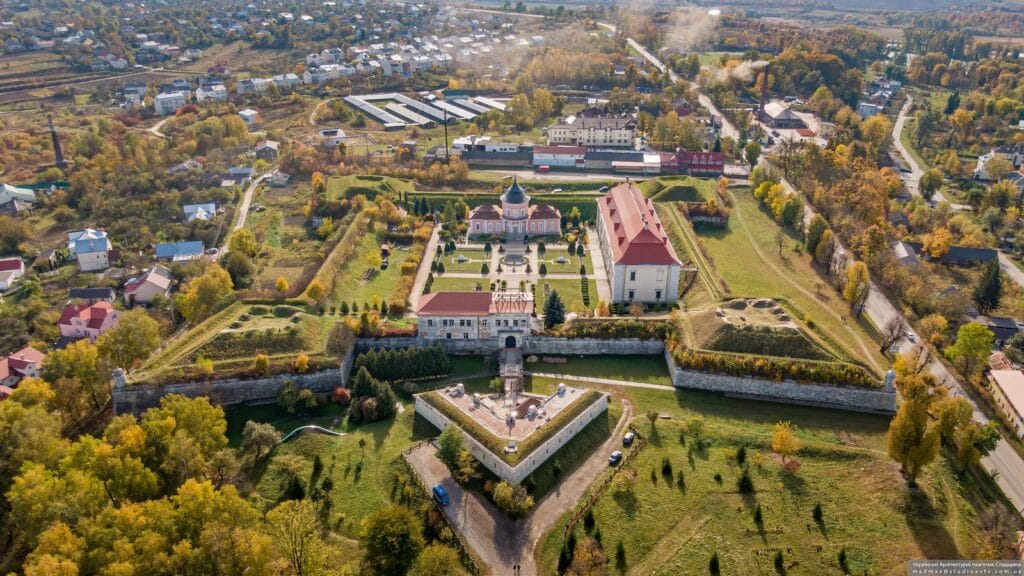
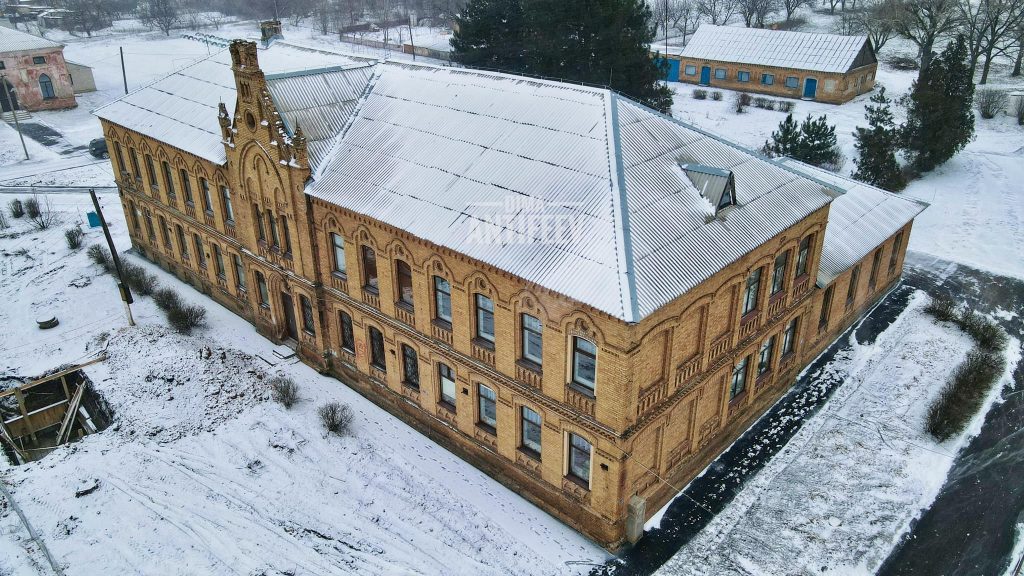
Nowadays, the former settlers and their descendants live mainly in Canada and Germany, but every year, in the spring and summer, they come to the land that once sheltered their ancestors and for a long time was their harsh Motherland.The Valman Castle is one of the most original buildings of the Mennonite Khortytsia colony. From the outside, the building resembles a castle, hence the popular name is Valman Castle.
The construction began in the late 19th century at the initiative of Katarina Valman, co-owner of the Lepp and Valman Company (1980), which was the largest Mennonite company in these territories. The Valmans and Lepps were great benefactors, especially in the fields of education and health care. Katarina also completed kindergarten organization courses in Germany. It was the institution for the upbringing of toddlers that Valman planned to arrange in her “Castle”.
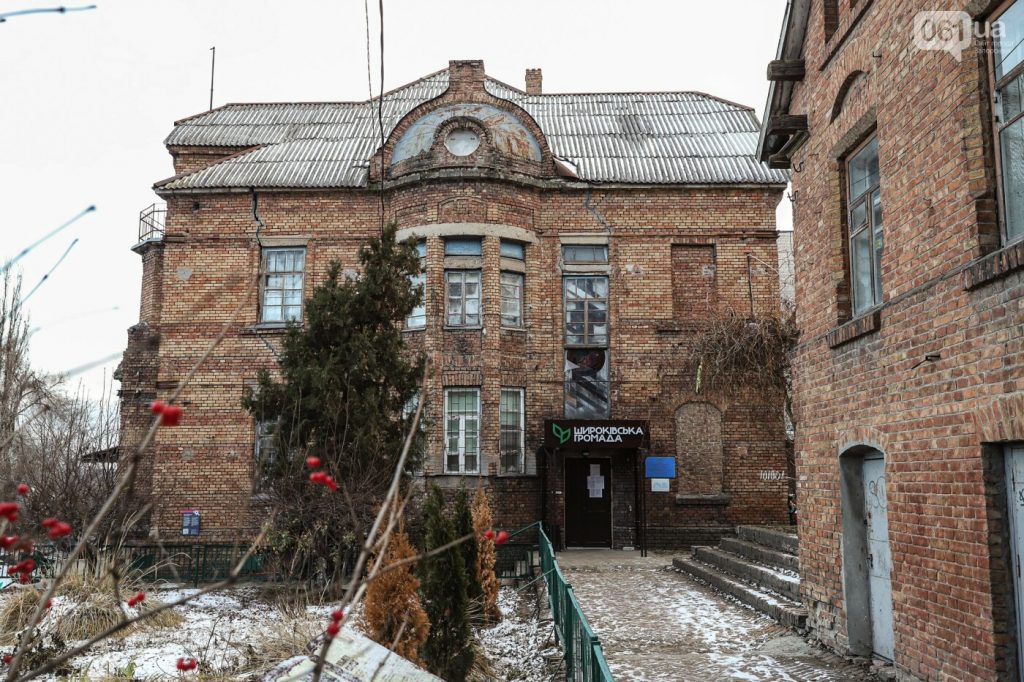
The death of Katarina, the First World War, the revolution and the civil war delayed the construction for many years. It was finally completed only in 1930. Currently, the house of Katarina Valman is owned by the Shyroke Village Council and houses the central office of the community.
Development Strategy
In 2021, a new Sustainable Development Strategy of the Shyroke community for 2022-2028 was developed and approved. However, it became irrelevant with the start of the full-scale invasion.
Currently, the community plans to update the Strategy after the end of martial law.
In addition, community specialists are currently developing a realistic Strategy for the integration of IDPs into community life with the prospect of implementation in 2023-2024.Sources
- pravda.com.ua
- uacrisis.org
- facebook.com/denis.korotenko.92
- facebook.com/shyroke.org.ua
- decentralization.gov.ua/news
Economy and Welfare
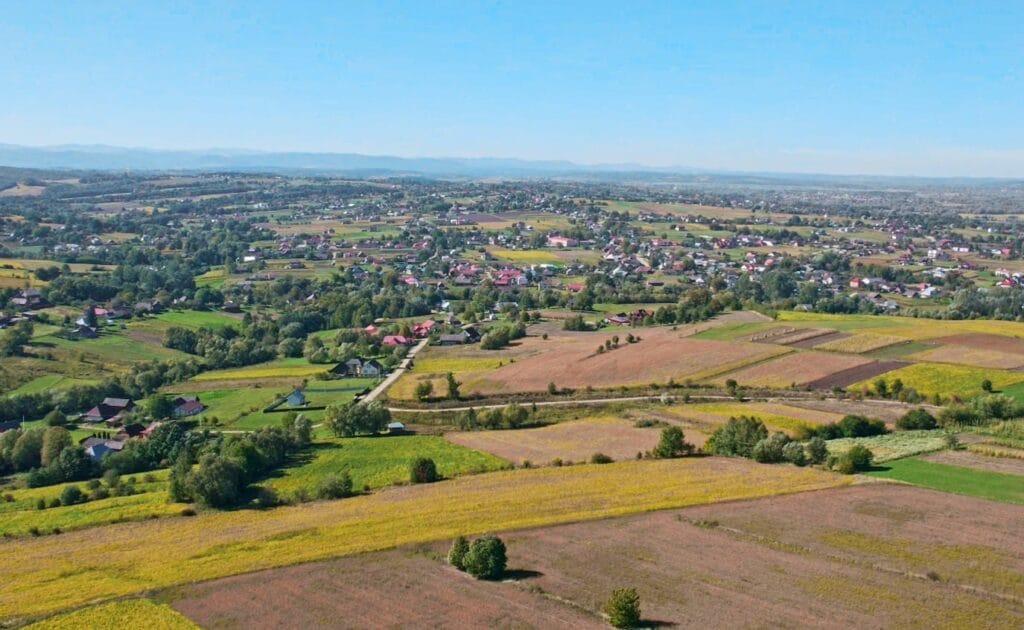
The community is mainly engaged in agriculture and food and processing industry.
The community’s potential is insufficient to provide jobs for all its residents, so a large part of them work in Zaporizhzhia.
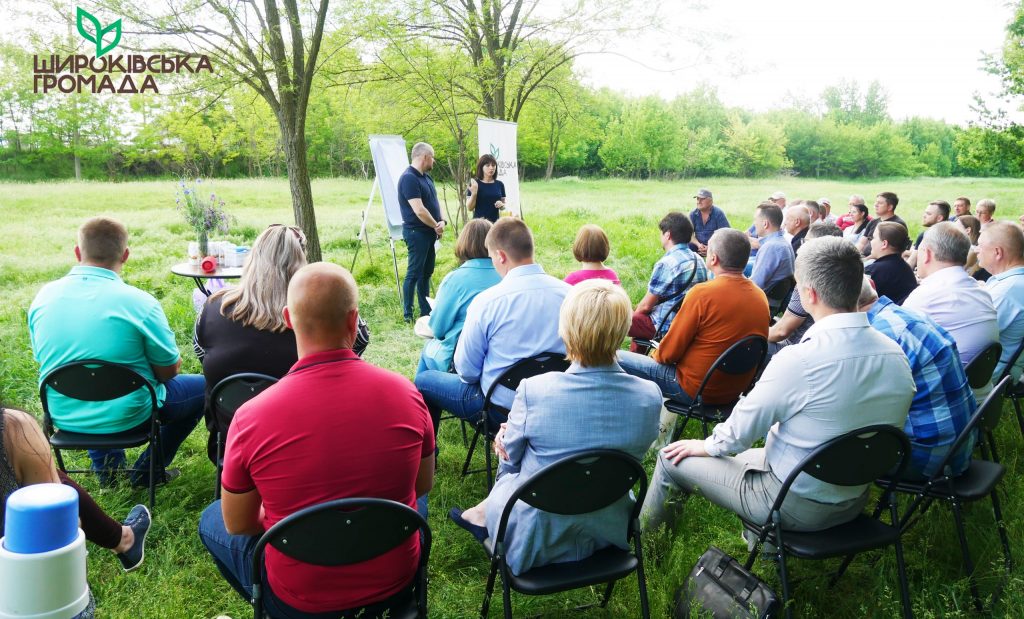
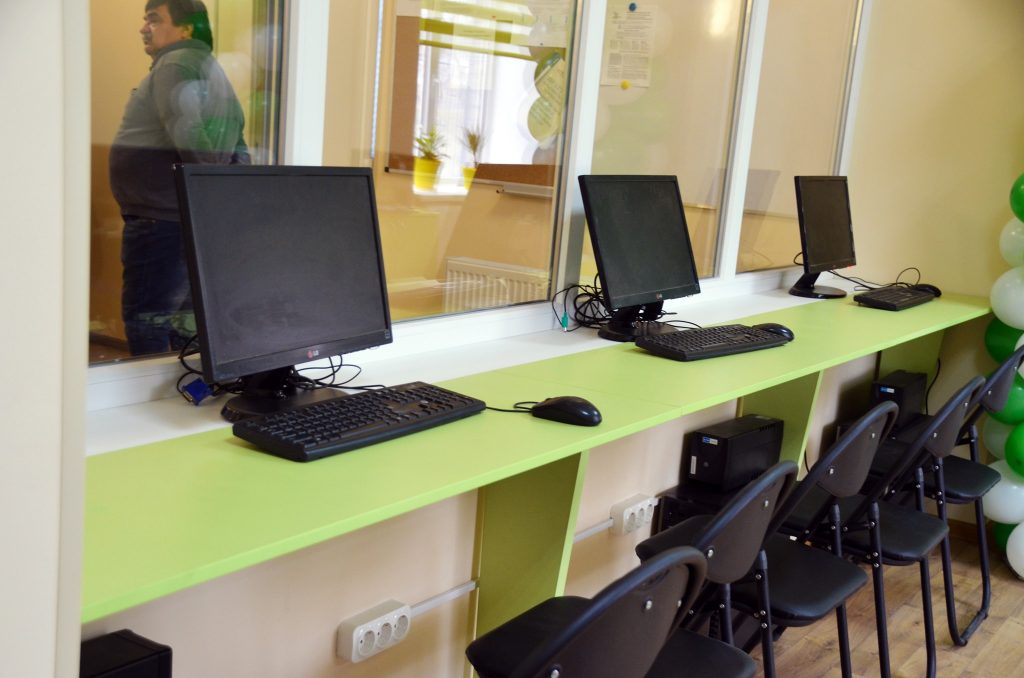
In order to establish interaction between residents, local businesses and community leadership, a Business Dialogue has been held for several years. This is a series of informal communication events for businessmen and subject matter experts. In addition, there is a Business Hub in the village of Shyroke and a renewed Administrative Services Centre with branches in 4 villages of the community.
Also, the community, with the help of partners, organizes training sessions, supports the local honey cooperative society and advises craft productions on attracting grant funds.