Shatsk Territorial Community
- Type: Urban-rural
- Population: 16,245
People of the Community
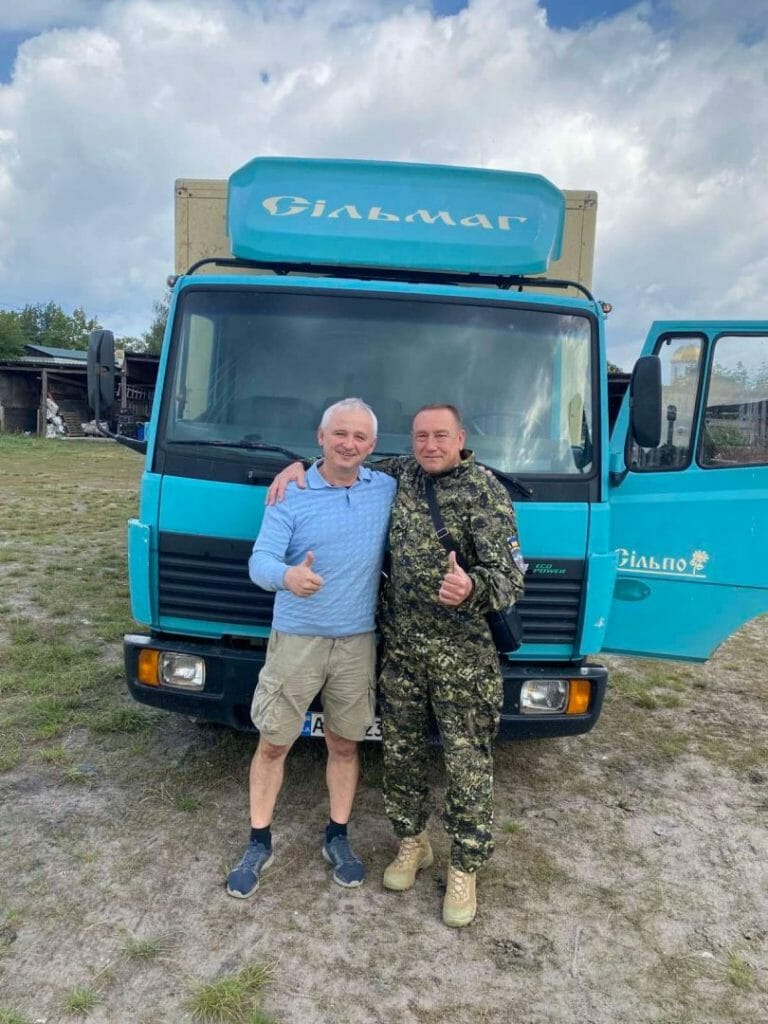
Shatsk settlement head – Serhii Viktorovych Karpuk (35 years old). He was born and grew up in the settlement of Shatsk, Volyn Region.In February 2024, he decided to join the Armed Forces of Ukraine and resigned from his current position until the end of martial law. However, thanks to his achievements, Shatsk continues to expand the geography of partnerships and further develops international cooperation.
Today, the Secretary of the Shatsk Town Council, Bohdan Tymoshuk, is the acting mayor of the Shatsk community. He is a young and progressive politician who actively supports establishing of new partnerships and implementation of international projects.While in office, the community head and his team have managed to implement a number of projects, in particular:
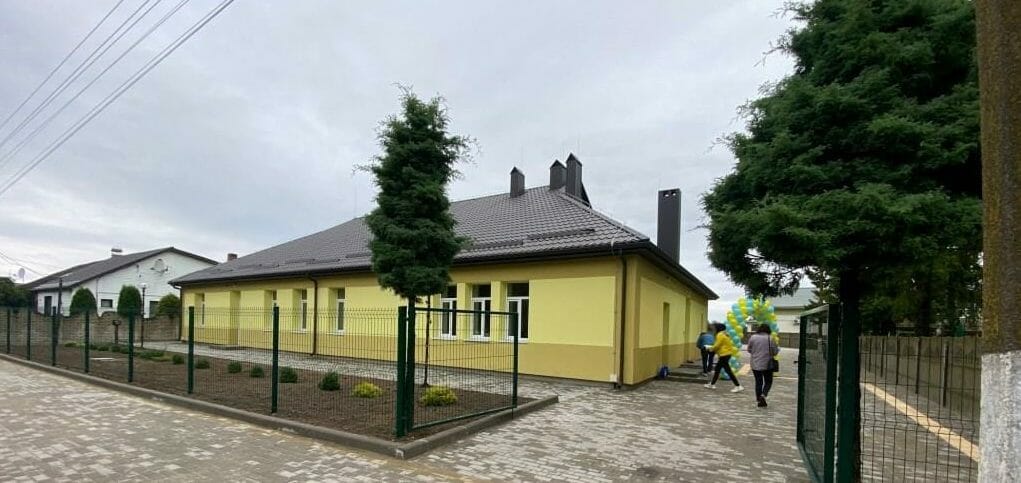
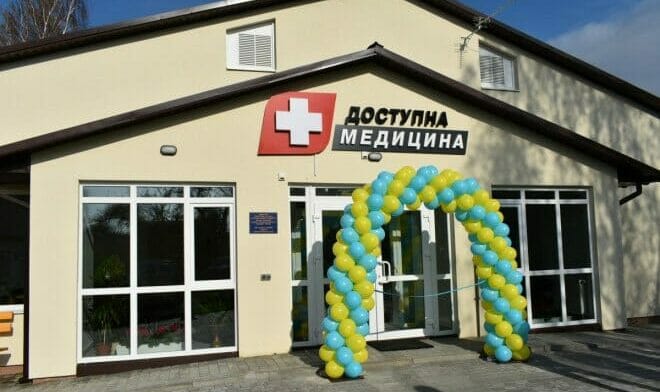
- carry out major repairs of the outpatient clinic of general practice of family medicine in the village of Pulmo. Project cost: over seven million hryvnias;
- build a modern outpatient clinic of general practice of family medicine in the village of Pishcha. Project cost: over six million hryvnias;
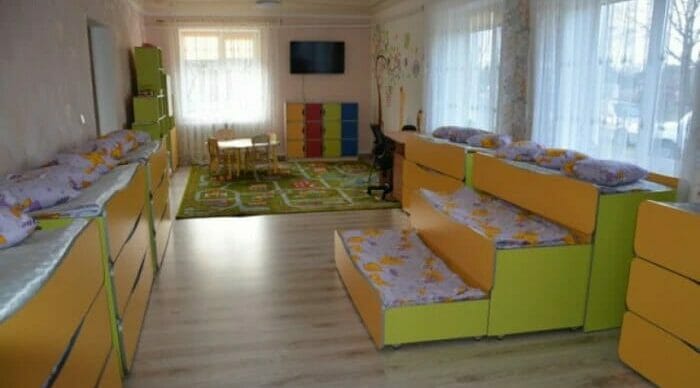
- renovate the kindergarten in the village of Samiilychi. Project cost: over 200,000 hryvnias;
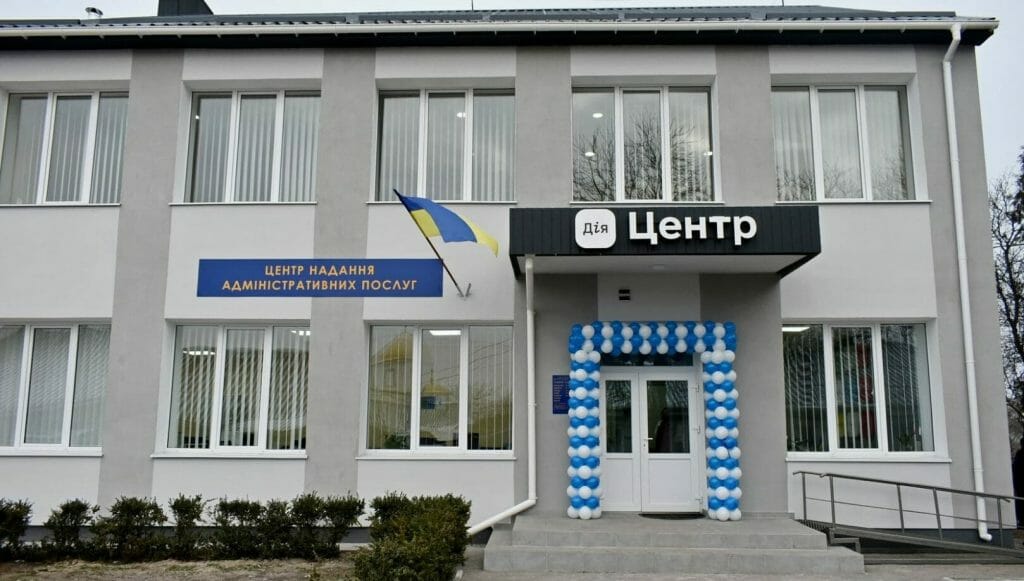
- reconstruct the premises of the former village council into the Administrative Services Centre. The total cost of reconstruction works is 2.6 million hryvnias.Administrative Services Centre in the community
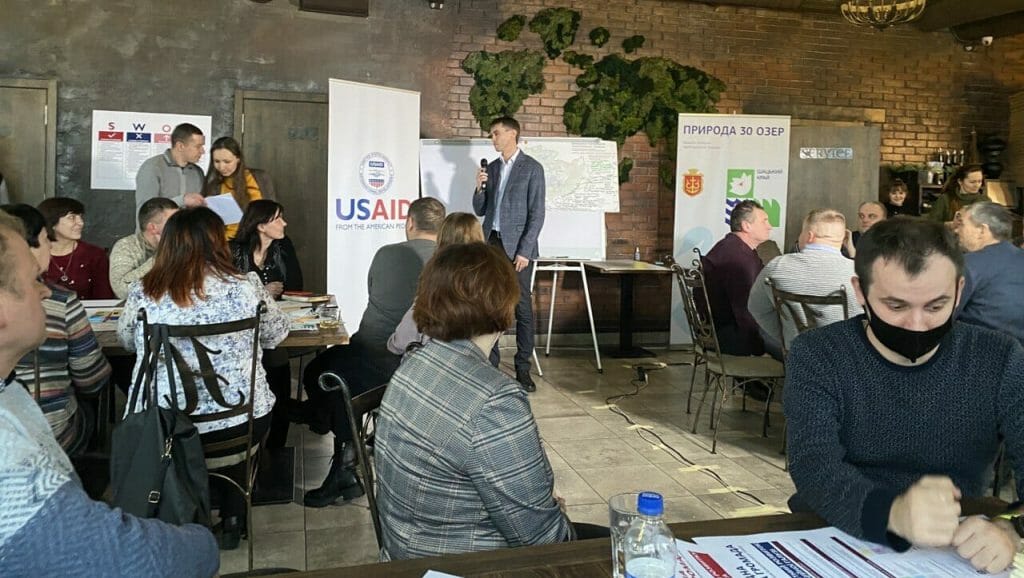
The Shatsk Community concluded partnership with the USAID HOVERLA Project.In the territory of the community, the implementation of a large infrastructural sewerage project “Improving the ecological situation in the Shatsk National Natural Park by developing sewerage systems in the settlements around Svitiaz Lake” is underway within the framework of the Poland-Belarus-Ukraine 2014-2020 cross-border cooperation program implemented through the European Neighborhood Instrument. The project implementation impacts the achievement of two strategic goals of the CBC EIS for cross-border measures:
- promoting economic and social development of regions on both sides of the common border;
- solving common problems related to the environment and the health of residents.
The overall goal of the project is to prevent the spread of human and animal diseases across the Volyn Region (Ukraine) and the Lublin Voivodeship (Poland) by improving the sewage system in the Shatsk Lakes area.
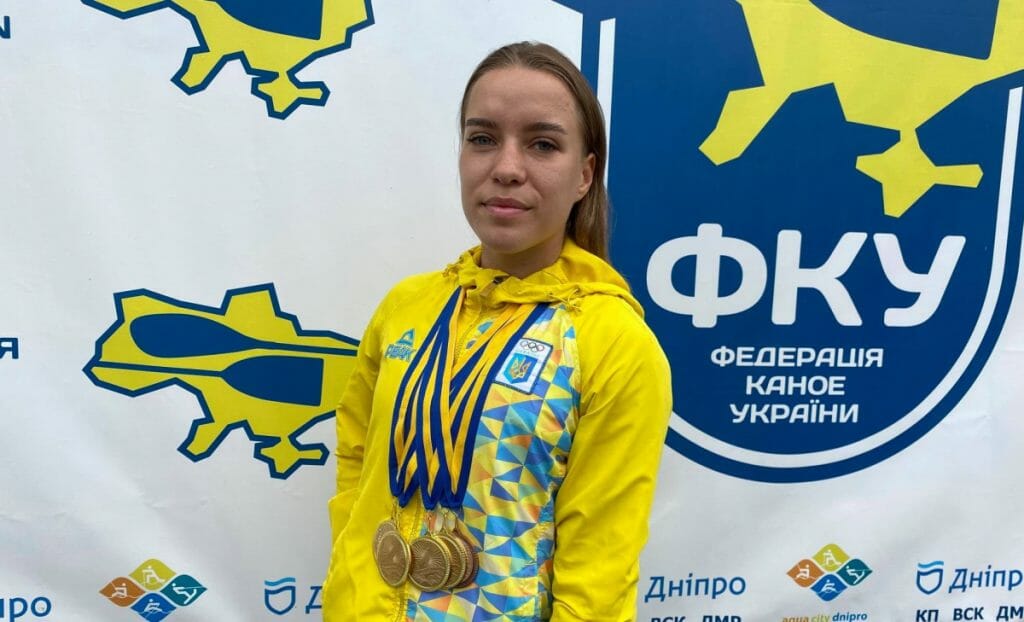
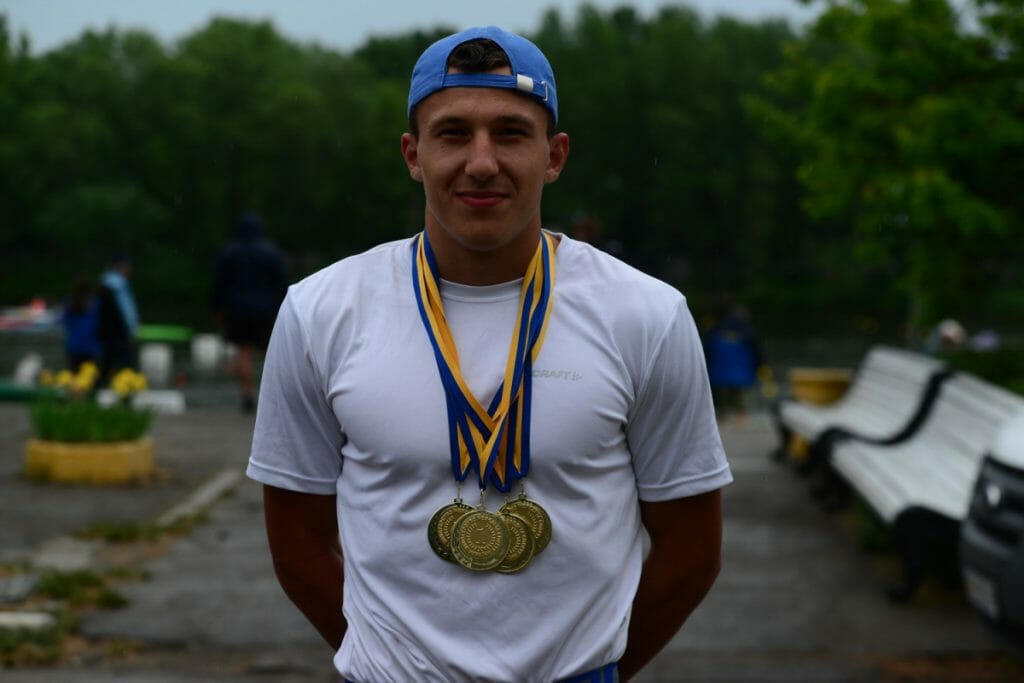
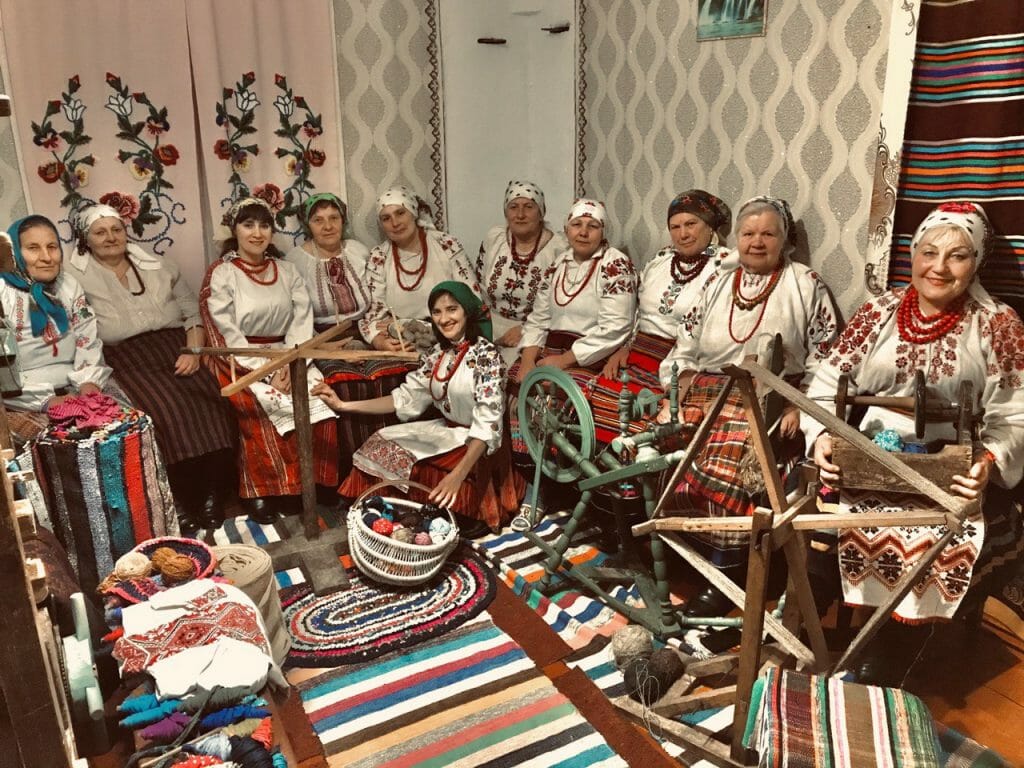
The Shatsk Community can boast of united and conscious residents who care about the development and welfare of their community. Here are just a few examples of such people:Sports are actively developed in the community and these efforts bear fruit. Powerful rowers were raised here, including regional champions, national champions and European prize-winners.
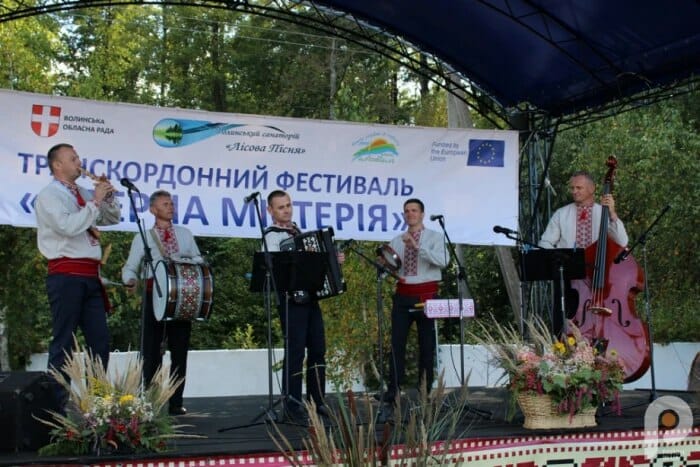
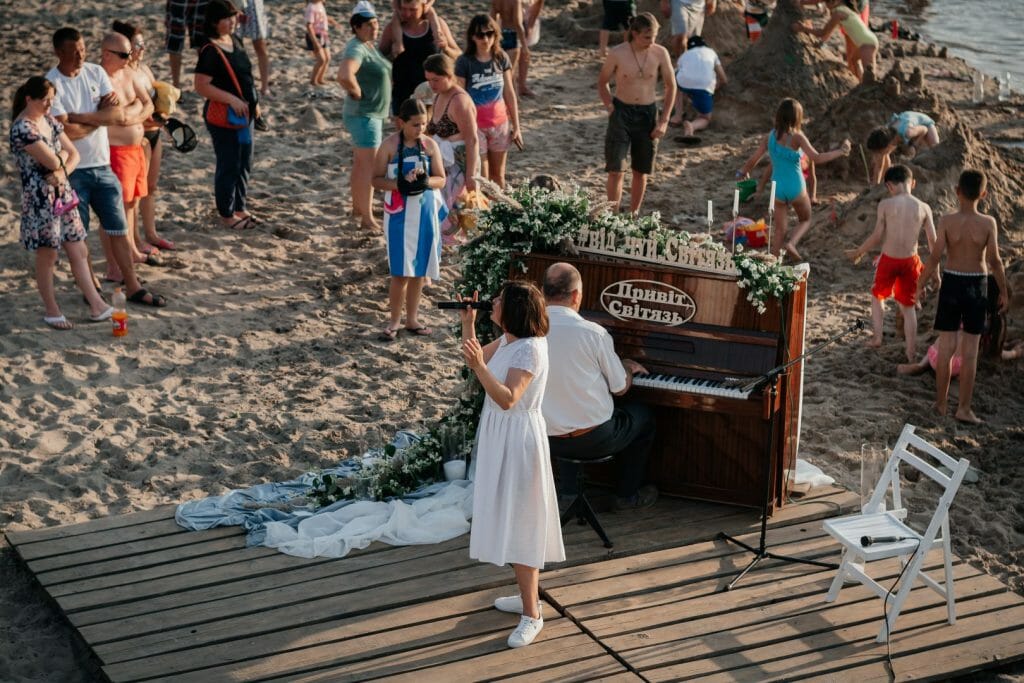
Among them: Halyna Zub, Valeriia Tereta, Dmytro Ozymok.Before the war broke out in Ukraine, the Shatsk Community actively worked to preserve Ukrainian traditions, revive folk crafts, and hold various cultural and mass events.The festival of Christmas carols “Three Holidays to Come”, the opening of the tourist season “Launch the Season on Svitiaz”, the Svitiaz Doughnut Festival, the youth festival-competition of the Ukrainian pop song “Youth, sing!” and the festival of patriotic songs “In the songs of the people is the destiny of Ukraine” have become traditional events in the community.
In 2021, the “Lake Mystery” festival was launched in cooperation with partners from Poland.


Community and War
On 24 February, the Shatsk Community was alarmed by news of explosions not only throughout Ukraine, but also in the regional center of Volyn – Lutsk.
The restless mood of the population was reinforced by the proximity to the border with Belarus.
Therefore, many women and children left for neighboring Poland on the first day of the war, worrying about their safety.
Instead, the community began to actively receive internally displaced persons, creating all the necessary conditions for them. Currently, their number is 1,461 people.
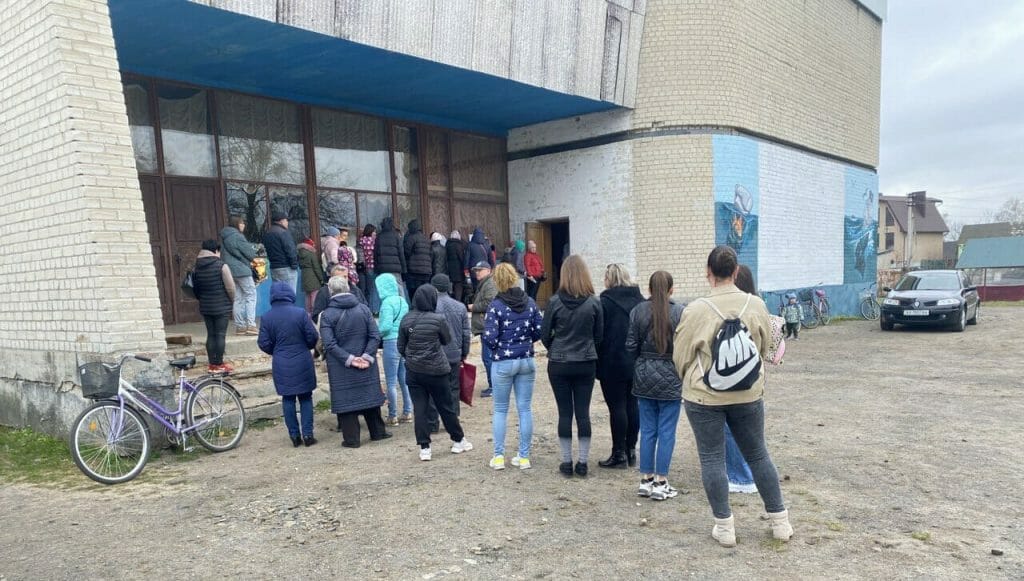
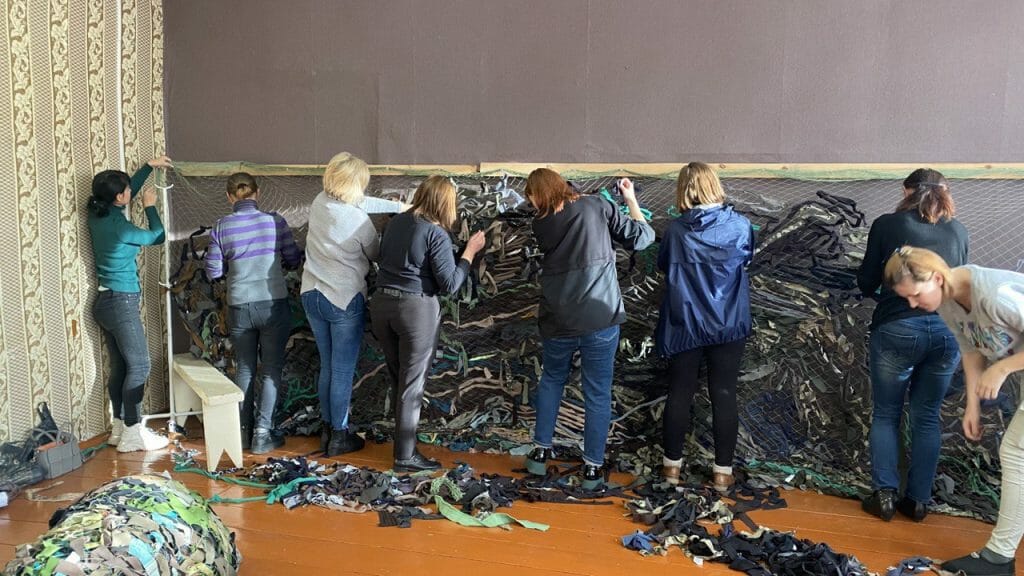
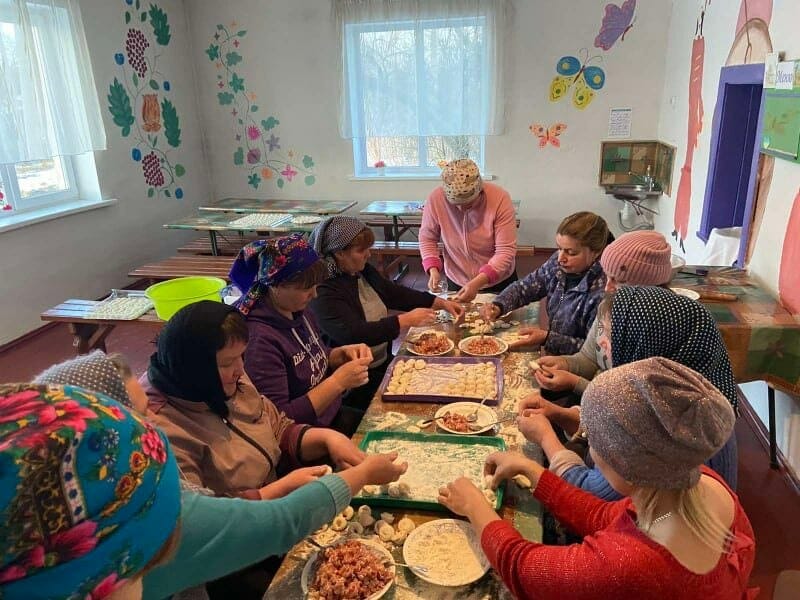
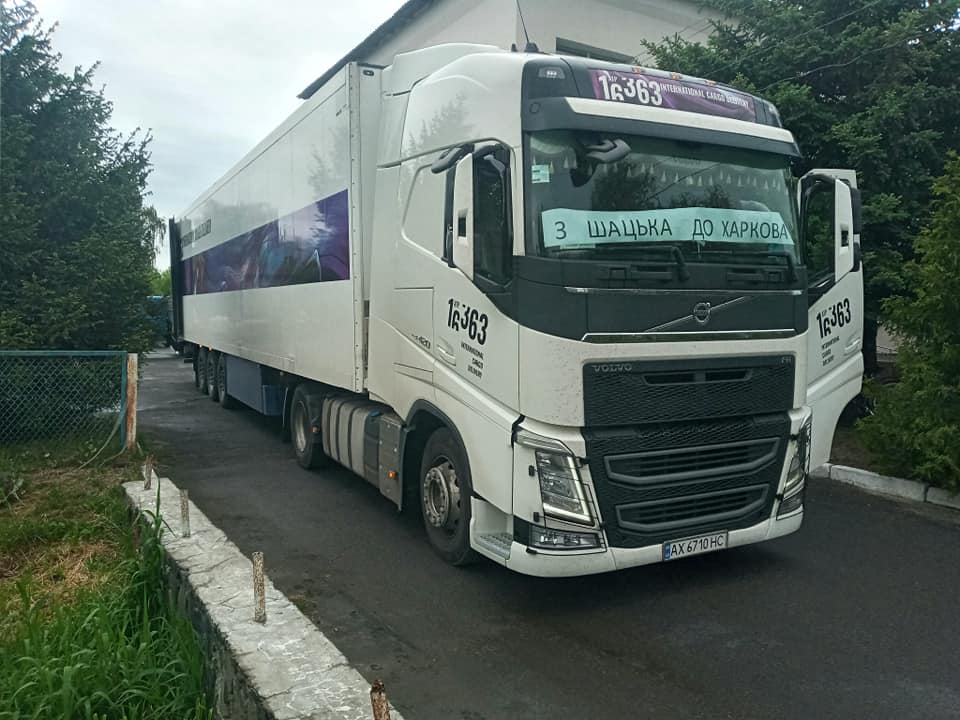
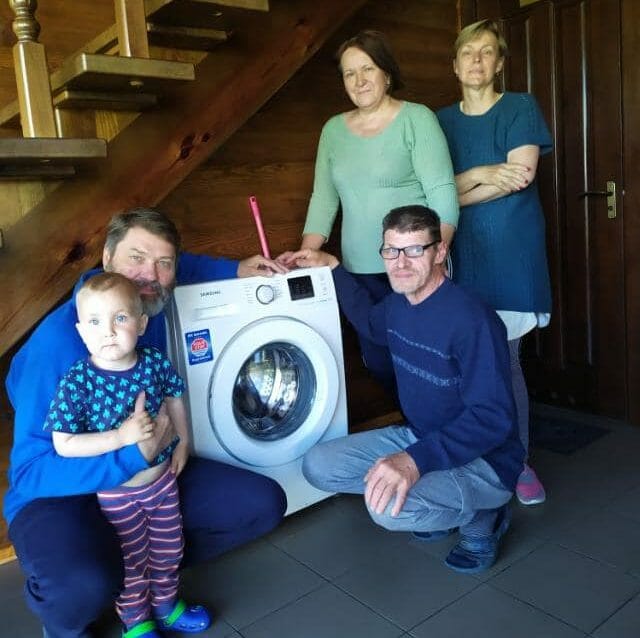
The cinema building, for which the development of design and estimate documentation for reconstruction was already being completed, was turned into a center of receipt and delivery of humanitarian aid. Activity of the residents was manifested in their support of the military: collection of warm items and products.Educational institutions have turned into catering facilities for the defenders. Every day, women made dumplings and baked pies. In cultural institutions, everyone, who could do it, skillfully made camouflage nets.Residents of the community began to volunteer, helping those who suffered from russia’s full-scale invasion and became victims of the armed conflict. Items, hygiene products, medicines, foods were collected and handed over to the towns and cities of Bucha, Odesa, Kharkiv, Kherson, Hostomel.Residents of the community and members of the Shatsk Youth Council organized charity fairs, online lotteries from local bloggers, charity workshops, patriotic concerts to raise funds for the purchase and repair of motor vehicles, night vision devices, drones, etc.The war significantly affected the solvency of the local population, which depended on the tourist season. Tourist revenues not only formed a significant part of the funds of the community’s local budget, but were also a source of revenues for the local residents.
Since the Shatsk Community is a tourist region, some of the tourist facilities became a refuge for those who fled the war.

History
The first mention of the settlement of Shatsk dates back to 1410. Then Polish King Jagiello sent hunters to the Shatsk forests to hunt for meat for military needs.
In 1564, there was another mention of Shatsk as a settlement of serfs. And in 1595, the location is mentioned in documents as a town.
In 1812, Shatsk, part of northwestern Volyn, was occupied by Napoleonic troops, but was quickly liberated.
From 1768 to 1849, the settlement belonged to the family of feudal Branytskyi. Later, the tsarist authorities confiscated these lands, which later acquired the status of governmental ones.
From late 1920 to September 1939, Shatsk was part of Poland.
On 17 January 1940, Shatsk became the district center, and in March of the same year, local council elections were held. The Shatsk District existed until 1963, but as a result of the reform, it became part of the Luboml District.
The Shatsk administrative district was restored on 03 February 1993, including the Shatsk Settlement Council and eight village councils.The present-day Shatsk Settlement Territorial Community was formed after the power decentralization reform was completed to replace the Shatsk District. First, on 30 September 2015, as a result of amalgamating the Shatsk Settlement Council and the Prypiat, Samiilychi Village Councils of the district. Later, on 12 June 2020, the full territory of the Shatsk Community was approved, including other village councils that were part of the Shatsk District.Shatsk National Natural Park
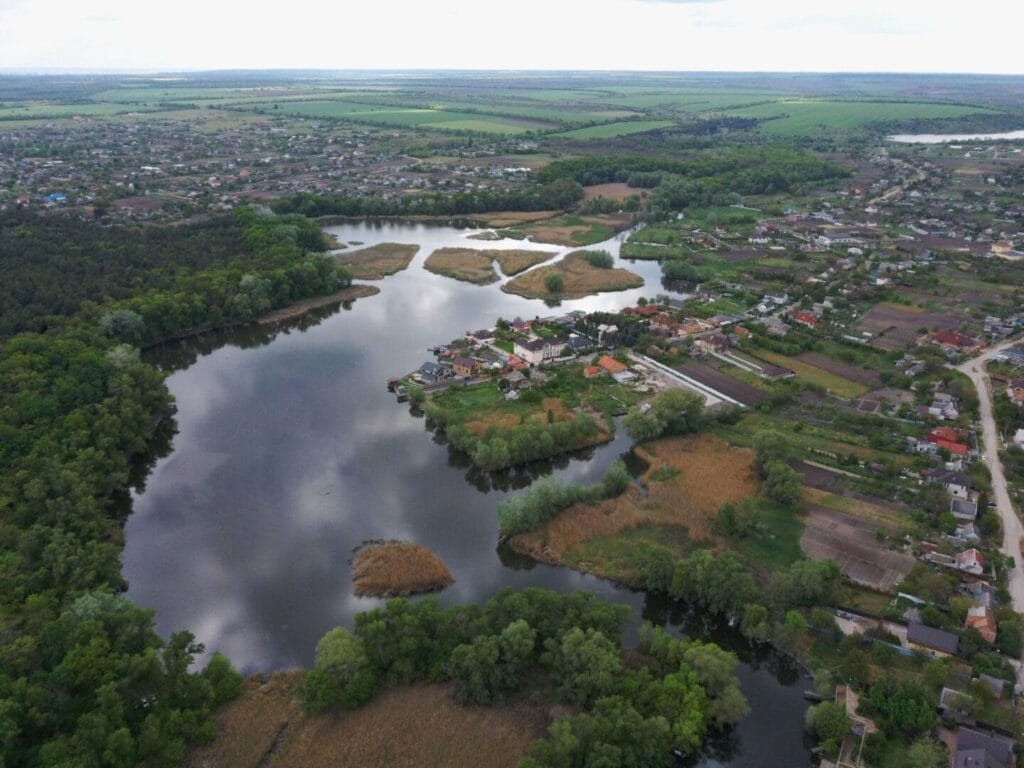
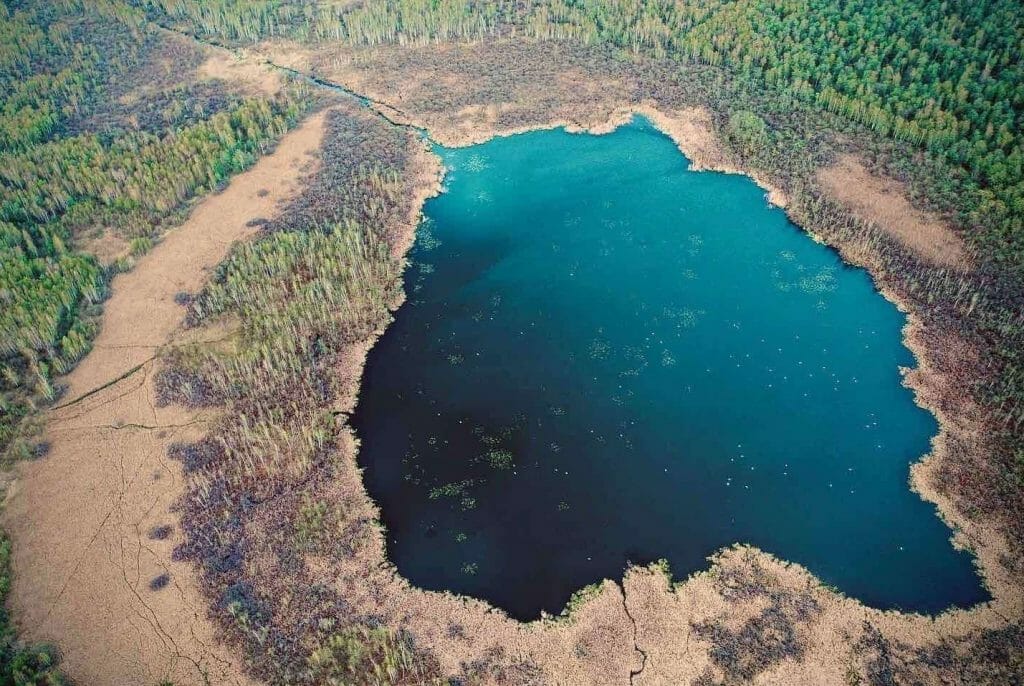
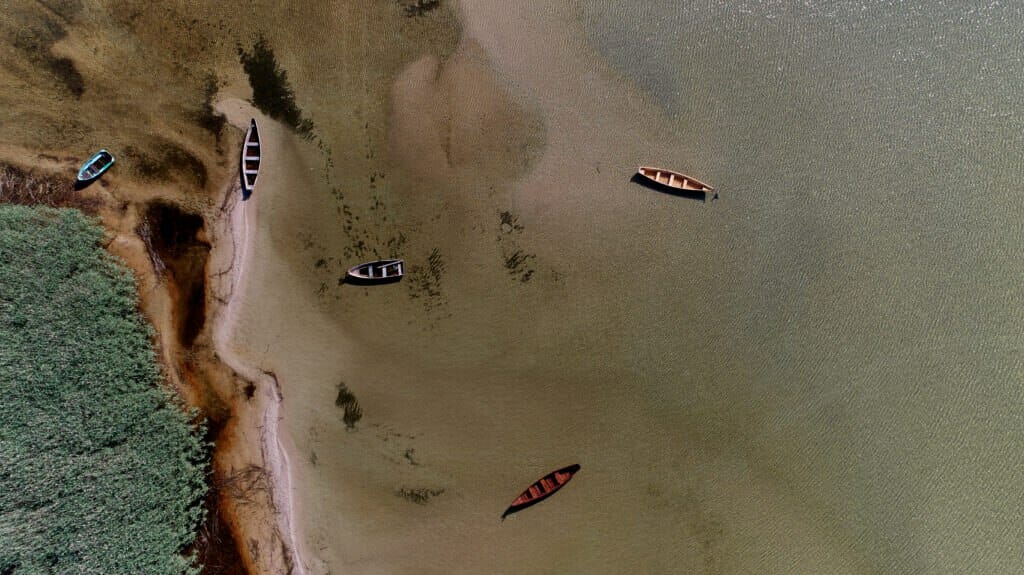
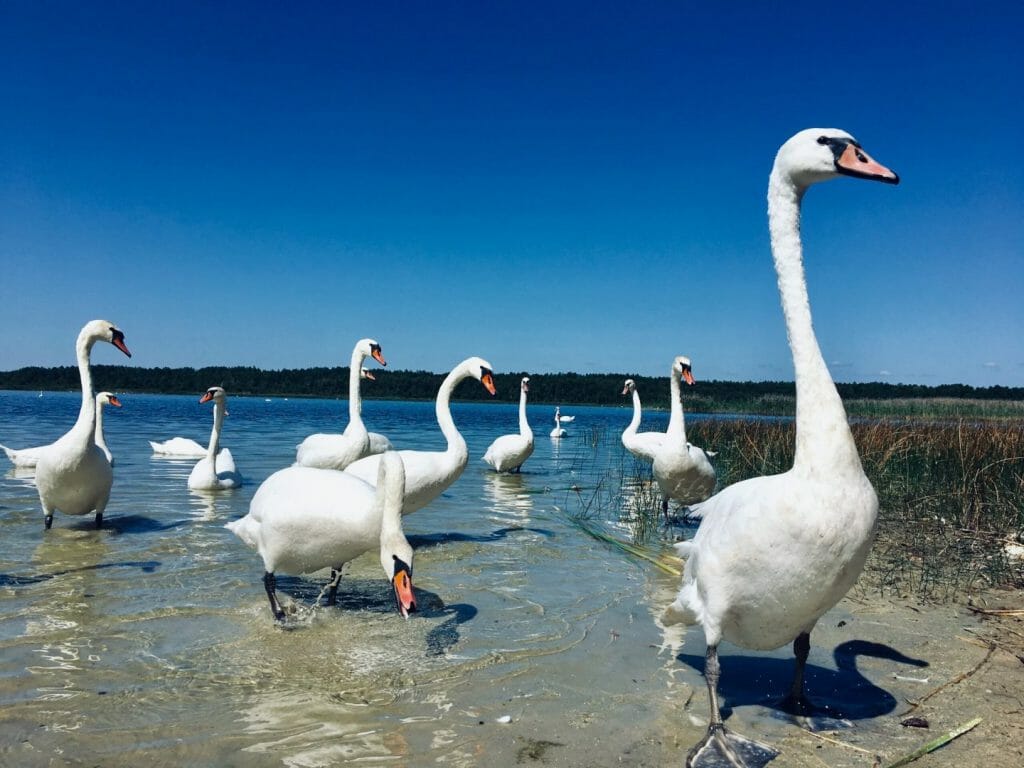
There are 30 lakes in the territory of the community. In order to preserve one of the largest lake groups in Europe, the Shatsk National Natural Park was created in 1983. The territory of the park is 48,997 hectares.
Most of the park is covered by forests (55.3%), meadows, marshes, water bodies (14.1%). The rest is covered by arable land, gardens and roads (21%).By the decision of the 17th session of the Bureau of the UNESCO-MAB Coordinating Committee in March 2002, the Shatsk National Park was given the status of a UNESCO Biosphere Reserve.
Development Strategy
The Shatsk Settlement Council is developing a strategy for the development of the community territory where the main strategic goal is to develop the environmentally friendly sectors of the economy and the resort and recreation potential.
Its goals include:
- improving the investment and business climate in the community;
- developing various types of tourism, including new cycling and hiking routes;
- opening a new Adamchuky-Zberezhe checkpoint on the border with Poland;
- improving the infrastructure;
- preserving and developing the human capital;
- stimulating cross-border cooperation in the region.
Economy and Welfare
More than 700 enterprises operate in the Shatsk Community.
98% of them are small businesses. Most of the residents are employed in the field of wholesale and retail trade. The hotel and restaurant businesses are developed as well. Agriculture accounts for 5% of all the businesses.
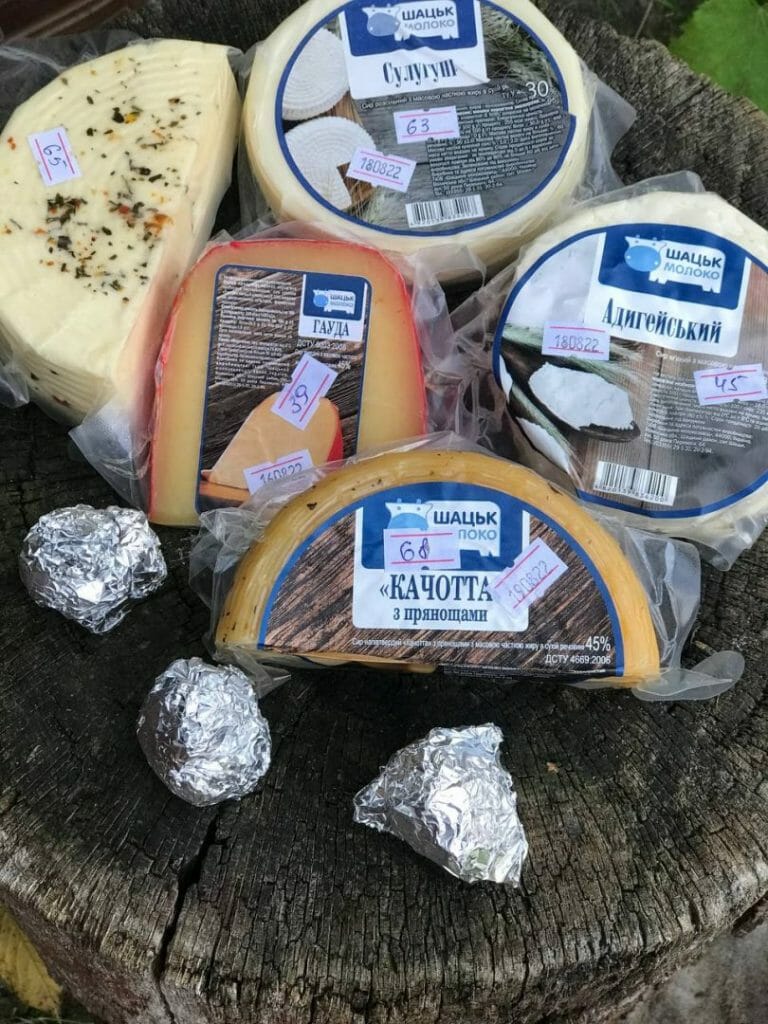
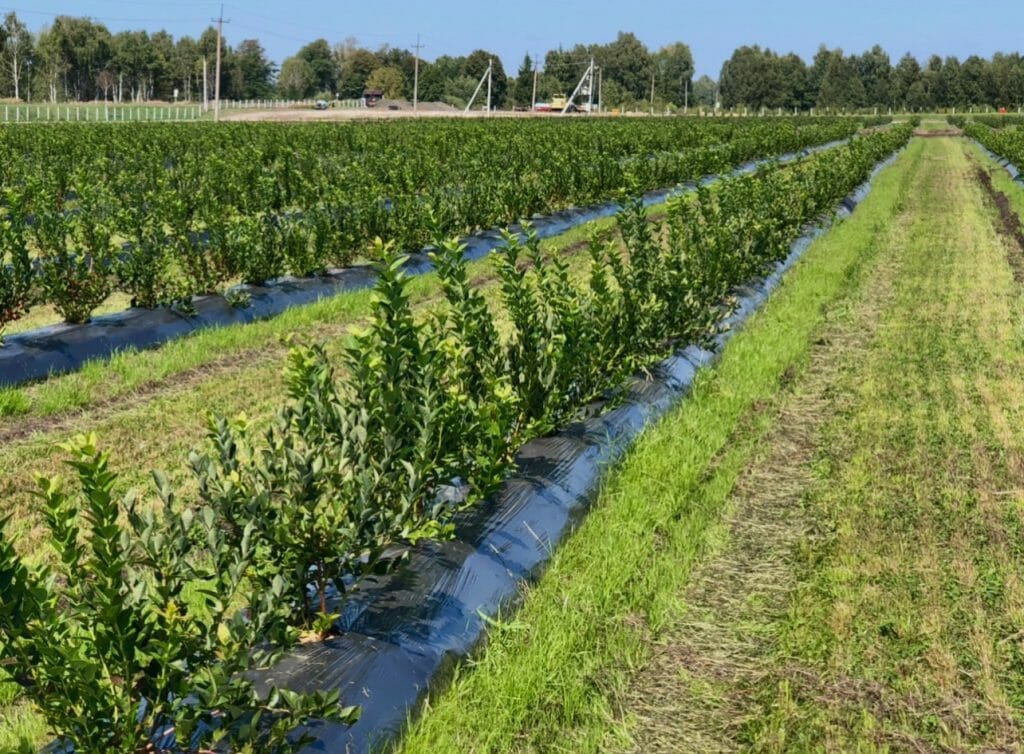
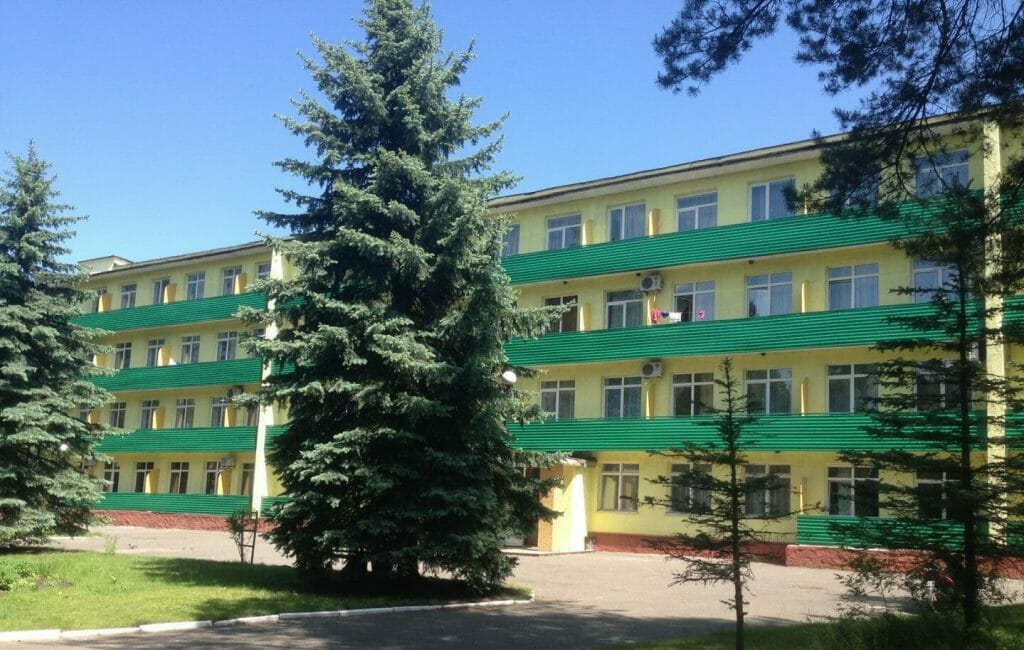
Shatsk Dairy LLC is a local enterprise that produces high-quality dairy products, butter and several types of cheese, which, thanks to its natural ingredients, has become a brand across Volyn.There are more than 10 agricultural enterprises operating in the territory of the community, which specialize in the cultivation of grain and industrial crops and berries, leasing more than 2,000 hectares of land, of which more than 500 hectares are covered with perennial blueberry plantations.The Shatsk Settlement Territorial Community is a tourist pearl of Ukrainian Polissia. The powerful regional sanatorium “Lisova Pisnia” works here in the village of Haivka. This is a complex sanatorium-resort and rehabilitation facility with modern medical and diagnostic equipment, qualified medical staff and comfortable rooms. In addition, there are many recreation centers of various ownership forms functioning in the territory of the community.It is the use of the resort and recreation potential of the region that enables the development of the community’s economy and social sphere.
Sources
- Horun A., Mateichyk V., Yashchenko P., Klestov M., Osypova M., Shatsk National Natural Park on the verge of millennia. K.: Rostyslav-C, 2000, – 40 p.
- Edited by V. M. Kulakovskyi “History of the towns and villages of the Ukrainian SSR”. Volyn Region. Chief editor of the Ukrainian Soviet Encyclopedia of the Academy of Science of the USSR. Kh. 1970
- Website of the Shatsk Settlement Counci
- Online media District
- Video about the Shatsk area