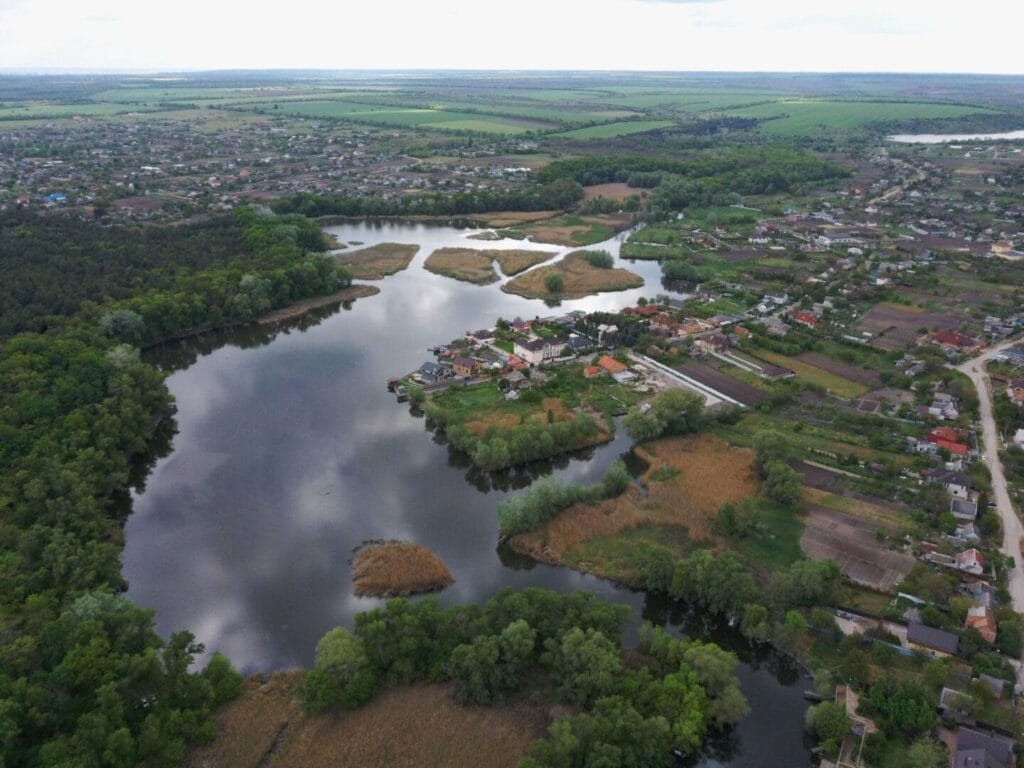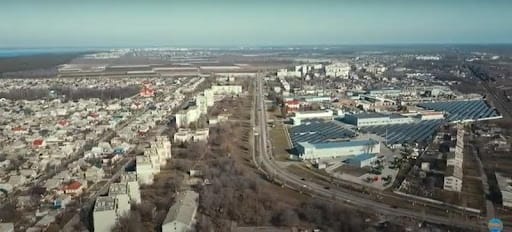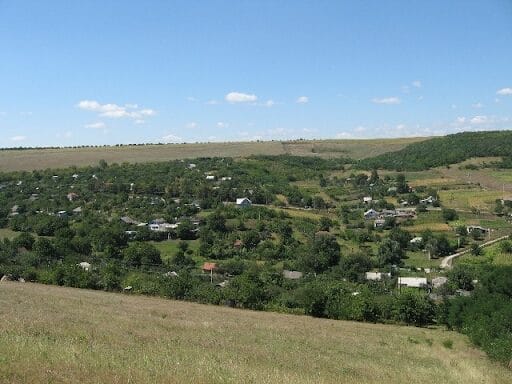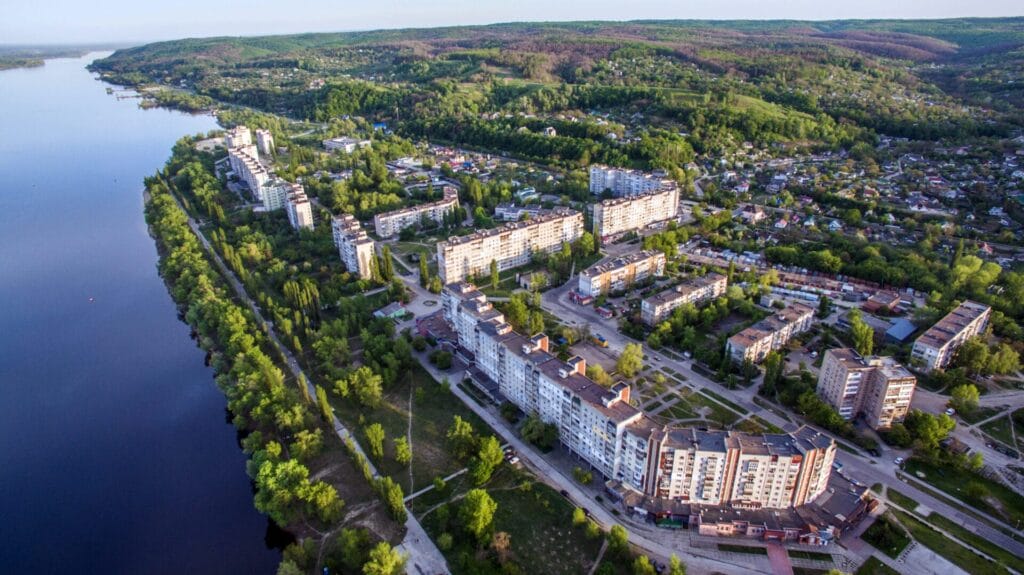
Raihorodok Territorial Community
- Type: Rural
- Population: 7,438
People of the Community
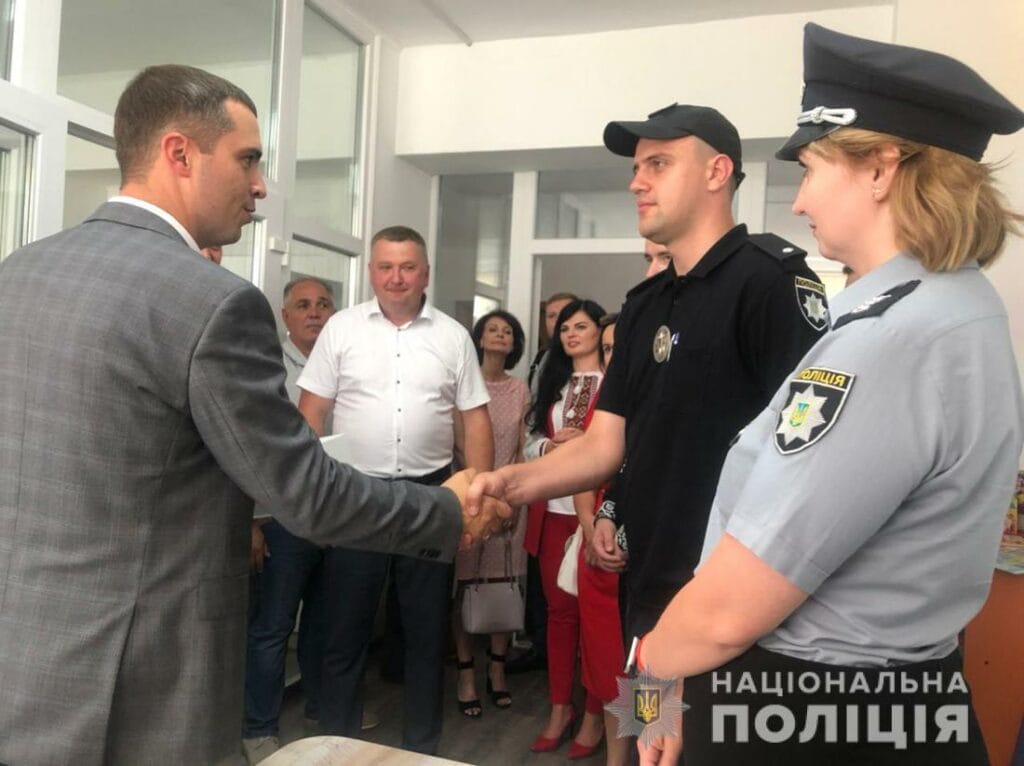
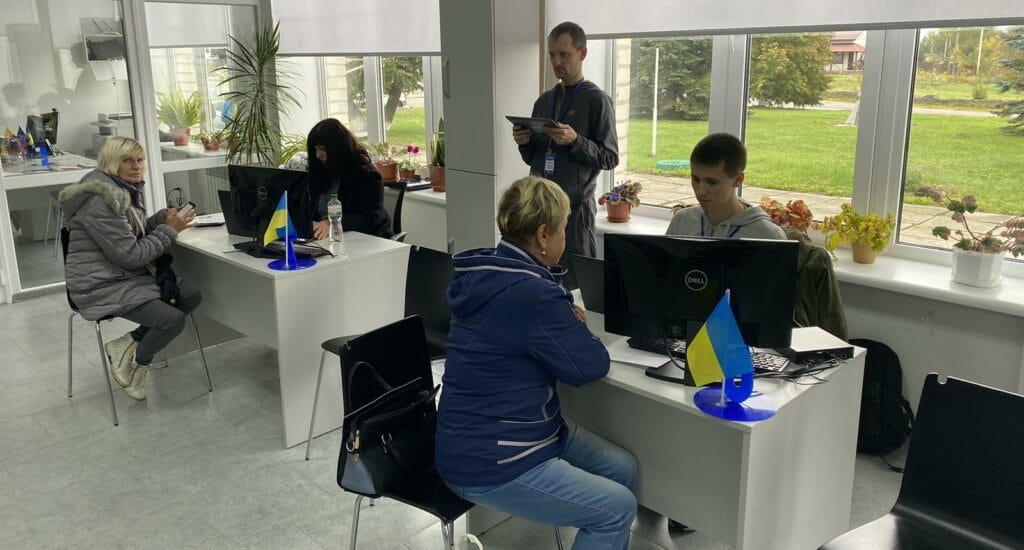
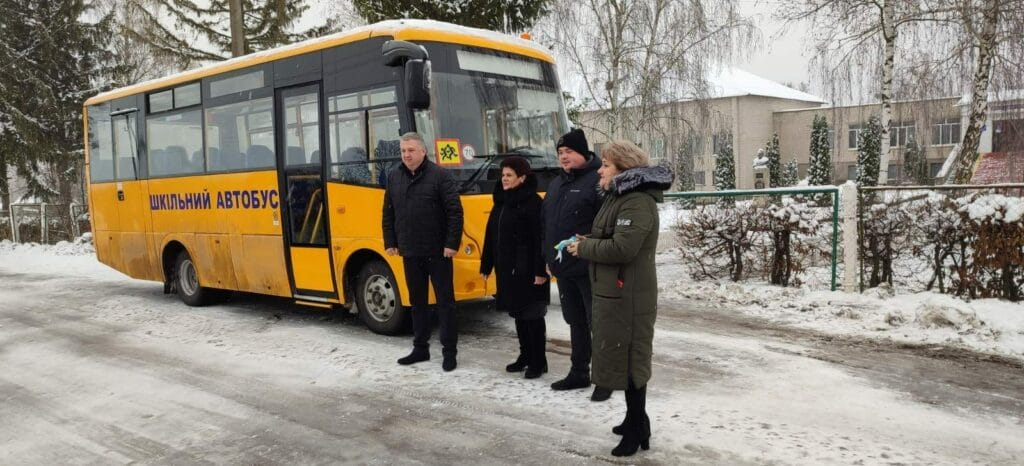
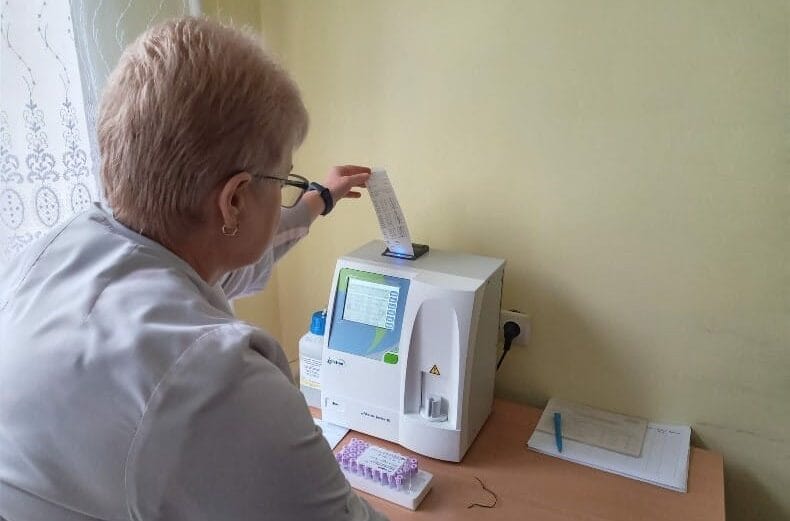
The Raihorodok police station is located in the newly created Administrative Services Center. Community police officers and, on a separate schedule, a juvenile police officer are constantly working in the office. The police office is equipped with modern furniture, equipment and everything necessary for the work of law enforcement officers.The opening of the Administrative Services Center of the Raihorodok village council took place within the framework of cooperation with the U-LEAD with Europe program. Today, the Center continues to work on increasing the number of services provided, as well as on simplifying and speeding up the provision of services and improving the conditions for their receiving.Transportation of pupils and teaching staff is an important component of the organization of the educational process. Taking into account that the Raihorodok community transferred three school buses for the needs of the Armed Forces of Ukraine, the need for school buses in the community was urgent. Thanks to the joint efforts of the community leadership and deputies, a new school bus was added to the community’s fleet in November 2022. Today, pupils and teachers are transported by three school buses.Improving the quality of medical services to the population of the community remains a priority direction. Thus, an important step in solving the problem of diagnostic examination of community residents was the purchase of modern laboratory equipment for general blood and urine analysis for the communal non-profit enterprise, Raihorodok Center of Medical and Sanitary Care.
Community and War
The war made its adjustments in the development of the Raihorodok community. It was necessary to quickly adapt the economy to the conditions of martial law, including changing the priorities of socio-economic development and taking into account the large number of internally displaced persons. Because of this, there was a need to develop new approaches to local economic policy.
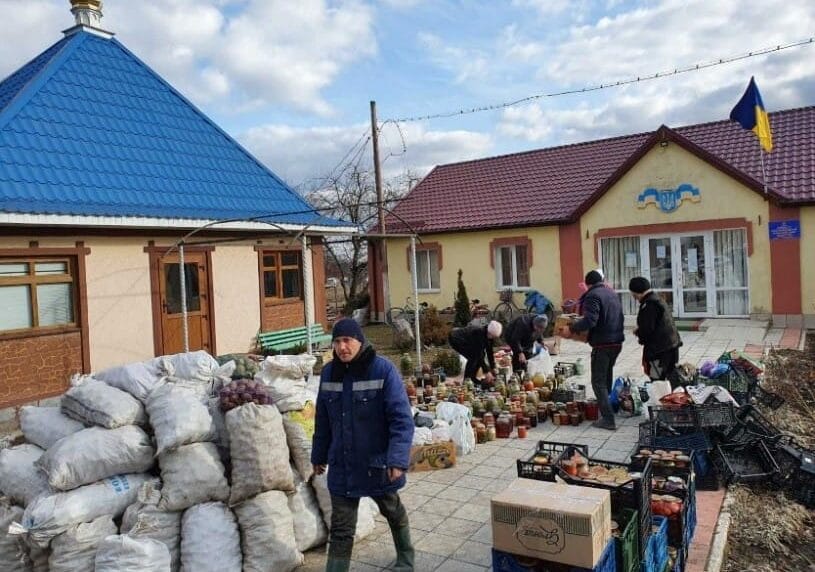
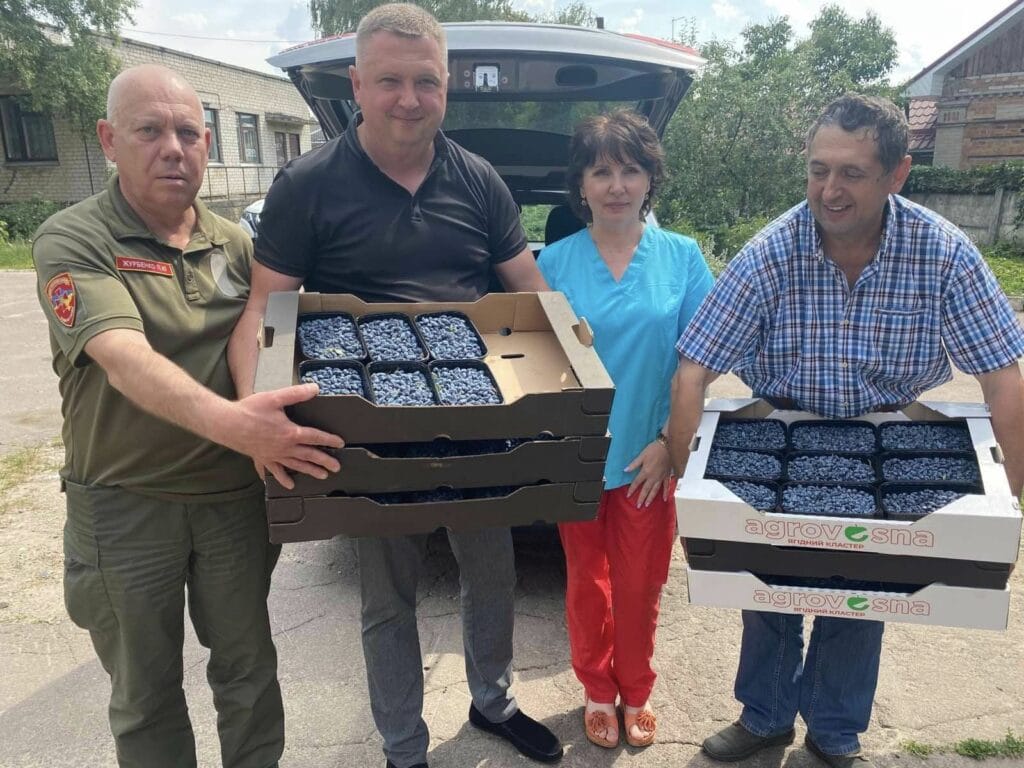
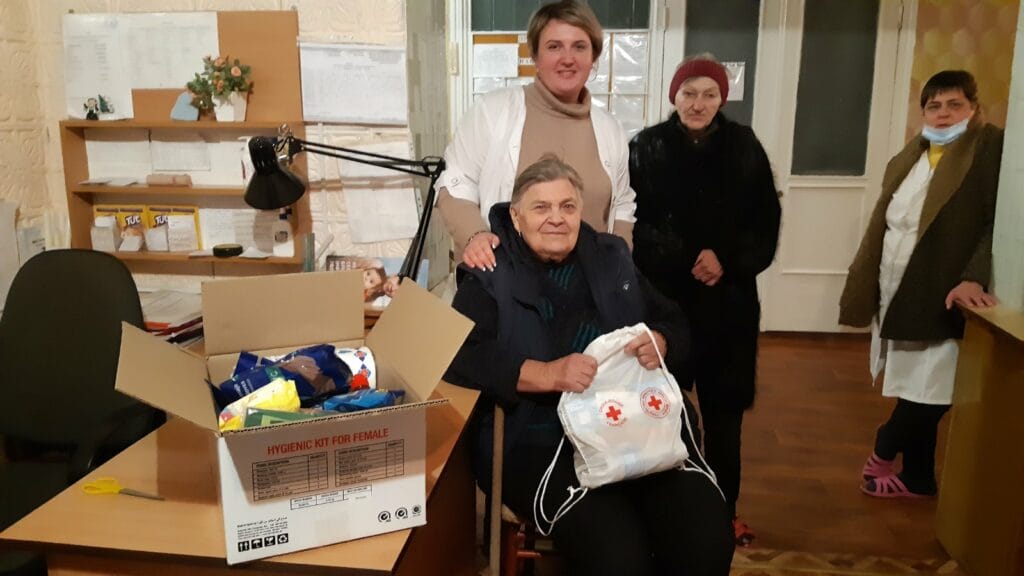
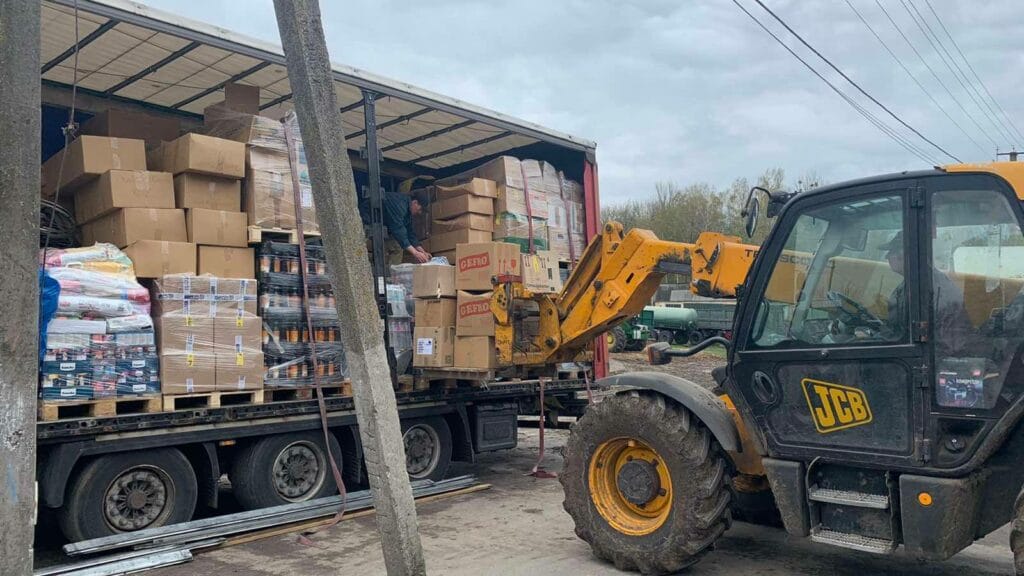
Since the beginning of the full-scale russian invasion, the volunteer movement in the community has activated.On the joint initiative of Raihorodok Village Head Maksym Samchyk and the CEO of the Ukrainska Yahoda Company, employees of the Raihorodok Village Council joined the collection of berries for defenders.Also, with the assistance of the Village Head and thanks to the help of the International Committee of the Red Cross in Ukraine, internally displaced persons from temporarily occupied territories and combat zones living in the community received food and sanitary and hygiene kits.The community received humanitarian aid from German friends from the town of Memmingen which was immediately distributed among those residents who needed it.
History
According to legend, the village of Raihorodok appeared during the times of Kyivan Rus. The castle, which was built in the 11th century, belonged to a prince named Rei (Rai). The settlement that formed around the castle was called Rai’s Town (Rai’s Horod). Later, this name changed to Raihorodok. They also say that the name of the village came from the picturesque beauty of the area – a heavenly place, a heavenly corner (“rai” means “paradise” in Ukrainian).
Raihorodok is also known as a former Jewish town. It had long had a powerful Jewish community. The village had its own synagogue (and an Orthodox church, as well as a Catholic church). A kagal – the board of the Jewish community – operated in Raihorodok.
The village really flourished in the middle of the 19th century, when Mieczysław Ludwik Mazaraki took possession of Raihorodok.
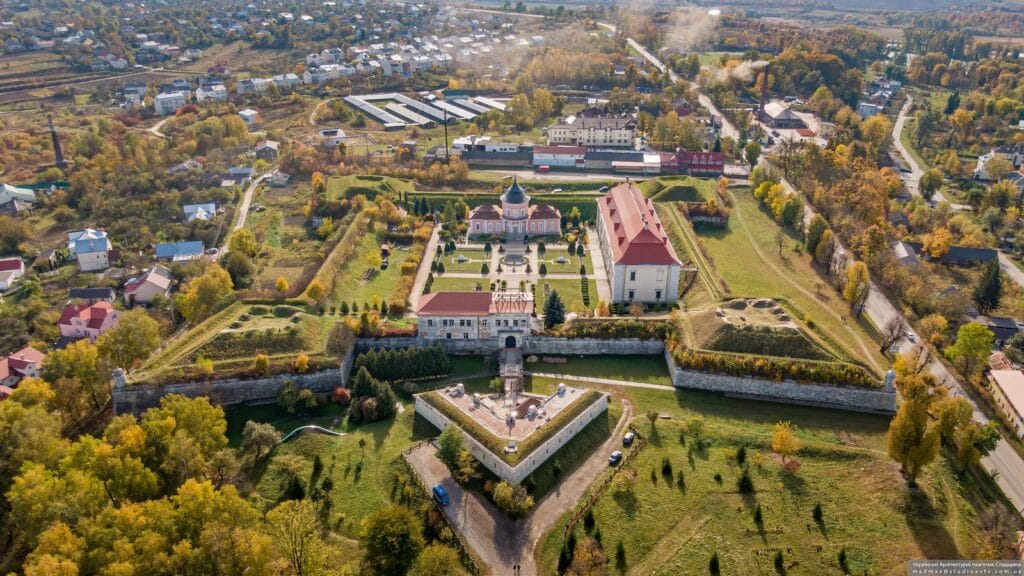
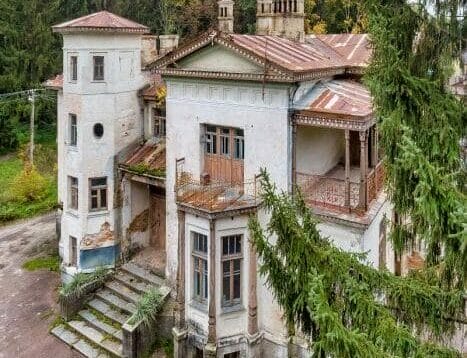
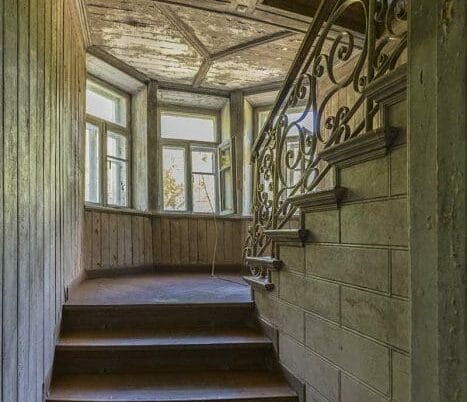
In the center of the village there is an old park, in which a villa built in 1887 by Mieczysław Ludwik Mazaraki, a nobleman of the Nevin Coat of Arms, who was a representative of the Kyiv (Border) branch of the Mazaraki family, has been preserved. The original appearance of the building reached us almost unchanged.Maria Mazaraki, the last owner of the manor, said that the interior of the house was decorated with wood of different shades, the parquet and wall paintings were made by Warsaw masters, the dining room was decorated with rare samples of old porcelain and furniture in the Gdańsk style. The park and garden of the estate were considered one of the best in Ukraine at that time. Palm trees, pineapples, orange and lemon trees, various subtropical plants and roses grew there.
Development Strategy
The Raihorodok community has an approved Development Strategy until 2027. Among the main priorities of community development are: development of infrastructure, development of small and medium-sized businesses, site improvement, development of tourism, and rural (green) tourism in particular, creation of public spaces, support of youth and provision of quality leisure time, creation of a safe environment.
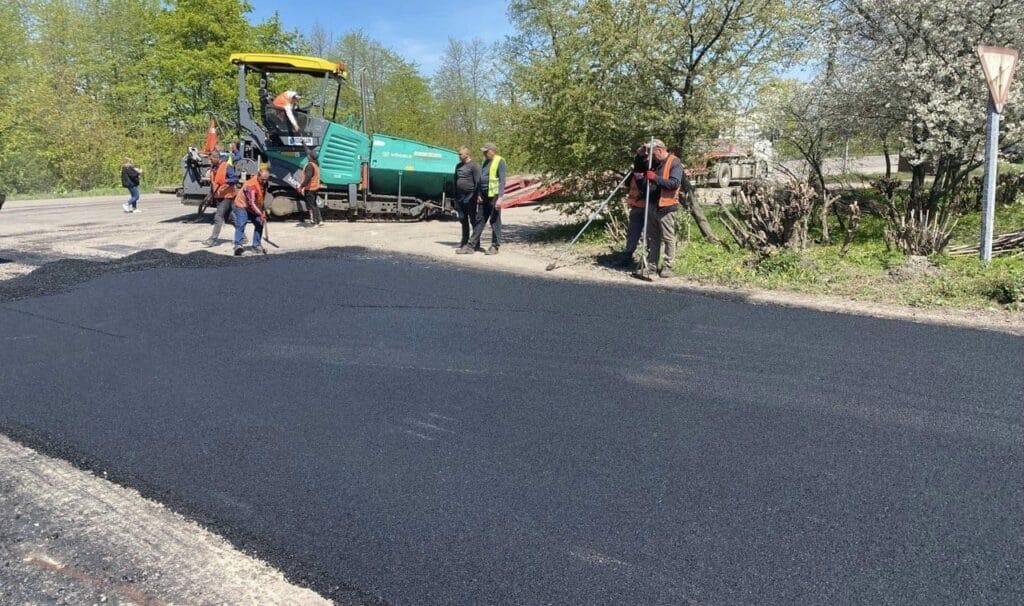
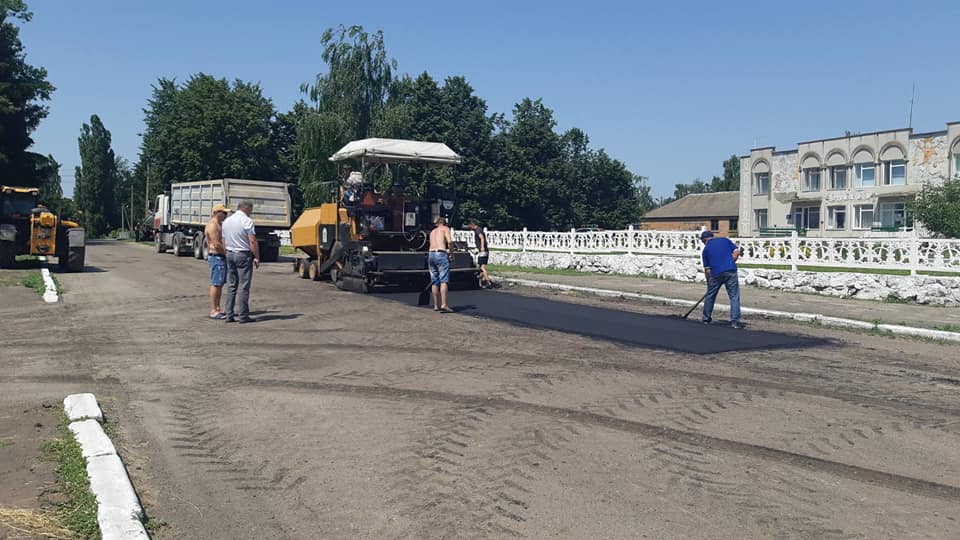
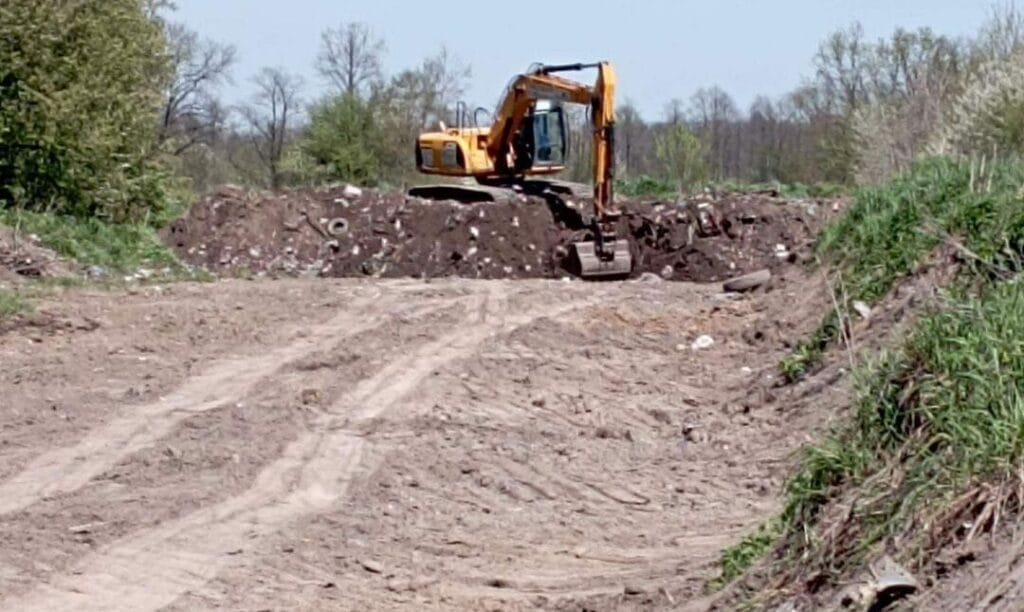
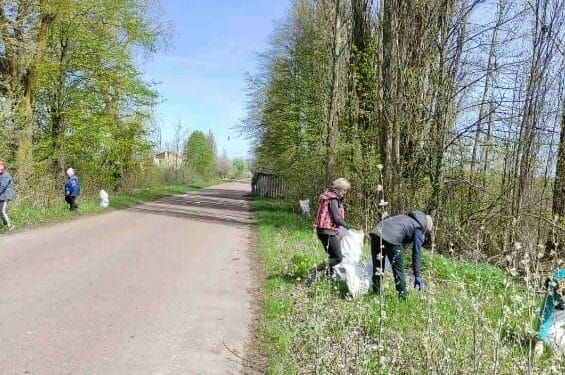
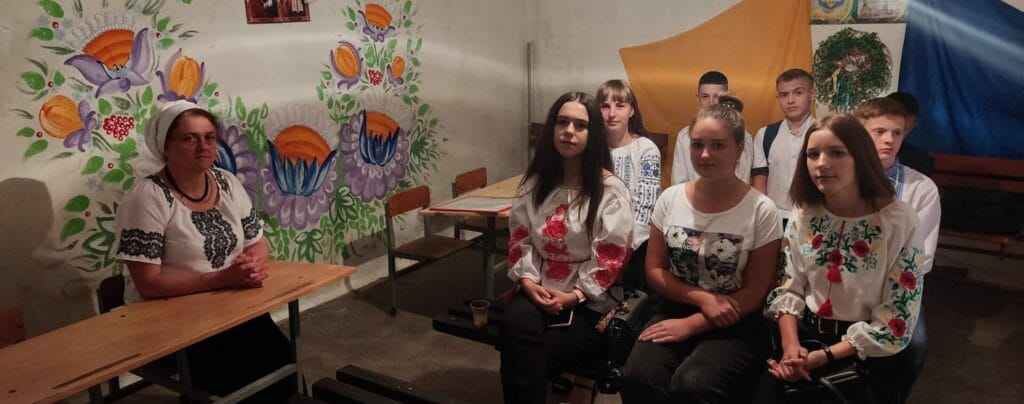
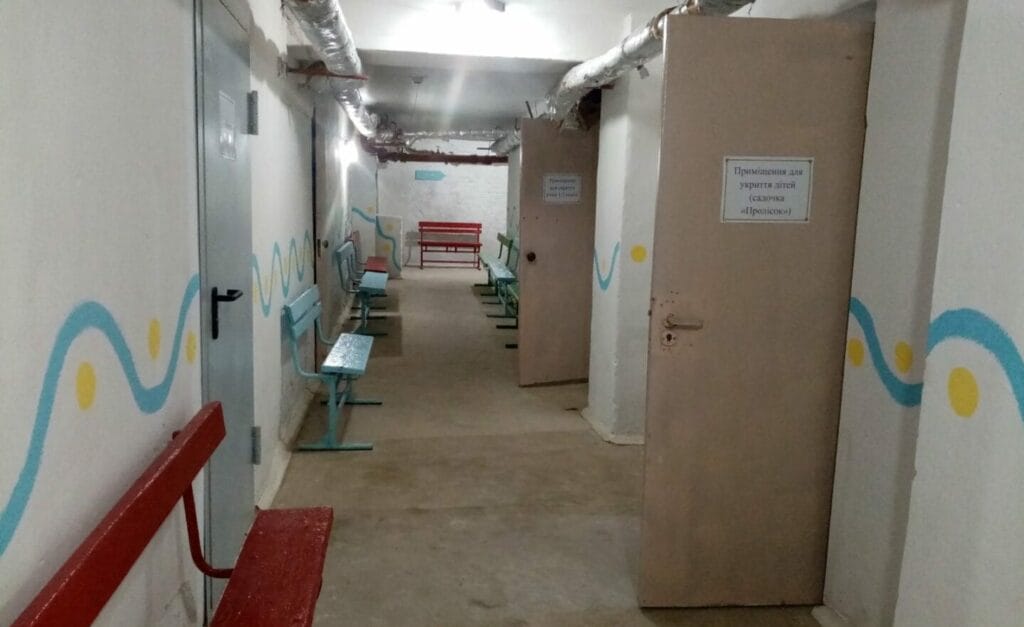
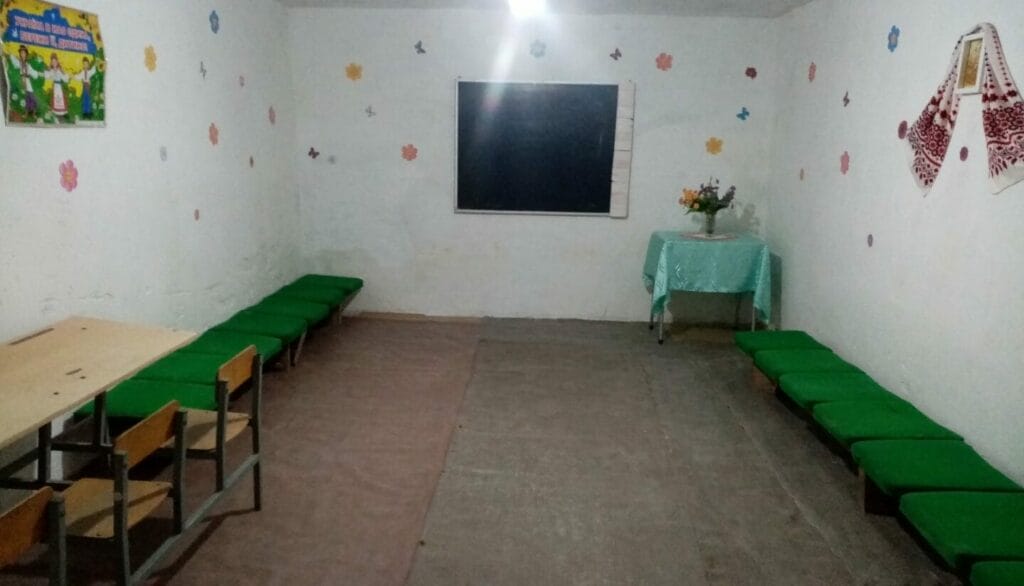
Site improvement is an important part of community development, as it is an indicator of its well-being and tourist attraction. That is why road repair is one of the priority areas of work of the Raihorodok village council. Thus, during 2021-2023, repair works of communal roads were carried out in most population centers of the community.The problem of waste management remains relevant both in the country as a whole and in the community, because it is one of the factors that affects the ecological situation and the state of health of our residents. That is why work is being carried out in the community to organize certified and spontaneous landfills.It is worth noting that the residents of the community are actively involved in all initiatives aimed at bringing their population centers to a proper sanitary condition.To create a safe educational space, shelters were set up in educational institutions. Today, all educational institutions of the community have their own basement-type shelters, which makes it possible for them to work in offline mode.
LIST OF SOURCES
- Official website of the Raihorodok community
- Facebook page of the Raihorodok community
- Facebook page of the Manor Syla
- Information and analytical publication TIMES.ZT
- NewsDKS information agency All News
- INDUSTRIAL PORTAL website #1 about the development and industry of Ukraine
- ukrainaincognita.com
- berdychiv.in.ua
- zhitomir-online.com