Opishnia Territorial Community
- Type: Rural
- Population: 9,872
- Civil defence
- Employment
- Energy transition
- Increasing competitiveness
- Tourism
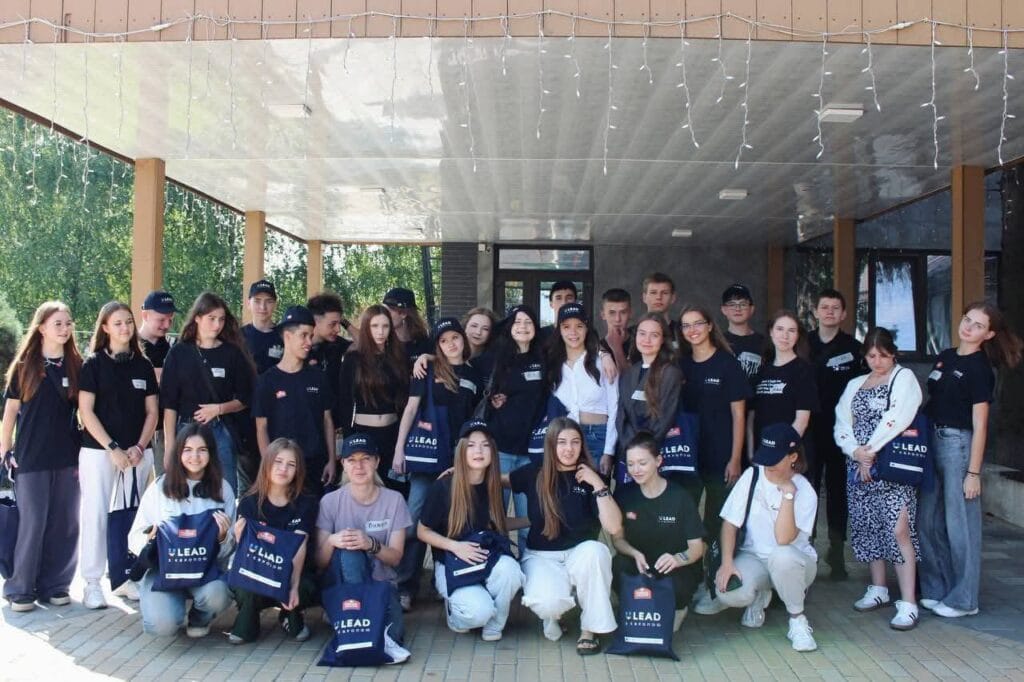
The Opishnia territorial community is, above all, about its people. Active youth, educators, artists, entrepreneurs, and local leaders create a dynamic environment where ideas turn into real initiatives.
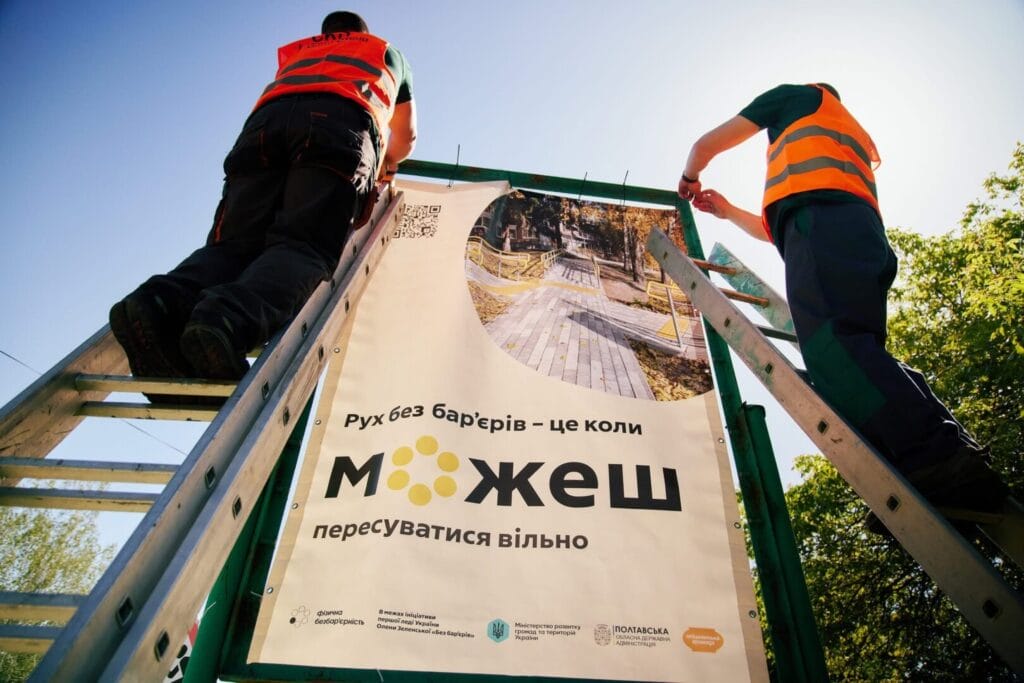
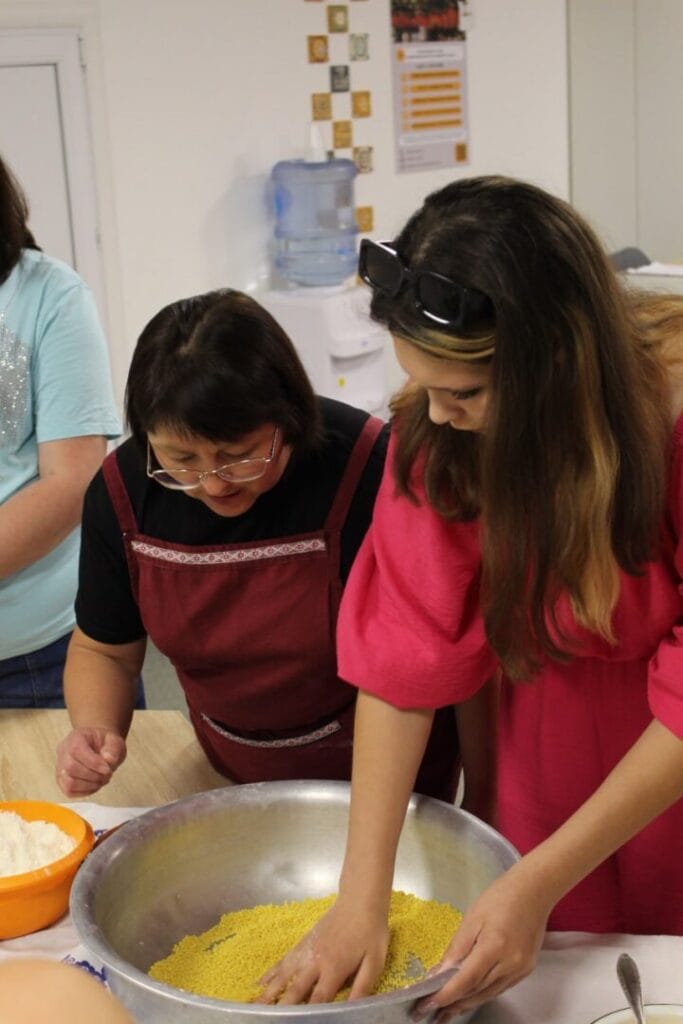
Local residents are actively engaged in community life: they participate in traditional “Trails of Health” cycling tours, attend workshops, cultural events, and take part in joint initiatives. This creates a strong sense of interaction, development, and mutual support.
Despite the challenges of war, the community has demonstrated a high level of cohesion by welcoming internally displaced persons and helping them integrate into local life. This openness and support are an important part of the community’s shared values.
People are the driving force behind Opishnia’s development — preserving cultural heritage, creating new opportunities, and building partnerships for the future.

Community and War
The war made significant adjustments in all spheres of life. Currently, the main efforts are aimed at supporting IDPs and ensuring the safety and stable life of the community.
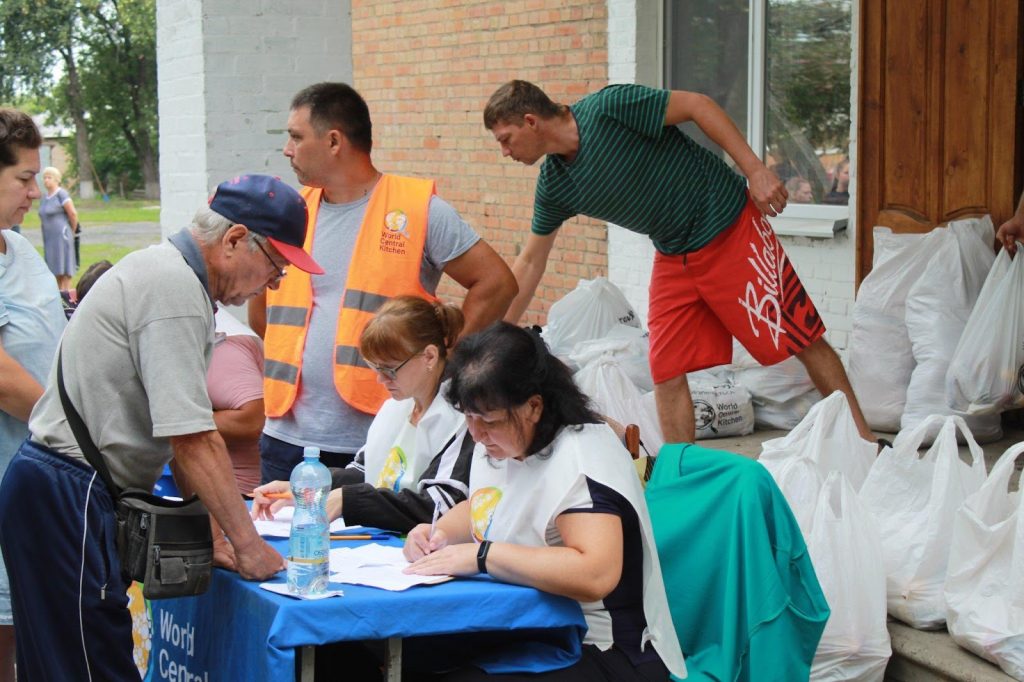
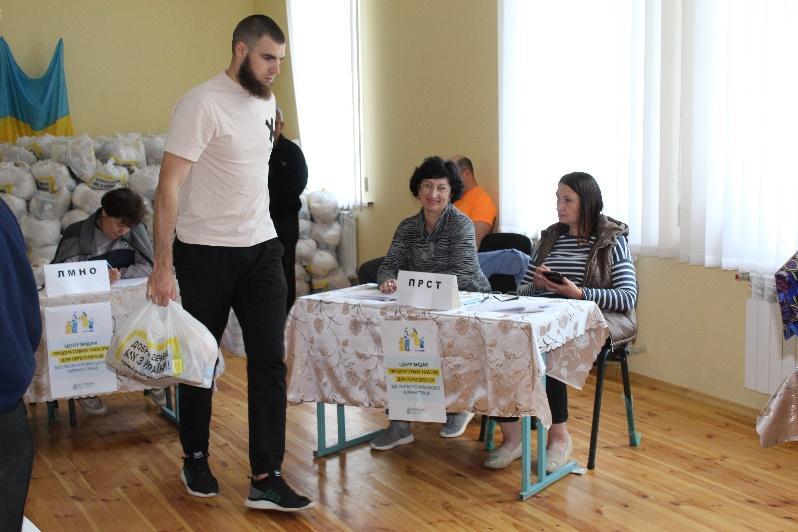
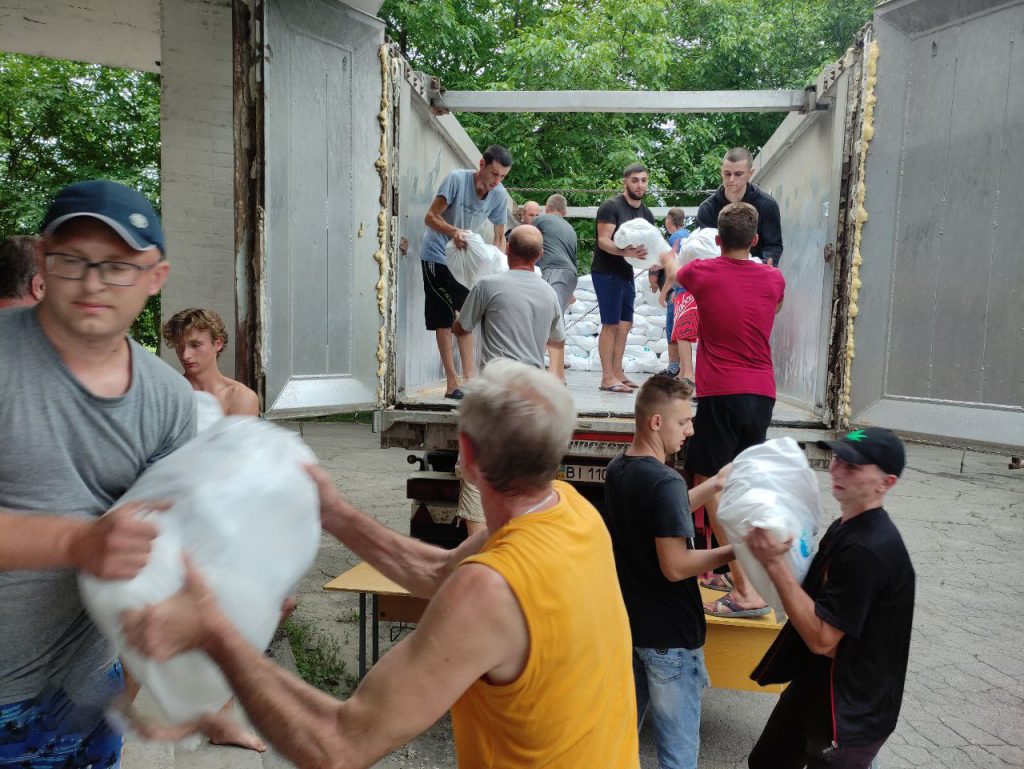
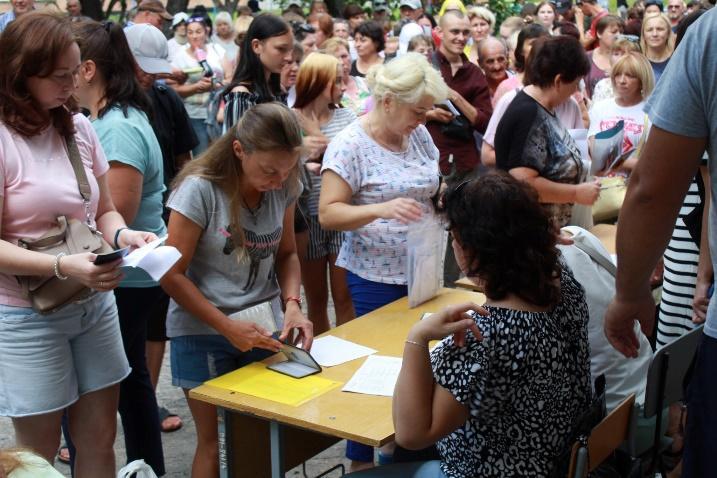
Since the beginning of the full-scale invasion, the Opishnya community has received approximately 2,500 people. Currently, there are about 1,700 registered IDPs. All enterprises, institutions and people responded quickly to any urgent problems, so the joint work was well-coordinated and productive. The large influx of IDPs led to active work to provide housing and the most necessary things: food, clothing, medicine, support and psychological assistance to the needy.Now, the community has 5 places of compact accommodation for IDPs, where about 250 people currently live. About 1,000 IDPs have been resettled in the private sector.
A humanitarian headquarters has been established in the community to provide assistance to IDPs and persons in difficult life circumstances.
History
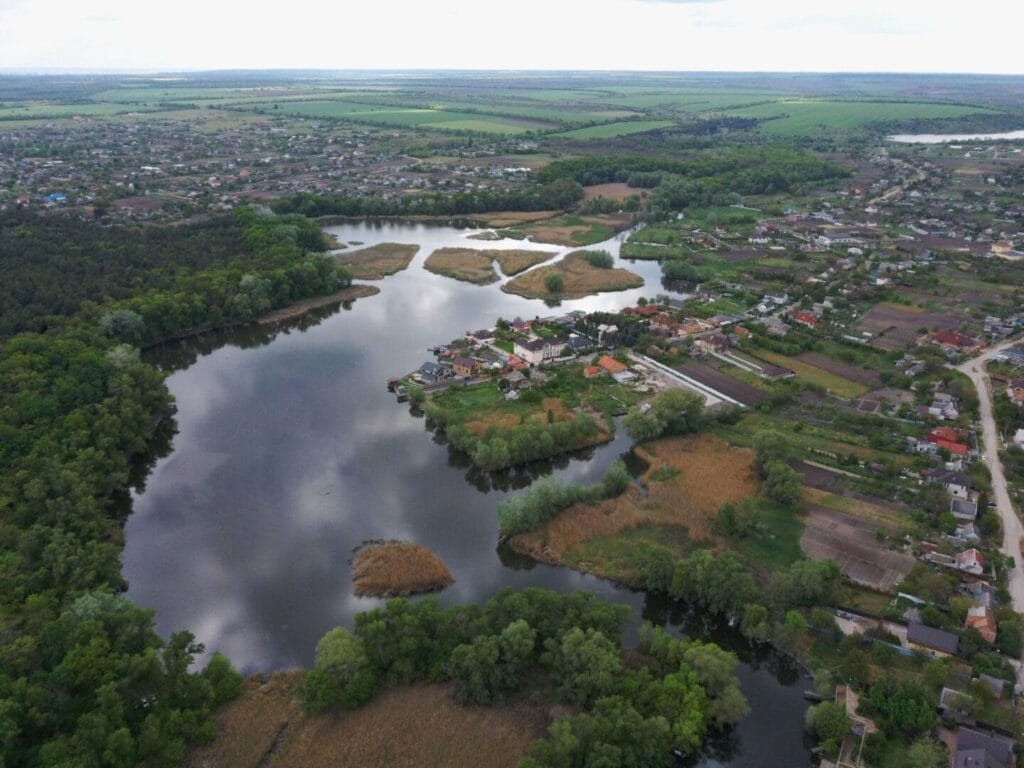
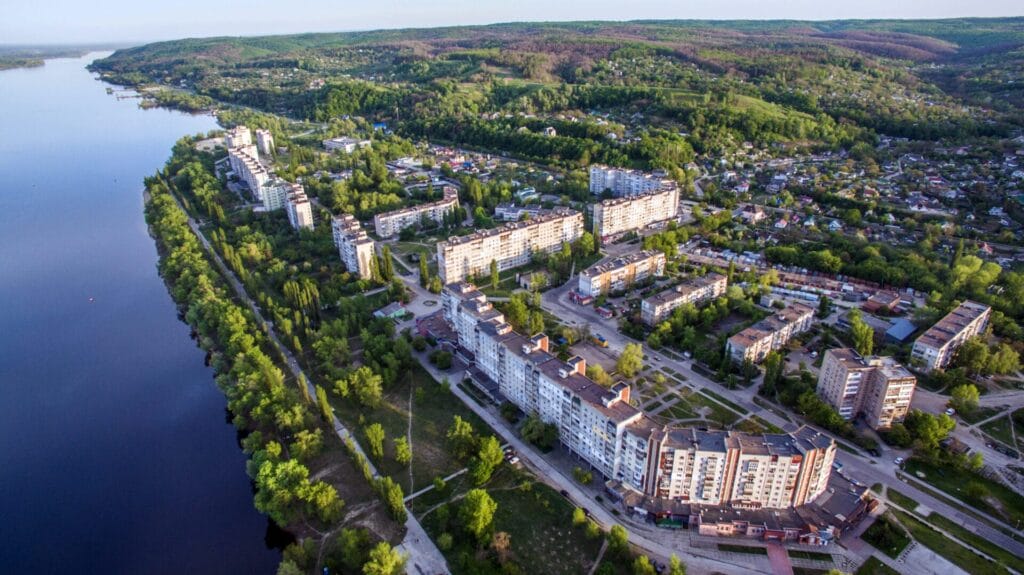
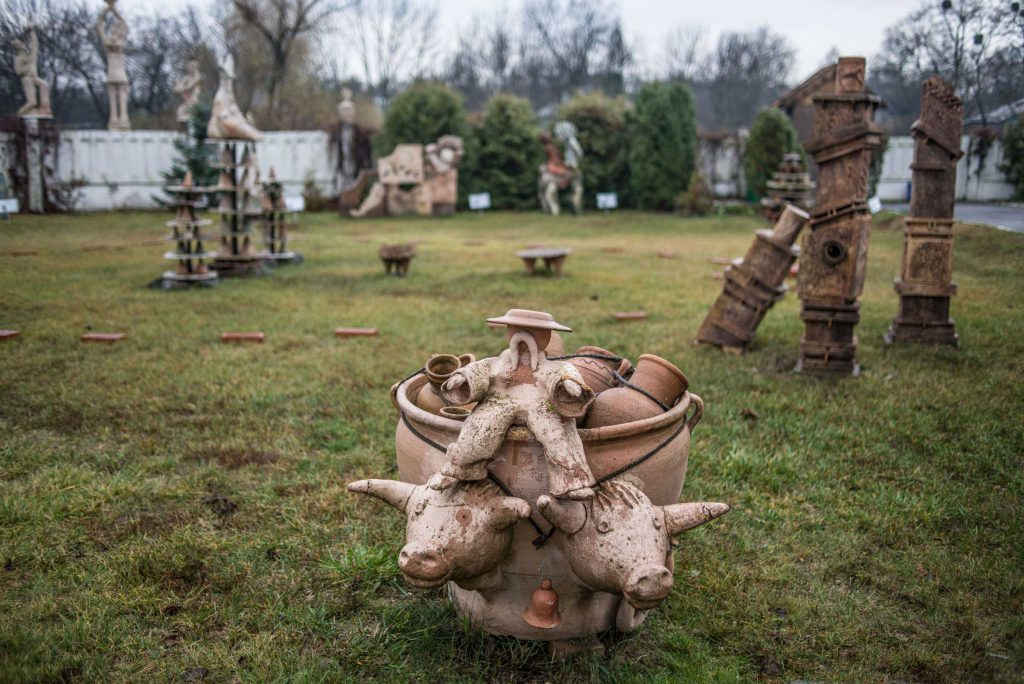
An ancient Cossack town, Opishnya is located on seven picturesque hills above the Vorskla River and is also known as “Ukrainian Rome”.
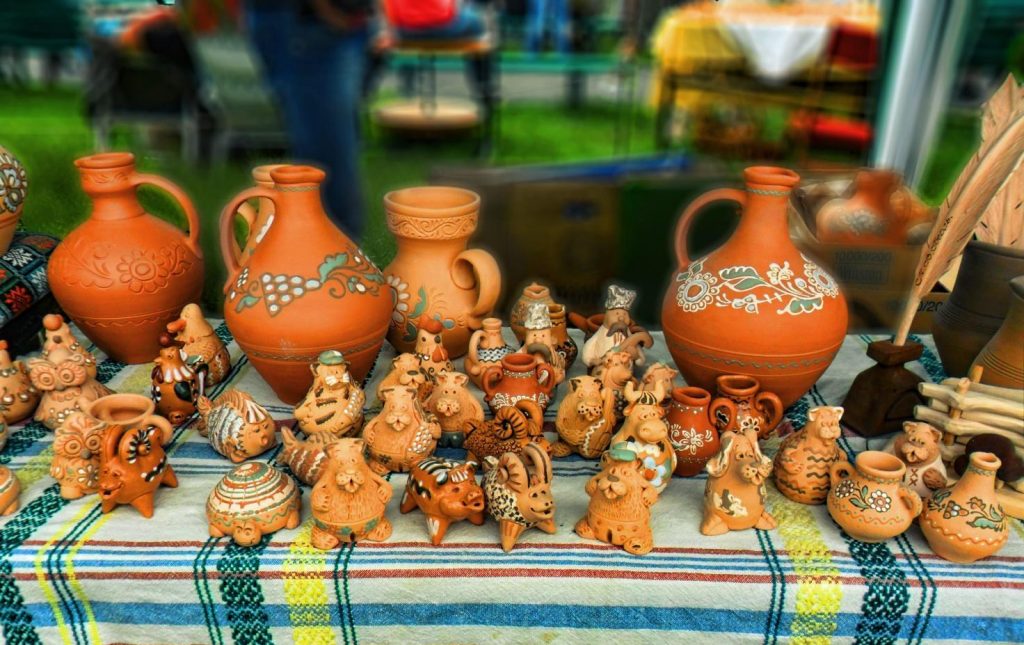
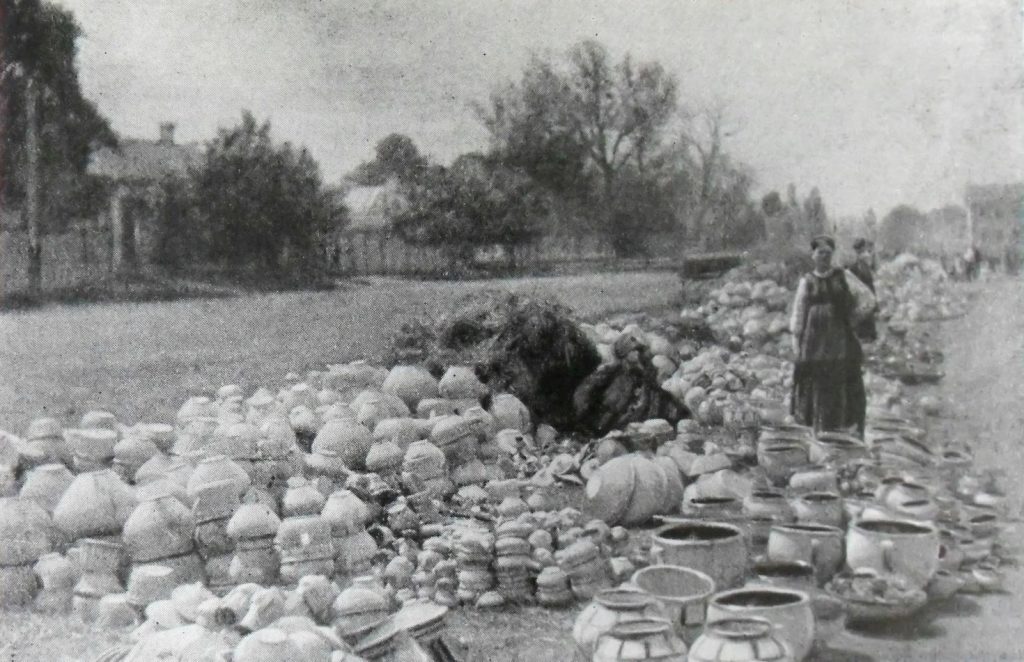
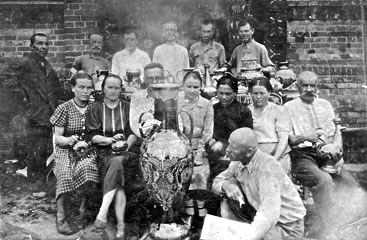
Archaeological finds proev that there were several hill forts at this place even B.C. However, the first written mention of “Ukrainian Rome dates back only to the 12th century. Over the past three millennia, pottery has developed intensively on the territory of the settlement. In the late 19th and the early 20th centuries, about 1,000 potters worked in the town, whose products were exported to almost all continents of the world.After the Union of Lublin of 1569, Ukrainian lands became part of the Polish-Lithuanian Commonwealth. At that time, Opishnya was a significant trade and craft centre, and from the first half of the 17th century it enjoyed Magdeburg rights. In 1654, Bohdan Khmelnytskyi received personal ownership of the town of Hadyach with surrounding villages and towns, including Opishnya.
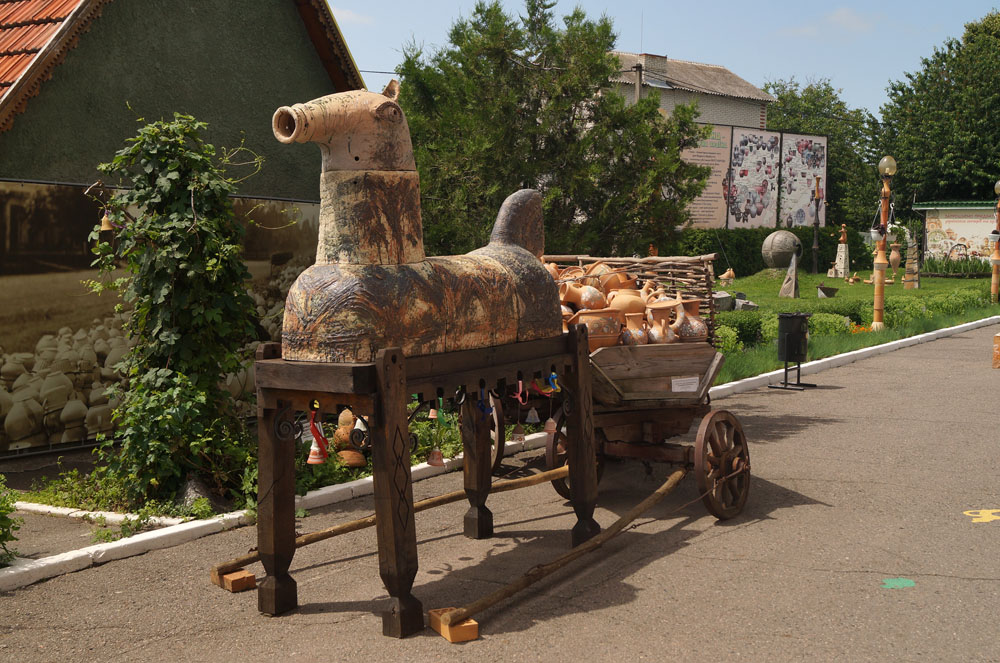
The restructuring of economic life in 1985−1991 influenced the development of the Opishnya economy. A gradual transition to market relations took place, the rights of 40 enterprises, institutions, and organizations were expanded.On the territory of the community, there were constant wars, famine, forcible dispossession, and the Red Terror, but this did not prevent the population from developing its ceramic activity, and the products of Opishnyans went around the world. They were admired in different corners of the planet at various exhibitions, competitions, and festivals. In November 1986, the Museum of Pottery was founded, which has the status of National. It is not for nothing that Opishnya is called the capital of Ukrainian ceramics.
Development Strategy
The development of tourism and the agrarian sector of the community is seen as priority areas of the community’s growth.
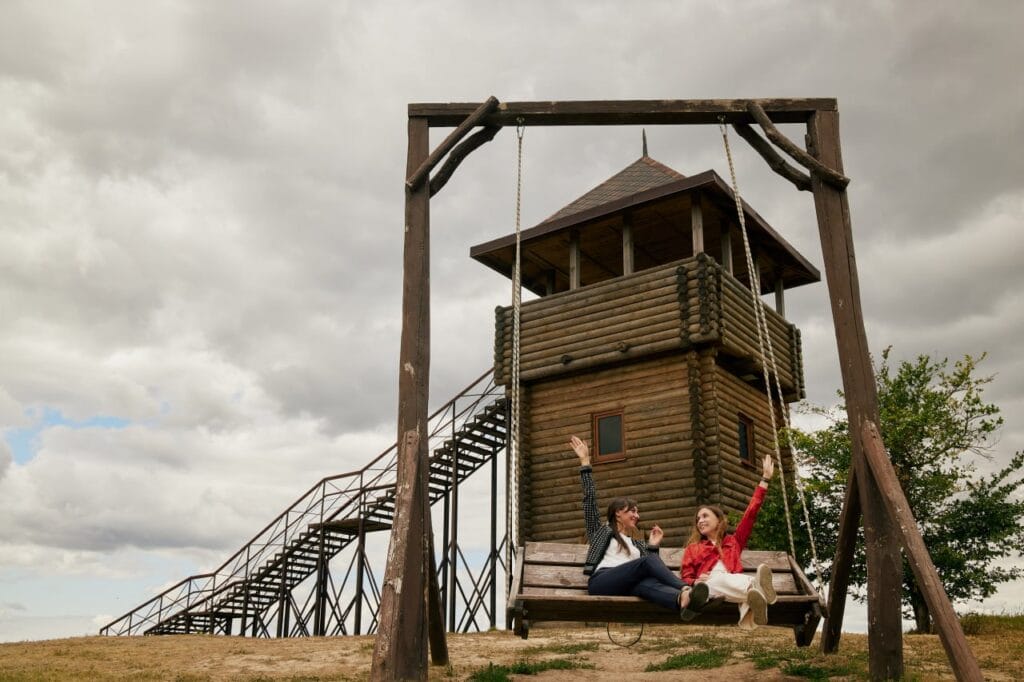
To date, a Tourist Information Centre has been created, tourist routes have been marked, and bicycles, kayaks, etc. have been purchased.
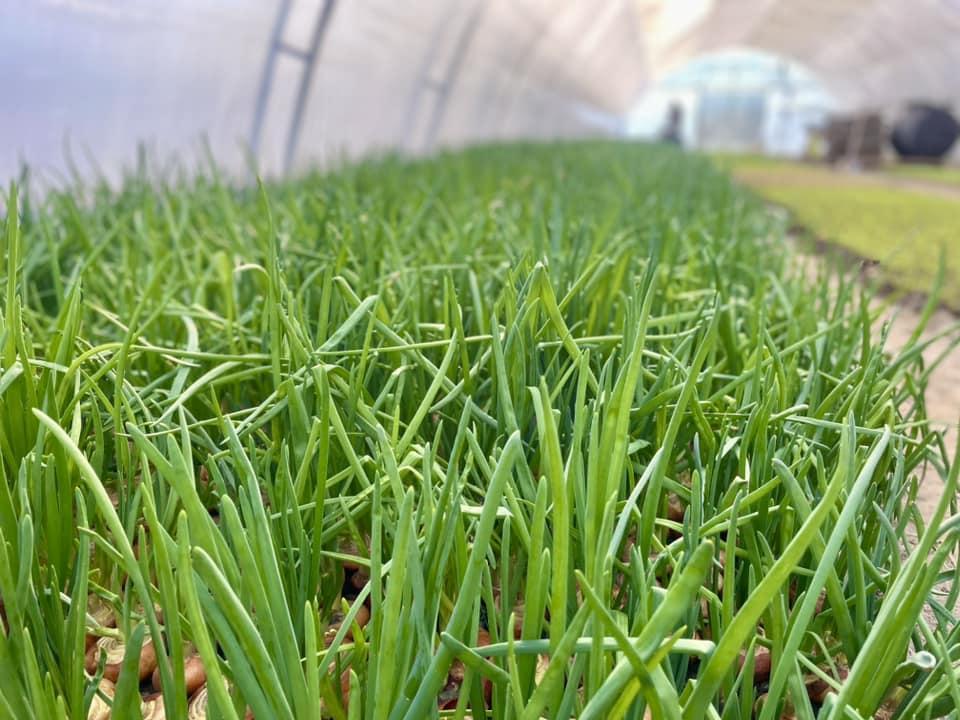
In the conditions of martial law, the Tourist Information Centre has become a hub of psychological and emotional relief for local residents and internally displaced persons.A greenhouse for growing vegetables, greens and flowers was built in the Opishnya community.
Greenhouse products from Opishnya-Agro, a communal enterprise, can already be seen at the market and on store shelves. There are plans to build a complex of greenhouses with a hangar.
Sources
agroportal.ua
opishnya.gromada.org.ua
uk.wikipedia.org
facebook.com
facebook.com/ReznikNikolay
opishne-museum.gov.ua
bilsk.com.ua