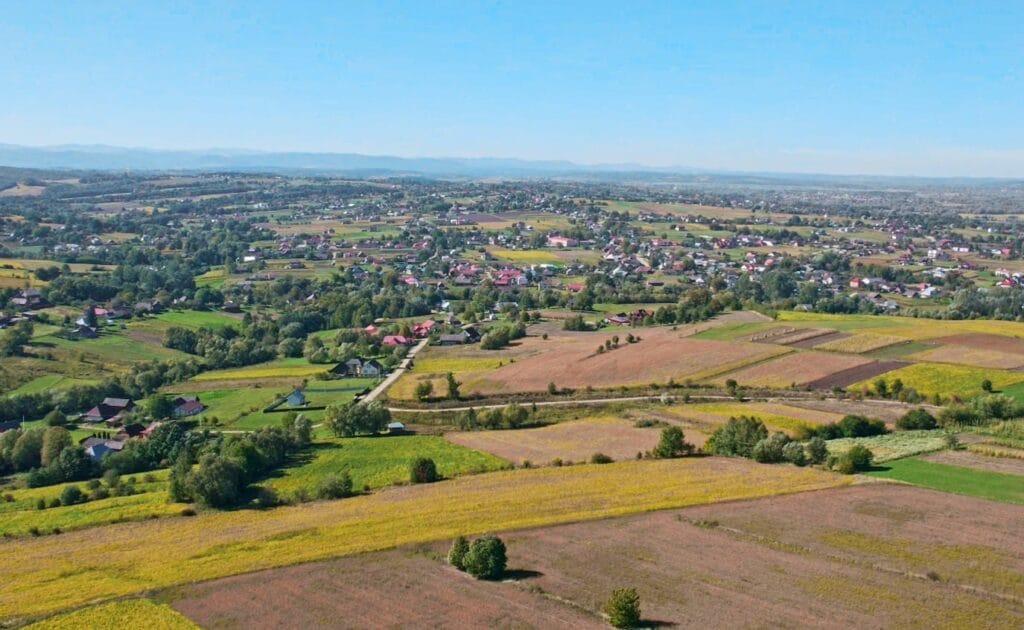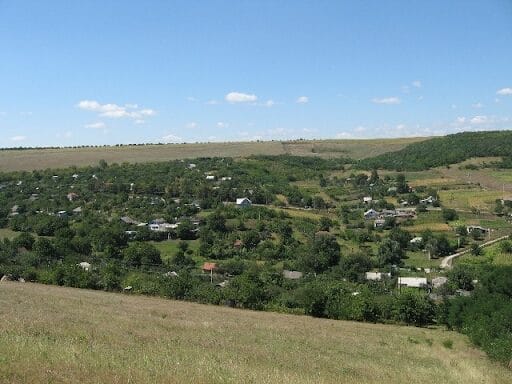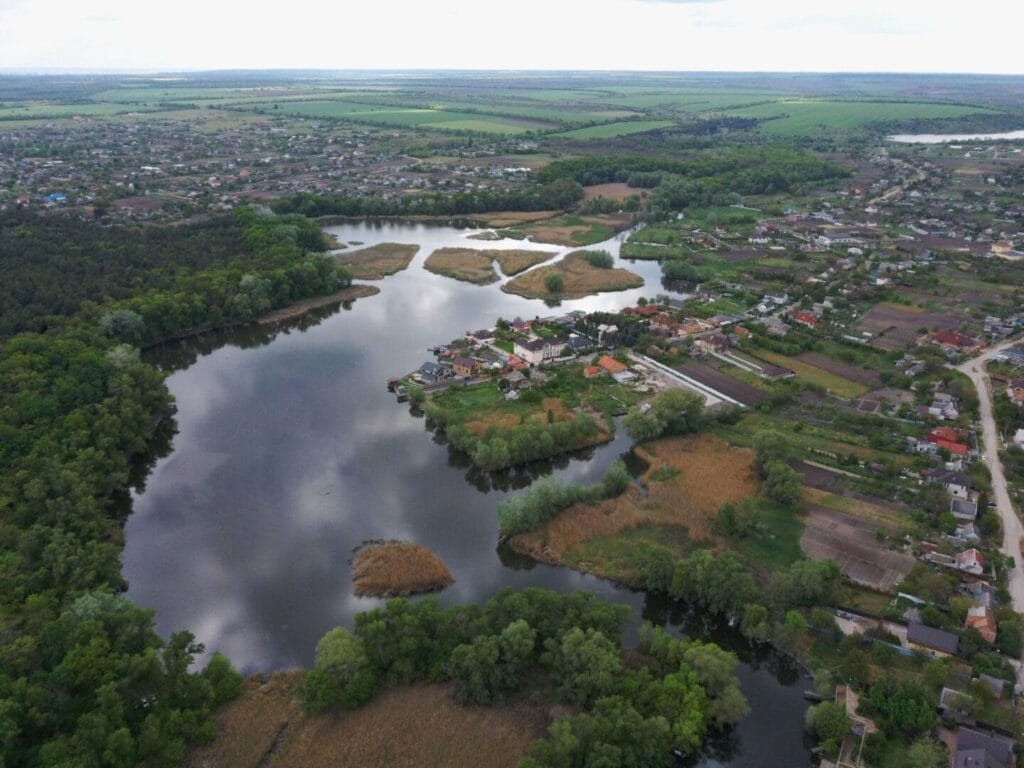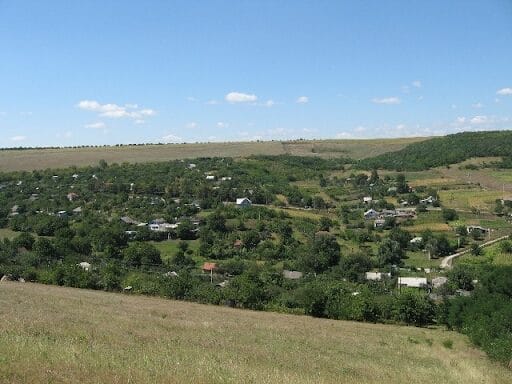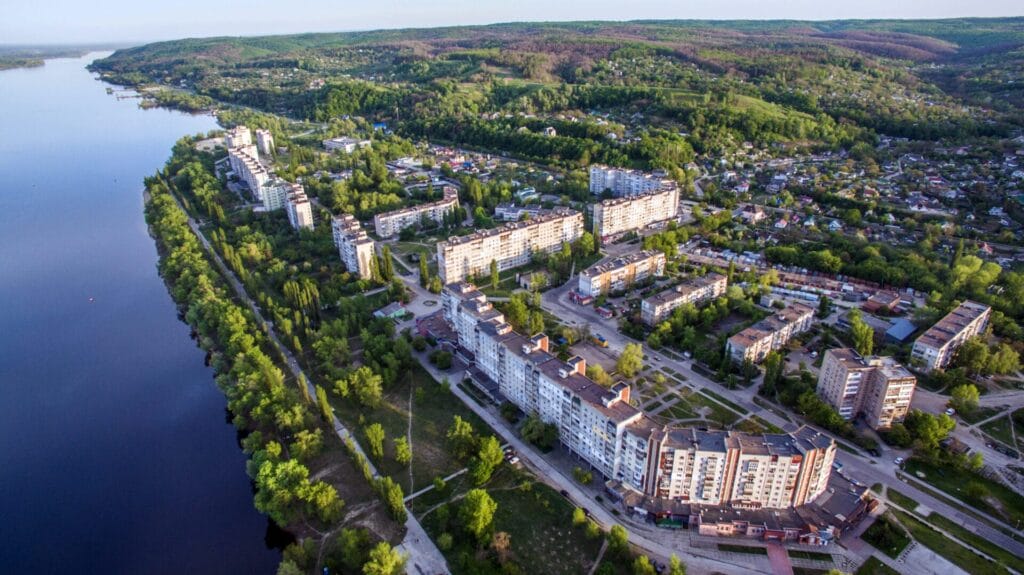
Nemishayeve
- Type: Rural
- Population: 15,950
Community and war
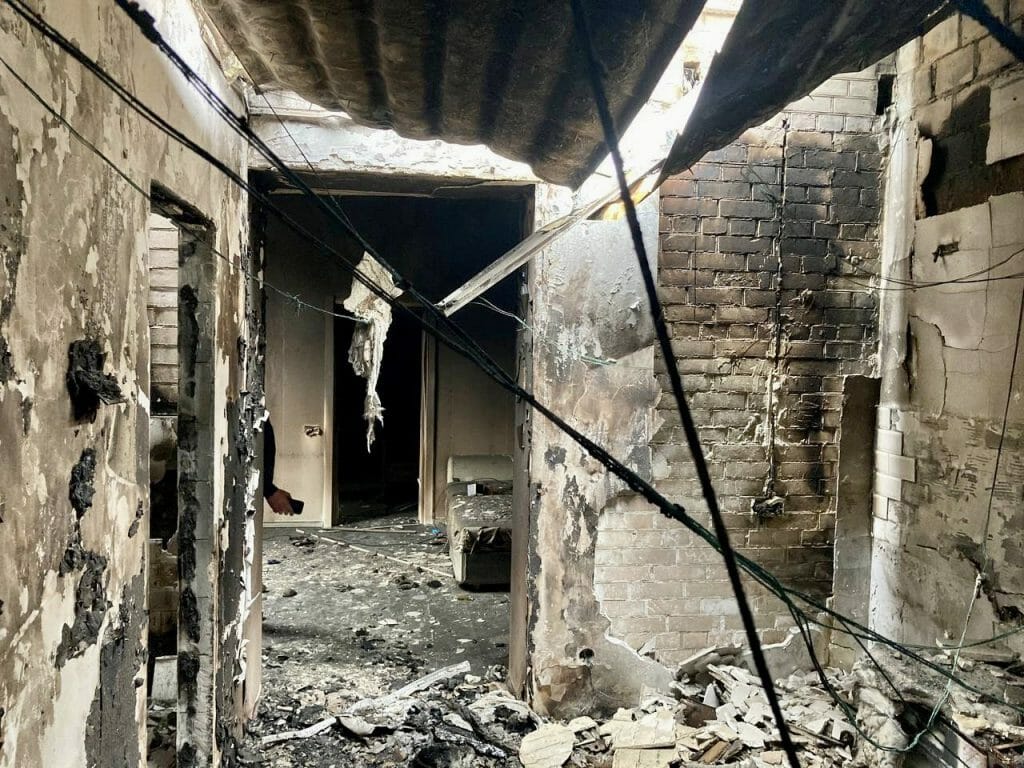
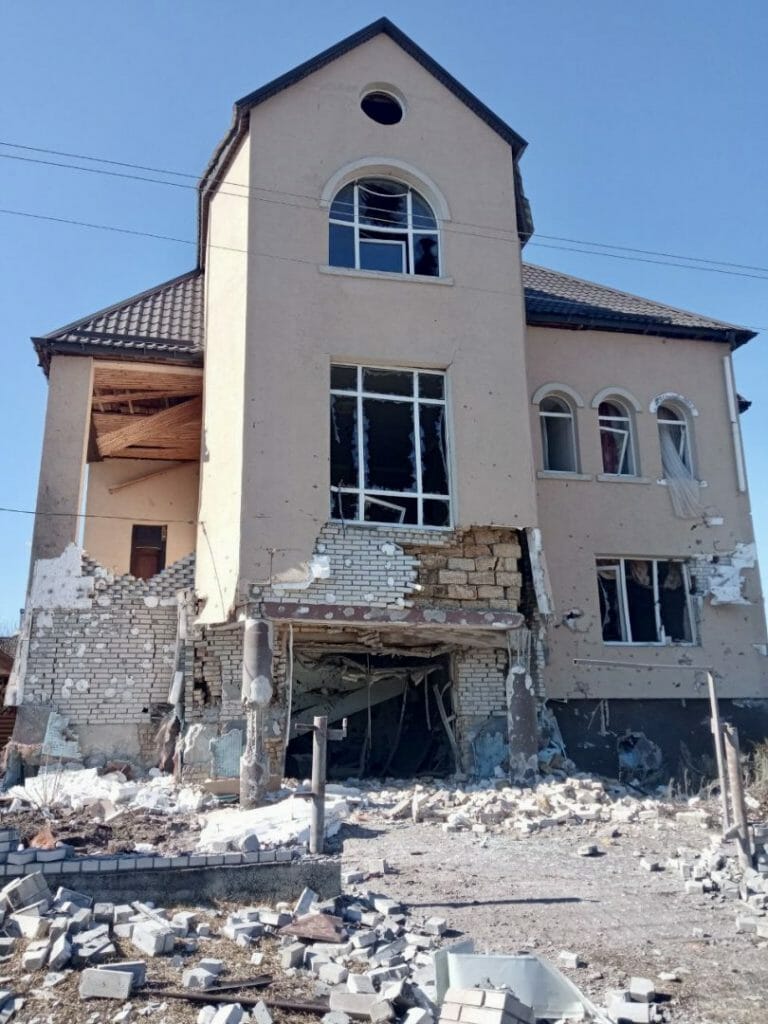
Since the beginning of the full-scale invasion, Russian troops have been shelling the settlements of the Nemyshayeve, and already on March 4, the community was completely occupied and cut off from any supplies, including medical and humanitarian aid.Nemishaiyeve suffered significant destruction. More than 300 objects were damaged – 26 apartment buildings, almost 200 private houses, as well as 9 social infrastructure objects, including schools, kindergartens and a hospital building.Beside the destruction of buildings, there were also casualties among local residents, also among children.
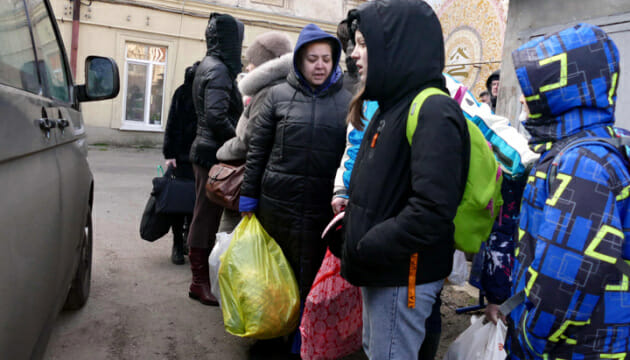
The community was completely cut off from water supply, electricity, and heating, and there was no mobile phone or Internet connection for more than a month. And only on March 12 and 14, it was possible to partially evacuate children, women and the elderly through organized green corridors.
For a month, most of the residents of the community were under Russian occupation and experienced all horrors of war.
During the Russian occupation there were systemic cases of shootings of civilian evacuation vehicles with children.The village of Klavdievo-Tarasove, which is part of the Nemishaive community, is located just 50 kilometers north of Kyiv. Here, the local kindergarten became a shelter for children during the Russian invasion. During the shelling, three dozen children hid in the basement. Also, during the occupation, the basement of the kindergarten turned into a makeshift hospital.
On March 4, two girls from a neighboring village were brought here – a 7-year-old Nastya and an 11-year-old Lida. The evacuation car with them was shot by the Russians. The residents who had any medical skills were called for help.
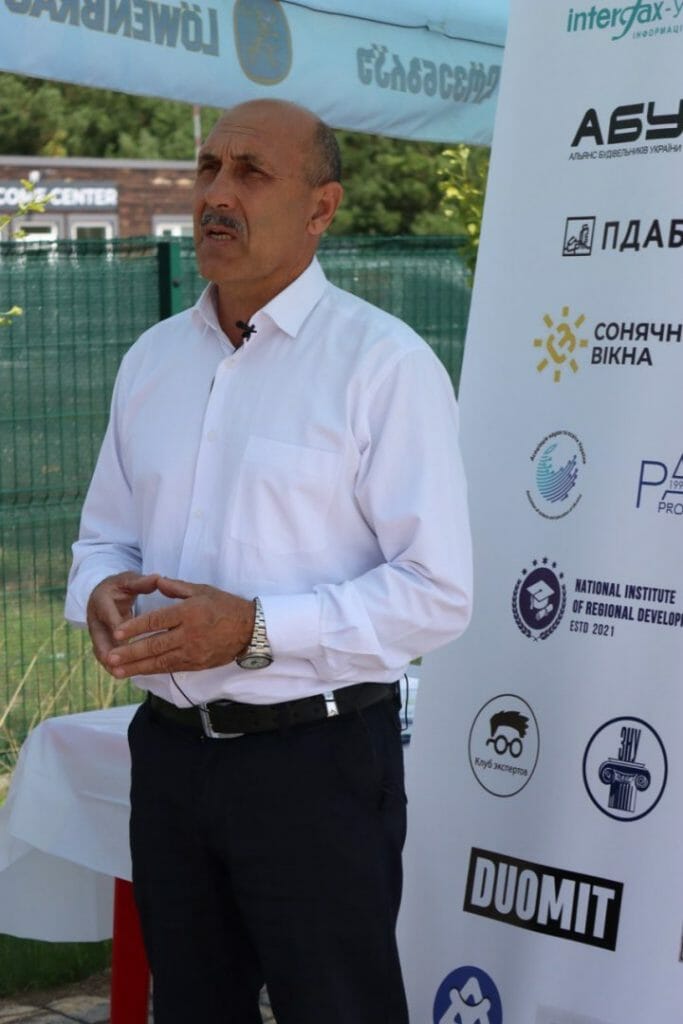
Oleksandr, a veterinarian, lived in front of the kindergarten. He also came to the rescue. During the occupation, there were no medical tools and medicines, so Olexander used the ones he had for the animals. The 7-year-old Nastya unfortunately died at night, but the 11-year-old Lida survived.
Over time, her father took her abroad. A nurse, Natalia, says that during the Russian occupation they had to save other children who were shot by the Russians. But many children did not even get a chance to be saved.From the first day of the full-scale war, he coordinated assistance to the residents of the community who remained under occupation. He managed to organize evacuation corridors, thanks to which hundreds of community residents were able to escape.
To survive the occupation, people learned to bake bread by themselves. The family of the pediatric oncologist Vadym Kobys who works in Kyiv remained in the community under the occupation. On February 24, the family thought that their holliday house in Klavdiyevo-Tarasove was a safer place than their native Kyiv. There was a stove in their house, which the doctor once built by his own hands during one of his previous vacations. The man says that he couldn’t have imagined that it would save his grandchildren from starvation.
The stove saved not only them, but also their neighbors. Everyone who had flour brought it here, baked bread and distributed it among their neighbors.
A stove, in which people baked break under occupation/ Source – ТСН
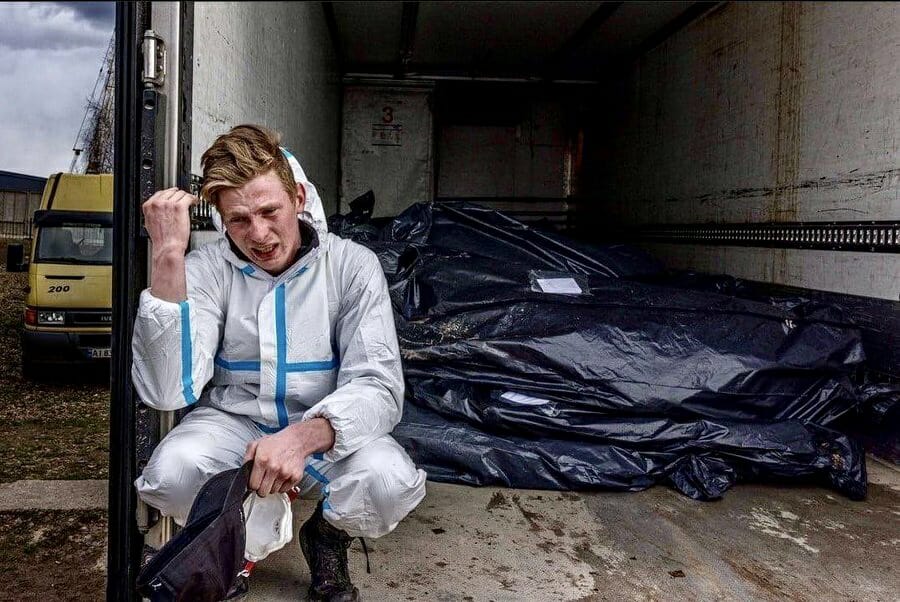
Before the full-scale invasion of the Russian troops into Ukraine, a 24-year-old Ihor Sereda was a manager of a ritual service near Kyiv. When the Russians on tanks broke into Nemishayeve and began to randomly shoot people, he could not hide in the basement, knowing that the shot residents of his native village were lying in the streets. Under the shelling, he buried the bodies of the local residents shot by the Russians. One of the national TV broadcasters – TSN, made his story well-known to the Ukrainian audience.In many occupied villages of Kyiv region, the bodies of dead civilians killed by Russian troops were left in the middle of the streets. Russians did not allow people to leave the shelter to bury their loved ones. However, despite the fear of catching a bullet, 24-year-old Ihor Sereda began to bury the victims. He considered it both his professional and moral duty.
After the Ukrainian army pushed the Russians from Kyiv region, Igor had plenty more work to do. Mass burials of civilians are still found in the liberated villages. Currently, Ihor is engaged in exhumation of bodies throughout the Kyiv region.
But despite the tough schedule, the man says he is still ready to help people who survived the horrors of war to find and bury their loved ones in other liberated regions. Currently he works as a volunteer.
History
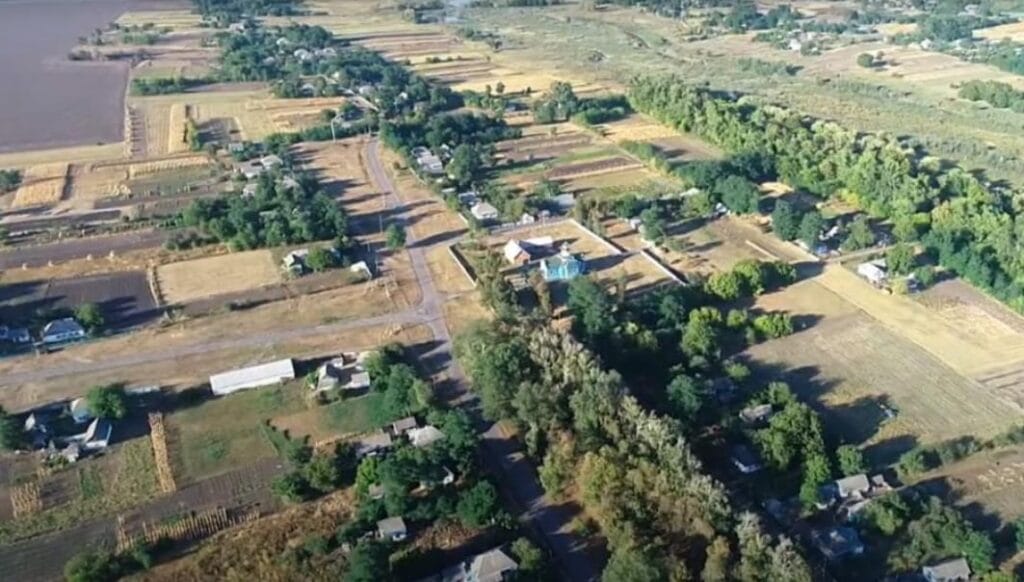
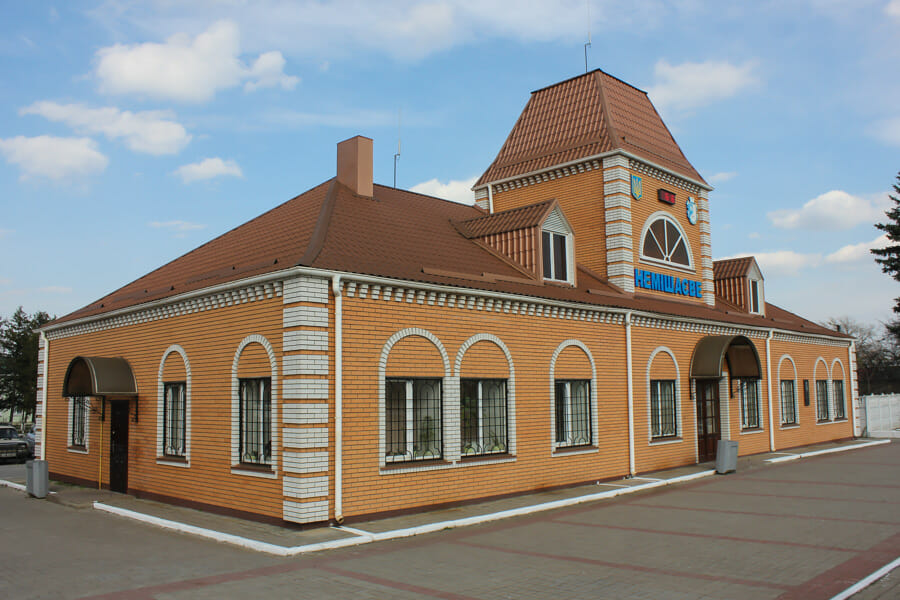
The settlements of the community were formed as early as 1900 during the construction of the Kyiv-Kovel railway.
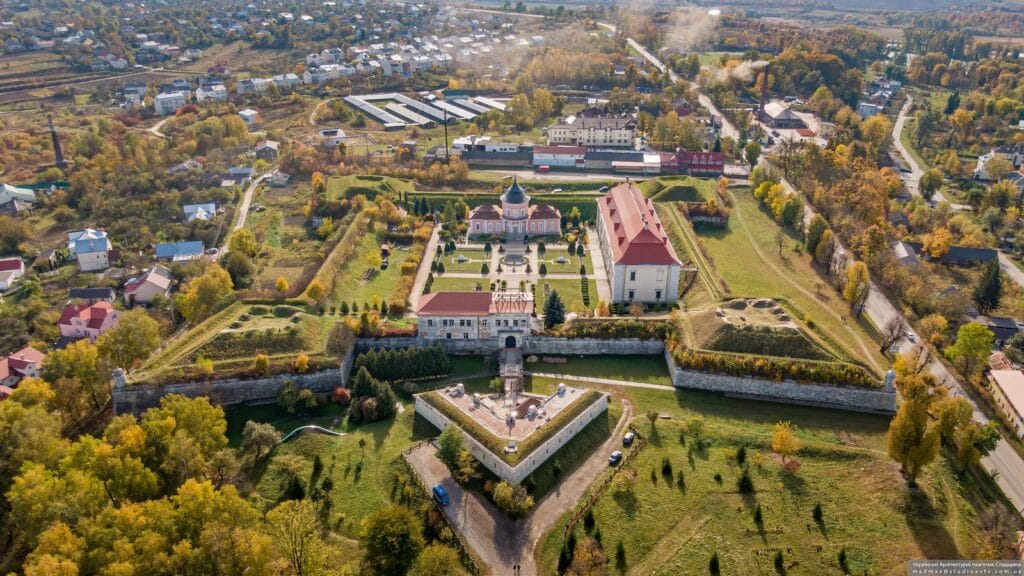
During this time, the community has come a long way from dispersed houses of railway workers to a community consisting of four settlements.There are many historical monuments in the community. A popular attraction of the region is the ruins of the Osten-Saken Palace in Nemishaeve. Here, architects and restorers examine and treasure each brick, trying to recreate history.

Economy and welfare
Agriculture, forestry, fisheries, production of medicines, building materials, furniture, as well as hundreds of small commercial enterprises in the field of services and retail trade constitute the local economy.
The population of the community is mainly employed in industry, forestry and trade.
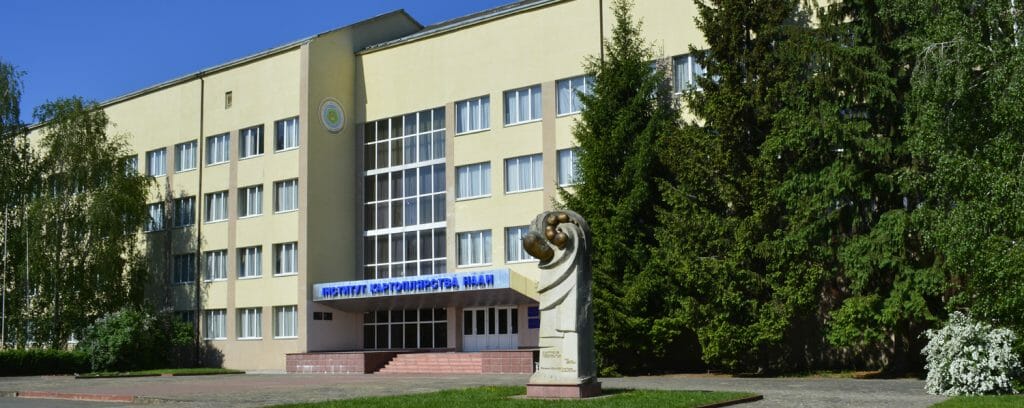
The unique Potato Research Institute, a brunch of the Ukrainian Academy of Agrarian Sciences, has been operating in the community since 1911. Hundreds of people come here every year to buy high-quality seed potatoes.There are 4 schools and 7 kindergartens in the community. School graduates can continue their studies without leaving the community: the Nemishayeve Agricultural Technical College, a branch of National University of Bioresources and Nature Management is located here. The college has a mini-zoo – both children and adults come here to watch ostriches, feed sheep and other farm animals.
Location contributes a lot to the development of the community – the South-Western Railway as well as the Kyiv-Kovel international highway which run through the community allow you to reach Kyiv in just 30-40 minutes.
That is why plenty of young families move here away from the city noise. Before the war, new apartment buildings, recreation areas for residents, shops, sports centers, and children’s clubs appeared here every year.