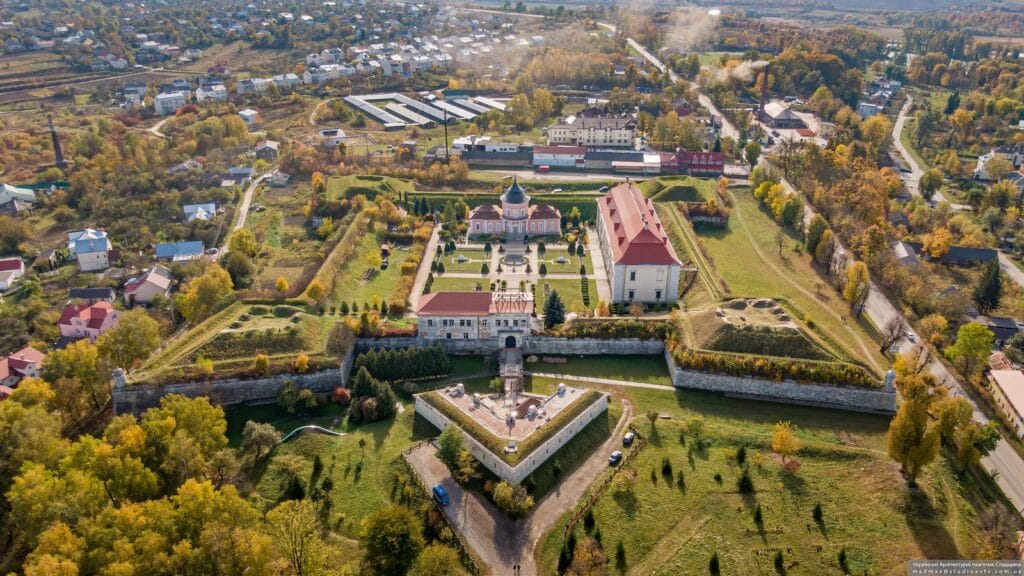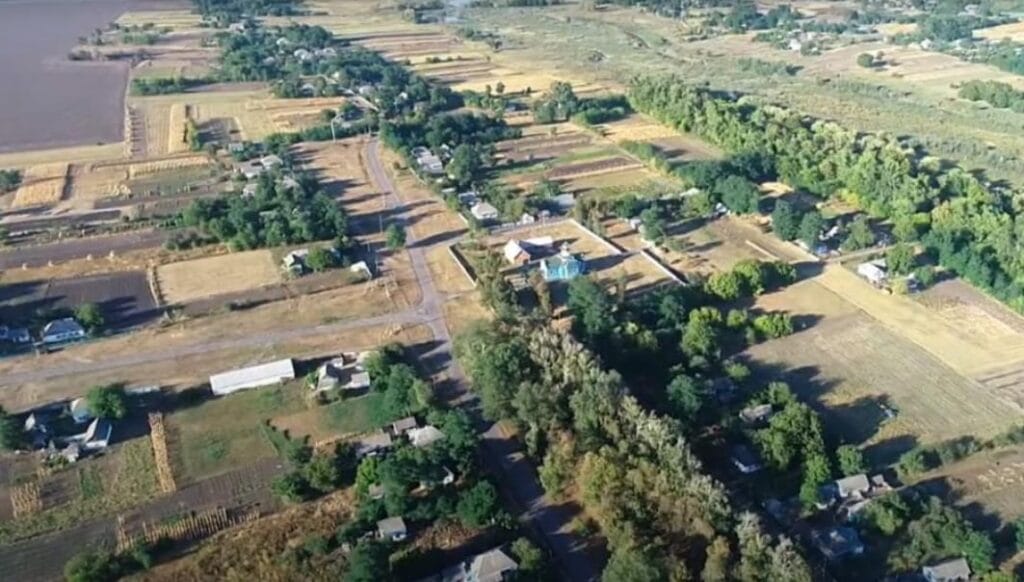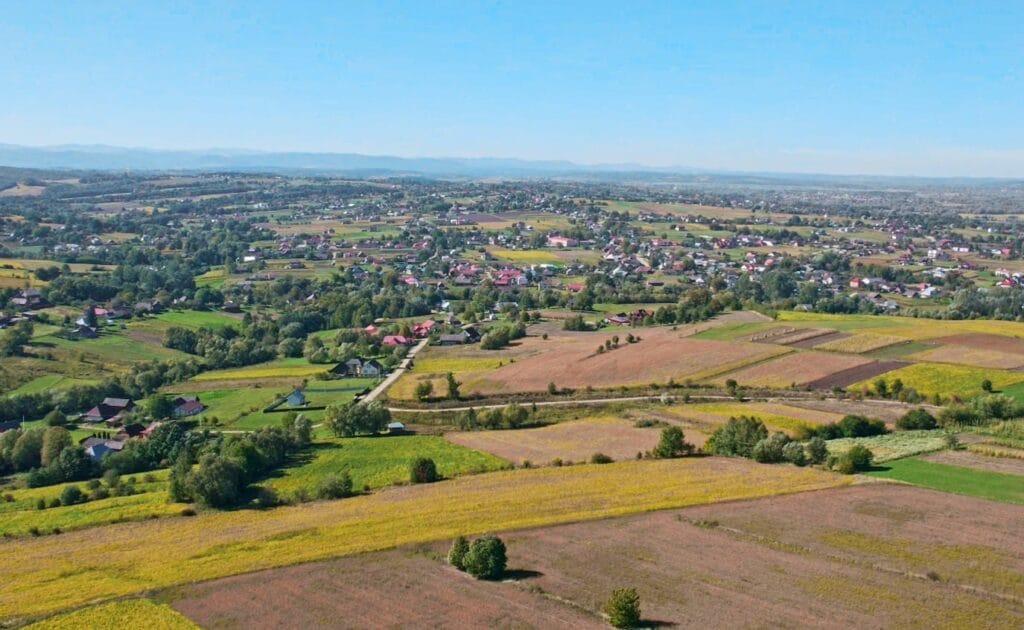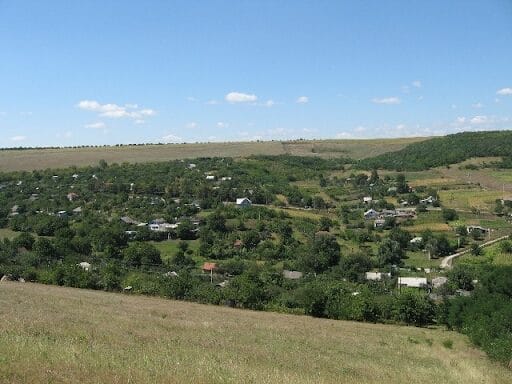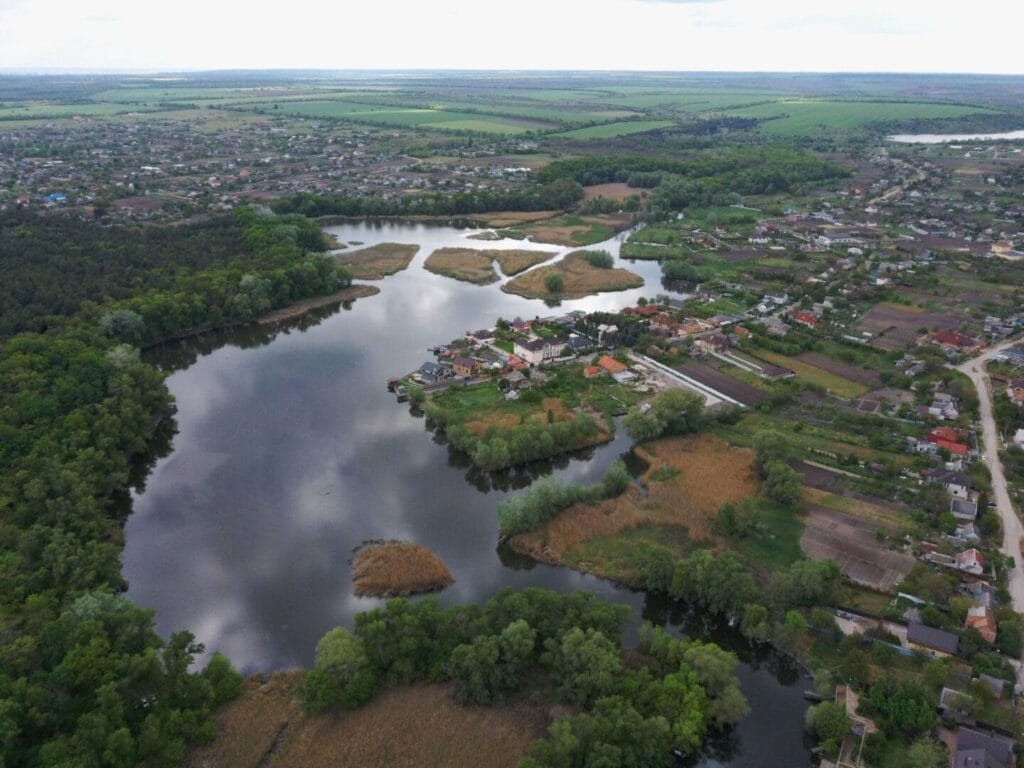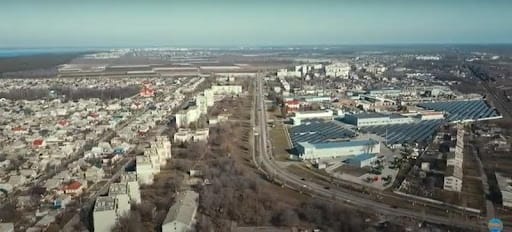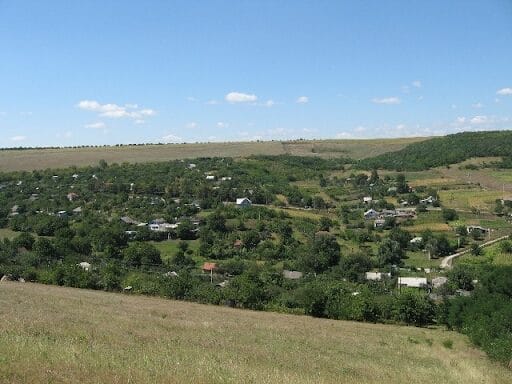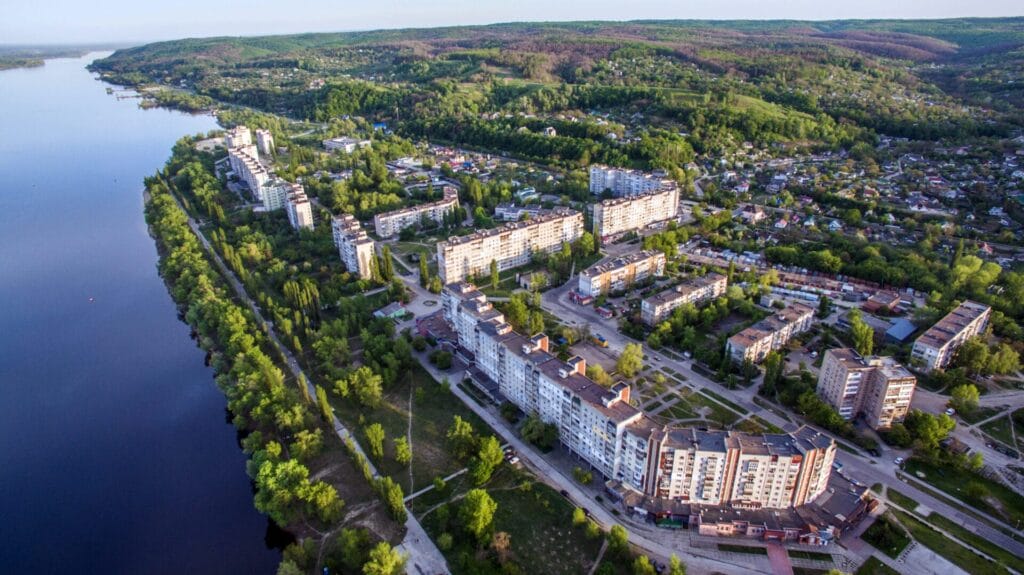
Molochansk Territorial Community
- Type: Urban
- Population: 12,000
People of the Community
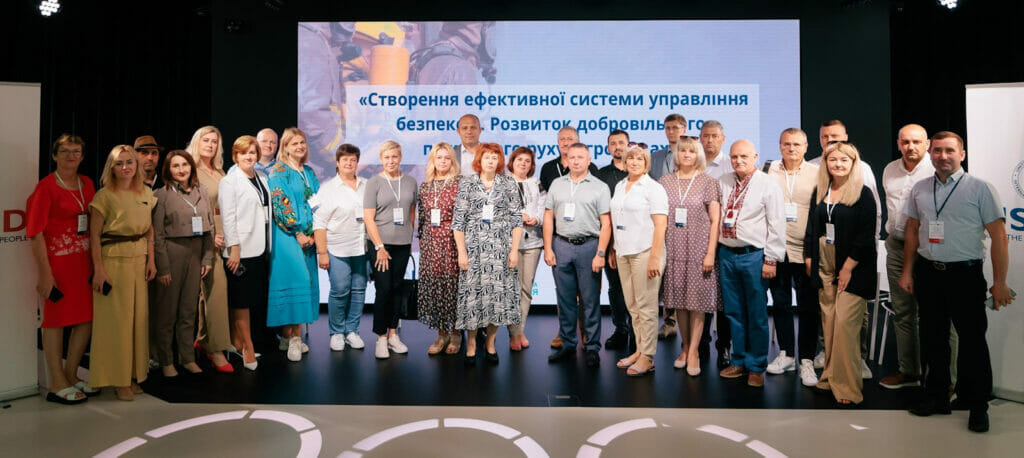
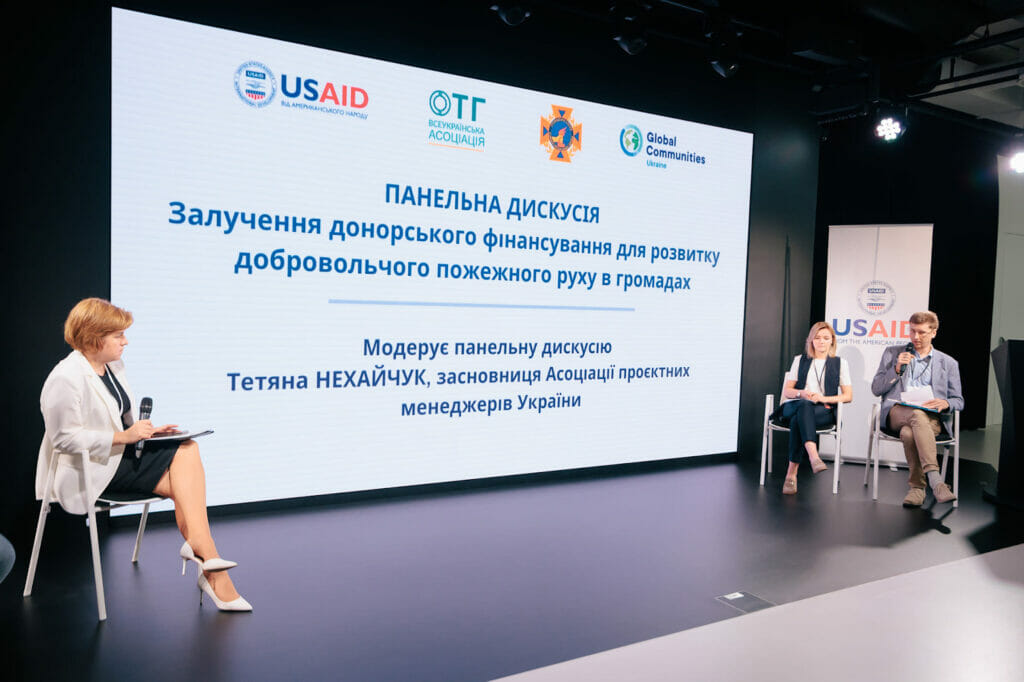
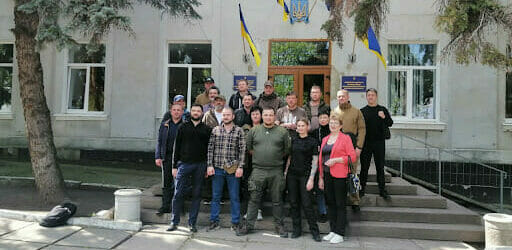
A meeting with the Chairman of the Ukrainian National Association of United Territorial Communities and Project Managers Association of Ukraine nongovernmental organization worked out to find the ways of further cooperation between organizations.Within the framework of the project “Promoting the economic participation of disadvantaged population groups, including internally displaced persons, in Ukraine” the community took part in the project “Support of territorial communities of the Zaporizhzhia Region”.

Community and War
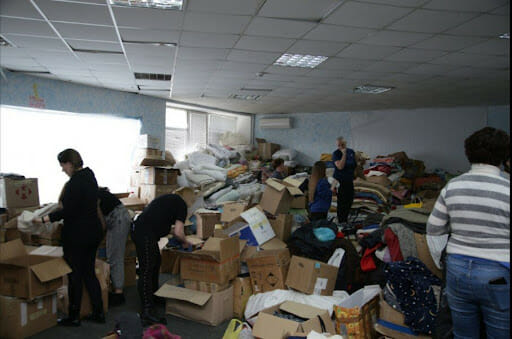
As the war broke out, many volunteer humanitarian hubs began to function in the city of Zaporizhzhia. The largest ones included the Humanitarian Hub in the regional youth centre run by SVOI and Palianytsia nongovernmental organizations. New temporary internally displaced persons were received at headquarters in the city circus, in large trade and exhibition centres. There are two hubs in the Molochansk Territorial Community that provide assistance to internally displaced persons.
History
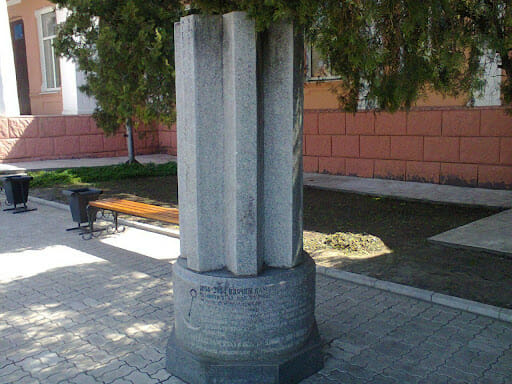
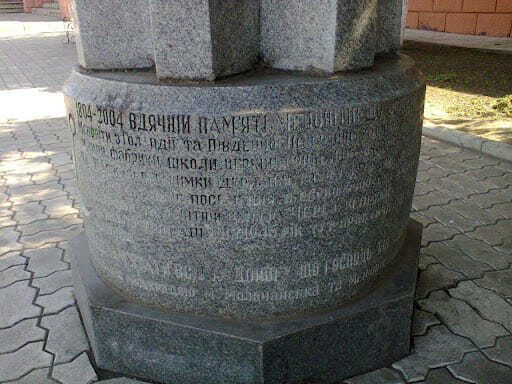
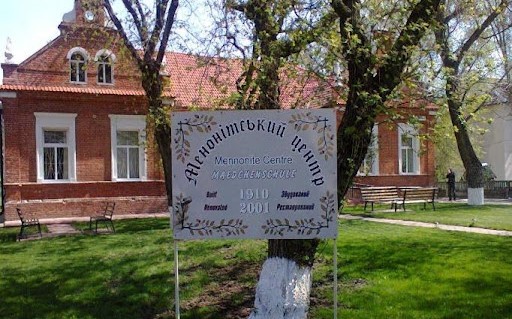
The history of the life and development of the Molochansk Territorial Community dates back to ancient times. The oldest settlements in the territory of the district belong to the Neolithic period. The Tavrian lands began to be settled after the Russo-Turkish war of 1768-1774 and the liquidation of Zaporizhzhia Sich in 1775.The town of Molochansk was founded in 1804. Its founders were 21 Mennonite families of Flemish origin from Prussia. At first, its name was Halbstadt, which means “half-town” in German. The settlement was part of the Molochna colony and was located on the eastern bank of the Molochna River. The villages of Vynohradne, Dolyna, and Lahidne were also settled by Mennonites.
In 1913, the construction of the railway track was completed, and the town was electrified. Most of its residents were Ukrainians, while Mennonites made up 1/3 of the population. During the war with Germany (1915), the town was renamed Molochansk. During the Second World War, the town was half-ruined.
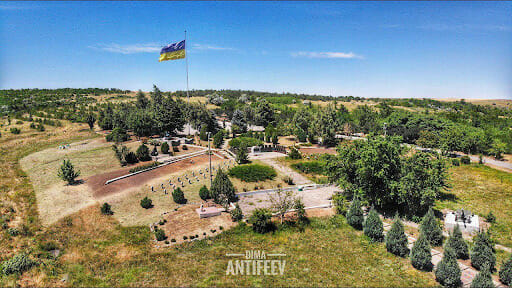
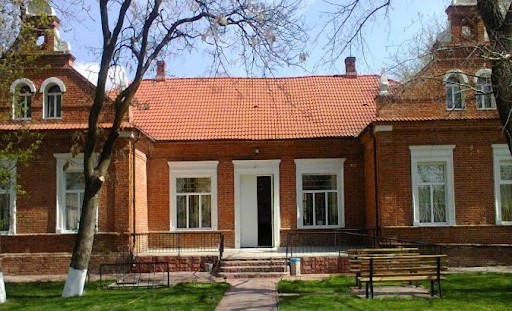
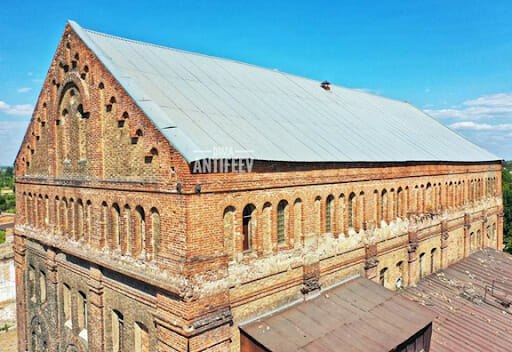
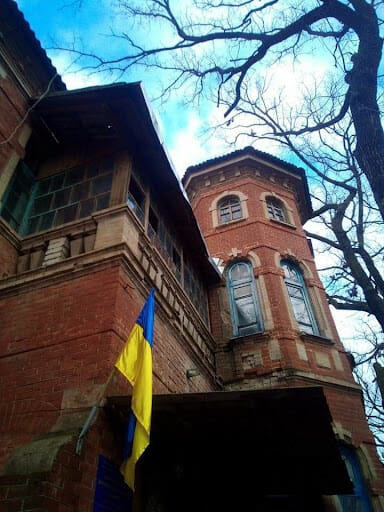
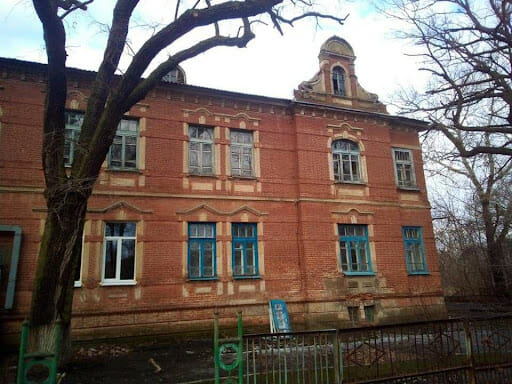
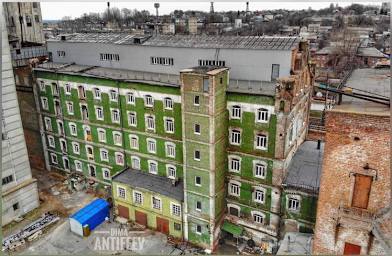
The community has the Chapaevskyi Memorial Complex, which became a well-known burial place of liberating soldiers both in Ukraine and in European countries. All these landmarks are a surprise for the tourists in the Wild Field. The Molochansk Community will surprise the tourists with the number of its architectural and historical landmarks, which are not only a tourist attraction, but also a vivid educational example of the history of the Mennonites, immigrants from Germany.To date, some historical buildings have been preserved.
Economy and Welfare
The region is famous for its fertile black soil. In the villages, the local communities grow grain, sunflower, and rapeseed. There are 24 large and 40 small agricultural enterprises operating in the community. There is a complex of poultry farms growing chickens, which is one of the largest in Ukraine. Before the full-scale invasion by the russian federation on 24 February 2022, the poultry farm supplied various cities of Ukraine with poultry meat and eggs.
In addition, there is a Molochansk nursery, two enterprises producing drinking water recognized throughout Ukraine, enterprises producing furniture and oil, a bakery.
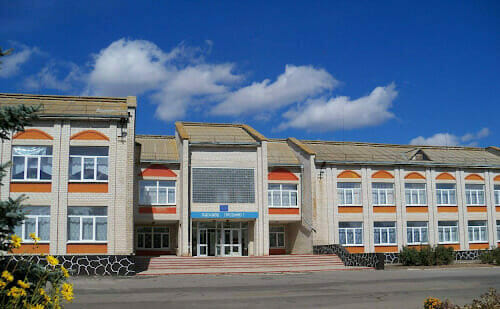
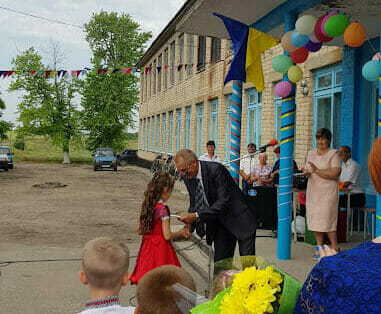
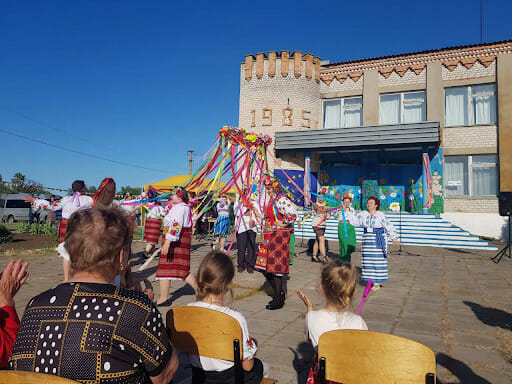
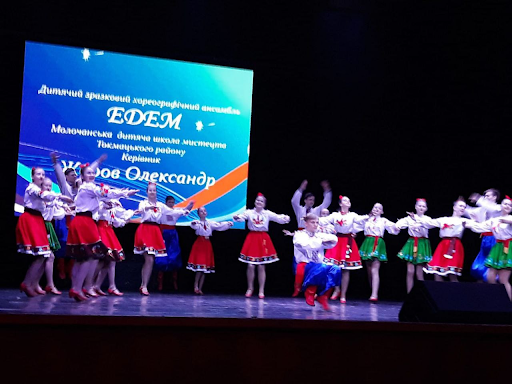
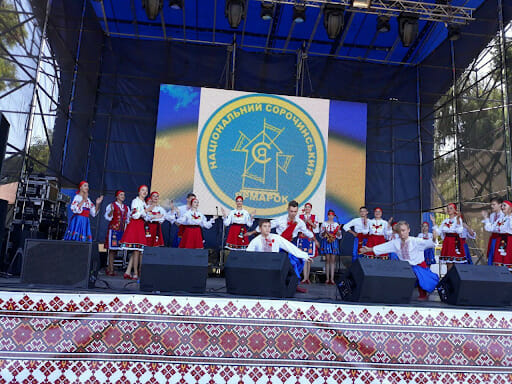
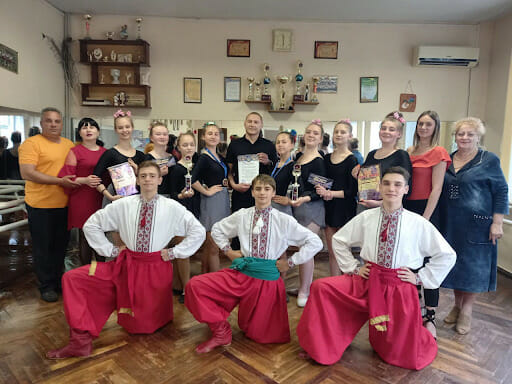
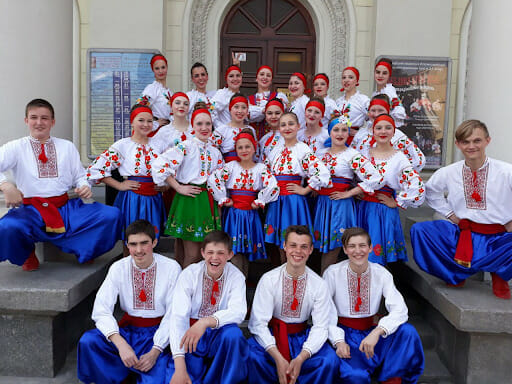
Agriculture is actively developing there, and before the war broke out in 2022, the poultry farm supplied various cities of Ukraine with poultry meat and eggs. Molochansk has its own Molochansk Mineral Water brand known throughout Ukraine and abroad.The community cares about the education and cultural development of its residents and that is why it has 7 general secondary schools and 4 preschool education institutions, 11 culture centres, 8 libraries, and a children’s and youth sports school.The community also cares about the health of its residents and runs 3 outpatient clinics and 12 first aid stations, the Molochansk specialized boarding school for orphans, the Molochansk professional agrarian lyceum; a psychiatric hospital.The real beauty of the town is its children’s art school, where the Edem Exemplary Choreographic Group works – a multiple winner and laureate of International and Ukrainian national contests.

Sources
- Molochansk Urban Territorial Community Development Strategy;
- Wikipedia
- Molochanks Urban Territorial Community profile