Mariupol Territorial Community
- Type: Urban
- Population: 541,300
History
The official year of foundation of the town of Mariupol is 1778, when the town of Pavlivsk was founded in the territory of the Azov region. The true date of the town’s foundation is currently being studied by historians because the roots of the town date back to 1594, i.e. the time of the Cossack fortress in the territory of present-day Mariupol. The initial development of the town is associated with the mass resettlement of Greeks from Crimea.
Until the early 20th century, Mariupol was a town of trade, fishing, and gardening. In the second half of the 1890s, two metallurgical plants were built in Mariupol: Nikopol and Providance, which gave an impetus to the progressive development of the town and was strengthened by the Soviet industrialization of the town. In the 1950s and 1980s, Mariupol continued to develop as a large industrial centre and a port city.
Historically, the town of Mariupol has been a multinational town: before 2022, it was home to more than 100 nationalities. This largely determined the cultural diversity of the town.
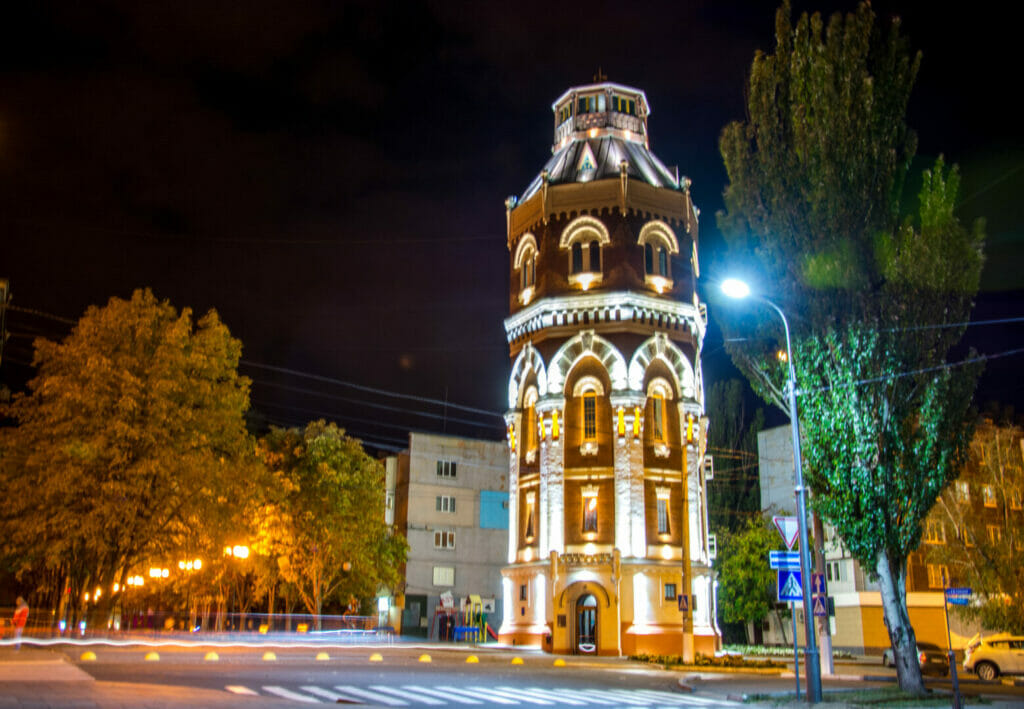
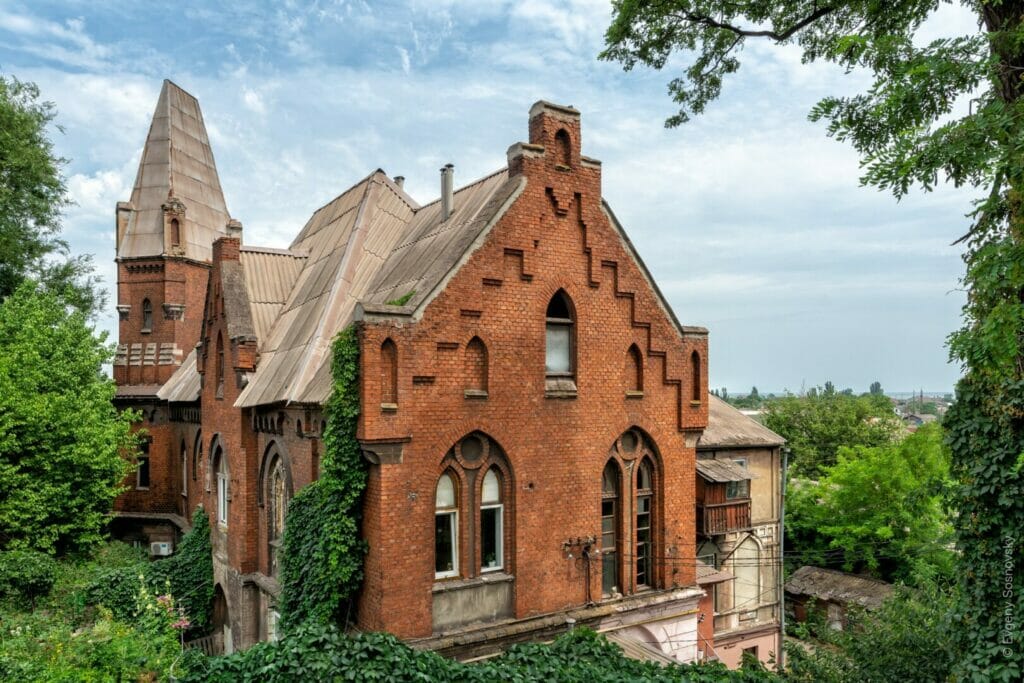
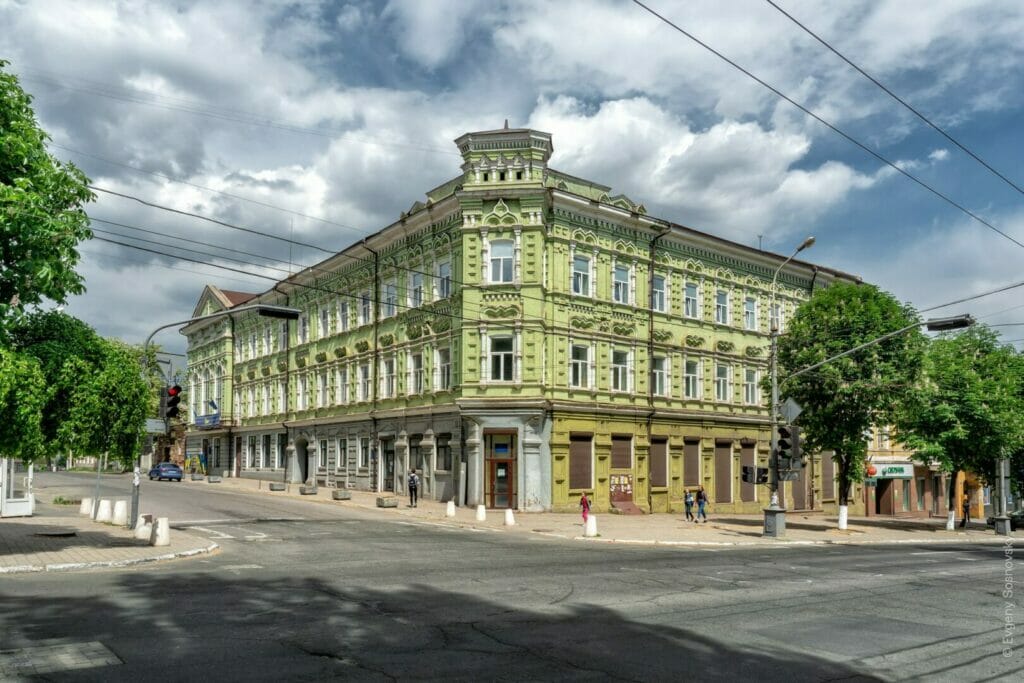
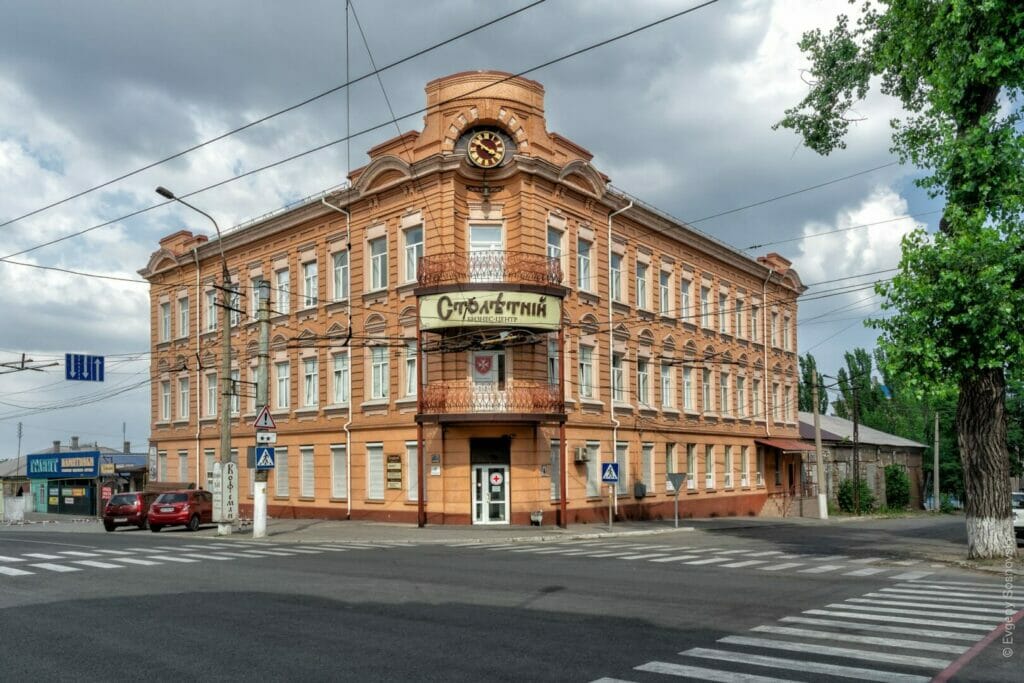
The architectural landmarks of the town existing before 2022 were related to the period of the 19th – 20th centuries and were examples of the unique urban planning architecture of that era. They include the Water Tower built in 1909 according to the design of architect Viktor Nilson as well as many buildings associated with his name; Serhii Gamper’s house; Mariupol Oleksandrivska Male Secondary School; the building of the former Continental hotel.
Development Strategy
Before 2015, the town of Mariupol developed slowly, accumulating a number of systemic problems.
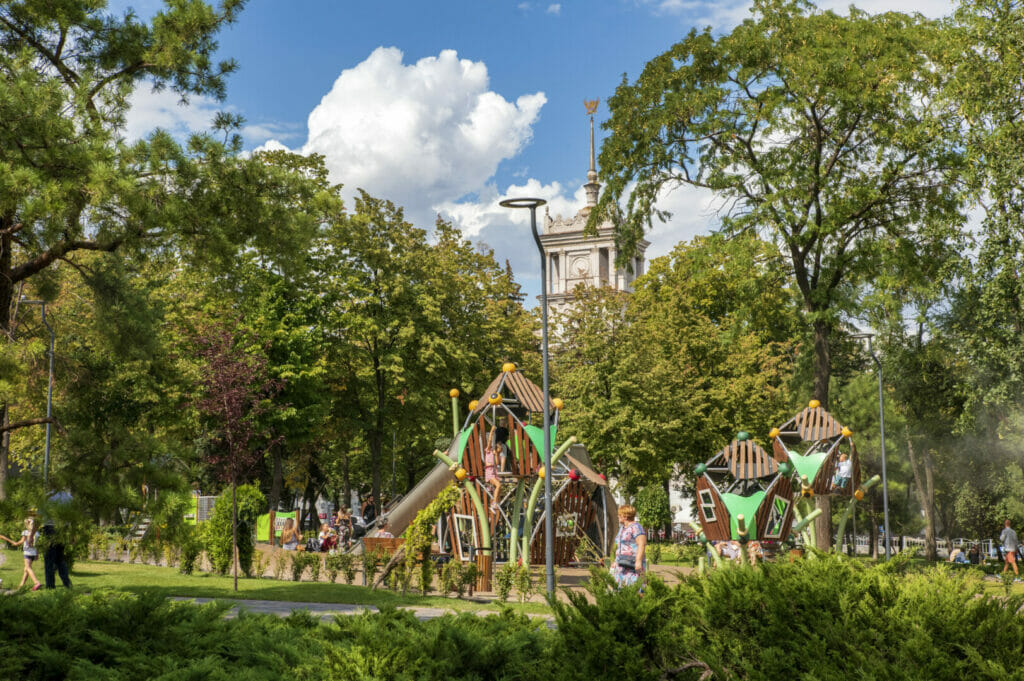
However, in 2016 rapid development began in Mariupol as a result of the development and implementation of a number of strategic planning documents in cooperation with international partners.
The first document of this type was the development strategy of the town of Mariupol titled “Strategy-2021”. It outlined the ways to achieve the main goal, i.e. making Mariupol more attractive for people and businesses and providing a significant impetus to this.
Strategy-2021 sought to develop the town of Mariupol in the following areas:
- Reorganizing the municipality, provision of high-quality administrative services and prevention of corruption
- Upgrading the housing and utility sector
- Upgrading road and transport infrastructure
- Upgrading educational and healthcare institutions
- Providing modern social services to the population
- Developing sports infrastructure and involving residents in an active lifestyle
- Developing the cultural component of leisure time
- Taking measures to improve the ecological environment in the town
- Organizing civil security measures
- Digitalizing the municipal services.
As of the beginning of 2022, all the specified goals of the Strategy-2021 had been achieved.
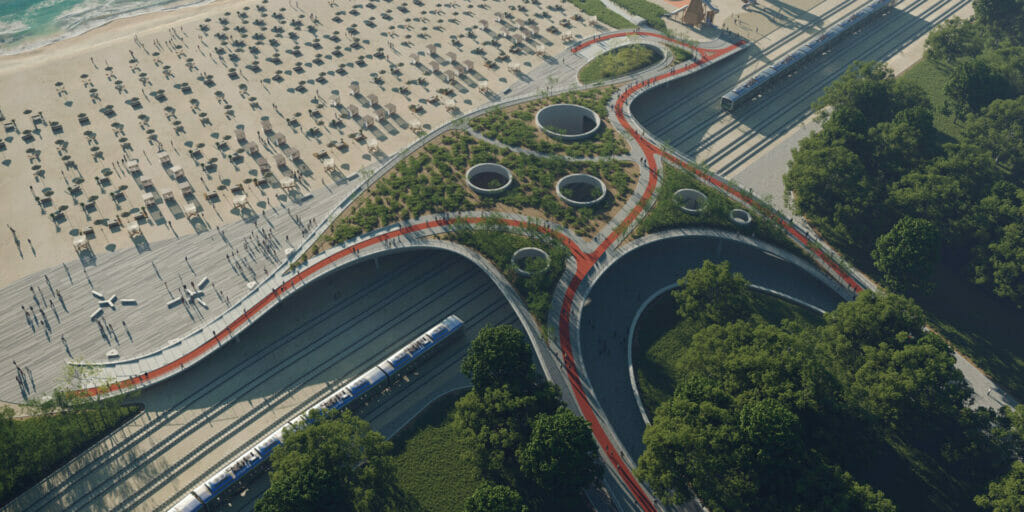
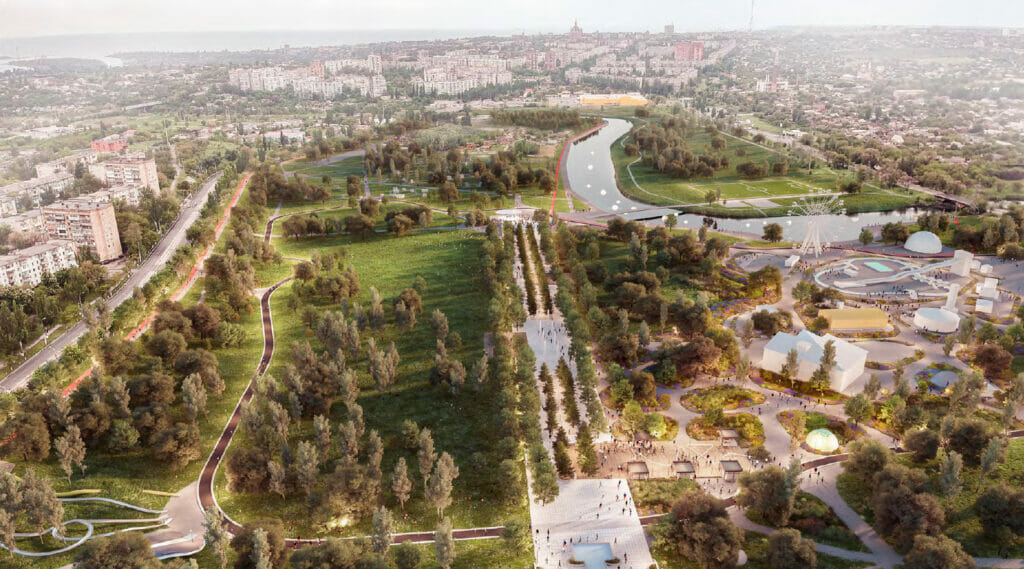
Then a strategy for the further development of the town was developed. The stated goal was to become a town by the sea with an ocean of opportunities. Comprehensive transformation of urban spaces, modernization of the health care and education sectors, large-scale reconstruction of municipal infrastructure, creation of an industrial park are planned. In order to achieve this goal, in late 2021 the Strategy-2030 was approved as a long-term plan for the development of the town.
Its main sections included:
- Economy – general transformation and development of new technologies
- Comfort and service – improving security in the town, developing municipal and public services, education, health care, ecology
- Town design – transport infrastructure, creation of a comfortable environment, preservation of its uniqueness
- Development of sports and cultural environment, tourism, youth involvement in building the future.
Currently, the municipality of Mariupol has drafted a Fast recovery plan, which should start immediately after the liberation of the town from the russian invaders. It combines the restoration of the destroyed infrastructure of Mariupol as a condition for the fast return of residents. The total cost of the plan measures is more than 700 million euros.
In addition, the Mariupol Reborn town recovery plan has been developed; it includes stages focused on the strategy of rapid recovery of critical infrastructure and specification of damage assessment, formation of the general recovery plan and its implementation. This plan is the basis for the recovery of both the town of Mariupol itself and the Mariupol community. Financing the project requires attracting large amounts of money, and currently, large Ukrainian businesses, the state and other cities of the world (Utrecht, Gdansk, Wroclaw), as well as the EBRD, the World Bank, the European Investment Bank, USAID, and well-known global urban planners have joined the financing of the recovery of the town of Mariupol.
Economy and Welfare
As of 01 January 2022, the town had about 270,000 people working in all the sectors of the economy.
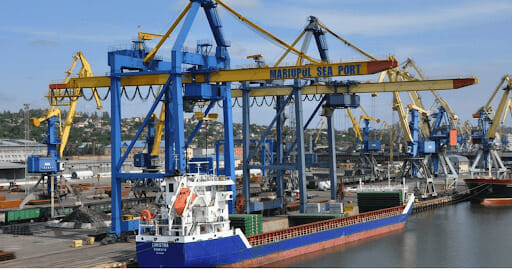
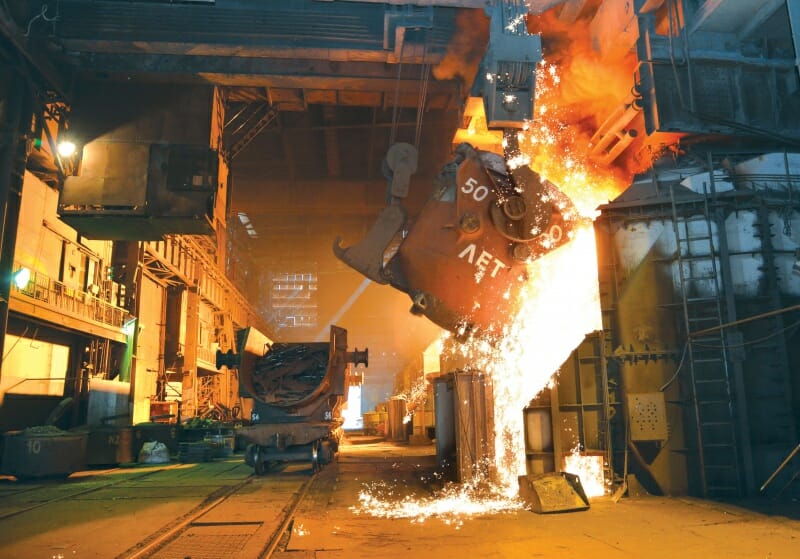
During the last decades, the town’s economy was largely based on metallurgical enterprises such as the Mariupol Ilich Metallurgical Plant and the Azovstal Metallurgical Plant, as well as the largest seaport in the Sea of Azov. To a lesser extent, the town’s economy depended on mechanical engineering, trade, and municipal enterprises of the town.In 2019, the highest average salary in Ukraine was recorded in Mariupol. The town intended to develop steadily and expand the list of its economic sectors that its residents wanted to join. It was planned to develop the water economy, alternative energy, medicine and education, and significant hopes were placed on the development of the IT cluster. Metallurgical enterprises and the logistics industry experienced evolutionary changes as well.
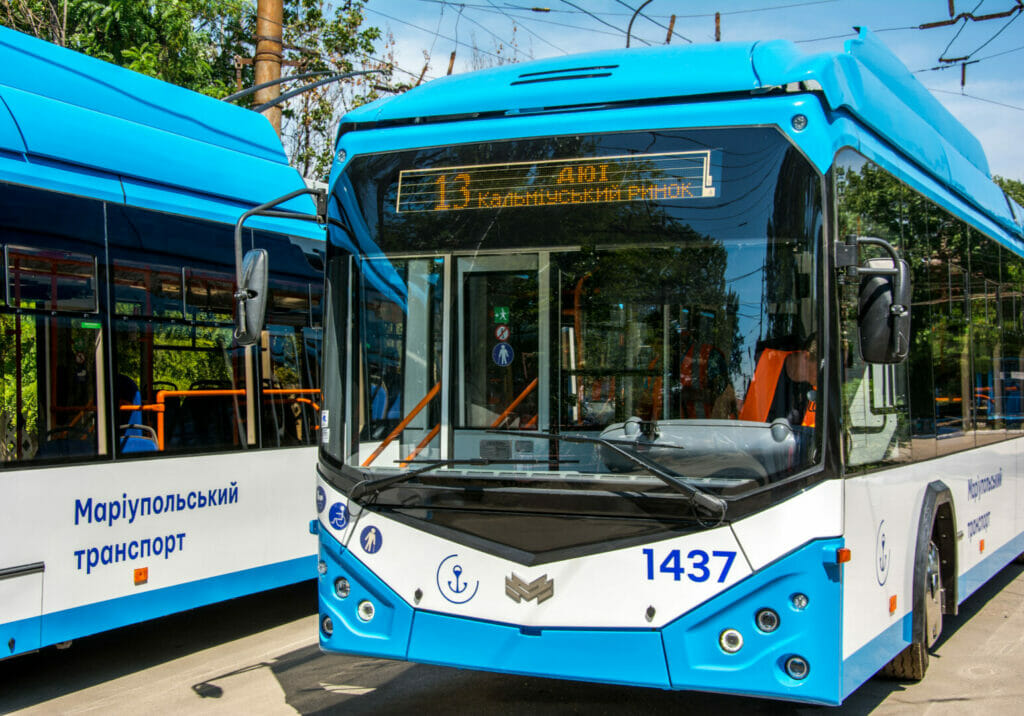
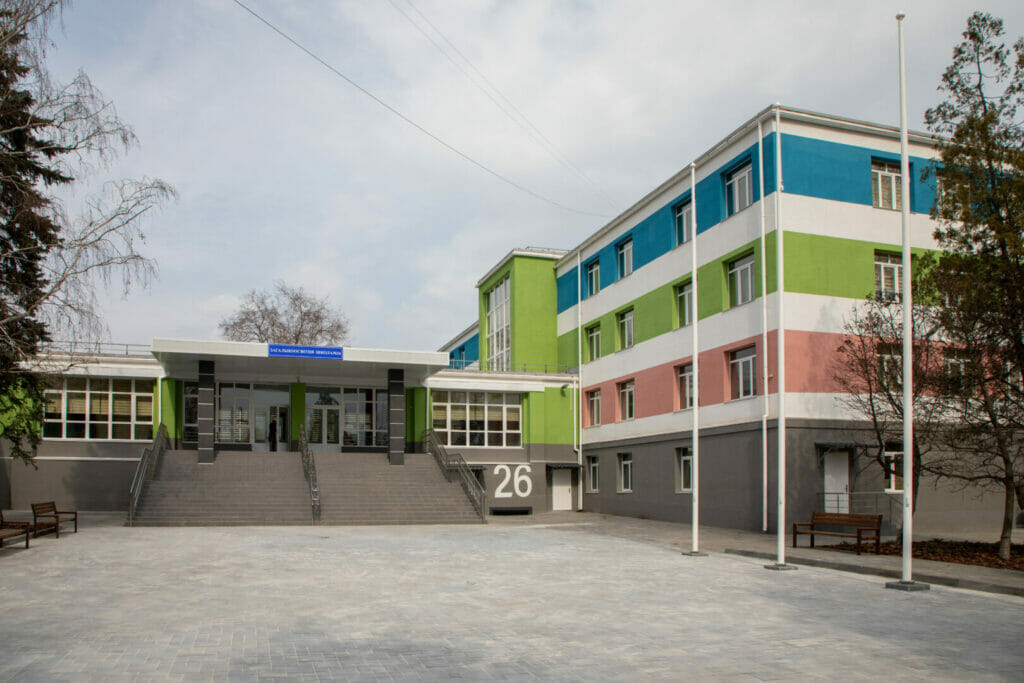
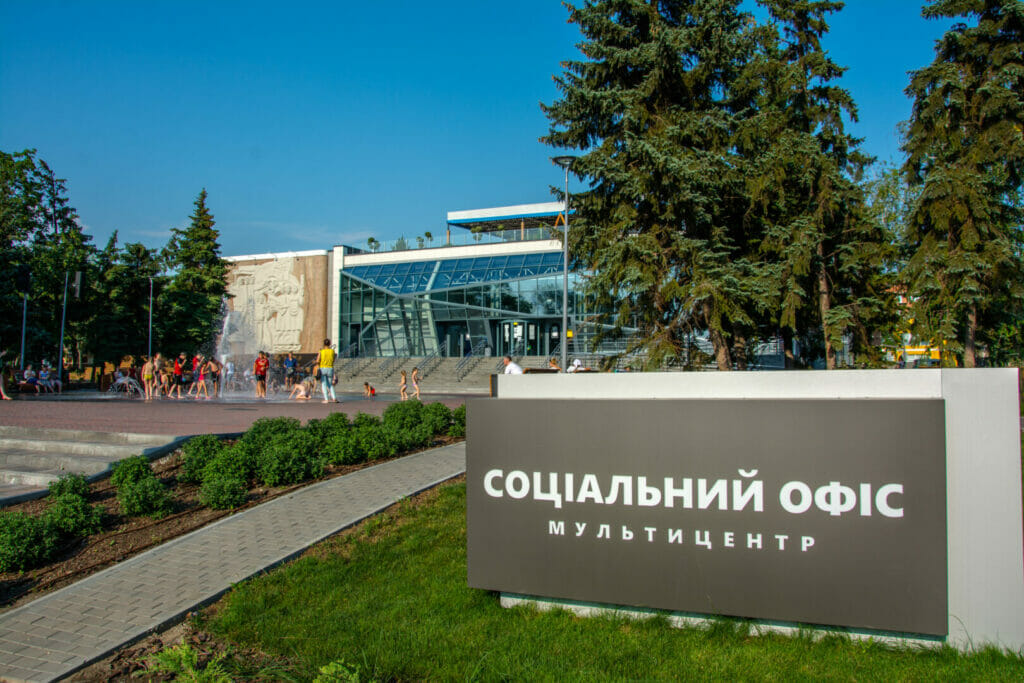
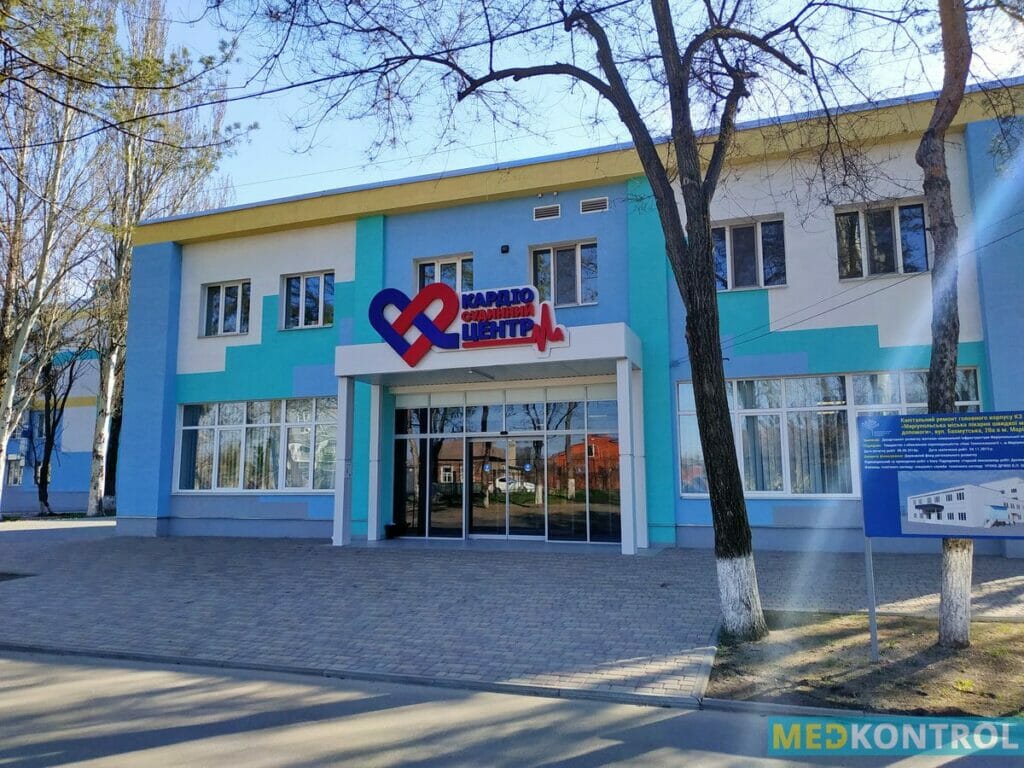
In early 2022, the town had fifteen municipal health care facilities, fourteen higher educational institutions, one hundred and sixty-eight educational institutions, three large administrative services centres, and eight social centres. The public transport fleet consisted of two hundred and forty-nine rolling stock units.
Sources
- Information provided by the Mariupol Town Council.