Lokhvytsia Territorial Community
- Type: Urban-rural
- Population: 22,187
People of the Community
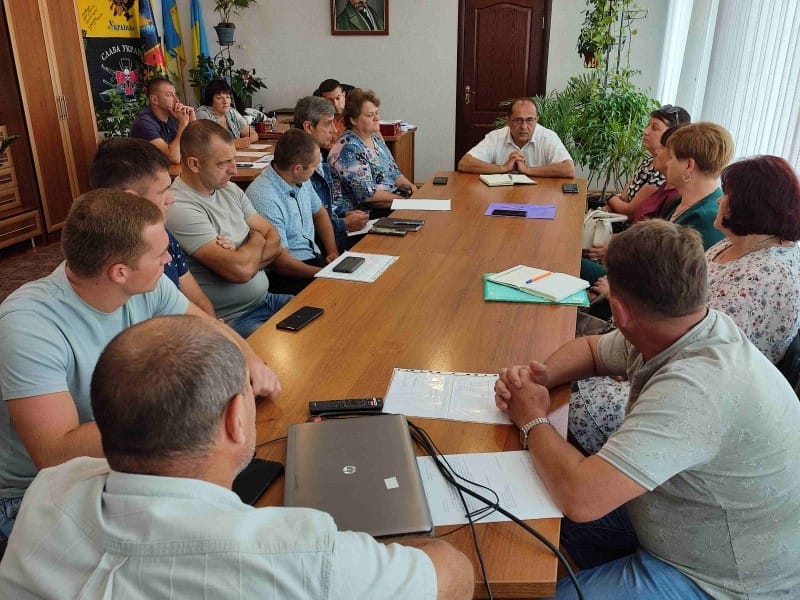
The head of the Community, Viktor Radko, has been elected to this position for the second time.
It was Mr. Victor who initiated the creation of the Lokhvytsia United Community. As a former utility company worker, he pays considerable attention to the development of utility enterprises.
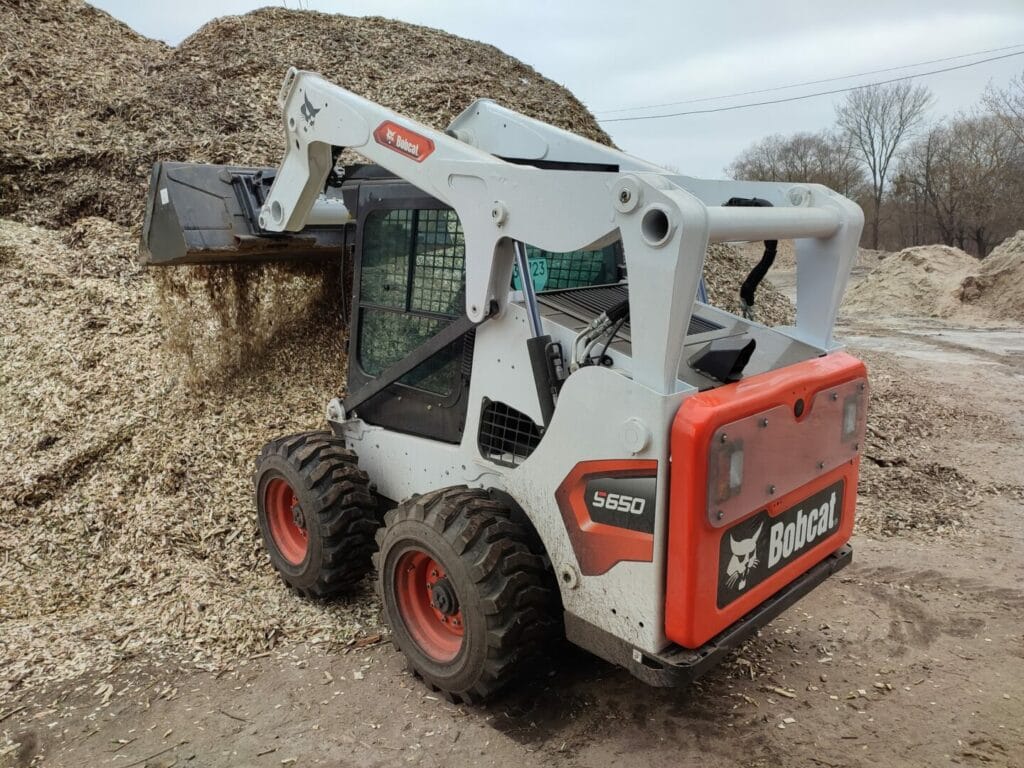
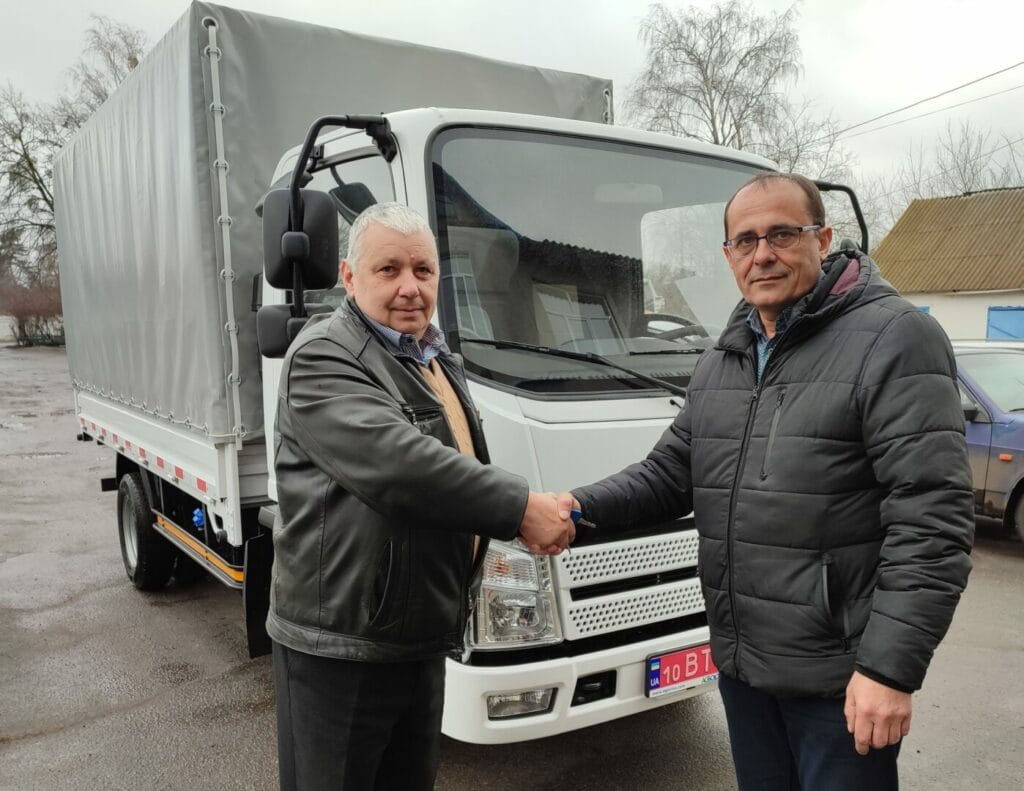
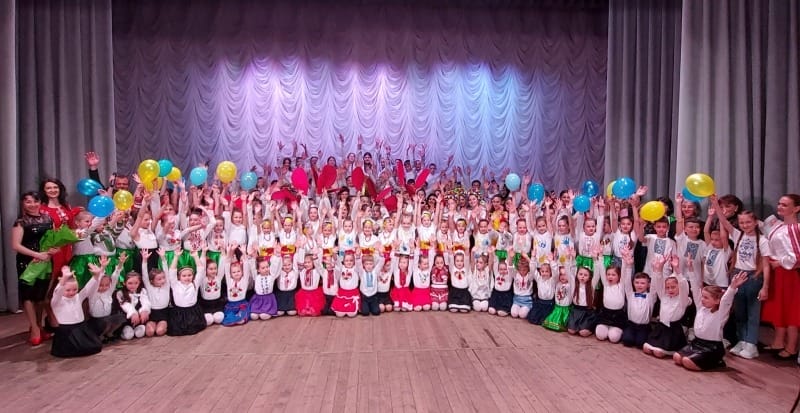
The mayor and the counsellors of the Town Council always support the initiatives of residents regarding the development and comfort of life. Of course, the war made significant changes in life, but the Community continues to actively support the development of culture and sports. Special attention is paid to children – their education and leisure.In order to facilitate and improve the work of Dobrobut-Service utility company, it received modern equipment and vehicles.The Community is always open to cooperation; its employees participate in all training programs, development and implementation of various projects. Many projects have been implemented in cooperation with international partners: GIZ, USAID, U-Lead, European Investment Bank and many others.
Community and War
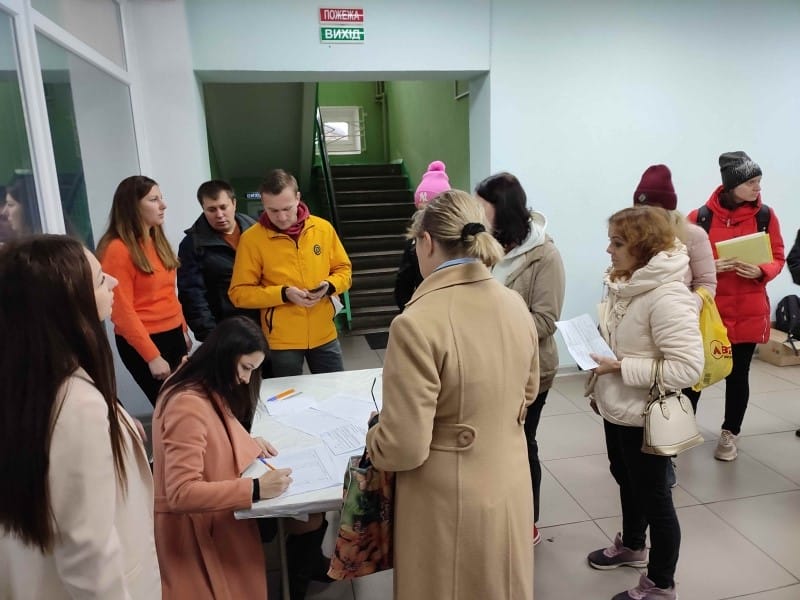
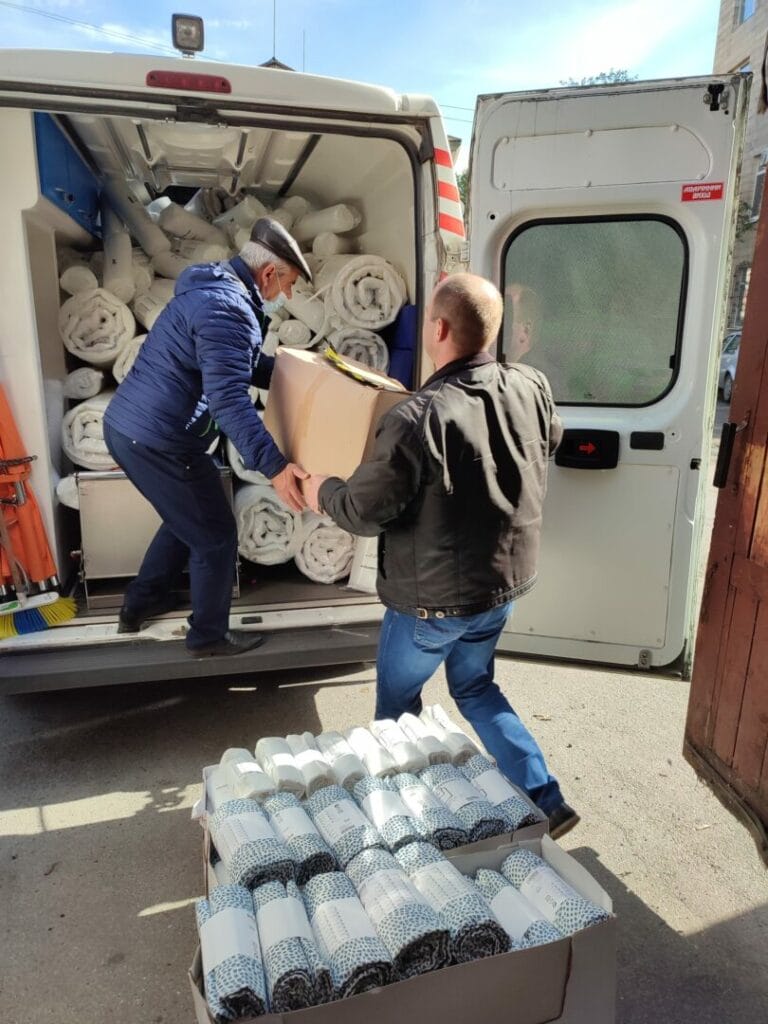
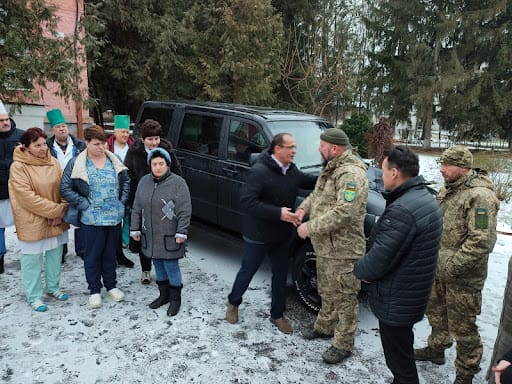
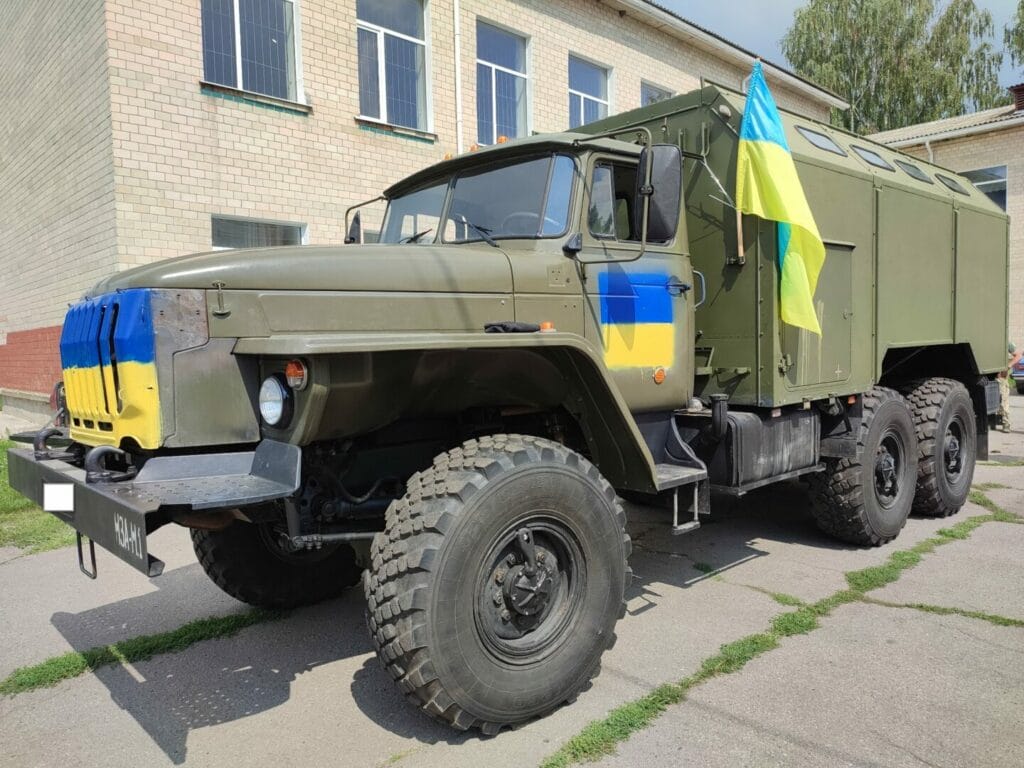
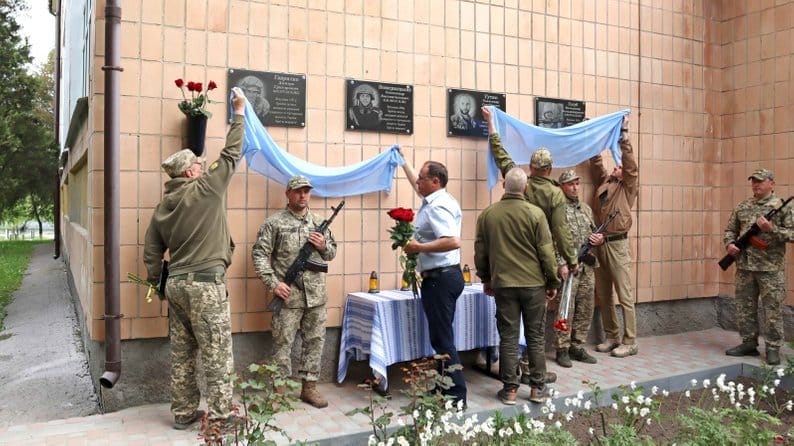
At the beginning of the war, the invaders stopped 10 kilometres away from the Community, so the Community became the closest unoccupied community to the Sumy Region. The Community was the first to receive people fleeing the war already during its first days. During the first humanitarian corridors, thousands of people passed through the Community every day. This became a serious challenge that the Community successfully coped with.After the withdrawal of russian troops from the Sumy and Chernihiv Regions, the Community began to care more for internally displaced persons as their number was more than 10% of the Community’s population. Considerable attention is also paid to military personnel. There are several volunteer centres in the Community. Volunteer groups visit their compatriot servicemen who are currently serving in the combat zone almost every week. Volunteer groups also go to the affected areas to help with reconstruction.
History
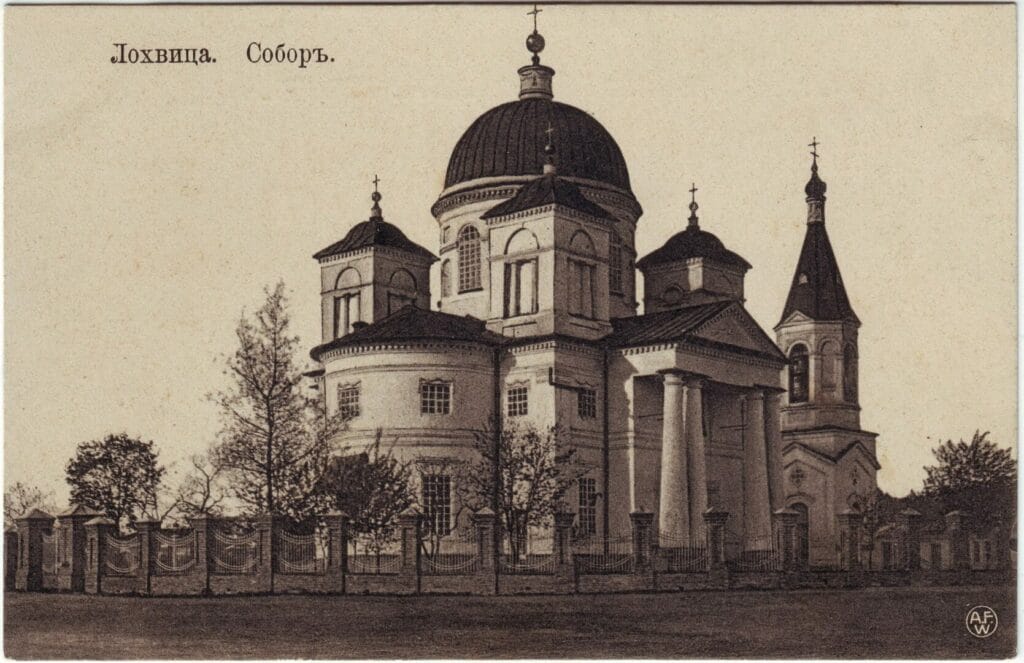
The territory of the Lokhvytsia Community was inhabited in as early as the first centuries of our era. This is evidenced by the early Slavic cemetery of the Cherniakhiv culture. In the 10th – 11th centuries, this area was one of the fortifications of the defensive line of Posullia and was part of the Pereiaslav Principality.
The administrative centre of the Community, the town of Lokhvytsia, was first mentioned in 1320 as a small settlement, due to its belonging to the Grand Duchy of Lithuania.
In 1644, the town was granted Magdeburg rights and a coat of arms depicting the municipal gates with towers on them.
In the early 20th century, the Lokhvytsia District was mainly agricultural. At the same time, several small industrial enterprises and handicraft workshops worked in its territory. Plants, workshops and factories operated in the district.On the eve of the revolutionary events of 1917, the Lokhvytsia District included 260 settlements. There were 158 schools in the district attended by about 10,000 schoolchildren, as well as 15 hospital wards.
The Lokhvytsia Community did not escape the disaster of the famine of 1932-1933 and the process of forced collectivization. Using their repressive organs, the Bolsheviks forced peasants first into committees of poor peasants, communes and societies for joint cultivation of the land, and later into collective farms. World War II was an ordeal for the residents of the Community. On 12 September 1941, Lokhvytsia was captured by the fascists. During the years of occupation of the District (1941 – 1943), the fascists took 3,745 boys and girls to hard labour in Germany, and on 12 May 1942, the fascists shot 287 Jewish residents of the town on the outskirts of the town.
On 13 September 1943, the Lokhvytsia District was liberated from the fascists.
The Lokhvytsia Community residents and the residents of the district are sincerely proud of their ancient and glorious past. Talented countrymen, who at different times have made the Lokhvytsia area famous in the world, are a special source of pride. This is, first of all, philosopher and poet Hryhorii Skovoroda.
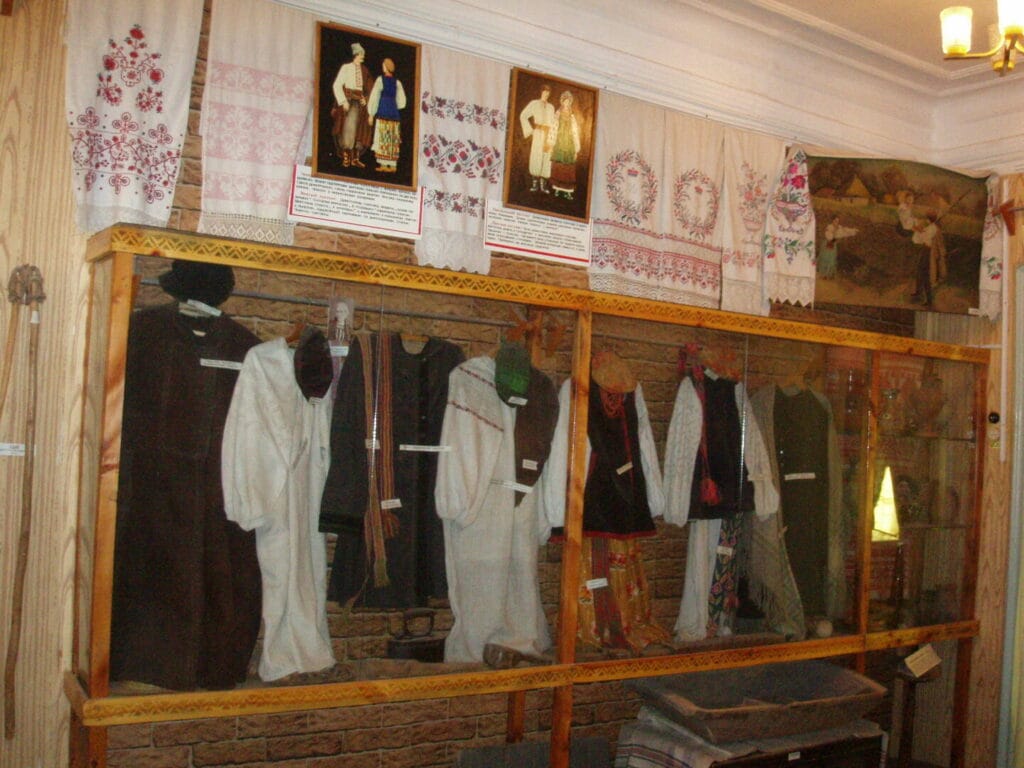
The local history museum named after Hryhorii Skovoroda has worked in Lokhvytsia since 1919. The museum’s collections include more than 30,000 exhibits. They are displayed in nine thematic halls describing the history and the current period of the Lokhvytsia Community and presenting its natural riches.
Economy and Welfare
The agricultural sector is the mainstay of the economy in the Lokhvytsia Community as the Community is an agrarian area. Mining of minerals, mainly natural gas, is also important. Most businesses are micro and small enterprises.
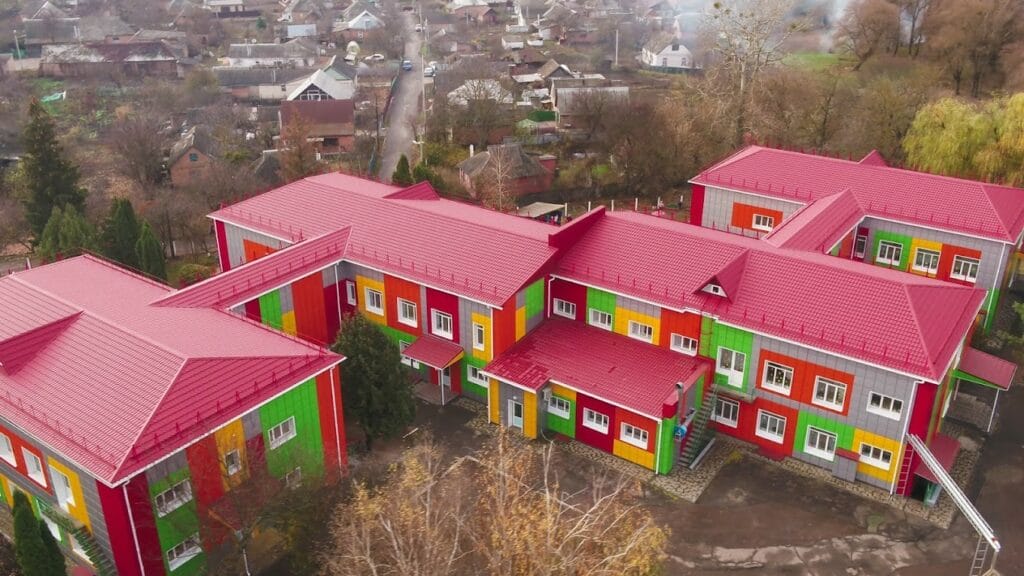
The Community runs ten schools, twelve kindergartens, two music schools, a sports school, a centre for children’s and youth creativity, and a medical school.
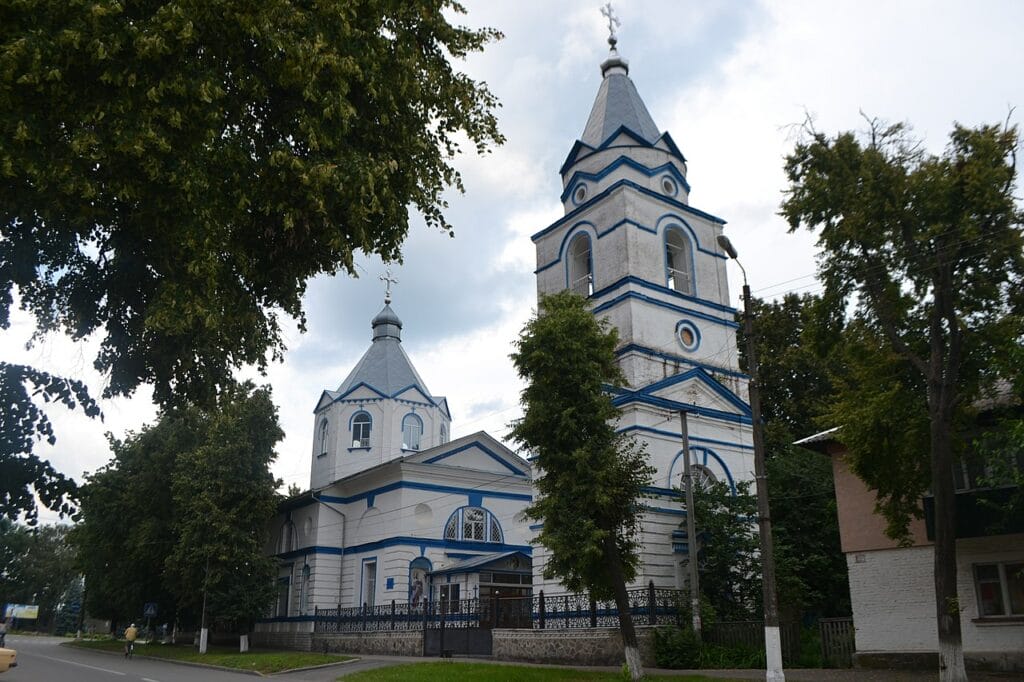
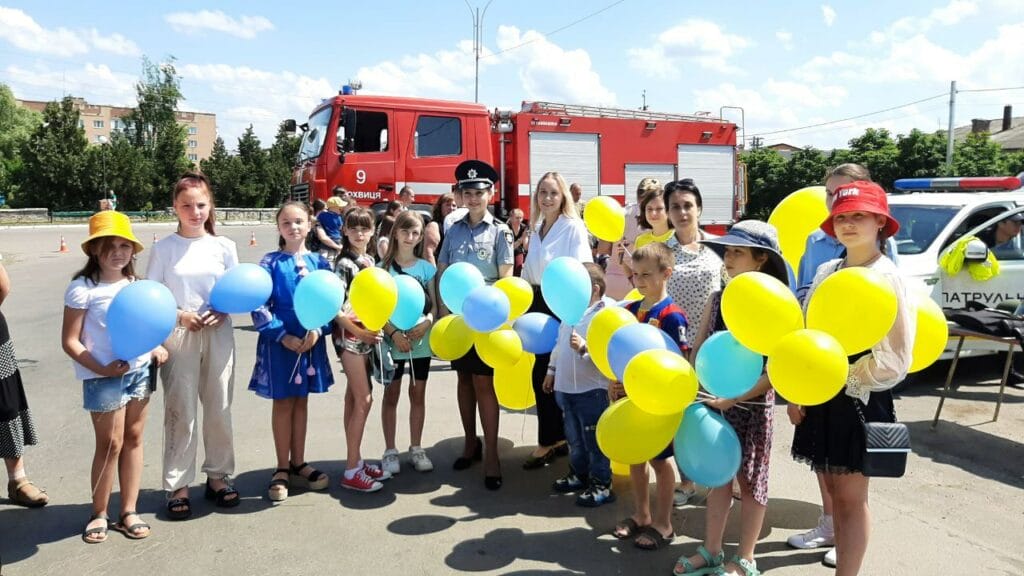
The Community has a fairly developed infrastructure that fully ensures comfortable living conditions: a library, a museum, twenty-six culture centres, a hospital, two local fire brigades and a state fire and rescue unit, a police station, as well as three hotels and two hostels.
Sources
- Official website of the Lokhvytsia Town Council
- Official Facebook page of the Lokhvytsia Town Council
- Official Facebook page of the mayor of Lokhvytsia