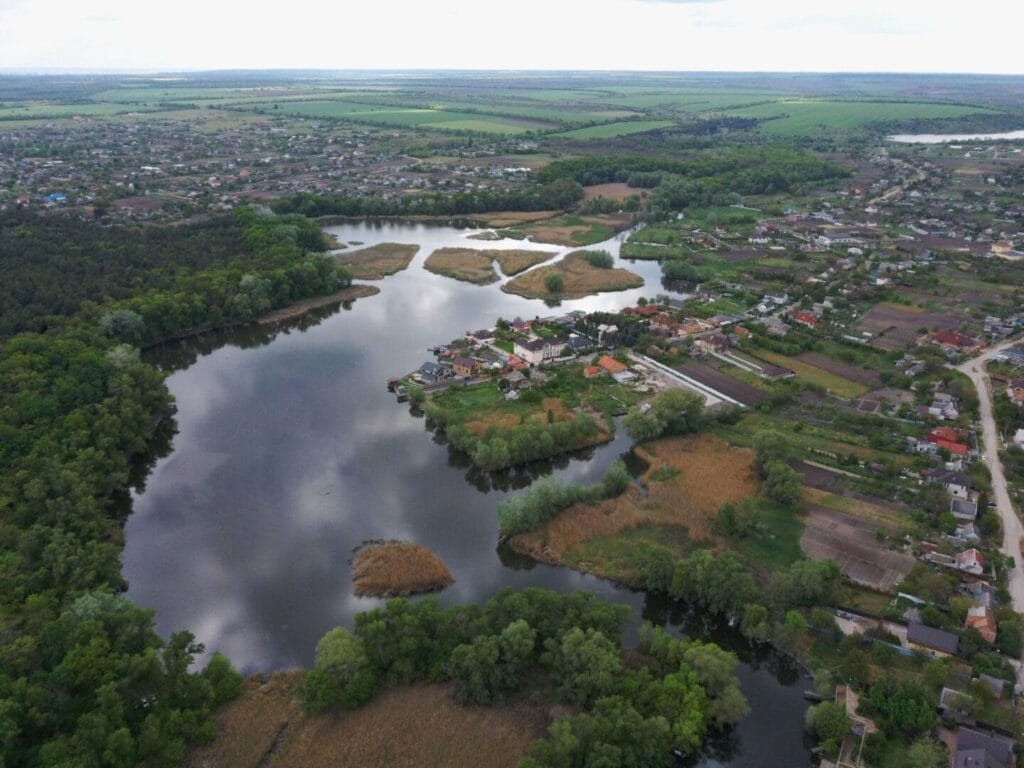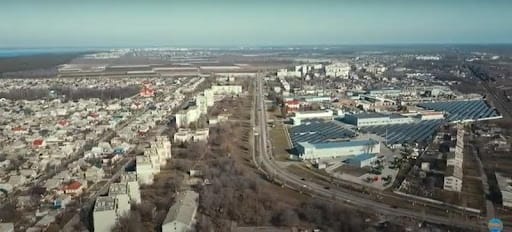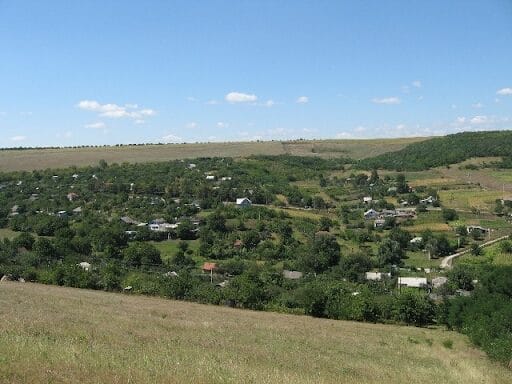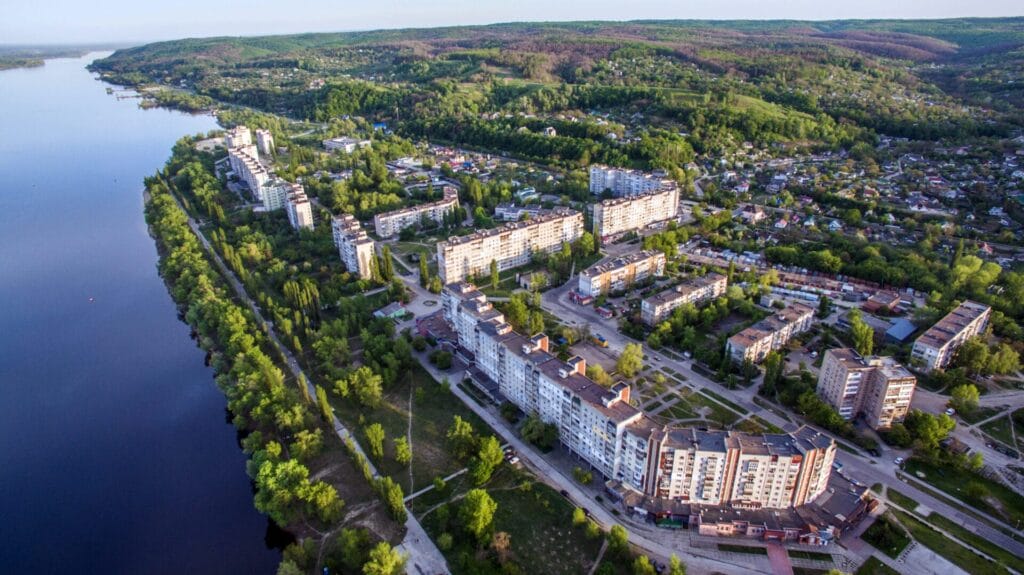
Krolevets Territorial Community
- Type: Urban
- Population: 33,142
People of the Community
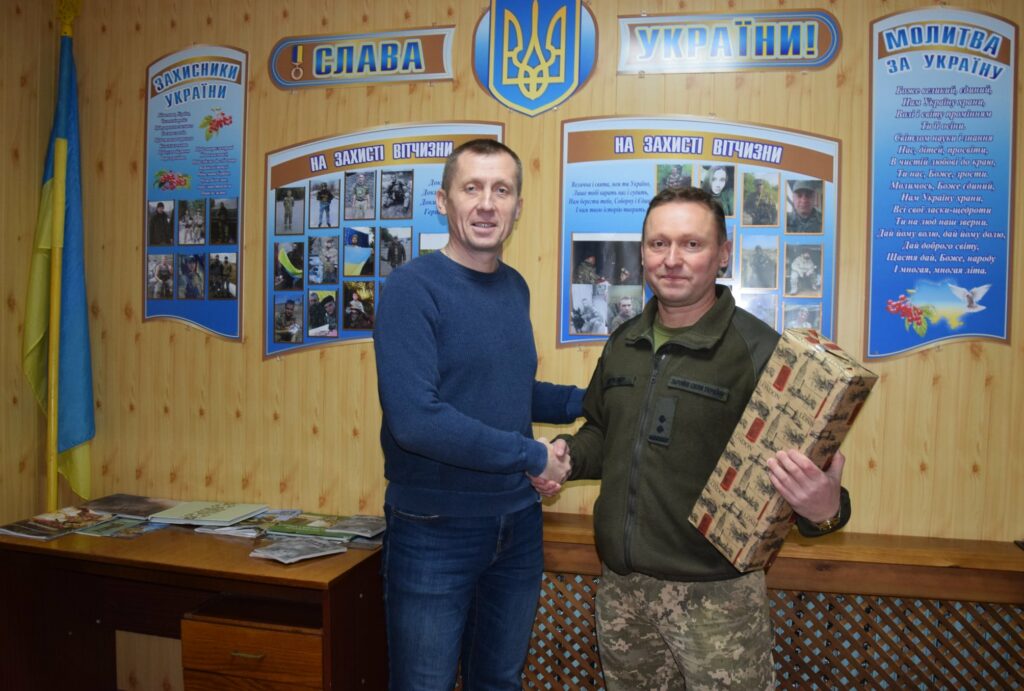
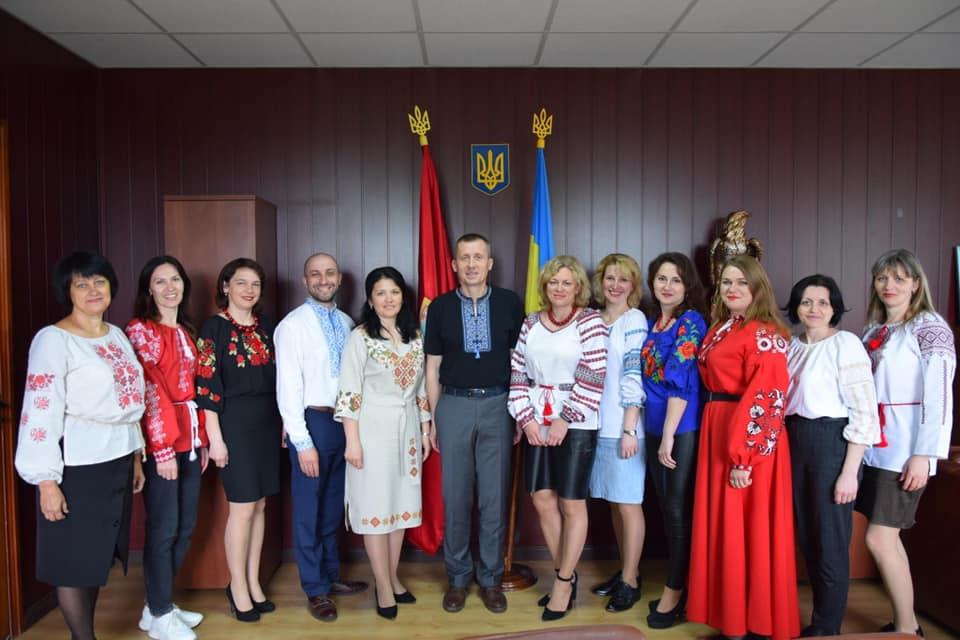
Viktor Lekhman is the head of the Krolevets Community since 2020. Previously, he was an entrepreneur and a deputy of the Krolevets Town Council.
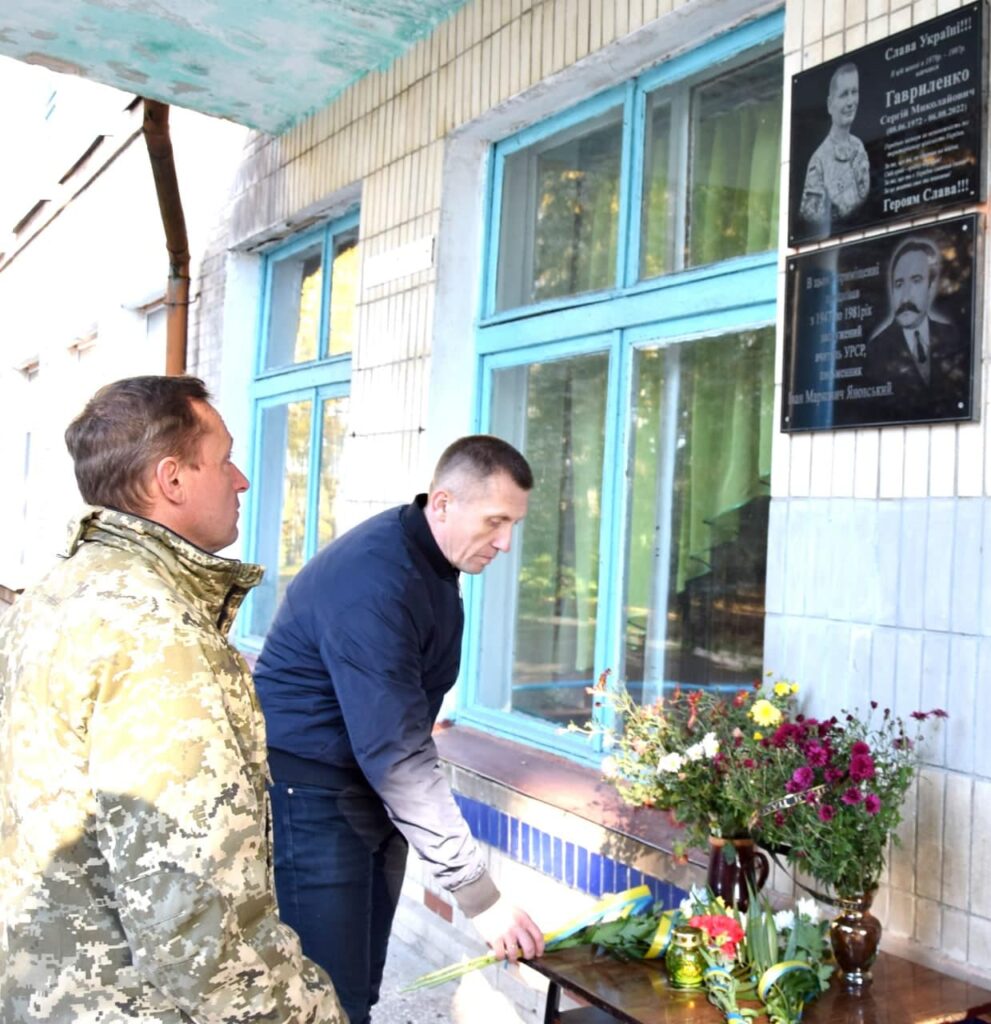
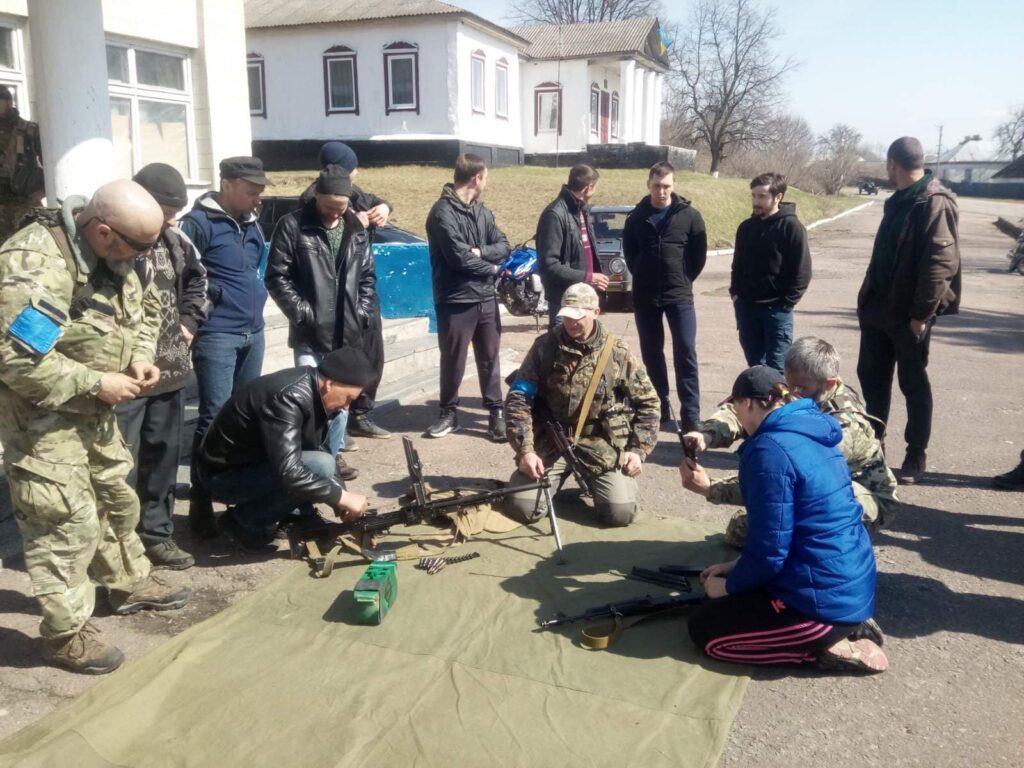
Native of Krolovets Viktor Lekhman stayed in his hometown from the first days of the war. He organized defence activities, the creation of volunteer battalions of the territorial community, and established the Operational Defence Headquarters and the Humanitarian Centre to ensure the community’s vital functions.
Community and War
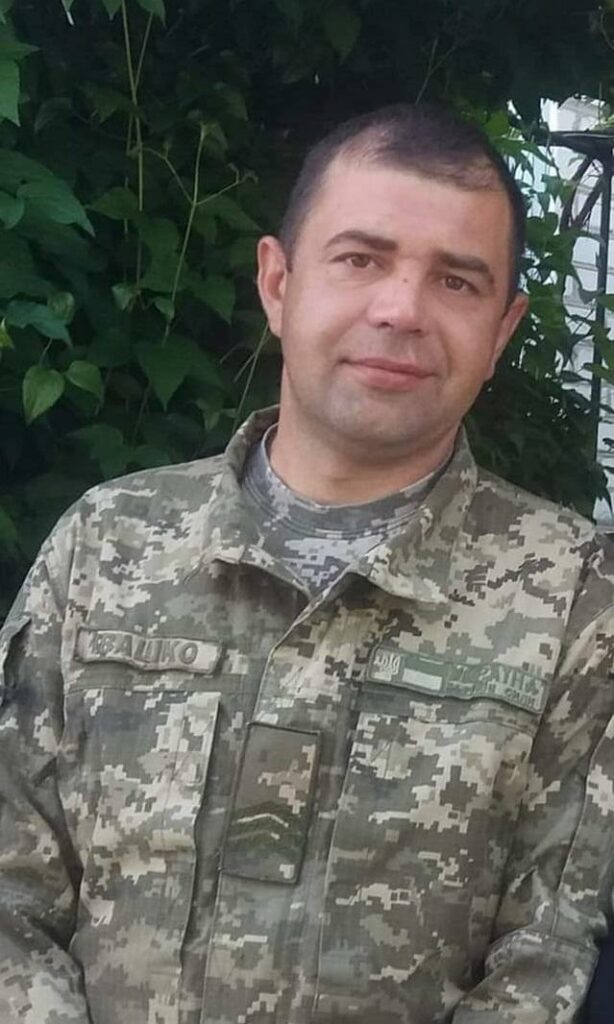
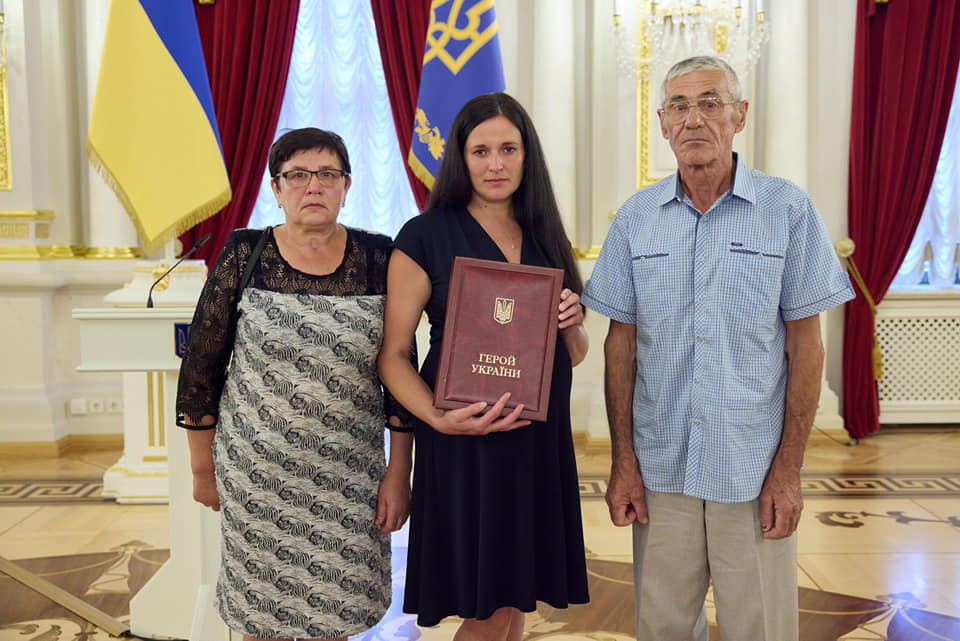
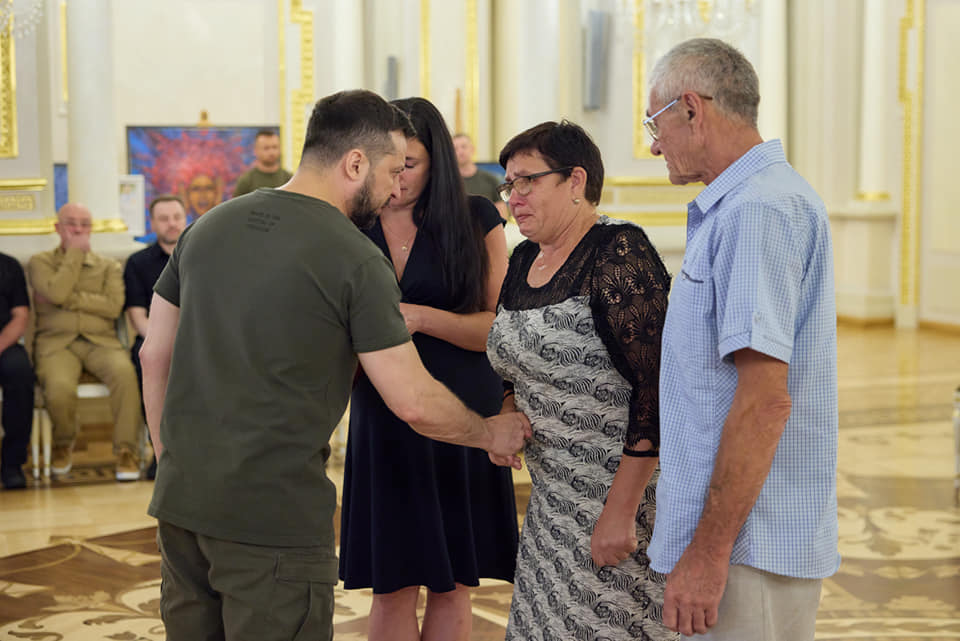
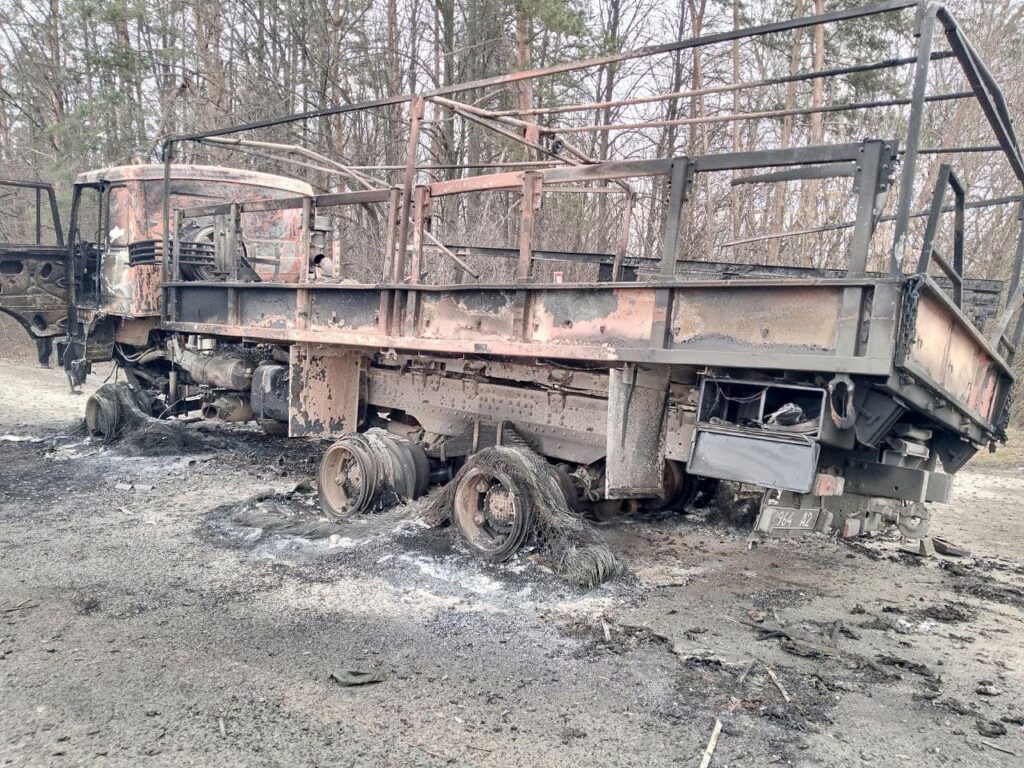
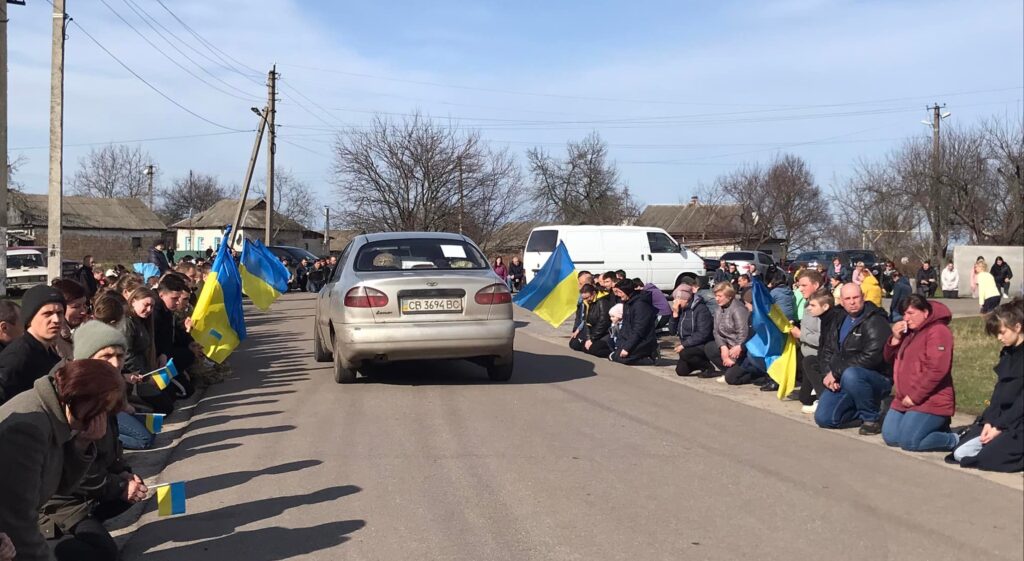
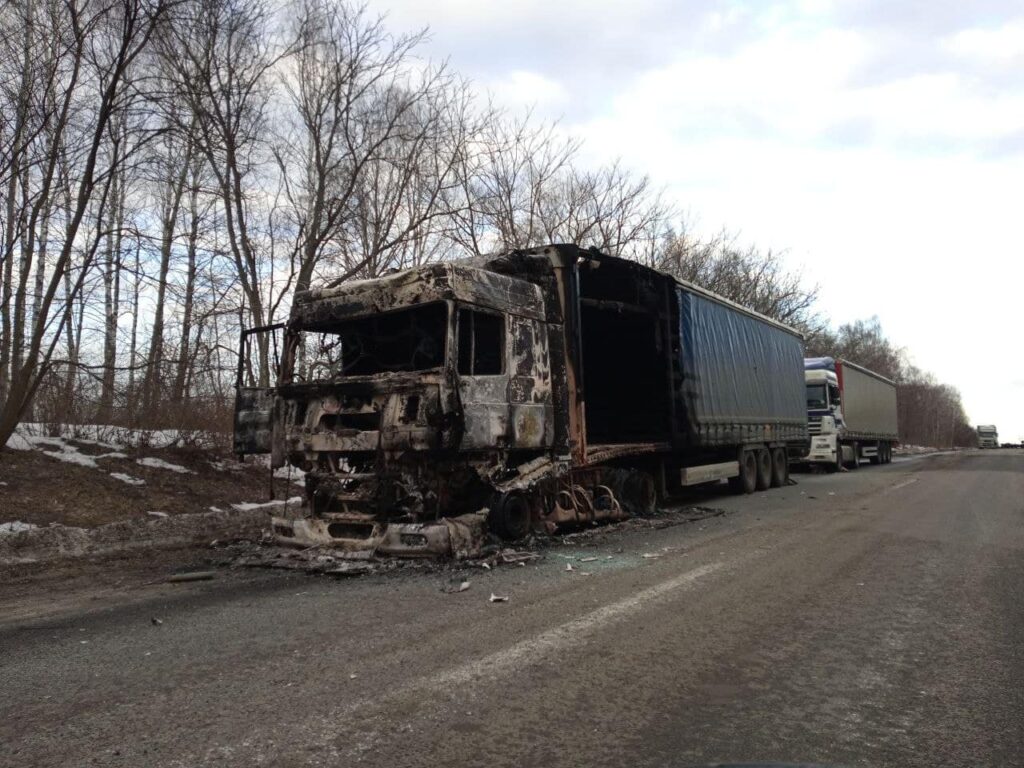
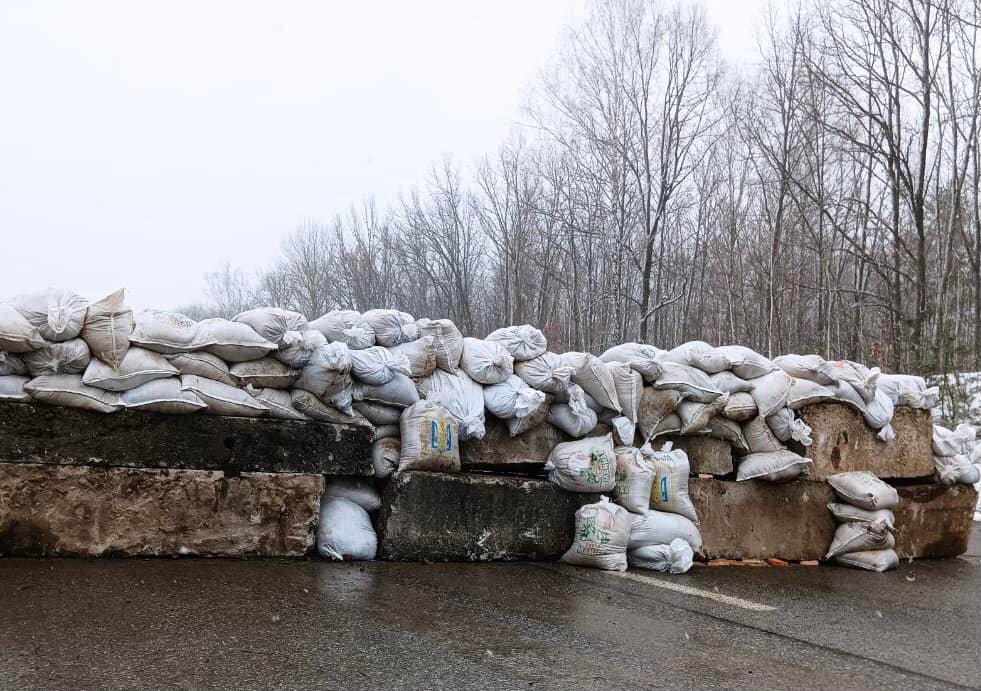
On the morning of February 24, 2022, all the inhabitants of the Krolevets community woke up with the sound of explosions and gunshots. Located 50 kilometres from the Russian border, the locals became one of the first to know that a full-scale invasion began. The President of Ukraine Volodymyr Zelenskiy passed the Order of the Golden Star to the family members of the fallen Hero of Ukraine on August 29, 2022 – the Day of Remembrance of the Defenders of Ukraine who died in the struggle for independence, sovereignty and territorial integrity of our country.The hostilities resulted in the destroying of bridges across the Desna and Seim rivers. This blocked the Community from the “world outside” but also stopped the occupiers from moving directly to Baturyn and Kyiv.
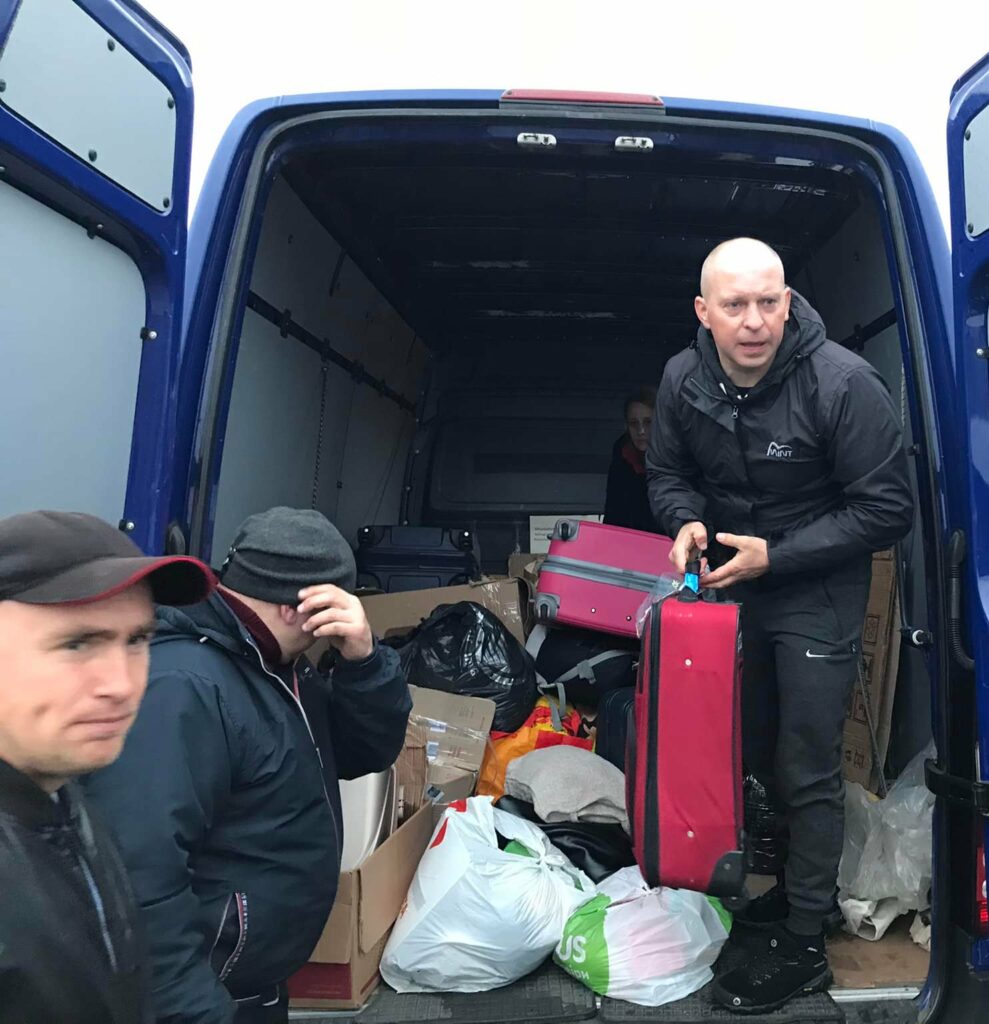
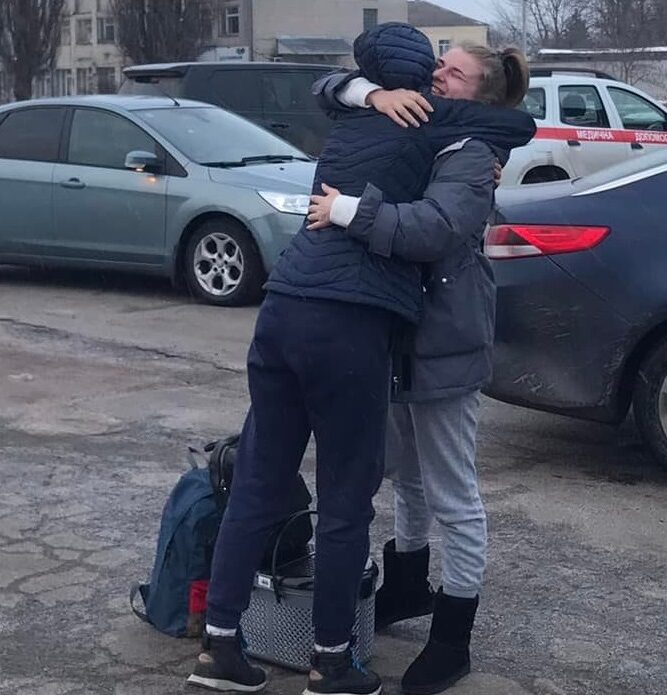
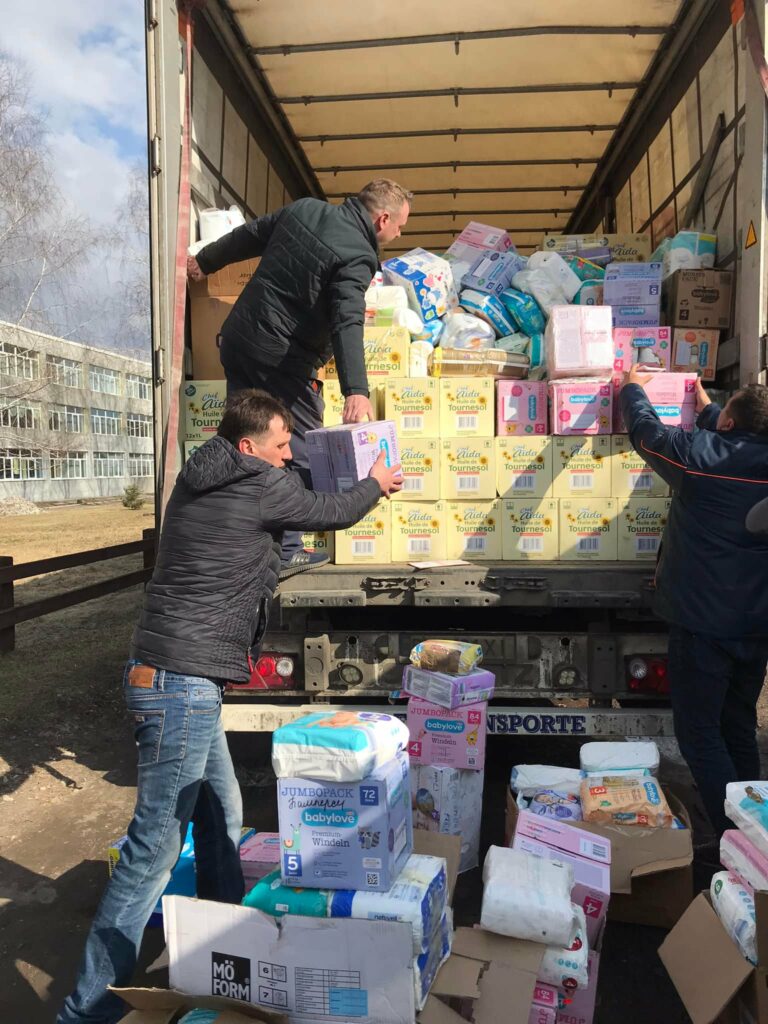
The Russians were unable to enter the town, but they controlled the Hlukhiv-Baturyn road. The only way to get in and out was through Konotop, although it was not always free. The people were overtaken by panic, fear, pain, and many other unknown feelings. Some tried to leave the community, others tried to return home from Sumy or Kyiv, where serious fights were underway.The Krolevets community had to bury their dead, learn to survive, fight, and defend their homes, their land, and their Ukraine. During the first week of the occupation, the lack of food and medicine in warehouses and shops became noticeable. Possibilities of delivering food were close to zero. Volunteers of the Humanitarian Centre delivered food and medicine through enemy checkpoints, columns of occupiers’ equipment, and bypassing destroyed bridges in order to enable the community to survive in terrible conditions. Aid was coming to the Krolevets community from all over the world.
History
Krolevets is a historic town founded in the early 17th century by the Polish government as a fortress on the border with the Tsardom of Moscovy.
The foundation date of Krolevets is still unknown. The first mention of it as a county town along with Hlukhiv, Konotop, and other towns can be found in the Universal by Hetman Yakiv Ostryanyn (Ostryanytsia) dated March 15, 1636.
The town became part of Poland after the Truce of Deulino of 1618, and was granted to the Polish magnate Wyszl. During the reign of King Władysław IV, Krolevets fortresses became an outpost on the border with Moscovia.
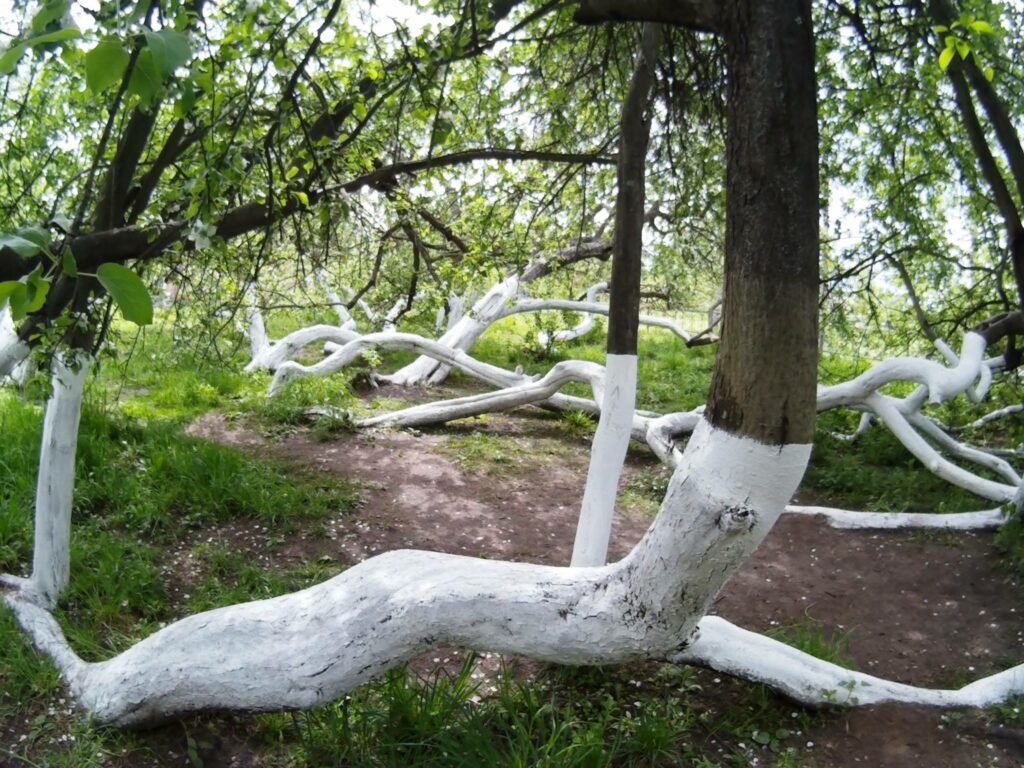
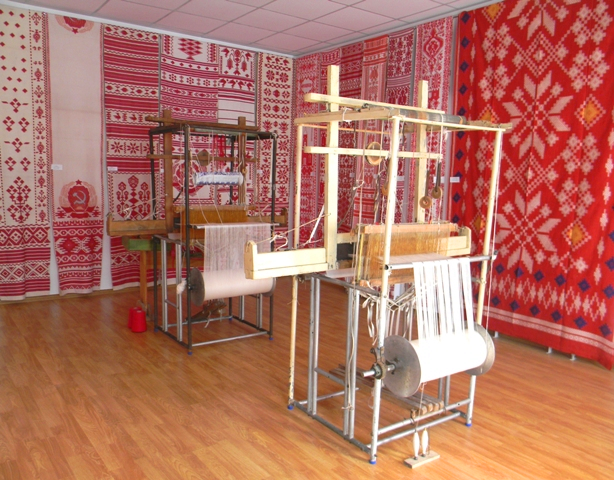
More than 30 archaeological sites have been discovered on the Community’s territory – stops, sites, and hill-forts from the Neolithic, Bronze, Iron Ages, and the Kyivan State. Two hill-forts are located in the villages of Lytvynovychi and Vorhol. Their earthen ramparts have survived until now.The most famous Krolevets landmark is the apple tree-colony. It is a unique object of the Natural Protection Fund of Ukraine. The apple tree-colony is about 200 years old. Today, it consists of 15 strangely curved trees and occupies an area of 1,000 m². The peculiarity of this apple tree-colony is its ability to self-root.The world famous Krolevets Towel is another feature of the neighborhood. Krolevets has long been considered the centre of Polissia weaving art. Krolevets towels are attractive for their festivity, beauty and majestic patterns with red colour on a white background. The weaving industry in Krolevets has been developed since the town was founded in 1601.
Development Strategy
The priorities and tasks of the Krolevets Community that are proposed for approval in the Development Strategy are as follows:
- (Re)construction of water supply and sewerage networks.
- Overhaul/repair of the community’s roads.
- Overhaul of the dormitory for internally displaced persons (attracting foreign donors’ grants).
- Modernization and improvement of the educational network, creation of an academic lyceum in Krolevets.
- Reconstruction of Myru Square (was not launched in 2022).
- Reconstruction of the Spartak Stadium named after M. Lavrynets.
- Creating an investment-friendly climate.
- Expanding the tourist potential of the community.
Sources
- Official Community’s website
- Facebook page
- Facebook page zkombi
- Facebook page of the Centre for Culture
- Facebook page LMGKROLEVETS