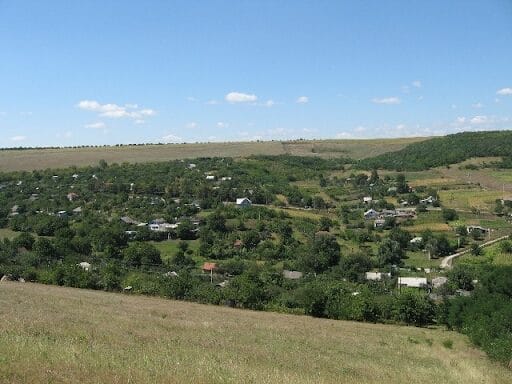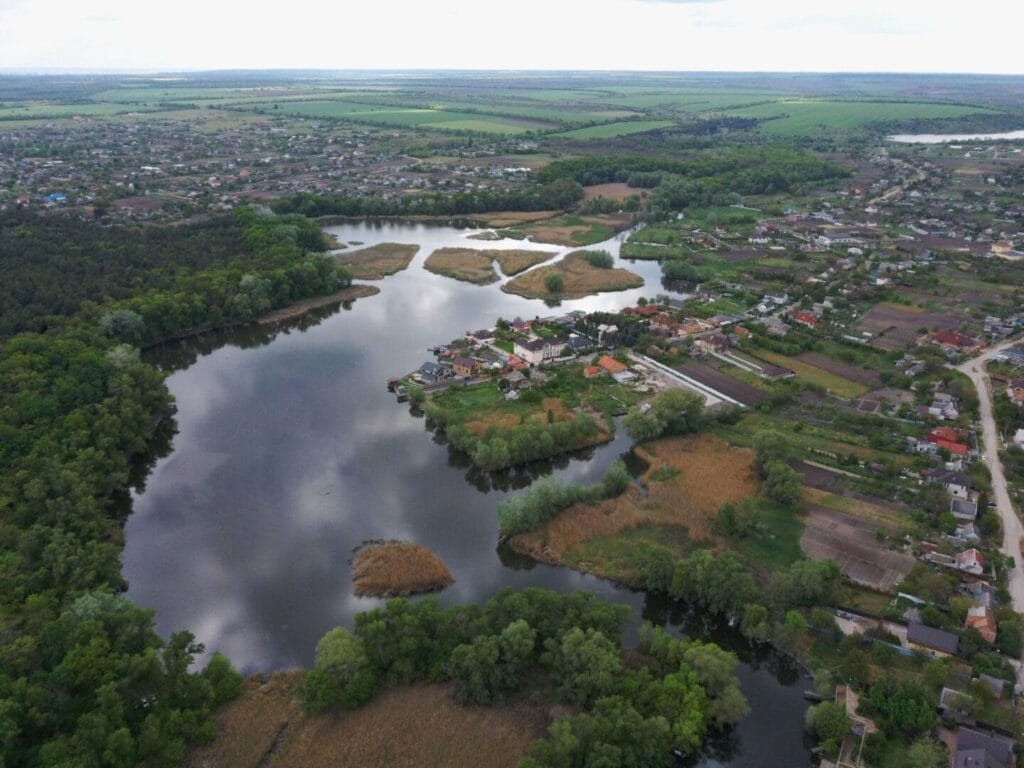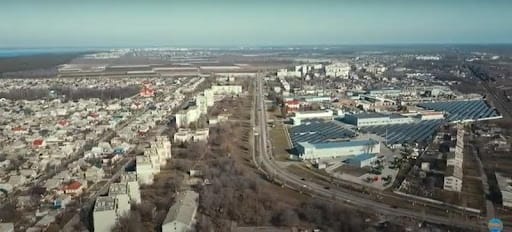
Koryukivka Territorial Community
- Type: Urban-rural
- Population: 20,112
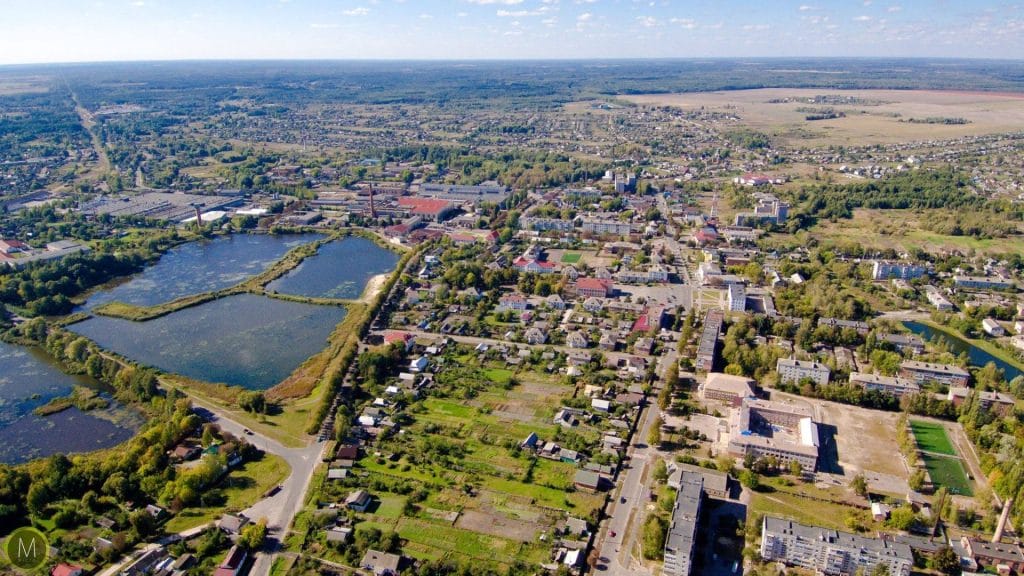
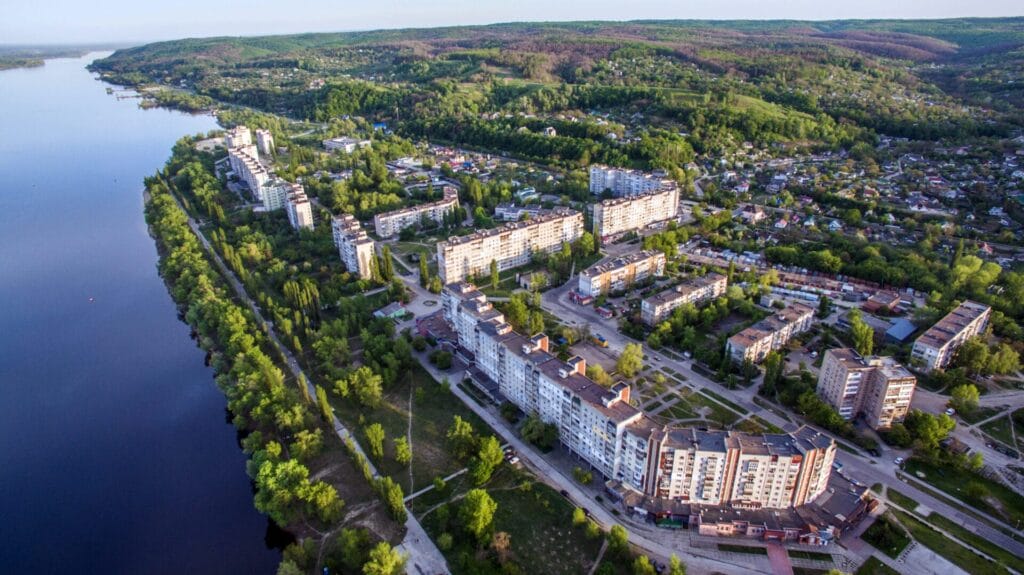
The Koryukivka territorial community is located in the Koryukivka district, Chernihiv region.
The total area is 1,174 km2.
The population of the community is 20,112 people.
Women: 10,790
Men: 9257
IDPs: 1,200.
The community includes 66 population centers and has its administrative center in the town of Koryukivka.
People of the Community
The town of Koryukivka is the economic, administrative, educational and medical center of the north of Chernihiv region.
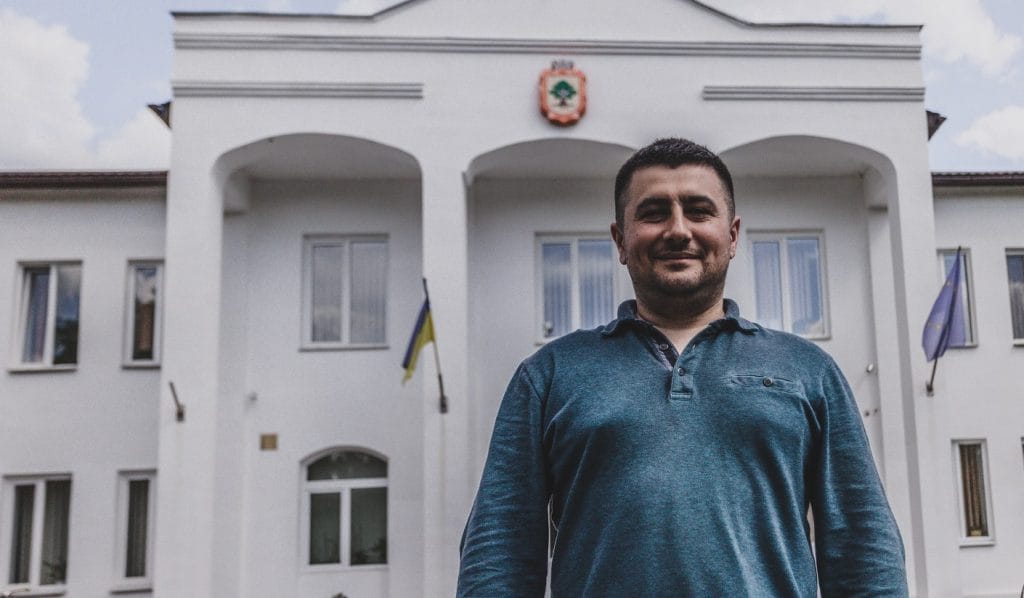
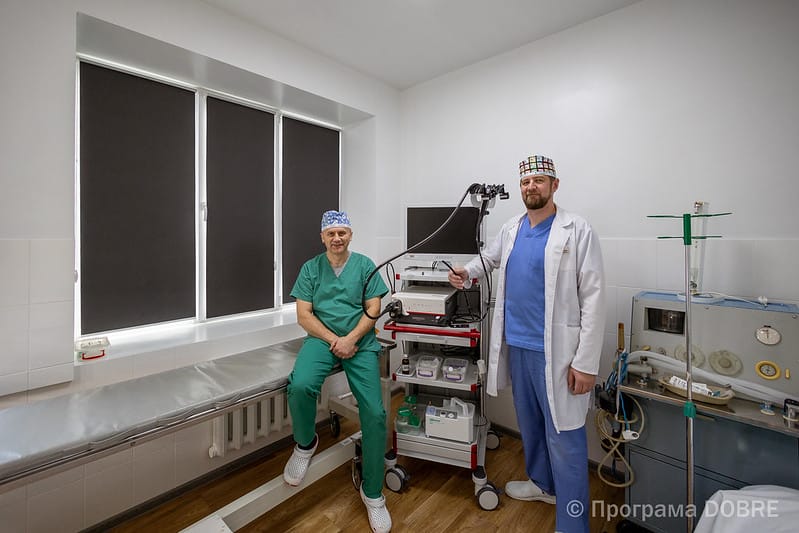
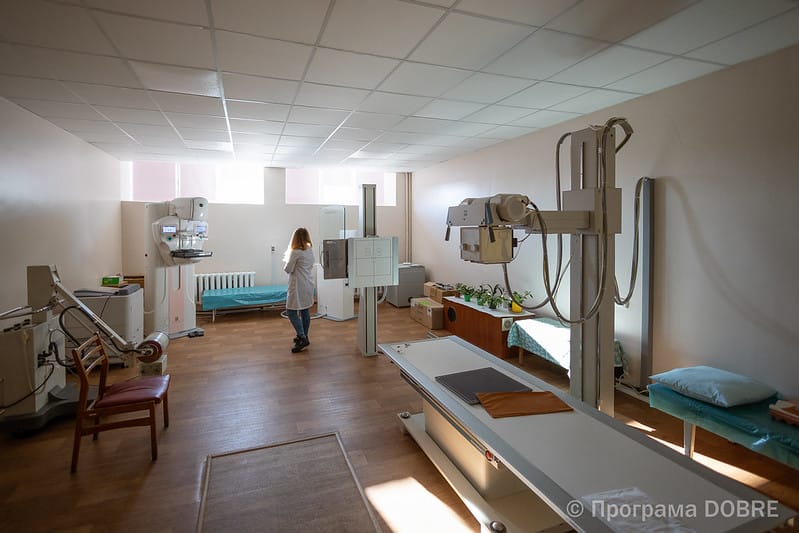
Ratan Akhmedov is the community head. Under his leadership, the community has achieved significant success in various areas, from economic growth to social well-being. The head of the community always emphasizes the importance of investment in local infrastructure and support of small businesses, which contributes to the creation of new jobs and raising of the living standard of community residents.The Koriukivka Central Hospital and the Center of Primary Medicine of the town of Koriukivka constitute a powerful medical complex in which 80 doctors and 180 nurses work. This complex provides medical services to the population of the northern part of Chernihiv region. And this is 150,000 permanent residents and about 10,000 internally displaced persons.
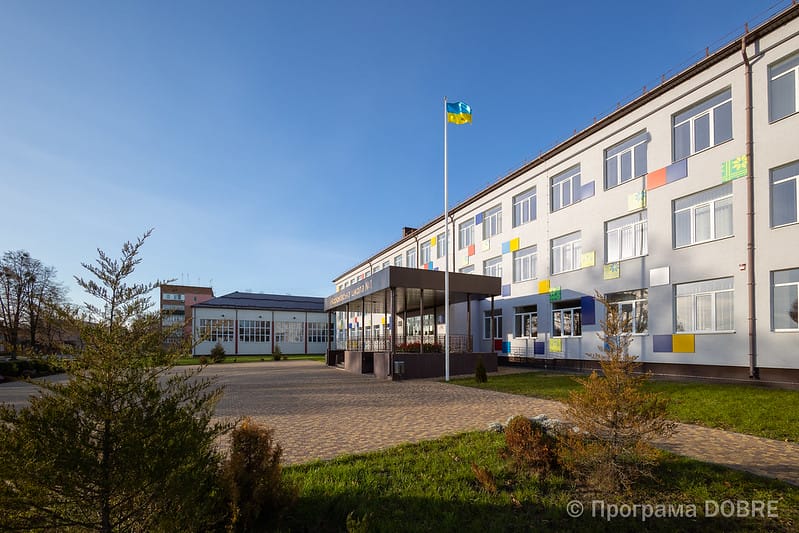
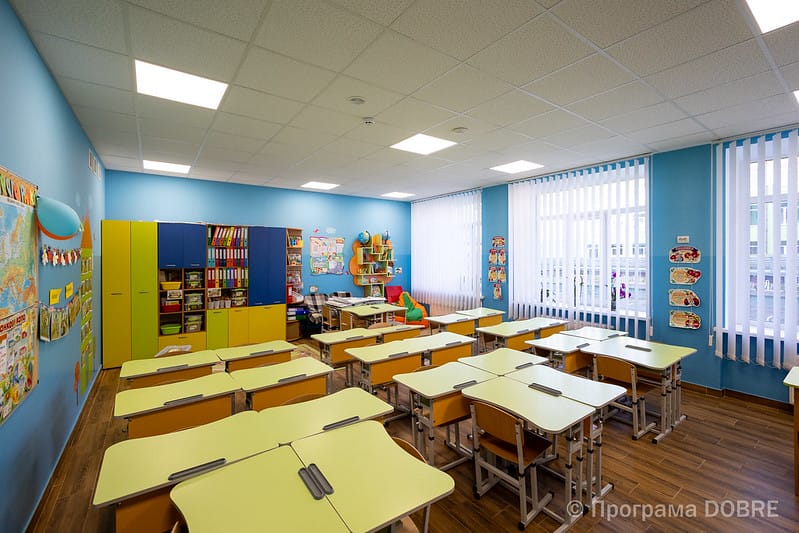
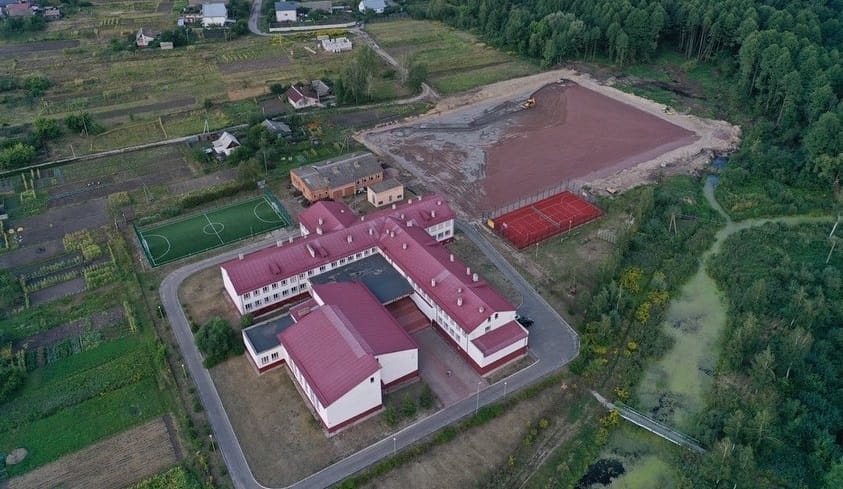
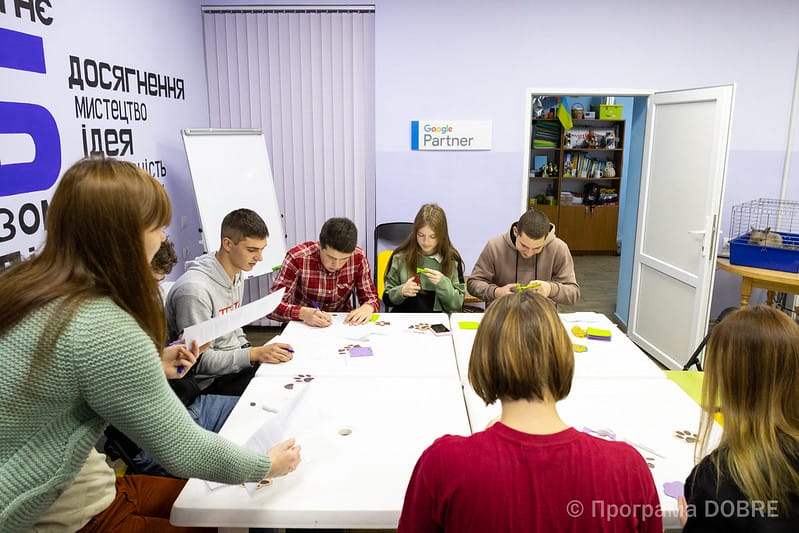
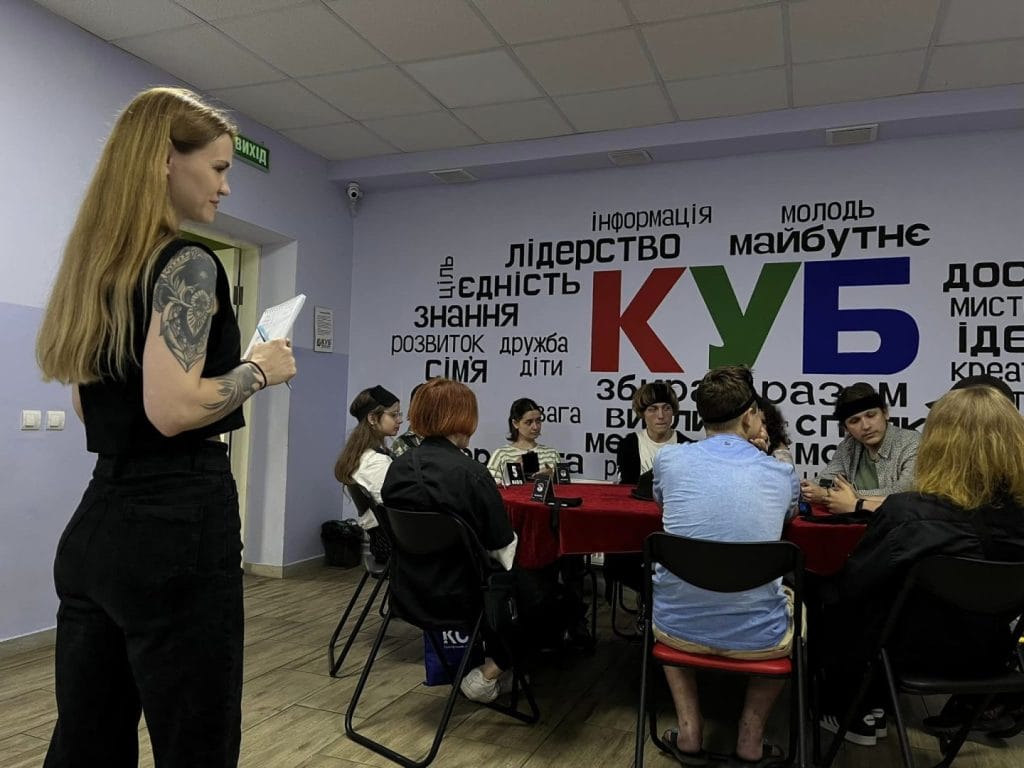
As a result of the war, the medical complex faces a serious burden due to the need to provide medical assistance to victims of military operations with explosive or bullet wounds, loss of limbs, injuries due to being under rubble, and rehabilitation after injuries.The educational complex of the community consists of 10 institutions of general secondary education, 6 institutions of preschool education and 3 institutions of extracurricular education. They seat more than 300 kindergarten pupils and more than 2,000 pupils of secondary schools, of which more than 600 also receive extracurricular education.The KUB Youth Center is a hub of meaningful leisure time, where activities for the development of intellectual, physical and social skills of local youth are planned and carried out.
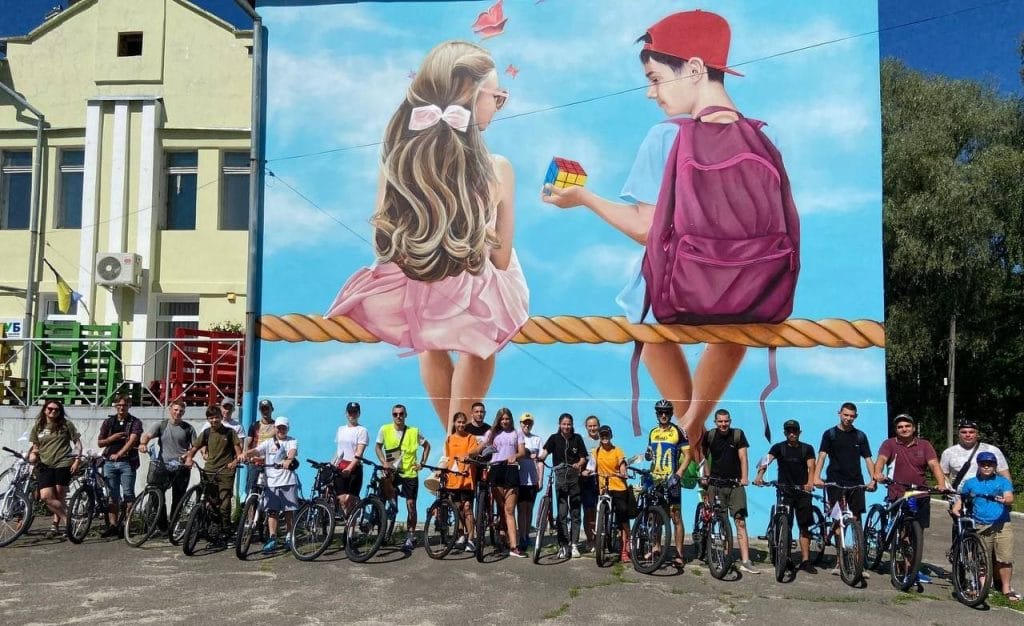
The youth center initiates and supports projects aimed at increasing the activity and participation of young people in the life of the town, including youth forums, volunteer actions, educational trainings and cultural events. This contributes to the formation of a social movement and the positive influence of youth on the social and economic development of the community as a whole.
Community and War
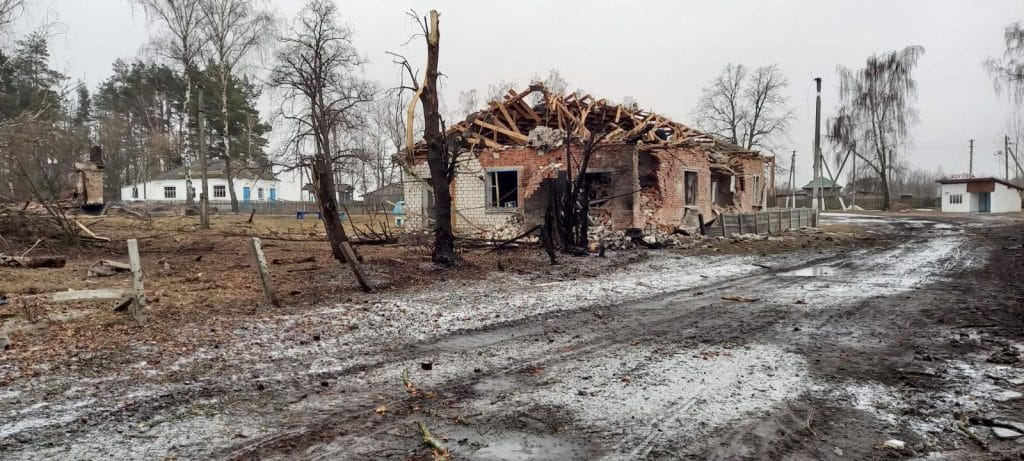
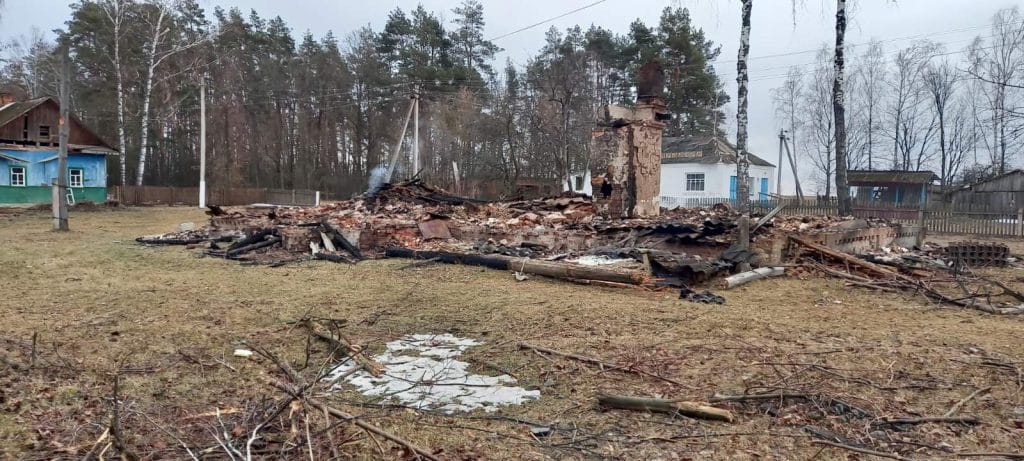
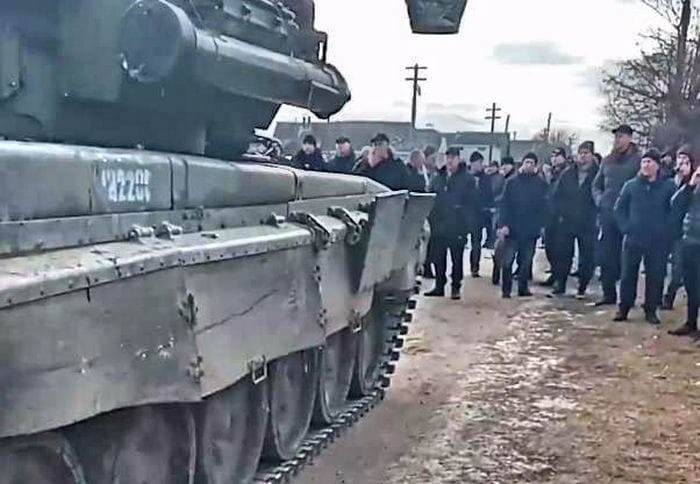
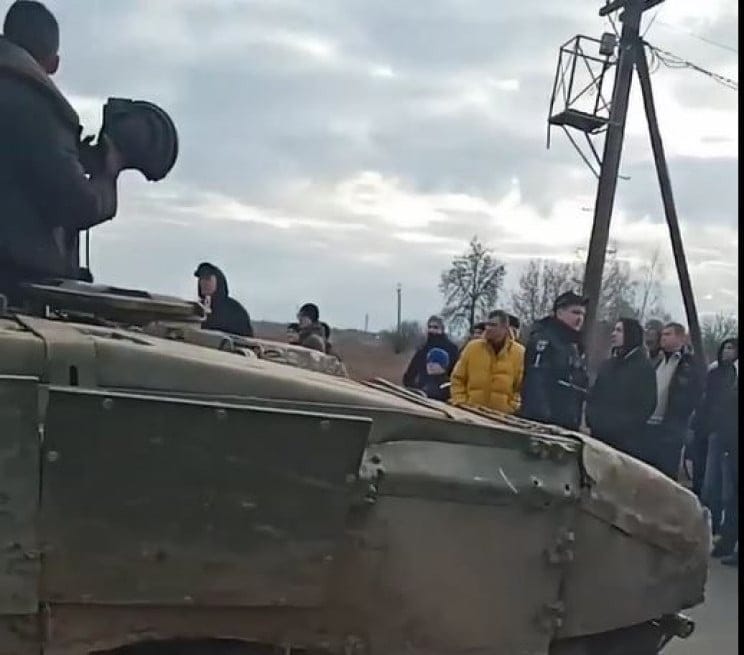
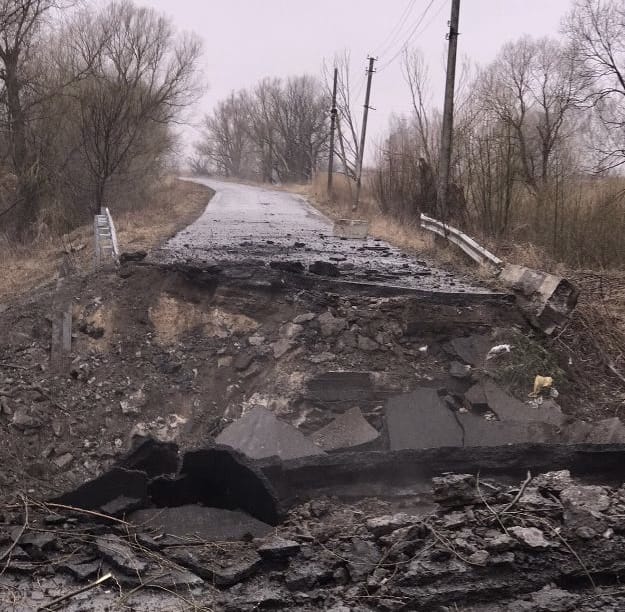
The Koryukivka community is located in the north of Chernihiv Region and was one of the first to suffer from a full-scale russian invasion. The occupiers destroyed local roads and bridges, thereby isolating the community from the rest of Ukraine.The community is located in close proximity to the frontier and borders russia. Therefore, in the first hours of the full-scale invasion, the military equipment of the occupiers, which was moving in the direction of Chernihiv and Kyiv, was on the territory of the community.
One of the villages of the community was damaged as a result of the detonation of ammunition of an artillery piece. As a result of the explosion, the building of the Starostat, a school, a medical institution, a shop, and partly the residential sector were damaged. But the main thing is that the population was not harmed.The community was completely cut off for 41 days. The only way to leave the community was through the zone of active hostilities.
The russians did not set up occupation administrations on the territory of the community, but simply marched towards Chernihiv. And there are several reasons for this. Firstly, all the forces of the enemy army were rushed to the regional center and they guarded their supply routes. And secondly, there was a powerful resistance movement in the community. People did everything possible to stop the enemy army.The occupying forces left the Chernihiv region at the beginning of April 2022, blowing up all bridges and taking thousands of damaged equipment.After the deoccupation, all efforts were directed to the restoration of the local economy and community life. Thanks to reliable friends, partners and donors, logistics, centralized heat and water supply and drainage systems were quickly restored in the community.
History
The community has a long history, which begins in 1657. Then the settlement was founded by immigrants from the Right Bank of Ukraine who lived by hunting, beekeeping, woodworking and handicrafts, providing themselves with everything necessary for life.
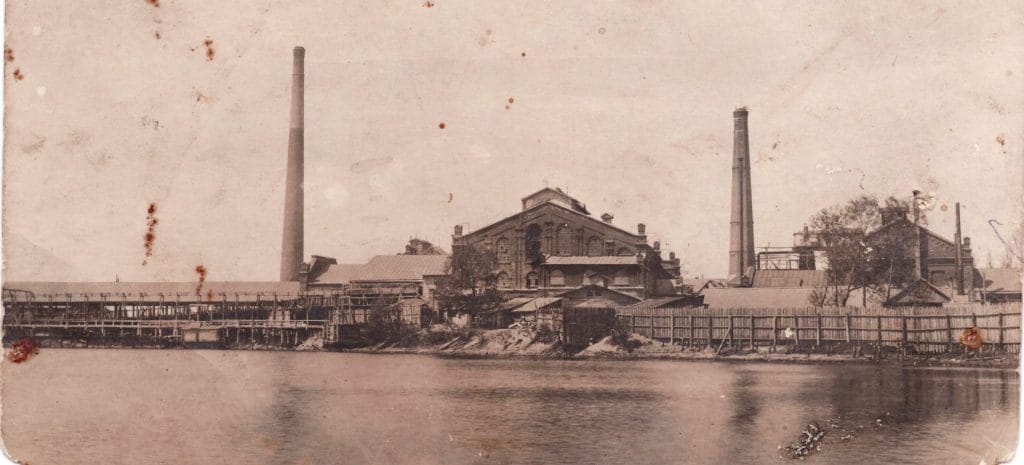
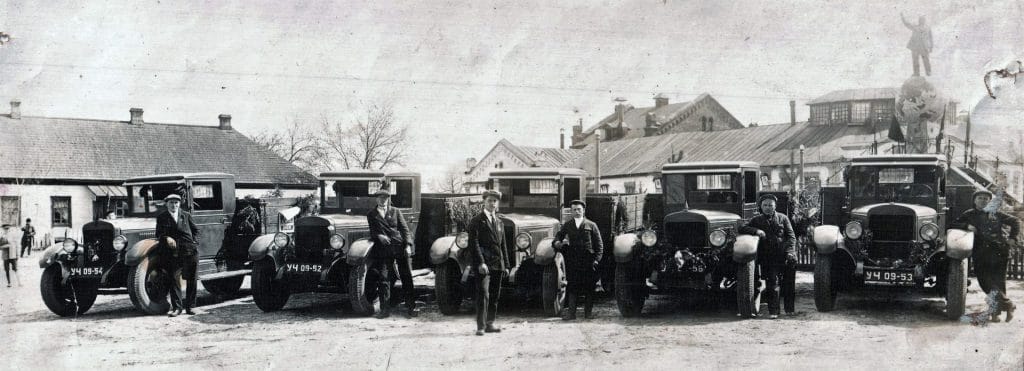
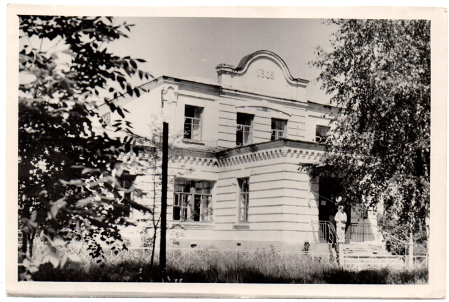
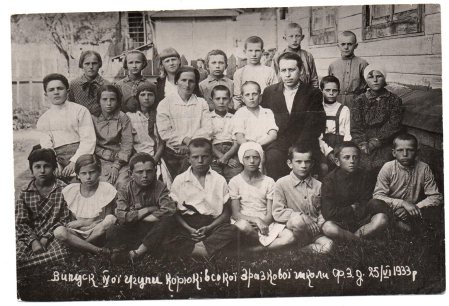
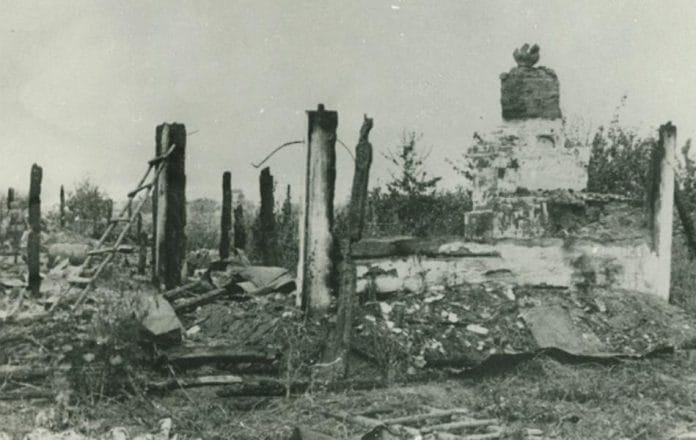
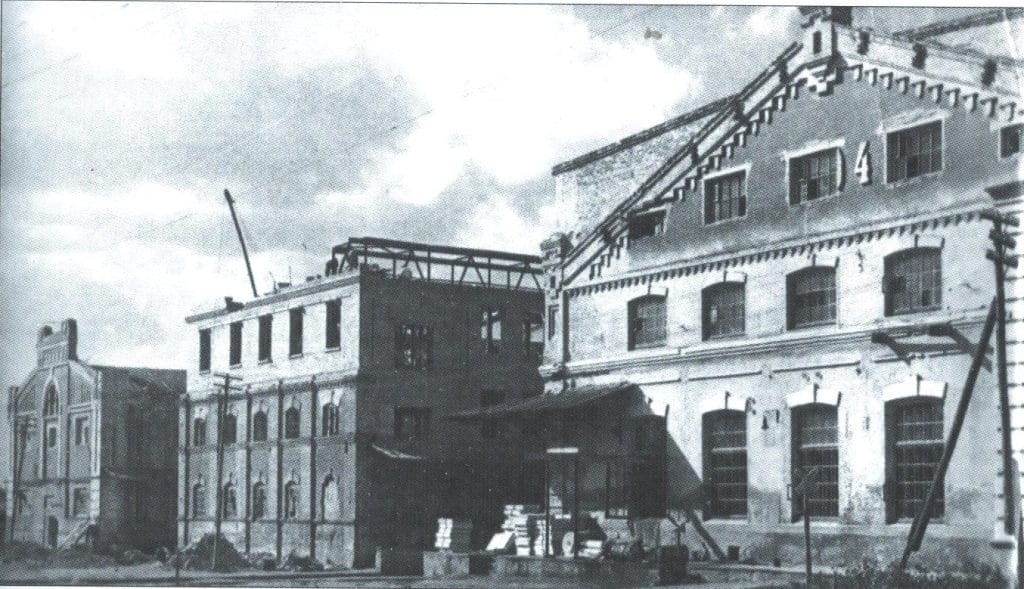
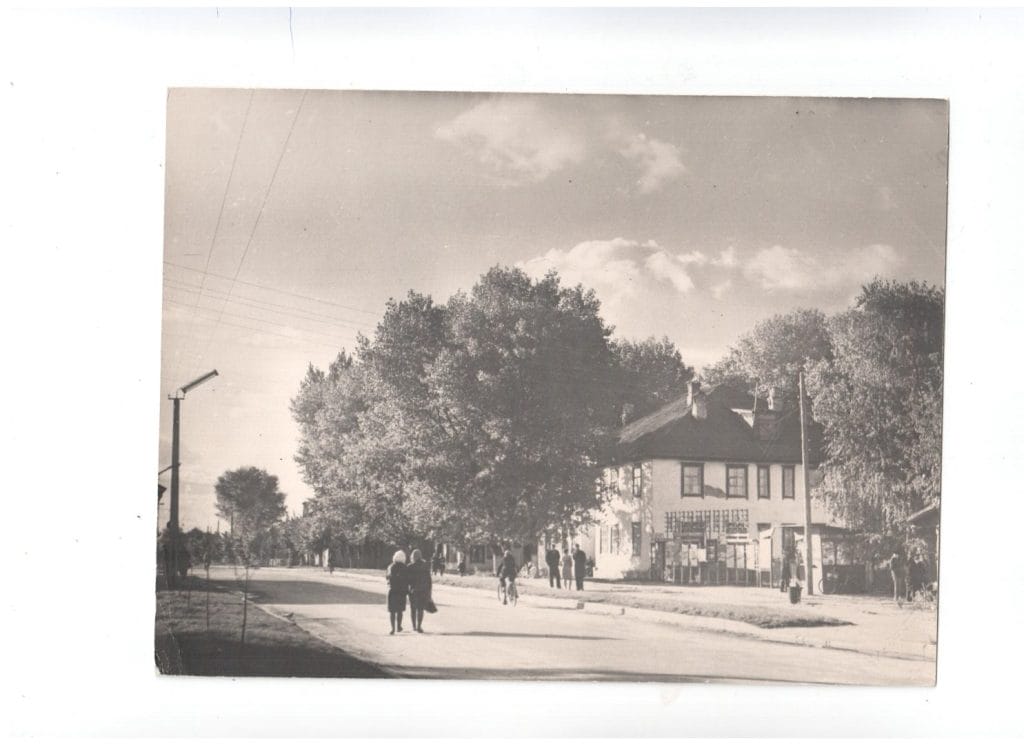
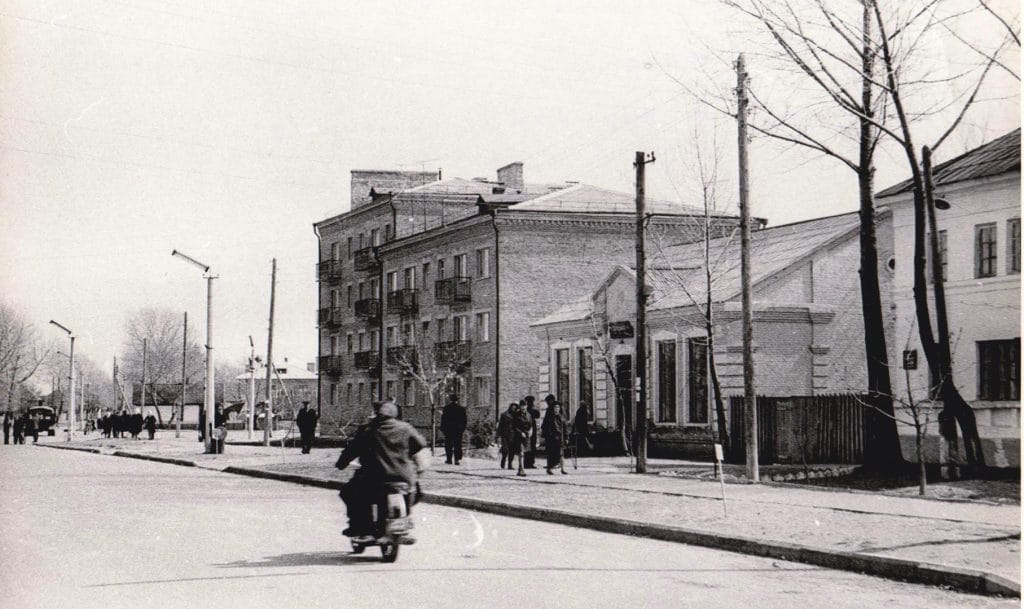
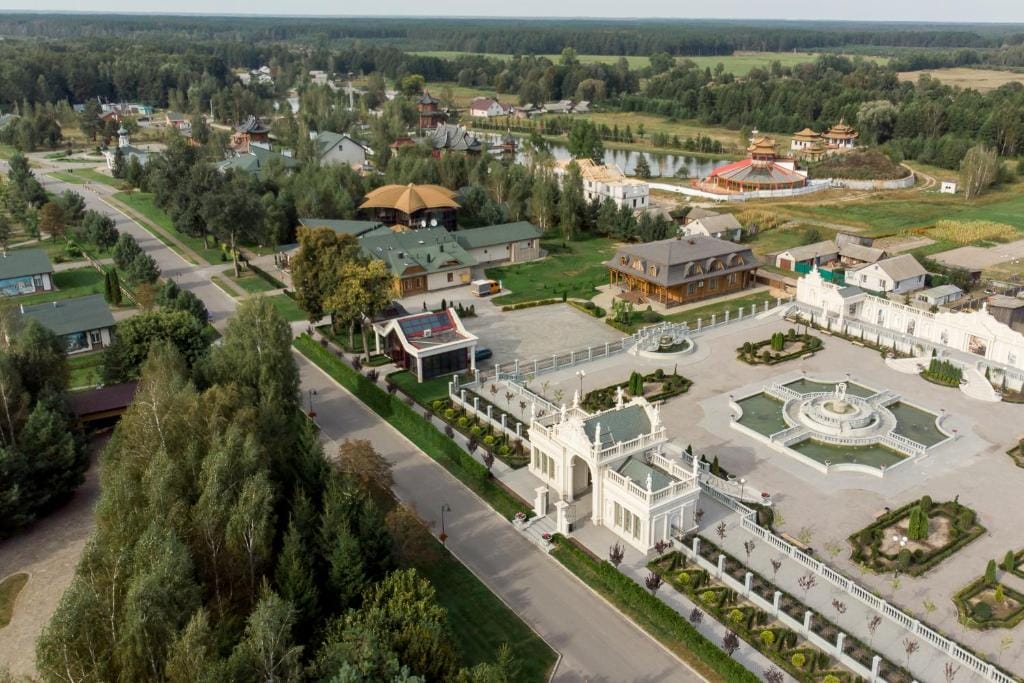
The economic development of the region began in 1858, when merchant Karl Justus von Rauch, the founder and owner of the Karl Rauch company, built a sugar factory in the town of Koryukivka, where 350 local residents worked. Sugar production was successful, and a sugar refinery was built next to the sugar factory in 1876. The number of employees increased to 600 people.As of 1901, about 1,000 workers were employed in sugar production. The products of the Koryukivka sugar factories were awarded golden medals at the All-Russian Exhibition in Moscow (1882) and at the World Exhibition in Paris (1900).In 1941, the population of the town was 13,635. In addition to the sugar industry, which was the basis of the local economy, there was a butter factory, a brick factory, logging enterprises, agricultural enterprises, schools and kindergartens, and a hospital.However, the town was completely destroyed in 1943 during a punitive operation carried out by the punitive squad of the Nazi regime. Over the course of two days, 6,700 residents of the town were killed, most of whom were women and children. All the buildings in the town with the bodies of the inhabitants burned to the ground. The reason for such brutality was the activity of partisans in the nearby forests.In 1946, construction of a technical paper factory began. All machinery for the factory was provided by the German town of Leipzig as war reparations. In 1949, the factory started producing technical paper and adhesive tapes. From then on, wood harvesting, woodworking and the production of technical paper and adhesive tapes became the foundation of the local economy.The Koryukivka community also attracts visitors with its unique nature. Among such places is Ukraine’s largest ecological tourist and hotel complex “Brech” which has a stud farm that breeds Hanoverian horses. It is a great place for residents of big cities who want to take a break from the hustle and bustle of the city outdoors.There is a large lake, coniferous forests and lush meadows with wildflowers here and more than 20 types of outdoor activities. Guests can choose to stay in themed Chinese cottages, Alpine hunters’ lodges or the American building.

Development Strategy
The strategy for the further development of the community is aimed at creating comfortable conditions for living and working, a favorable environment for the education and development of residents, as well as preserving the economic and labor potential. Plans include modernization of infrastructure, investments in energy efficiency and ecology, increased security, creation of modern educational and cultural space for harmonious development of residents, as well as strengthening of recreational and touristic potential of the community.The Strategy of Sustainable Development of the Koryukivka Urban Territorial Community for 2021-2029 was developed for the effective development of the community. This strategy was created as part of the USAID-funded Decentralization Brings Better Results and Efficiency (DOBRE) Program.
Today, the priority tasks in the community include:
- ensuring the safety of its population through the construction of shelters in medical institutions, schools and kindergartens;
- ensuring the autonomy of centralized water supply, drainage and heat supply systems in the community;
- transfer of the centralized heat supply system in the town of Koryukivka from gas boilers to solid fuel boilers, which use wood chips as fuel, which is a locally produced fuel;
- creation of favorable conditions for life in the community, including the reception, placement and adaptation of IDPs from neighboring communities that are under shelling.