Khmelnytskyi city territorial community
- Type: Urban
- Population: 292,900
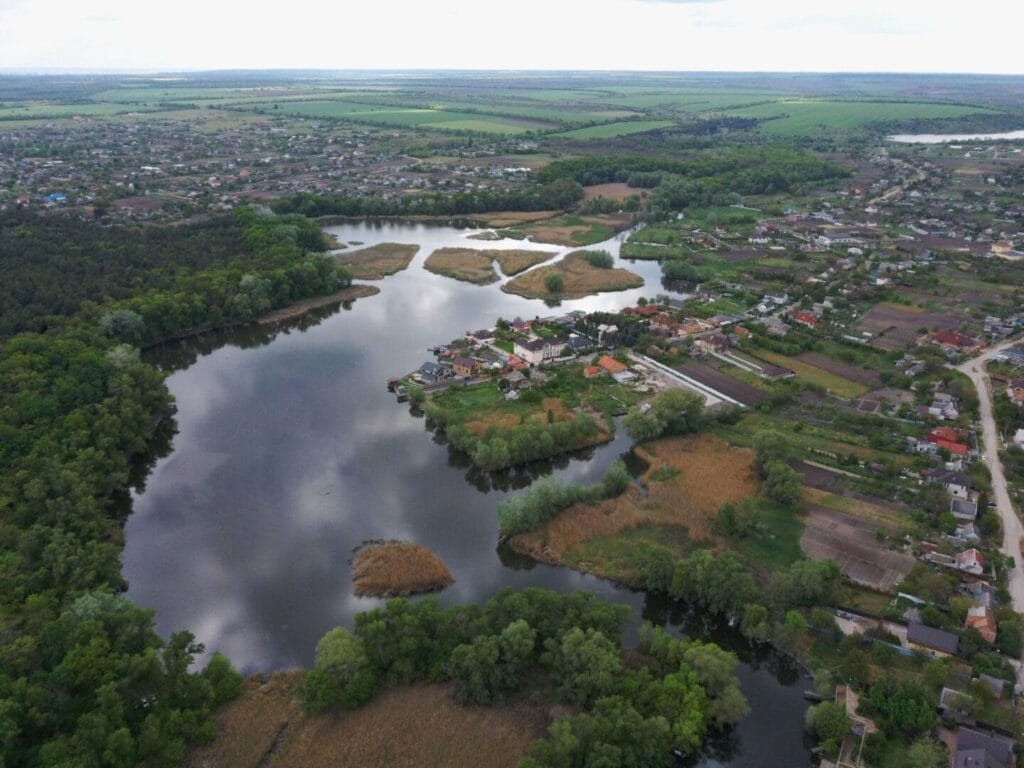
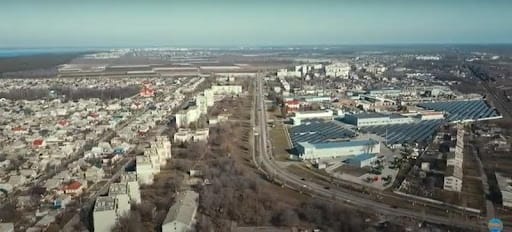
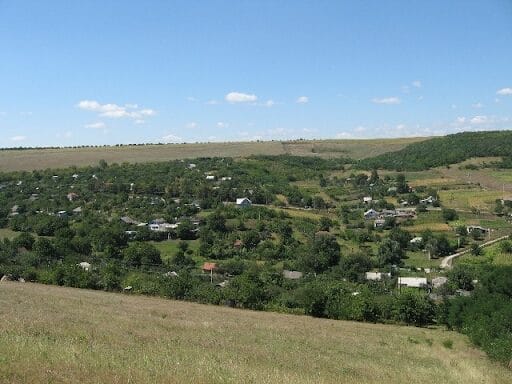
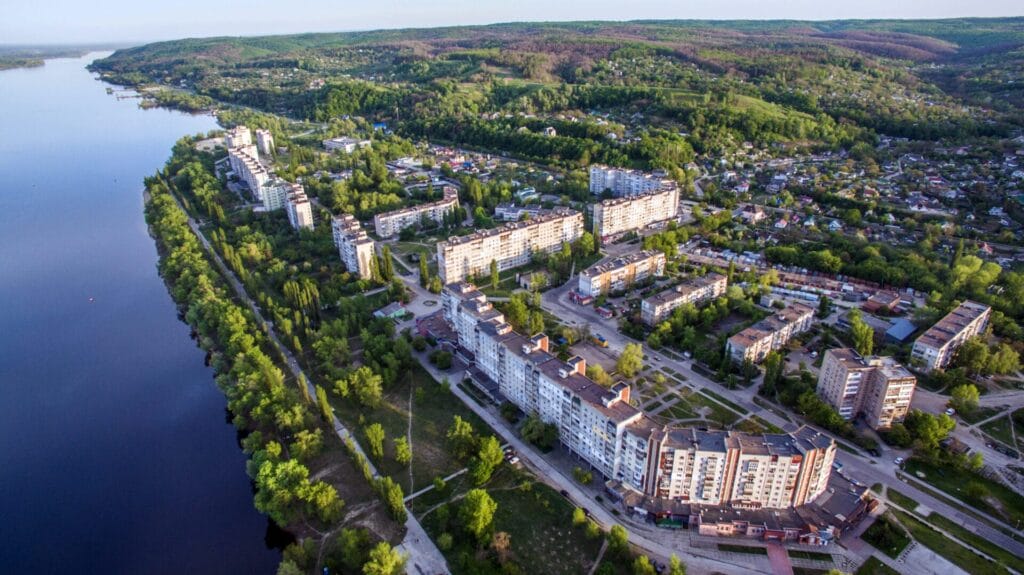
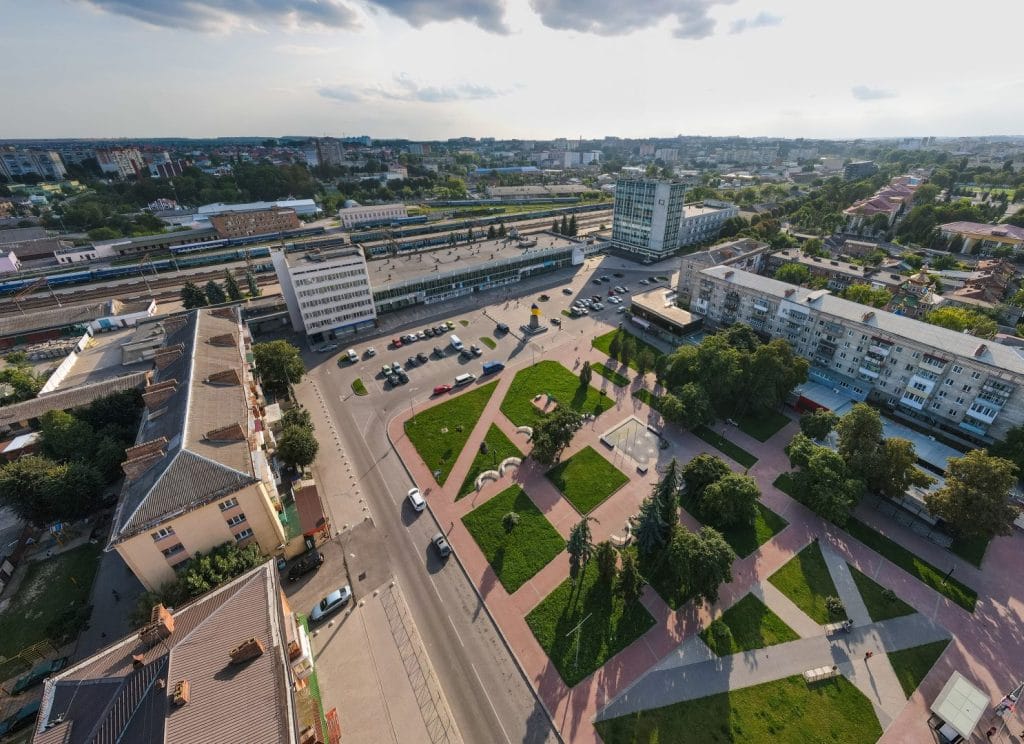
The Khmelnytskyi city territorial community is located in the western part of Ukraine.
The total area of the community is 495 square kilometres. The community consists of 25 settlements.
As of the 1st of January 2023, the population of the community was 292.9 thousand people.
Men – 124.1 thousand people
Women – 147.5 thousand people
Internally displaced persons – 34.5 thousand people
Community and war
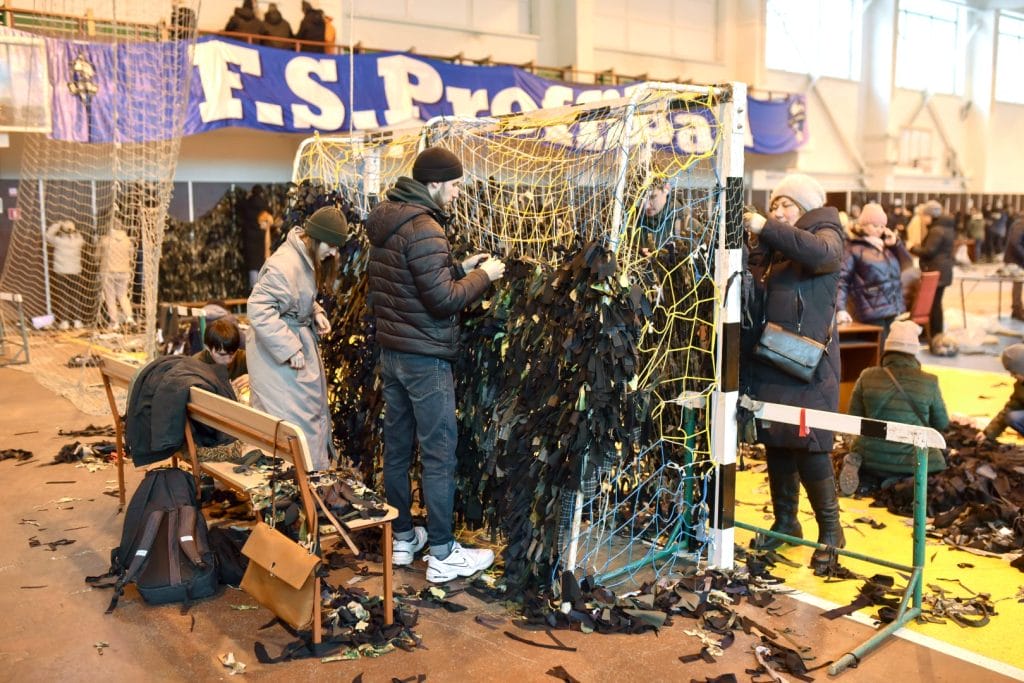
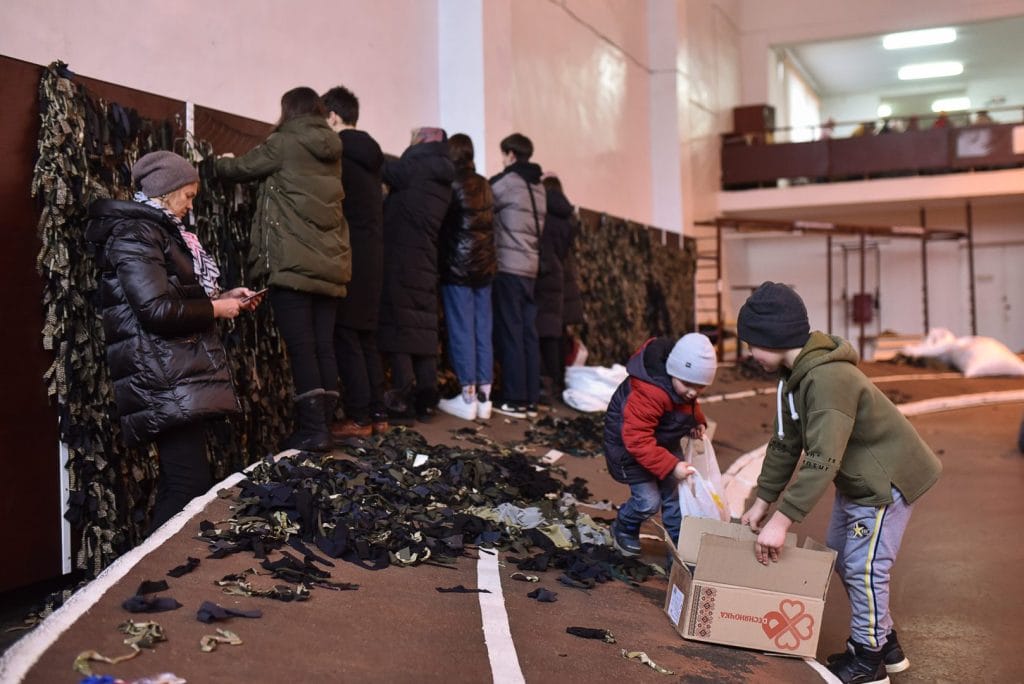
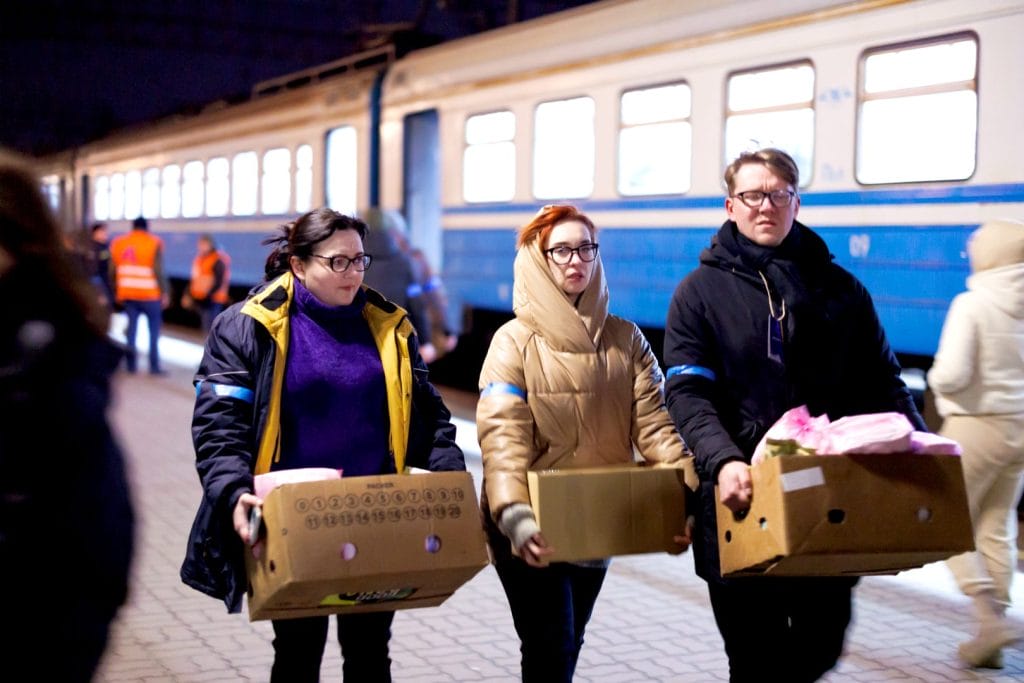
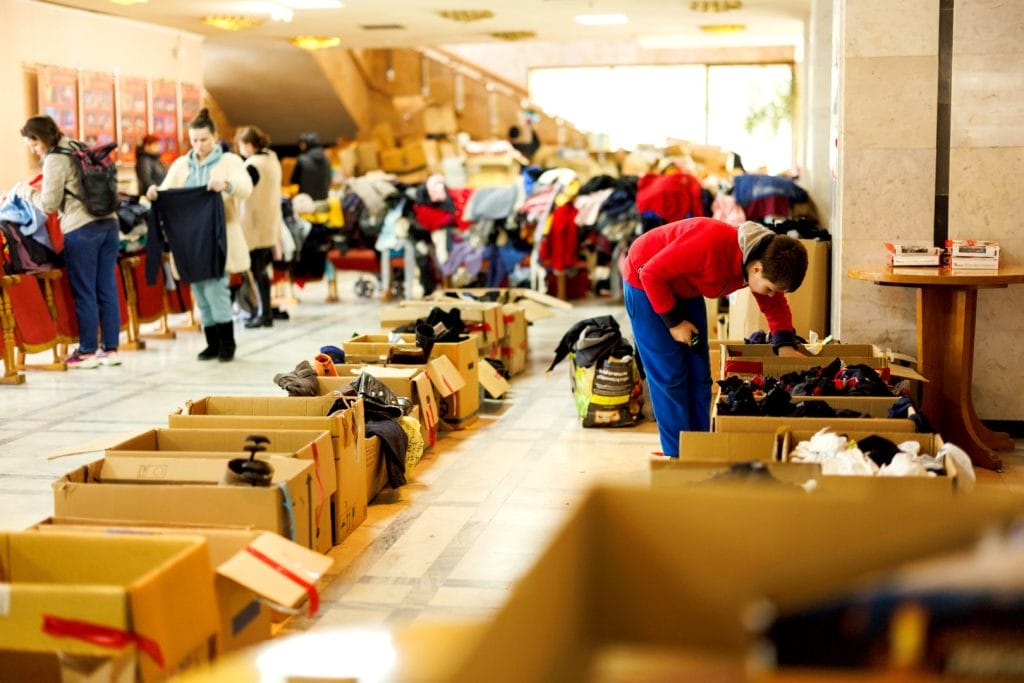
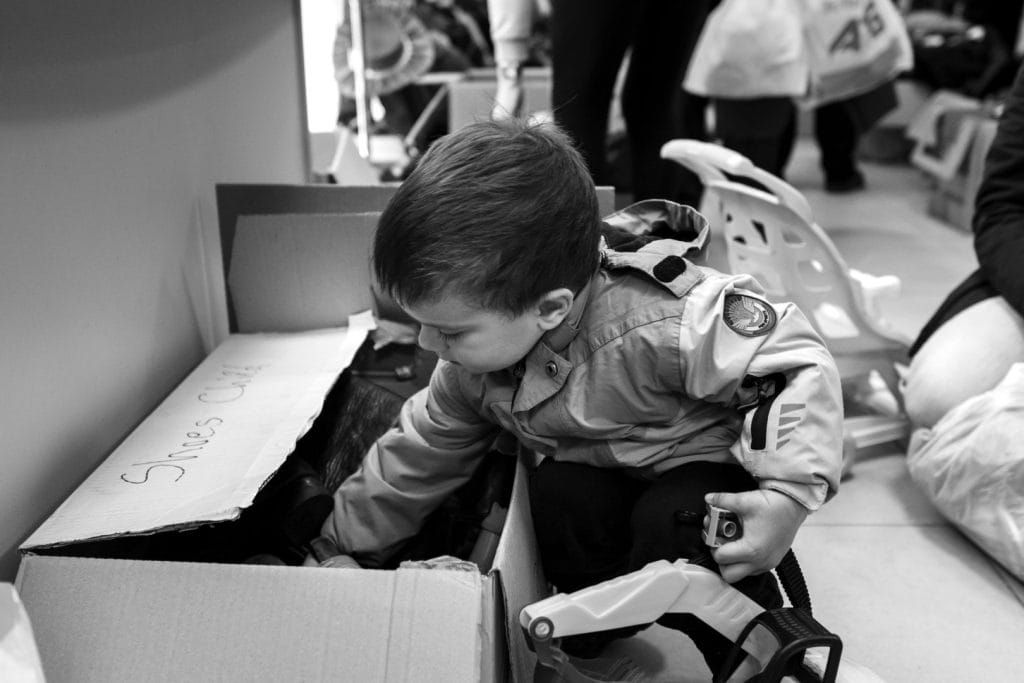
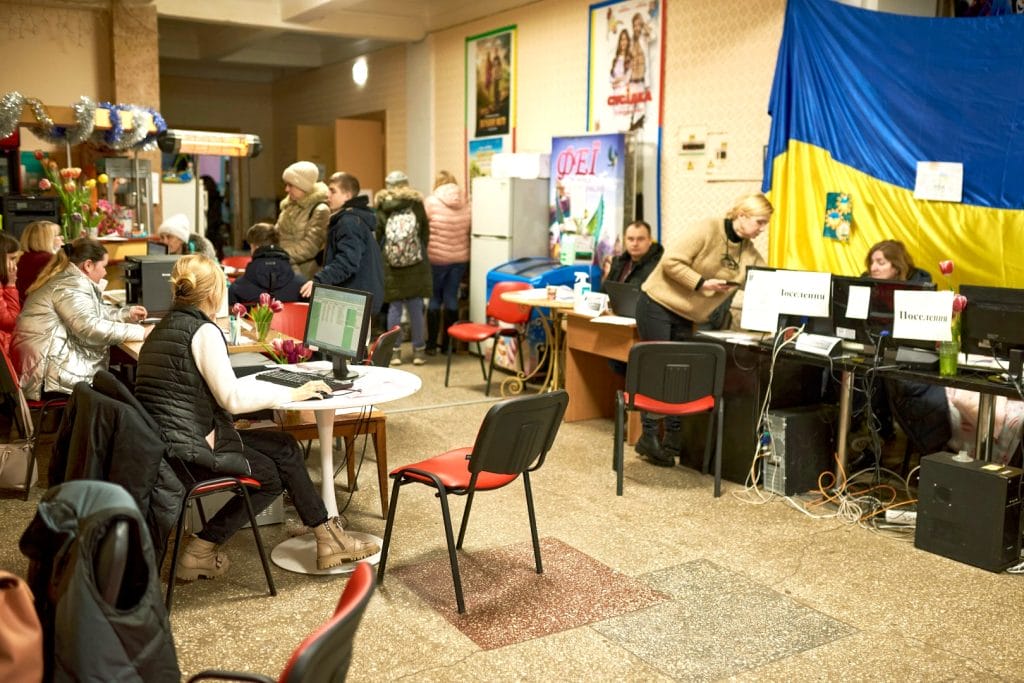
February 24, 2022, was a day that divided the lives of Khmelnytskyi residents and Ukrainians into “before” and “after”. Khmelnytskyi became a refuge from the first days of the war for people seeking safety and fleeing from the conflict. Khmelnytskyi residents united and were doing everything in their power.Volunteer centres, food and water collection points were immediately set up in the city. The railway station, schools and kindergartens turned into HABs for internally displaced people. Cinemas and theatres have become first aid stations. Khmelnytskyi has become a real logistics center for Ukrainians. Up to 50 trains arrived in the city every day. In just one day, the city received between 500 and 9,000 people. According to approximate estimates, 300,000 people travelled through Khmelnytskyi in transit. To provide people with temporary housing, more than 200 community settlement centres were set up. More than 200 settlement centers were established within communities to provide temporary housing for these people.To ensure proper coordination and efficient operation of volunteer activities, the Headquarters for Assistance to IDPs of the Khmelnytsky City Council was established to organise people’s stay and accommodation, collect and distribute humanitarian aid, communicate with Ukrainian and international volunteer centres, handle transport logistics, and provide medical and veterinary care, if necessary. Khmelnytskyi is located almost 1000 km away from the front line, but russian missiles and Shahed drones hit on our community on a regulat basis.
These massive attacks are aimed exclusively at civilians and satisfy only russia’s terrorist goals.
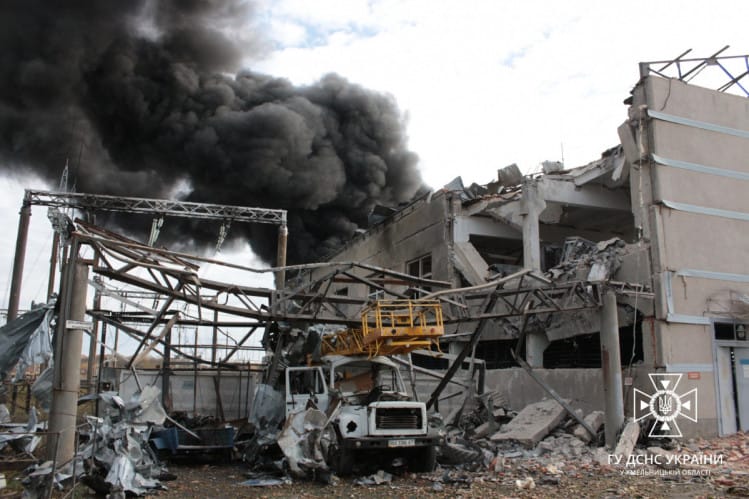
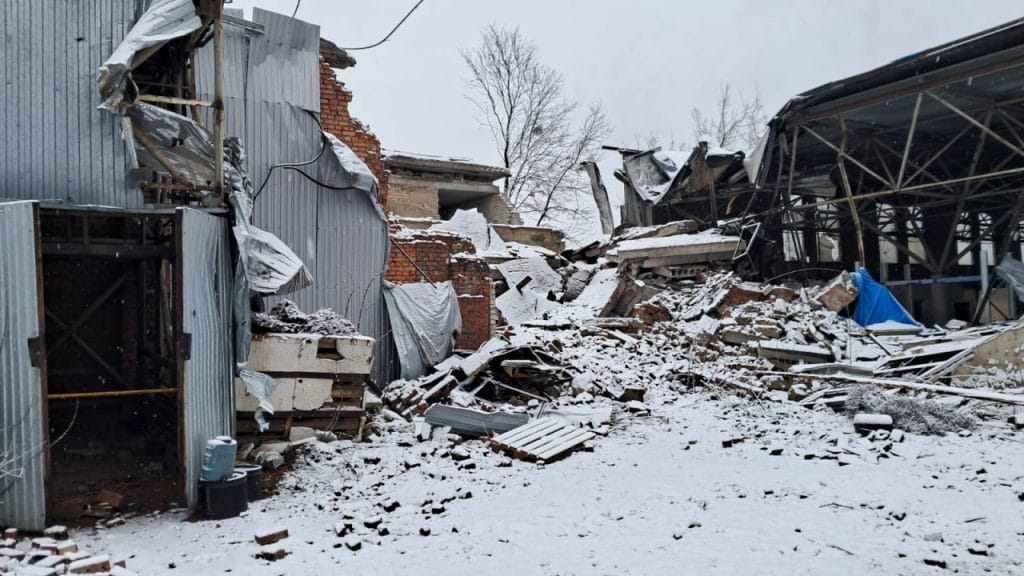
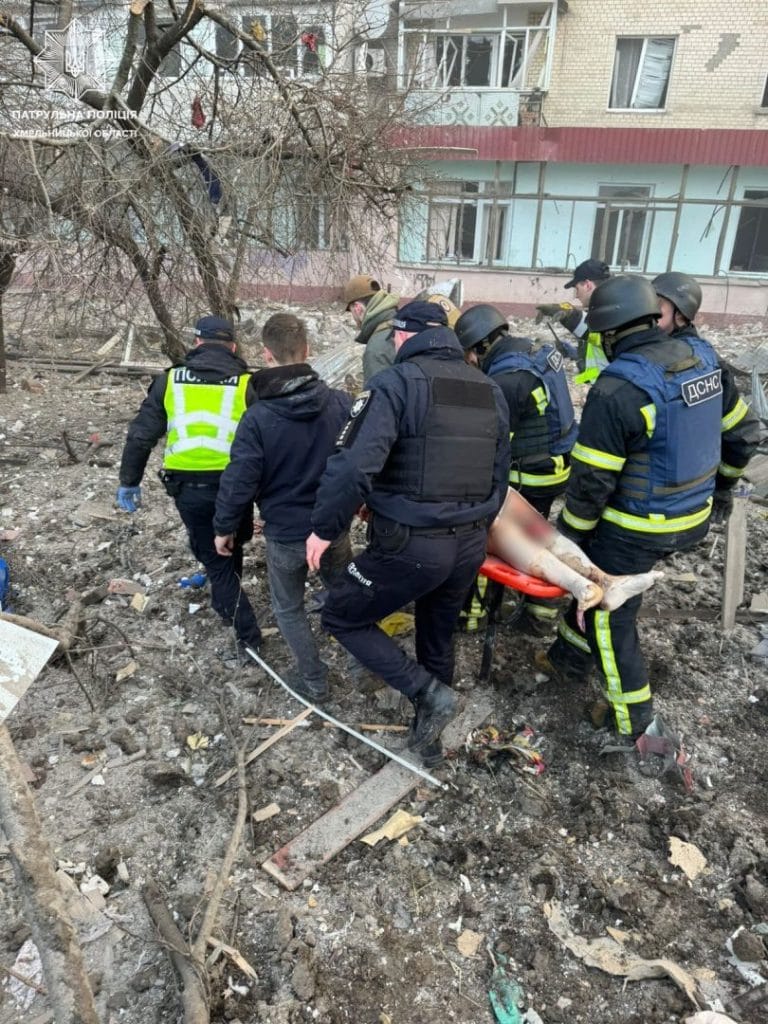
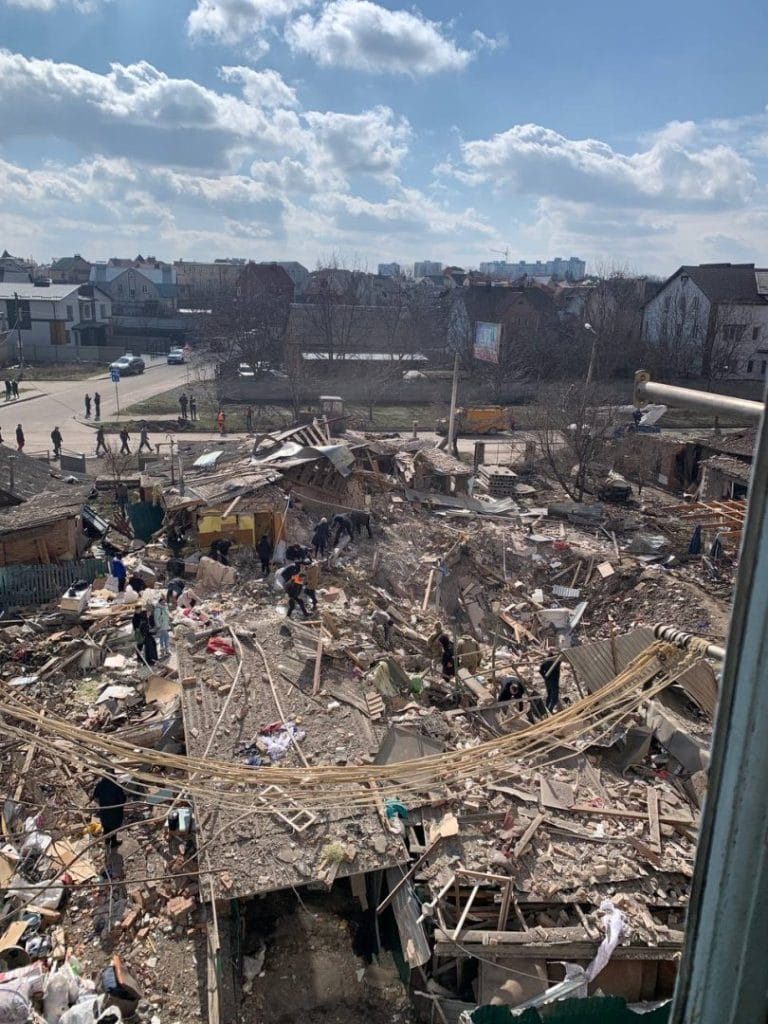
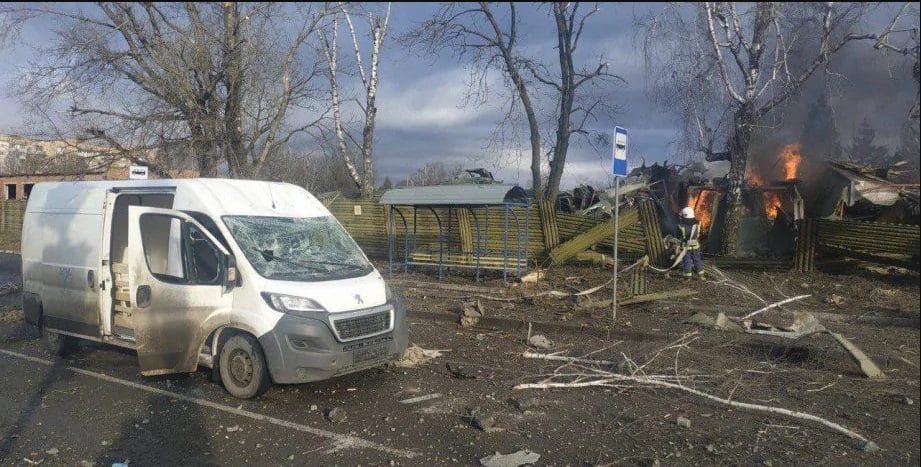
Missiles that Ukrainian defenders were unable to shoot down they were hitting critical infrastructure and residential buildings.Every missile strike causes pain and losses. We sight with relief when we read the news that there are no casualties or injuries as a result of a missile attack. Our residents understand that anything can be rebuilt and restored, except human life.
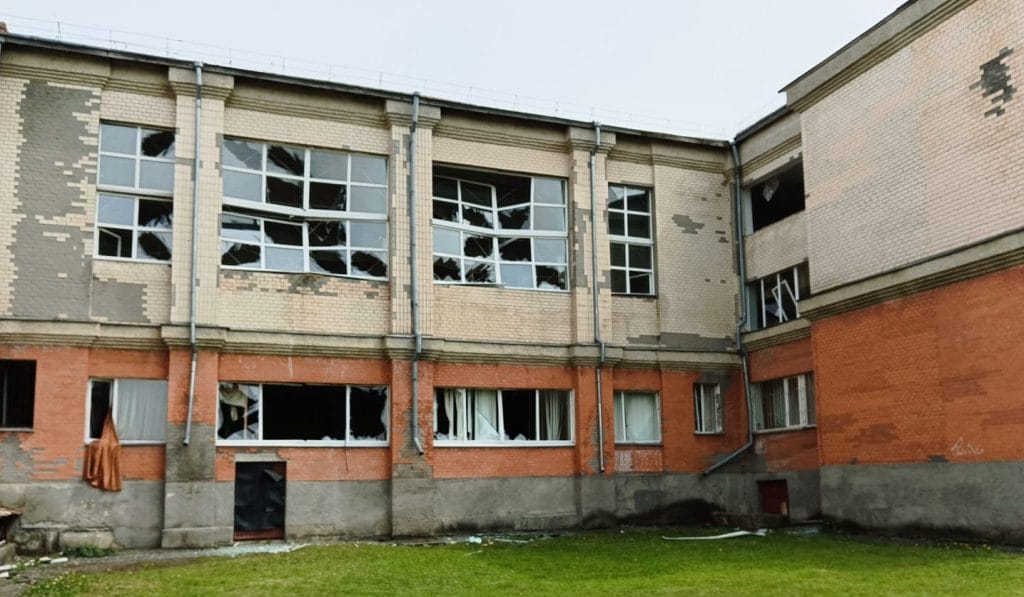
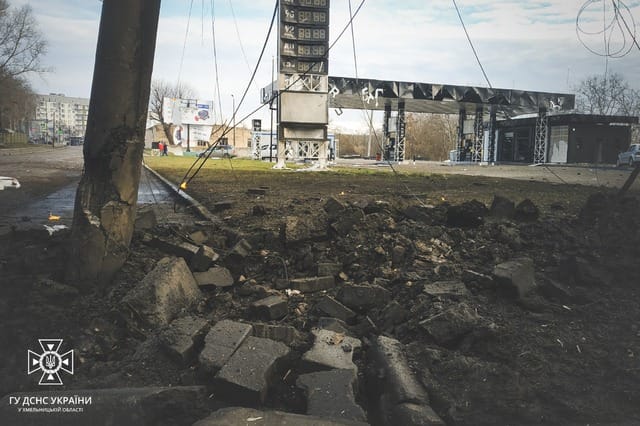
We are restoring damaged schools, gas stations, cafes, restaurants, and residential
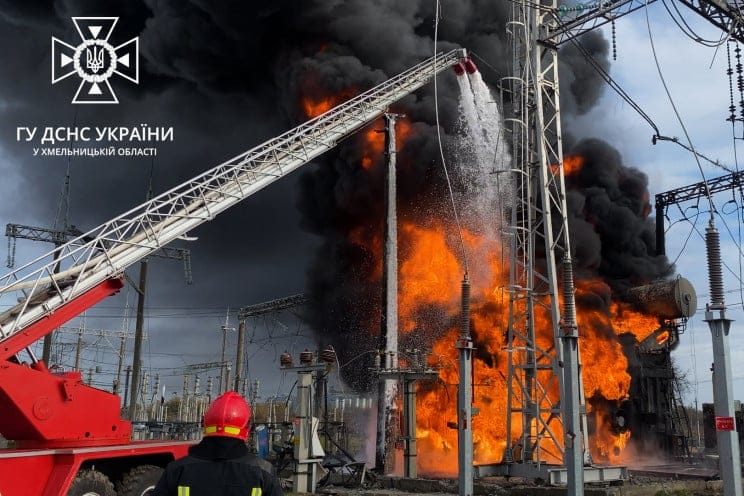
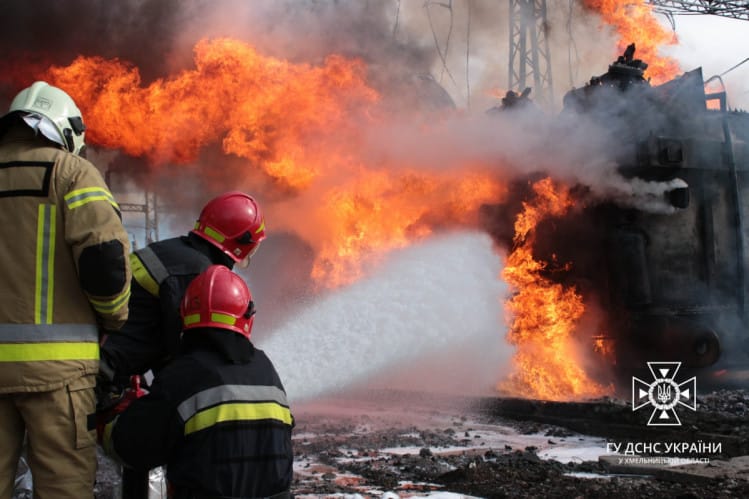
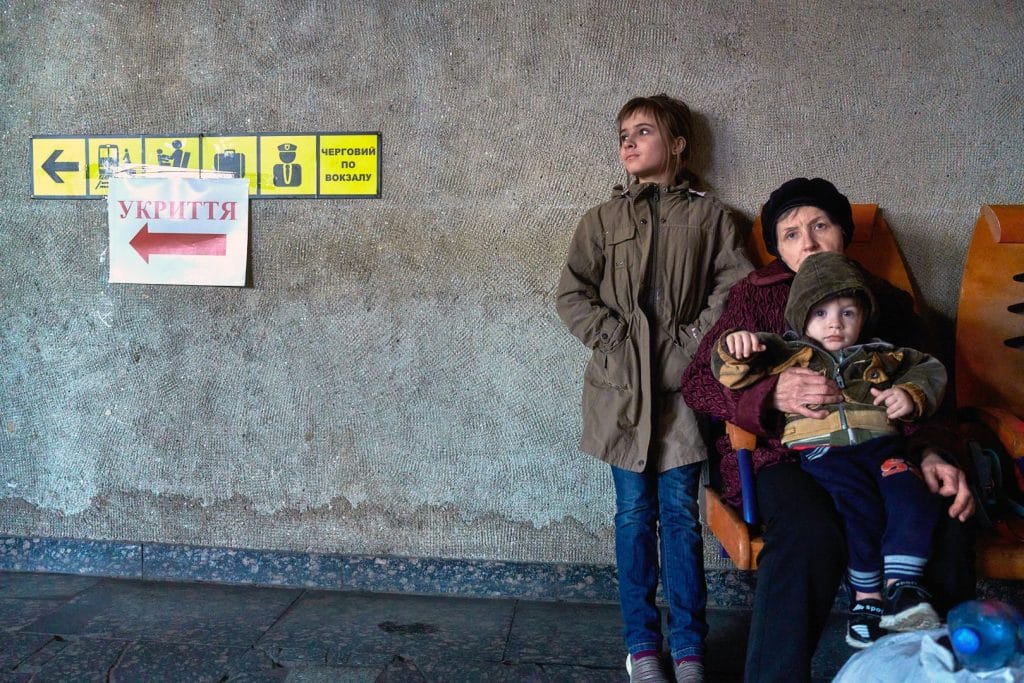
buildings that were damaged by fragments of russian missiles.Unfortunately, sometimes we have injured people after missile strikes who suffer from mine-blast and craniocerebral injuries, closed chest injuries, and numerous shrapnel wounds.Another russian missle strike targeted our municipal facilities, energy infrastructure, and our largest transformer station. This strike was carried out with a single aim – to frighten and leave the people of Khmelnytskyi without light, heat, and water. The most terrifying missile attacks by russia occur in winter, when temperatures drop to -12°C. It is hard to describe and find the right words. This is 21st-century terror and genocide of a nation in the heart of Europe; it is a war against Ukrainian children, the elderly, and ordinary civilians. As a result, the missile strike led to power supply restrictions in Khmelnytskyi, leaving nearly half the city without electricity.Our children are born, grow up and study in bomb shelters. Most of their childhood memories will be the sounds of sirens and explosions.

History
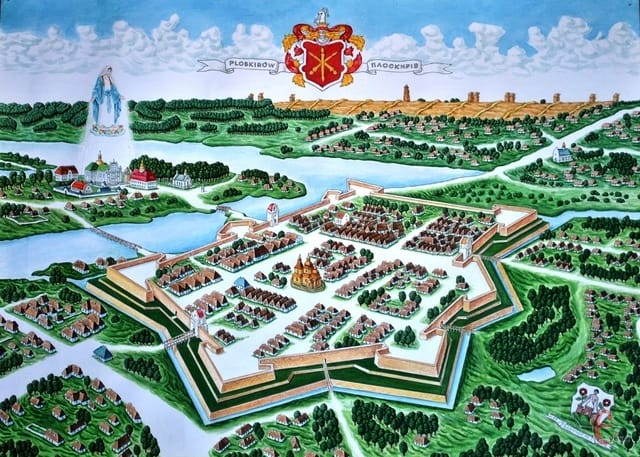
The documented history of the city of Khmelnytskyi spans nearly six centuries, while its hypothetical origins are lost in historical records. Historians believe that people have lived here since ancient times, as stone tools from the Neolithic period and the Trypillia archaeological culture have been found in the area of the modern city.
The city essentially originates from the small settlement of Ploskyriv (Ploskyrivtsi). The exact date of the town’s founding is unknown. The earliest known mention of the settlement, which became the foundation of modern Khmelnytskyi, dates back to 1431. The history of the city has been recorded since that date.
Throughout the centuries, the city was under the rule of the Kingdom of Poland, the Polish-Lithuanian Commonwealth, the Ukrainian state of Bohdan Khmelnytskyi, and the Ottoman Empire. In 1699, it returned to the Polish Crown, and in 1793, following the second partition of the Polish-Lithuanian Commonwealth, Proskuriv became part of the Russian Empire.
The population of the city in the 17th-20th centuries was multiethnic, consisting of three largest communities: Jewish, Polish, and Ukrainian. During the rule of the Polish magnate family Zamoyskyi (17th-18th centuries), Ploskyriv gradually and steadily acquired the characteristics of a city. The city’s coat of arms still reflects elements of the Zamoyskyi family crest “Jelita” – three crossed arrows transformed into spears.
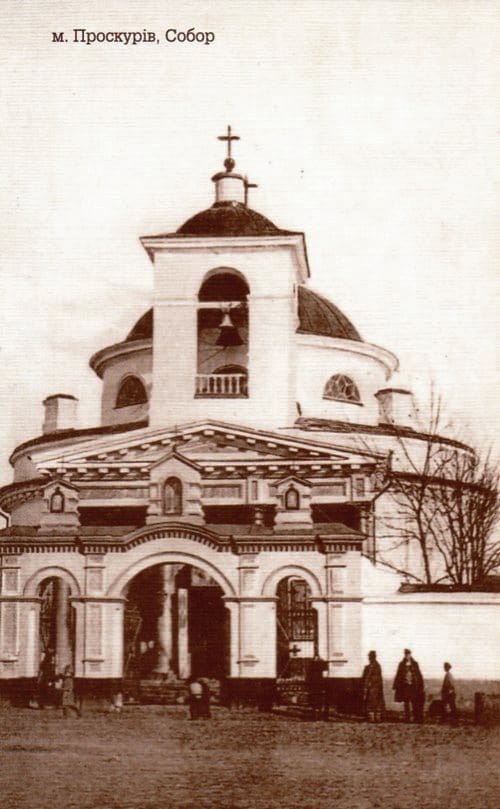
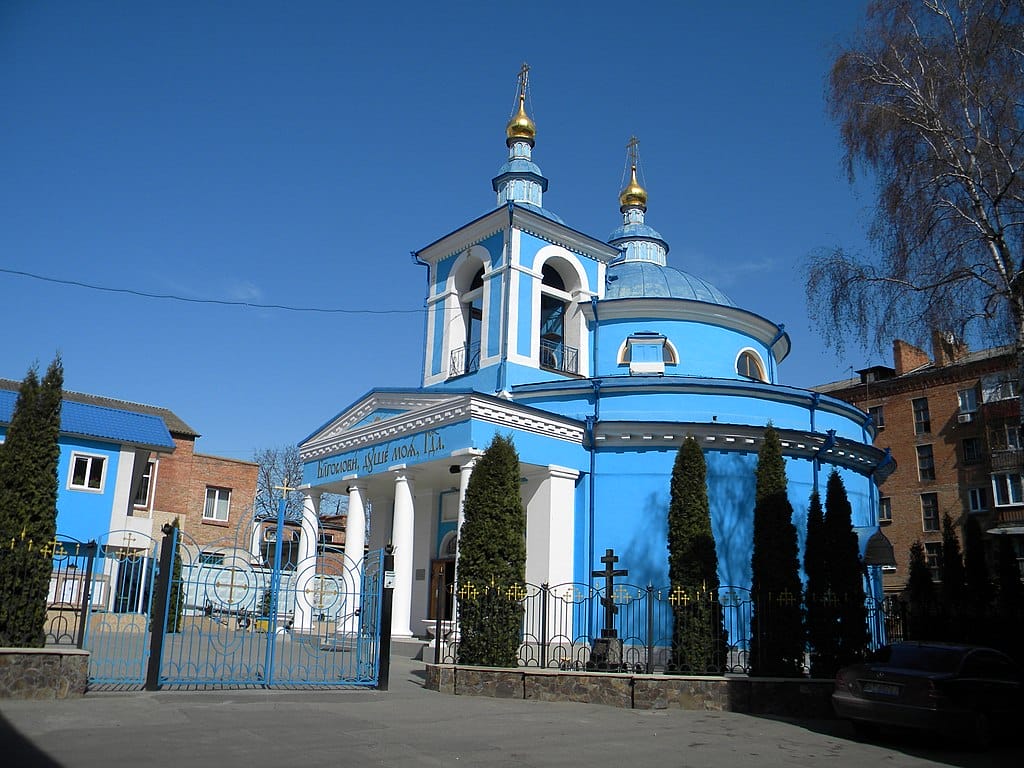
At the beginning of the 20th century, it was home to one of the largest Jewish communities. The Jewish community invested significantly in the development of the city in the second half of the 19th century. Additionally, during this period, the population of Proskuriv was growing due to the numerous military units, educational institutions, and establishments.In 1822, a great fire struck Proskuriv, destroying nearly the entire city. After the fire, the city’s reconstruction began. In 1824, the master plan for Proskuriv was approved, and in 1837, the Cathedral of the Nativity of the Blessed Virgin Mary was built—the oldest building in the city that has survived to this day.
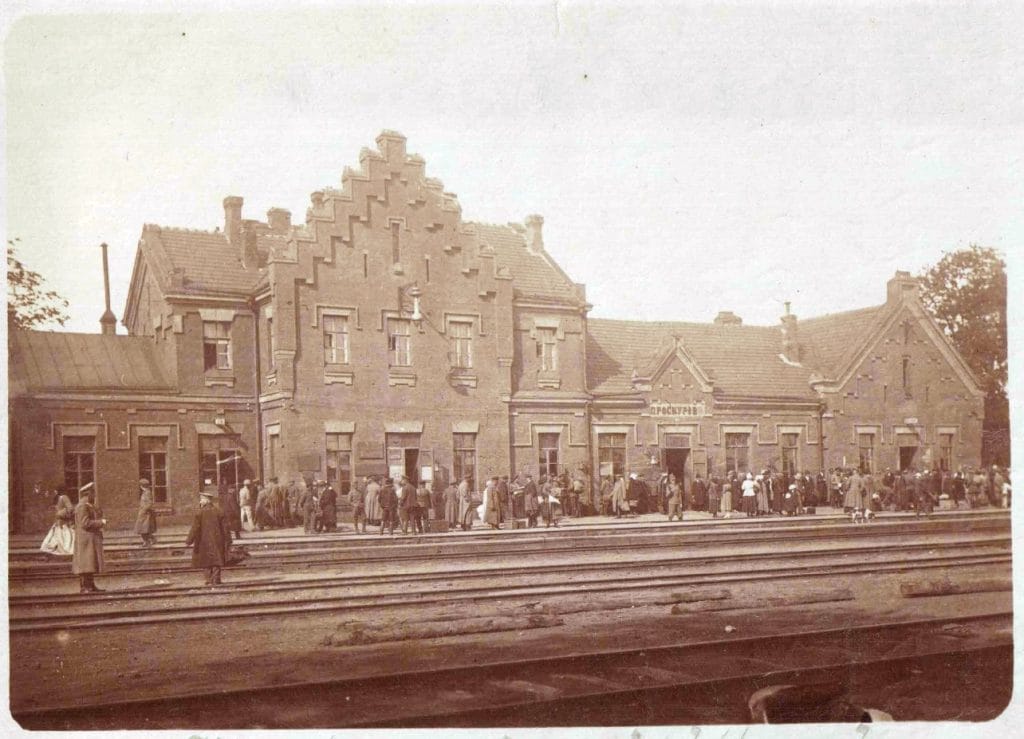
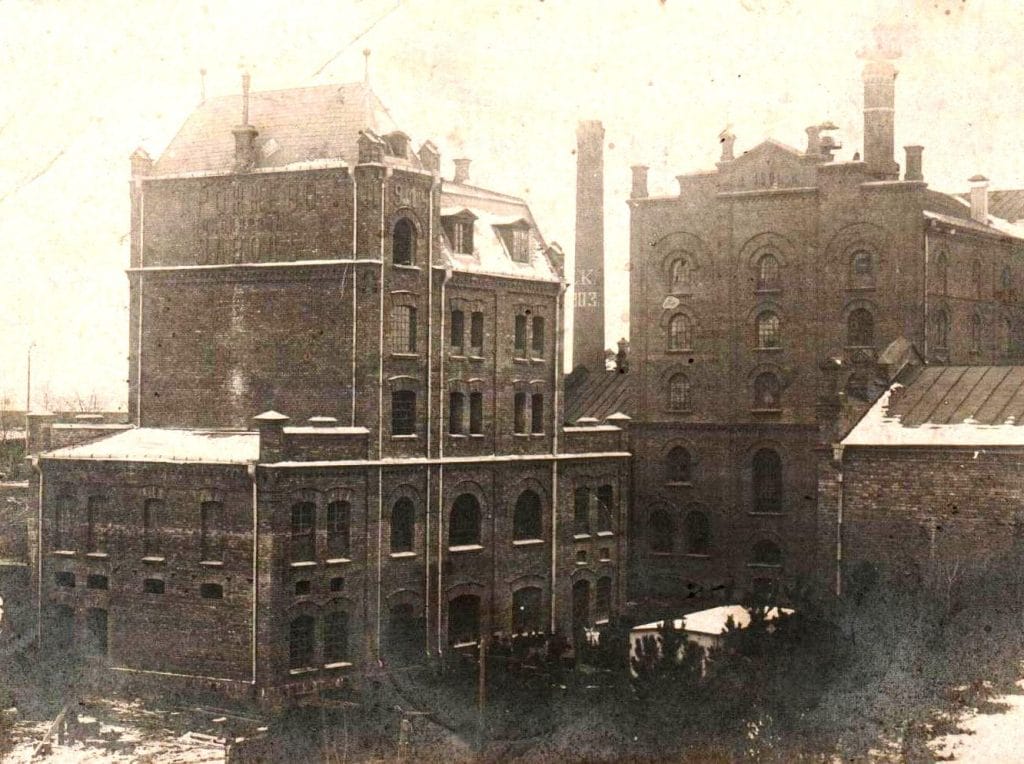
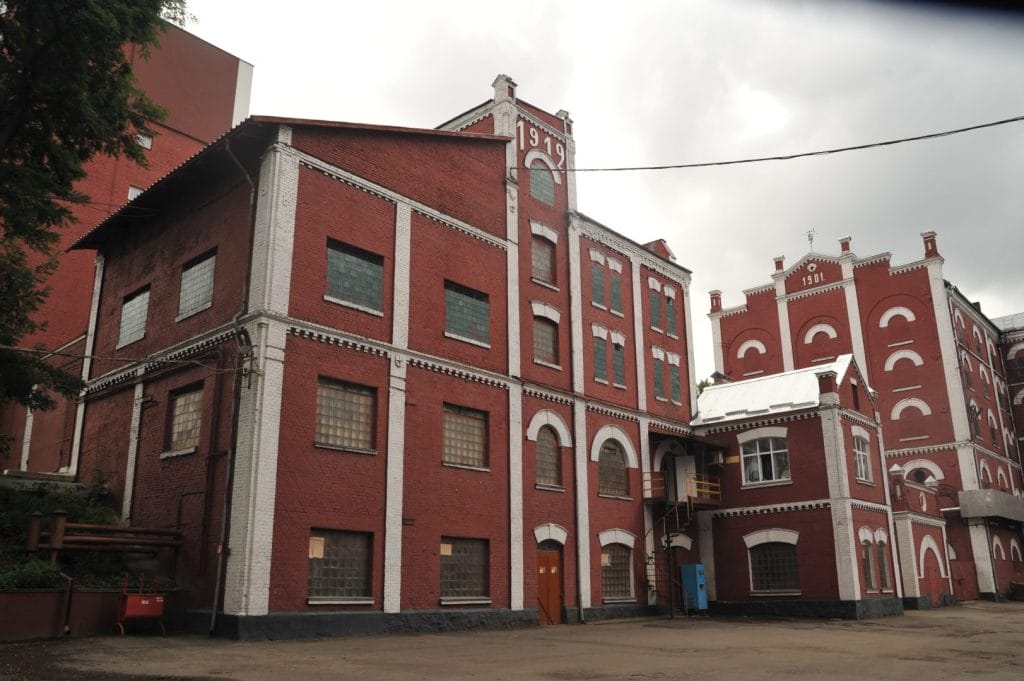
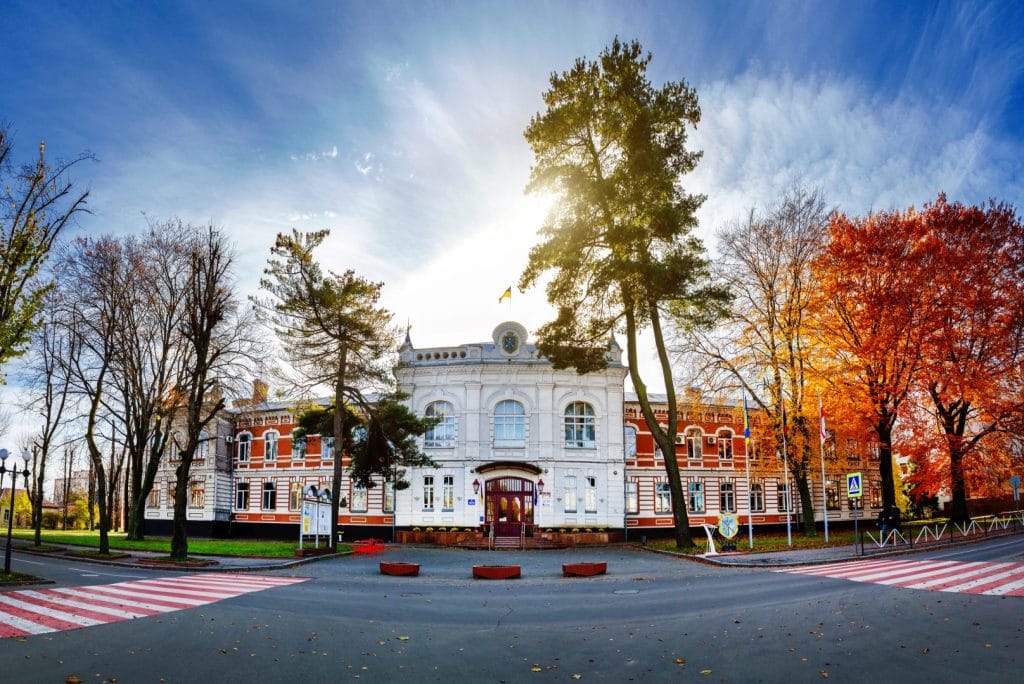
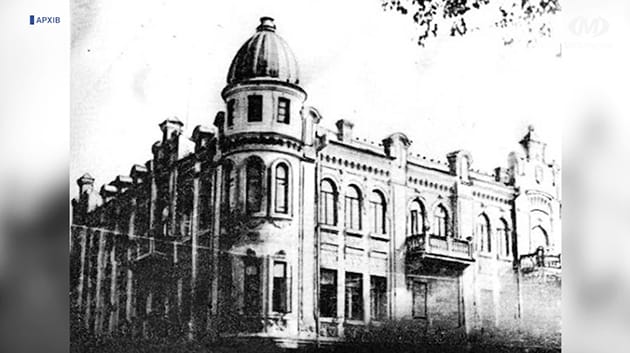
The construction of the railway in 1870 gave a significant boost to the economic development of Proskuriv, becoming a “gold mine” for the city’s entrepreneurs.In 1901, the Shilman malt factory and the buildings of the Klavе Brewery (modern Khmelnytskyi Brewery) were constructed.In 1904, the Olexiyivske Real School was opened, and its building now houses the Khmelnytskyi City Council.In 1907, the “Modern” cinema – the city’s first movie theatre was built. Between 1903 and 1914, the city bank, post and telegraph office, “Continental” hotel, commercial Jewish school, theatre, library, and hospital were constructed.In addition to active entrepreneurial activities, the second factor in the city’s development was military affairs.
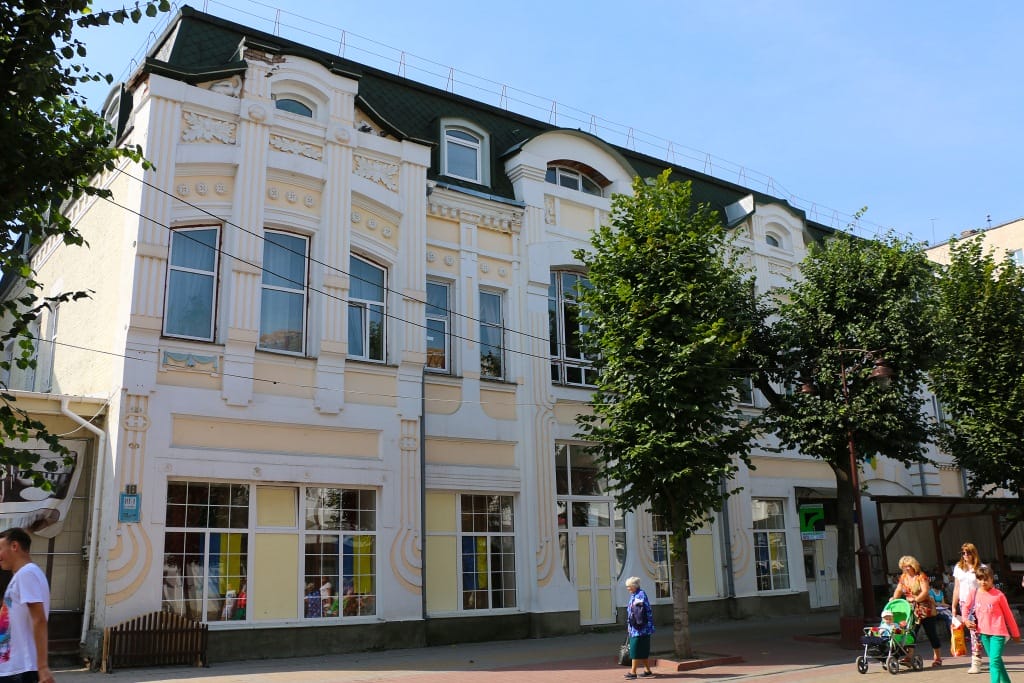
In the 20th century, the main road of Proskuriv at that time became Oleksandrivska Street (now Proskurivska Street), where city and country institutions, as well as the residences of wealthy inhabitants were located. This was the most orderly and green part of Proskuriv. It had cobblestone pavement, and sidewalks, was lined with trees, and was illuminated by gas street lights.
During World War I, Proskuriv became a frontline city. In 1917, the city experienced bombing for the first time in its history, and in early December 1917, the Bolsheviks seized power in the city. Just over a year later, in 1919, the city witnessed its first major Jewish pogrom.
The government of the Ukrainian People’s Republic (UNR) resided in the city several times: in March and November 1919, and from April to June 1920. However, in November 1920, the city fell under Soviet occupation for 70 years. During this time, all enterprises and even residential buildings were confiscated.
Due to the confrontation of the Soviet state towards the surrounding world, the number of military personnel in the border city steadily increased, forming the foundation for the city’s further development until the 1960s. Many buildings in the city were constructed for officers and their families, predominantly for Russians.
The 1920s and 1930s were marked by dreadful tragedies: the Holodomor, repressions, and World War II. German troops occupied the city on July 8, 1941. A special regime concentration camp for prisoners of war, “Stalah 355,” was established in the suburbs, where during four years, more than 65,000 people were being killed. A ghetto was created from the city’s Jewish neighborhoods.
In the period between the First and Second World Wars, the city underwent typical development in the style of Stalinist classicism, also known as Empire style.
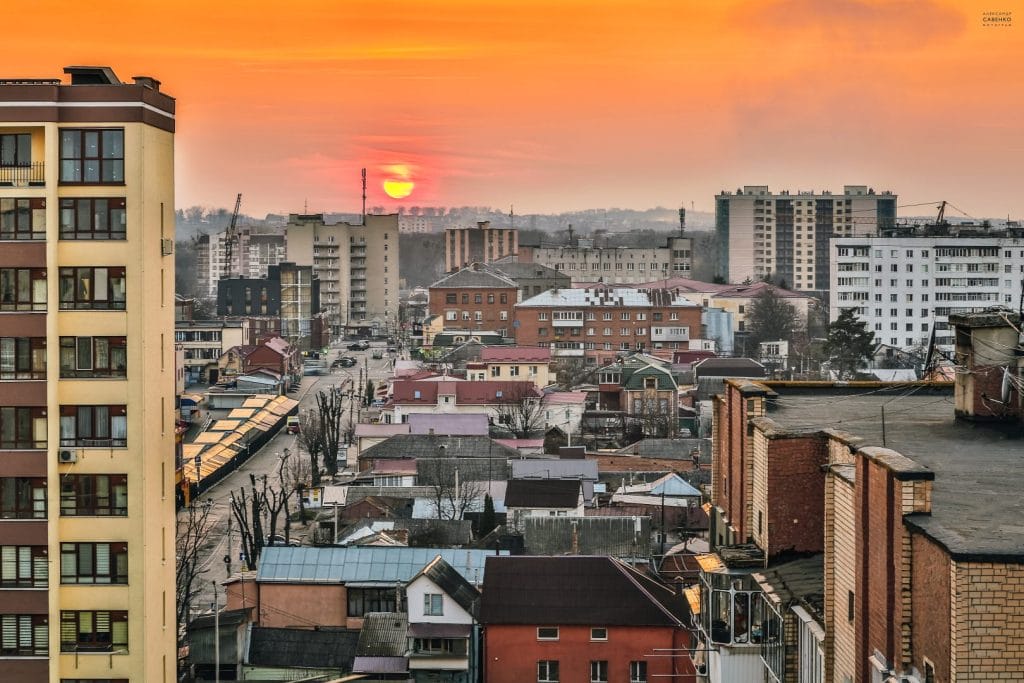
In 1954, the city of Proskuriv was renamed to the well-known name Khmelnytskyi. The “Kation” and “Novator” factories started operating in the city.Khmelnytskyi has seen many tragedies and triumphs over the past 200 years. It has transformed from a Jewish-Polish town into a typically Ukrainian city. Due to its favorable location and the efforts of dedicated residents who promoted the construction of the railway in the late 19th century, we now see the city in its modern form. Although it is partially marred by Soviet-era architecture, it still features authentic buildings and retains its leisurely, romantic charm.
Sources
- Khmelnytskyi City Development Strategy until 2025
- Strategic Development Plan for Khmelnytskyi City Territorial Community for 2021-2025)
- Information sources of Khmelnytskyi City Council
- Information sources of the Culture and Tourism Department of Khmelnytskyi City Council
- Information sources of the Economic Department of Khmelnytskyi City Council
- Information sources of the Head Department of the State Emergency Service of Ukraine in Khmelnytskyi Region
- Patrol police in Khmelnytskyi Oblast
- Information materials of the Military Rehabilitation Centre
- Information materials of the veteran space “Zakhyst 4.5.0” (Protection 4.5.0)
- Wikipedia