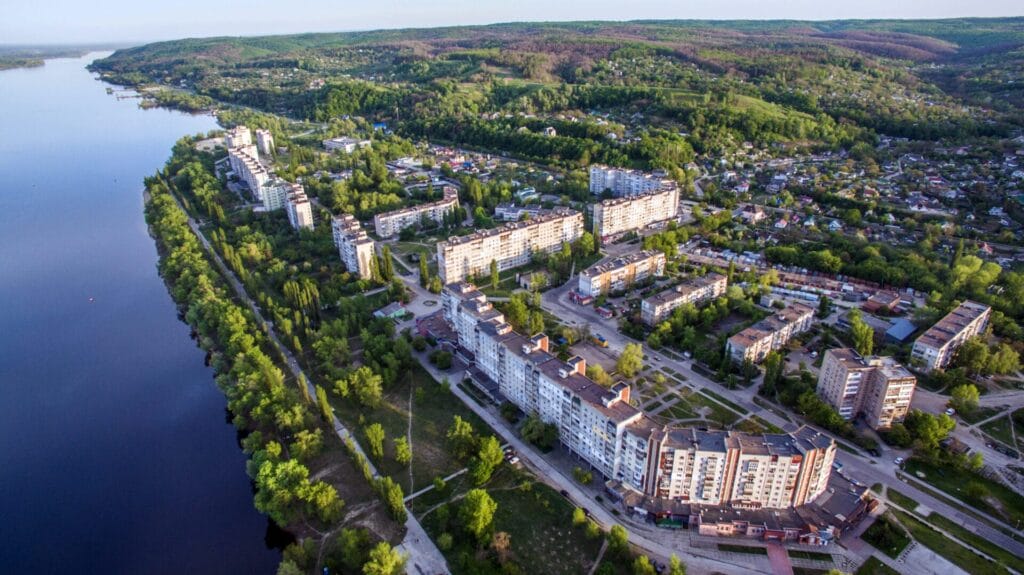
Halych Territorial Community
- Population: 21,150
People of the Community
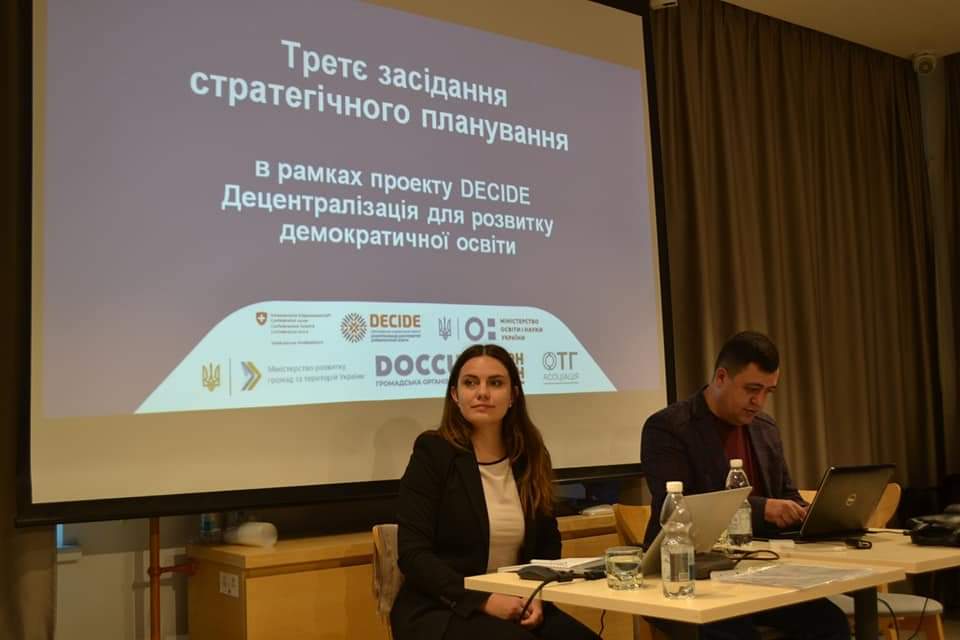
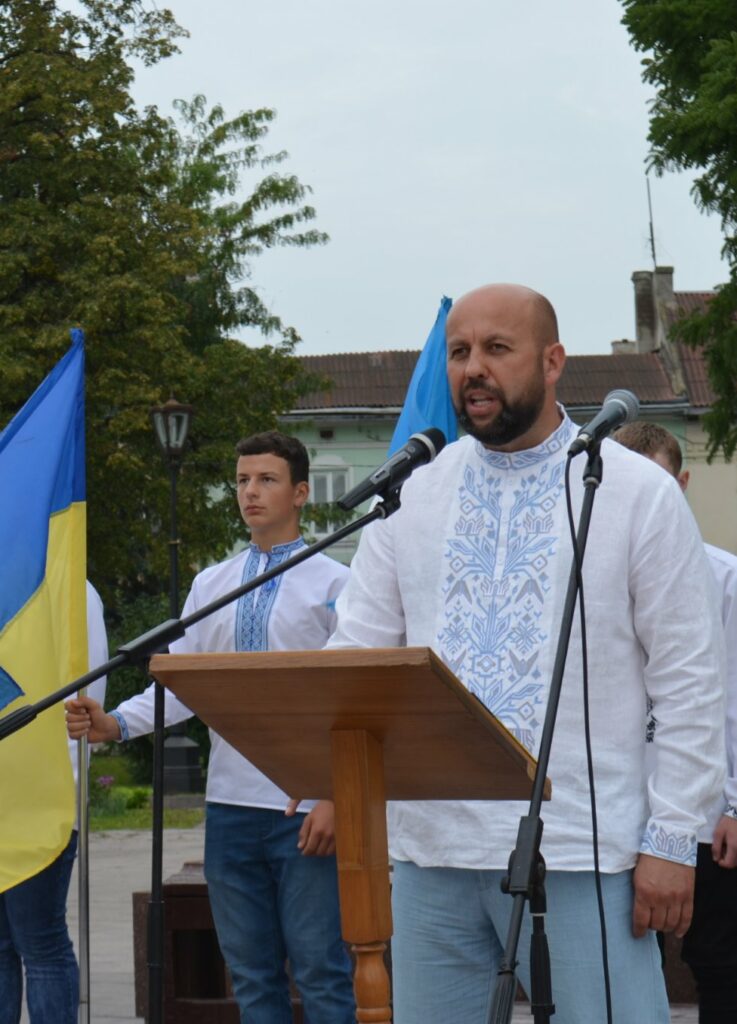
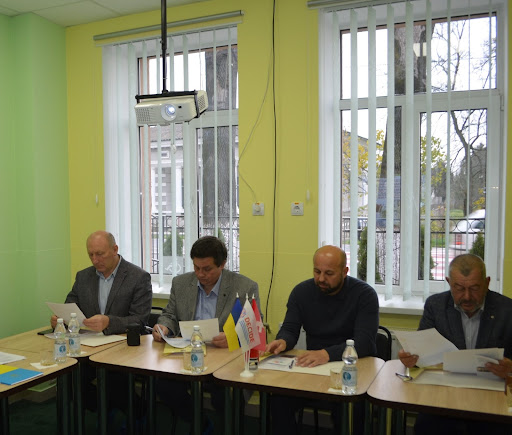
Oleh Kantor is the head of the Halych Territorial Community.Also, among 70 competitive applications, based on the results of two months of interviews, 16 territorial communities of Ukraine were selected by professional experts, including the Halych Urban Territorial Community, which will cooperate with the DECIDE project on the development of an effective education management system in communities over the next four years.
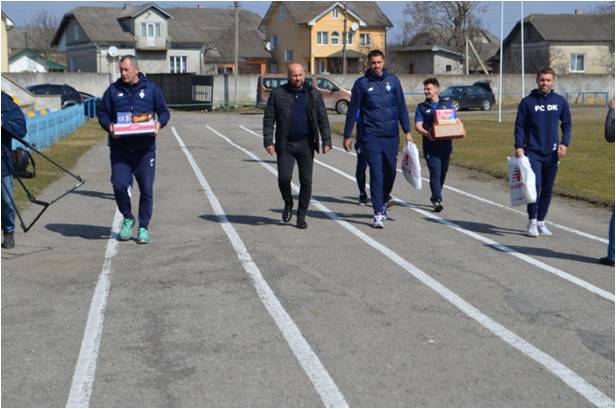
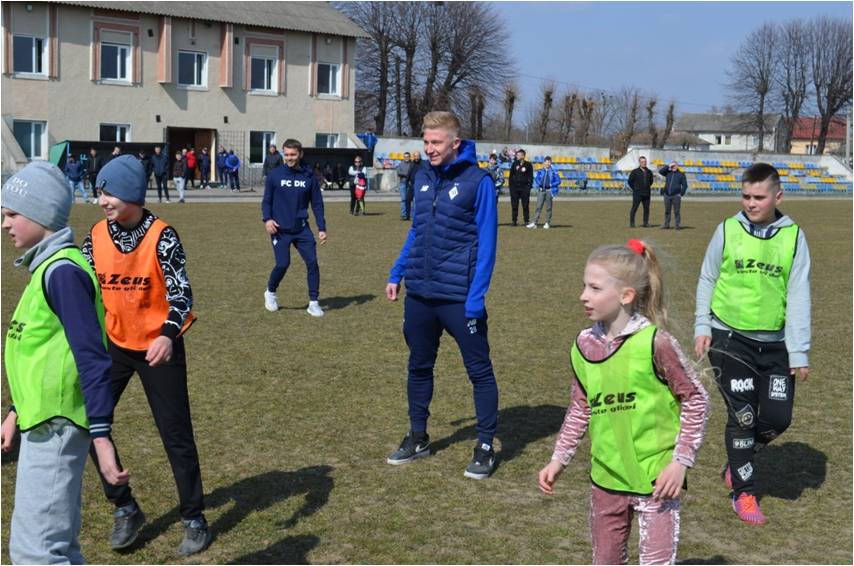
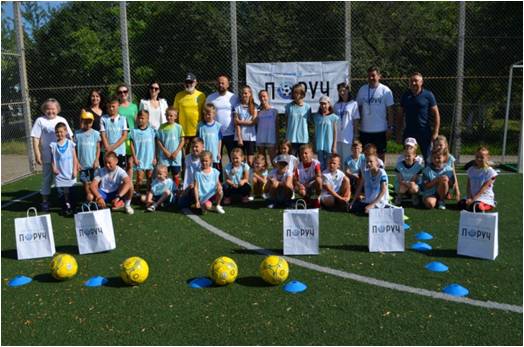
At the invitation of the mayor, the community was visited by the top players of the Kyiv Dynamo football club, who held a master class for the children of the community and internally displaced persons.The Halych community residents initiated the signing of an agreement on inter-municipal cooperation in the field of inclusive education. This partnership will help improve the quality of service provision and contribute to the development of the institution.
To date, the services of the Centre are used by the residents of four communities. Specialists of the institution provide correctional-developmental, psychological-pedagogical and methodical services in the field of inclusive education to children with special educational needs. They also provide conclusions without which children of this category would not be able to attend kindergartens and schools.
Community and War
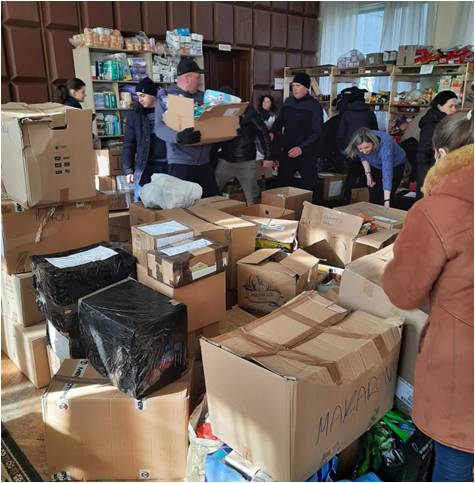
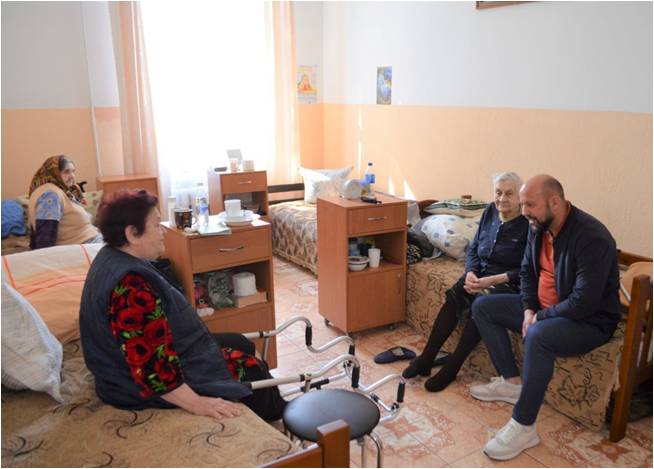
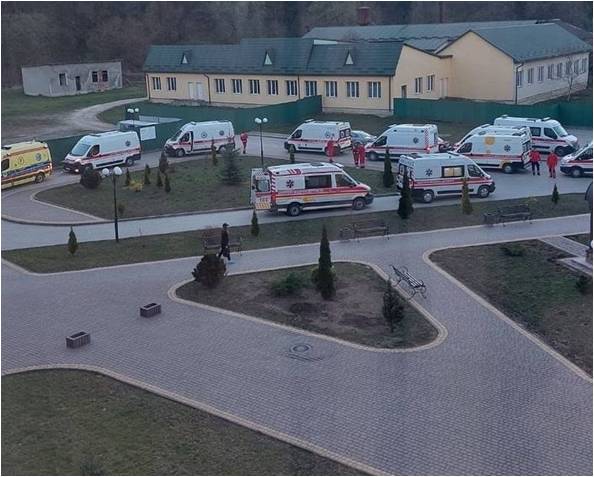
Due to the russian-Ukrainian war and its devastating consequences, many internally displaced persons who were forced to leave their homes found shelter and support in the Halych Urban Territorial Community.
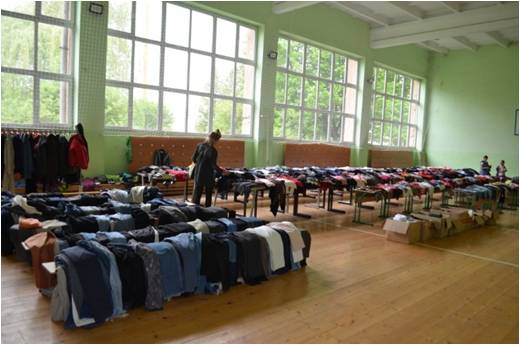
As of 01 January 2023, 3,612 internally displaced persons from various cities, especially Kramatorsk, Sloviansk, Kherson, Zaporizhia, Mariupol, were registered in the community, of which 1,208 were children (aged 0 – 18). Among the refugees, 93 children participate in distance learning in the community. The Halych Territorial Community provides accommodation and food for the refugees in the municipal educational institutions and cultural centres.
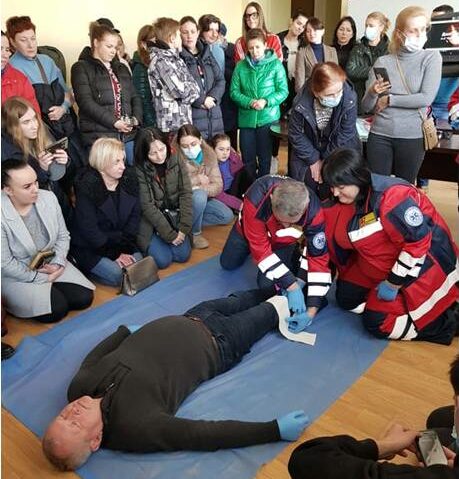
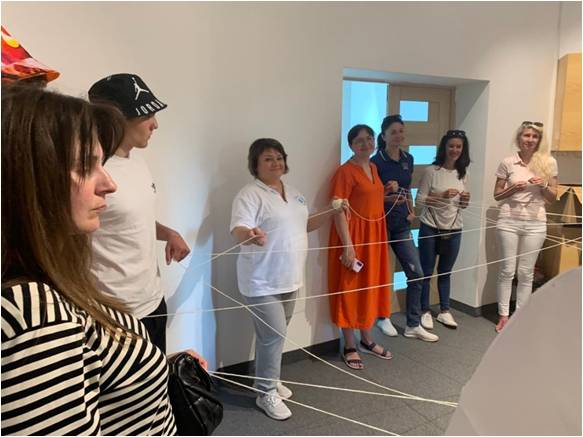
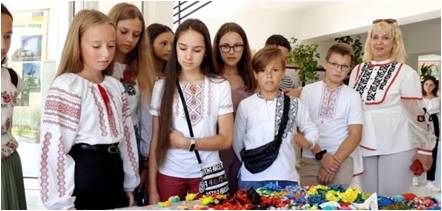
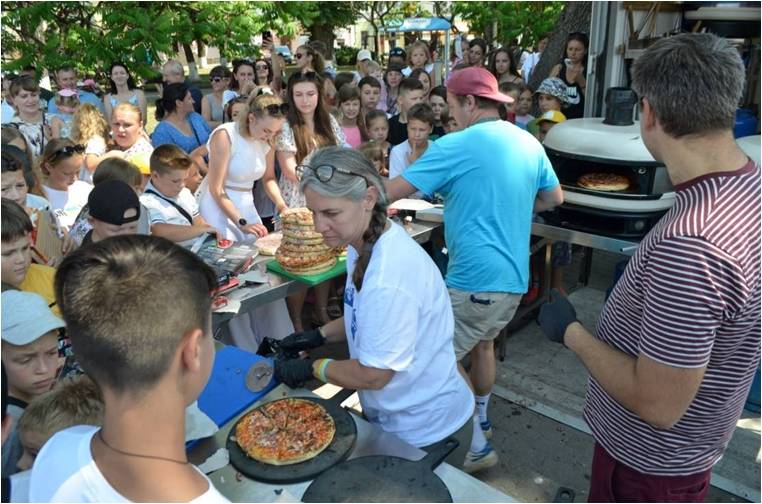
Clothing and food distribution hubs, a psychological support centre, Ukrainian language courses, first aid courses, various circles and workshops, etc. have been organized by the Halych Town Council.About 50 people who needed specialized care and outside help were admitted to the community medical and palliative institutions from the war zones.When the war broke out, the ancient Galician land sought not only to meet the internally displaced person’s basic human needs, but also to attract and integrate them into the cultural, artistic, sports and public life of the community. For almost a year of the war, a number of events were held in the community, in which both children of the community and guests of the region were involved.
History
Halych is the former centre of the Halych-Volyn Principality. The first mention dates back to 898. The name of this town gave the name of the Halychyna region.
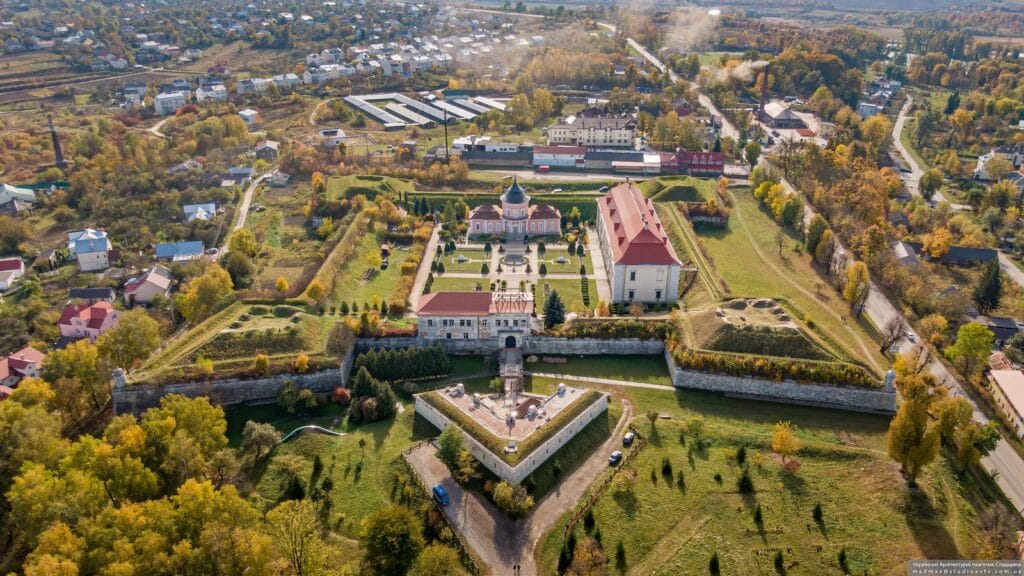
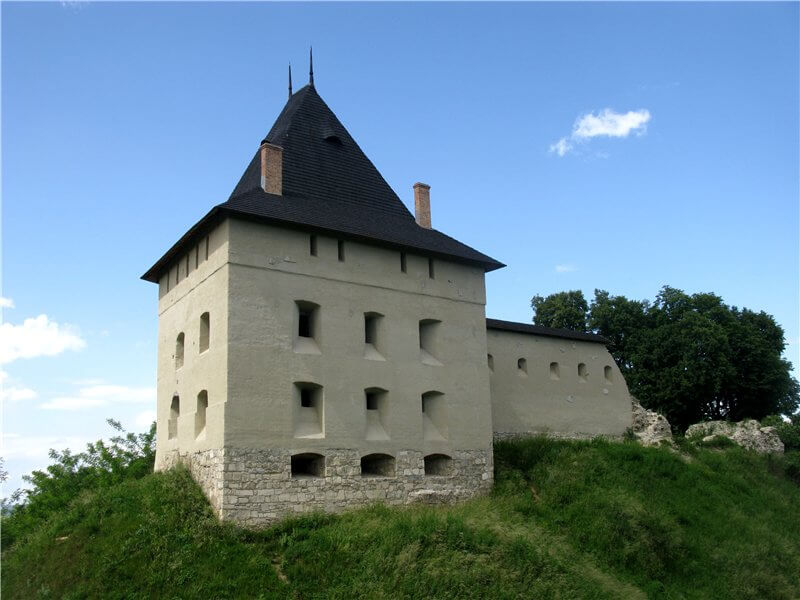
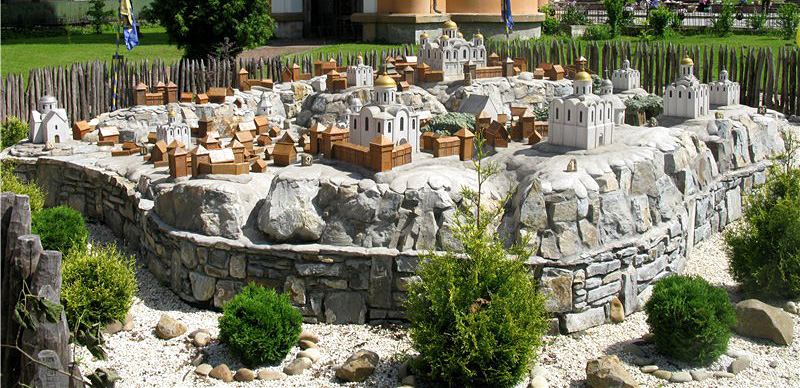
The ruins of the castle are preserved in the territory of the community being located on the high hill of Mount Halych. The castle on the right bank of the Dnister River above the town used to serve as a defensive fortification facility.Also the community has a valuable architectural landmark of the Late Middle Ages and one of the oldest churches in Halychyna. Most likely that the brick Church of the Nativity of Christ was built in the 10th century.In the Ancient Halych National Reserve, there are sights of national and world importance, the foundations of 14 chronicled churches dating back to the 12th – 13th centuries, more than 200 archaeological landmarks, 18 nature conservation sites organically connected with the historical and architectural landmarks. The area of the reserve is almost 80 km. sq.
Development Strategy
Thanks to the Swiss-Ukrainian DECIDE project, in which the community is a participating partner, expert support was provided in the preparation and development of the Community Development Strategy. A strategic planning working group has been set up so far.
It was emphasized that the development and discussion of the Strategy is impossible without the participation of the public. A constant dialogue with residents will make it possible to take into account their comments and wishes in order to determine the priority areas of the community development; a public opinion survey of the community residents was conducted, and a SWOT analysis is coming to an end.