Chuhuiv community
- Type: Urban-rural
- Population: 39,000
History
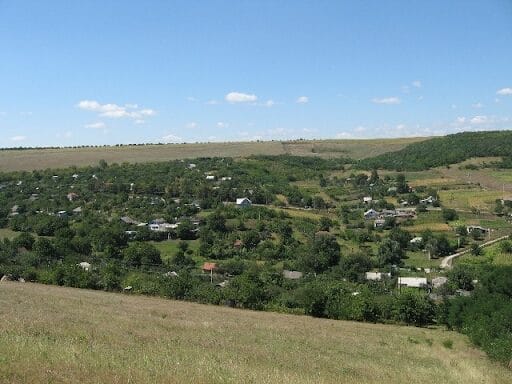
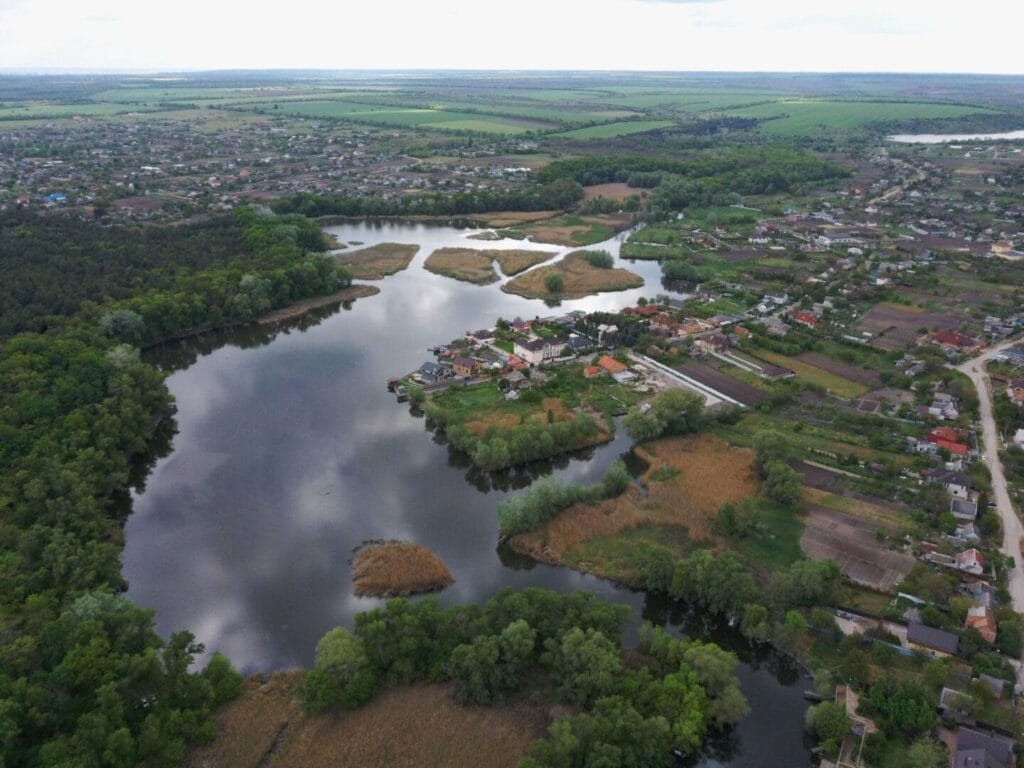
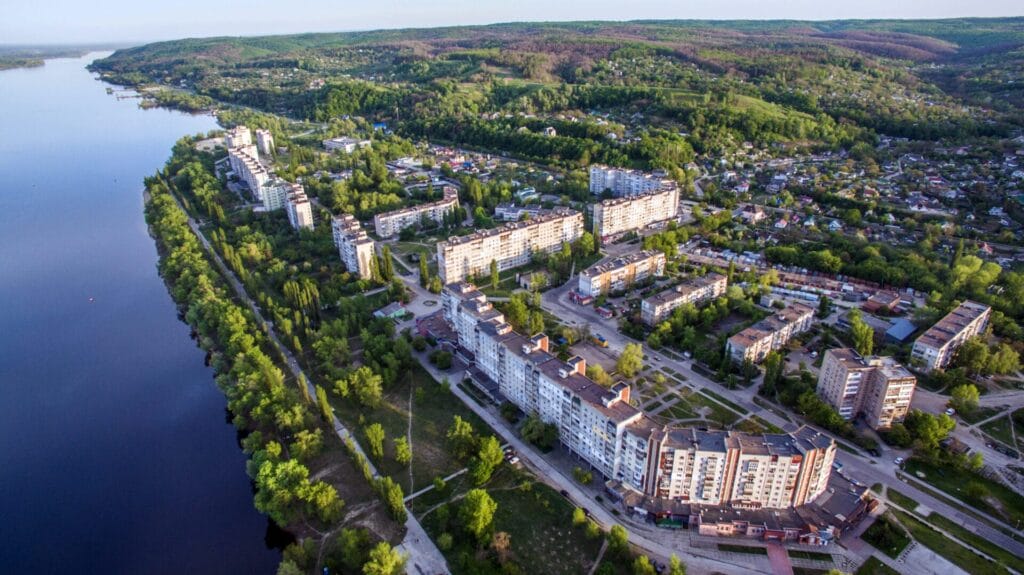
The unusual terrain near the Siverskyi Donets river with deep ravines allowed the Ukrainian Cossacks to build an impregnable fortress here in the 17th century. The city of Chuhuiv was founded on August 10, 1638 by Cossacks led by Hetman Yakiv Ostrianytsia. Chuhuiv was a military town for almost 400 years.
The name comes from the anthroponym chuga, which means a narrow kaftan with short sleeves. The territory of modern Chuhuiv was called Chuga, because people who wore chugas lived here. In Soviet times, there was an attempt to rename the city to Frunze, but the name didn’t stick.
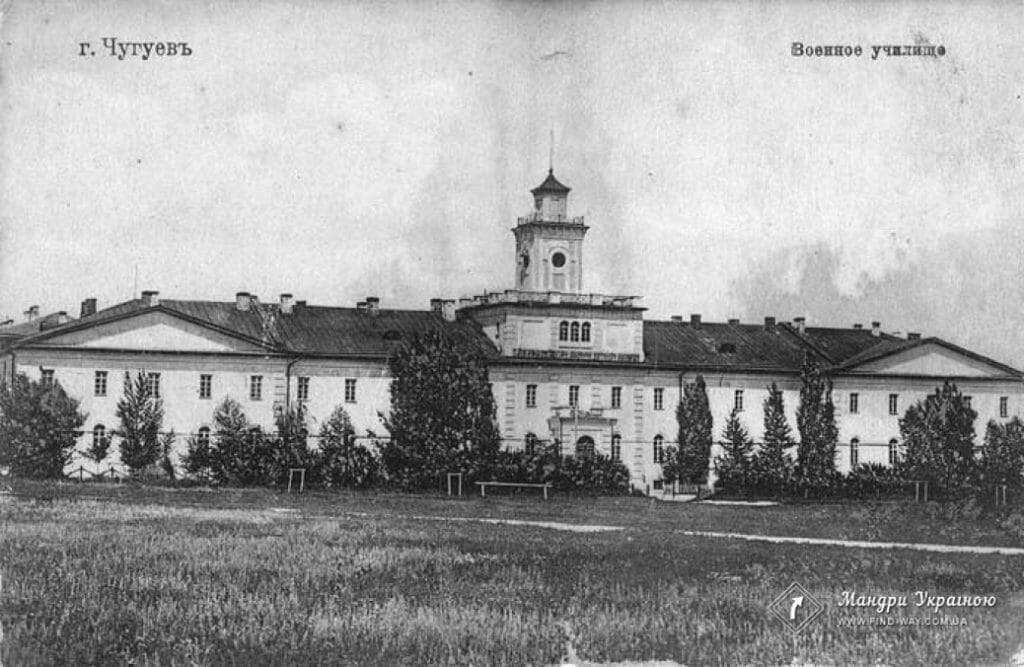
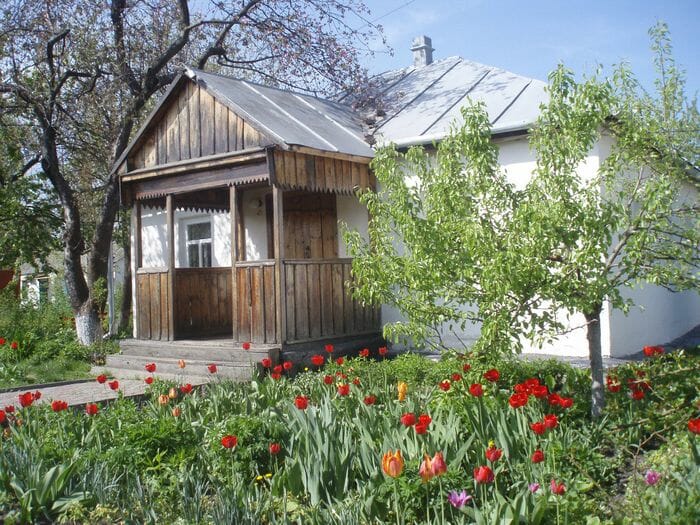
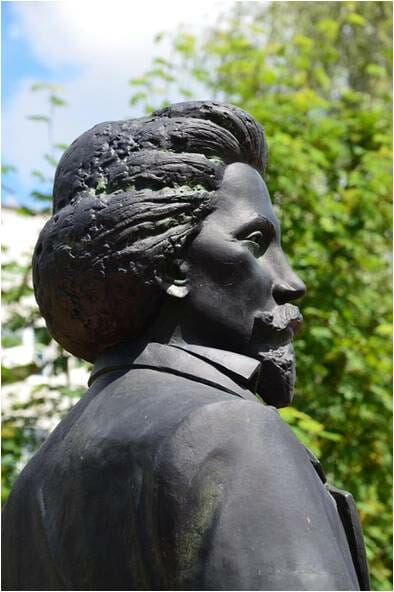
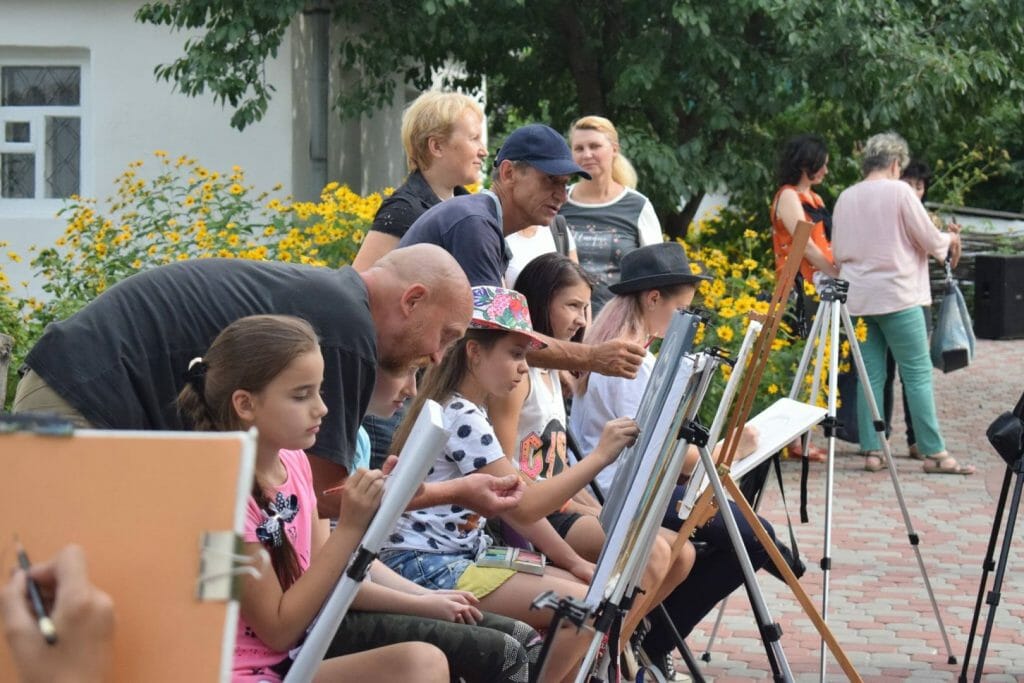
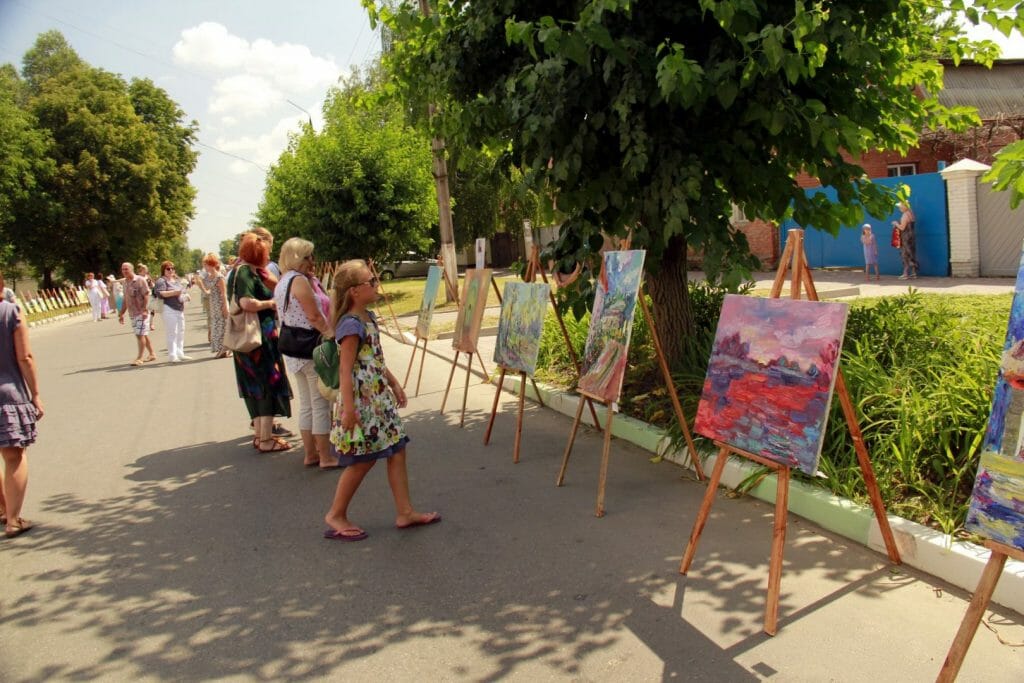
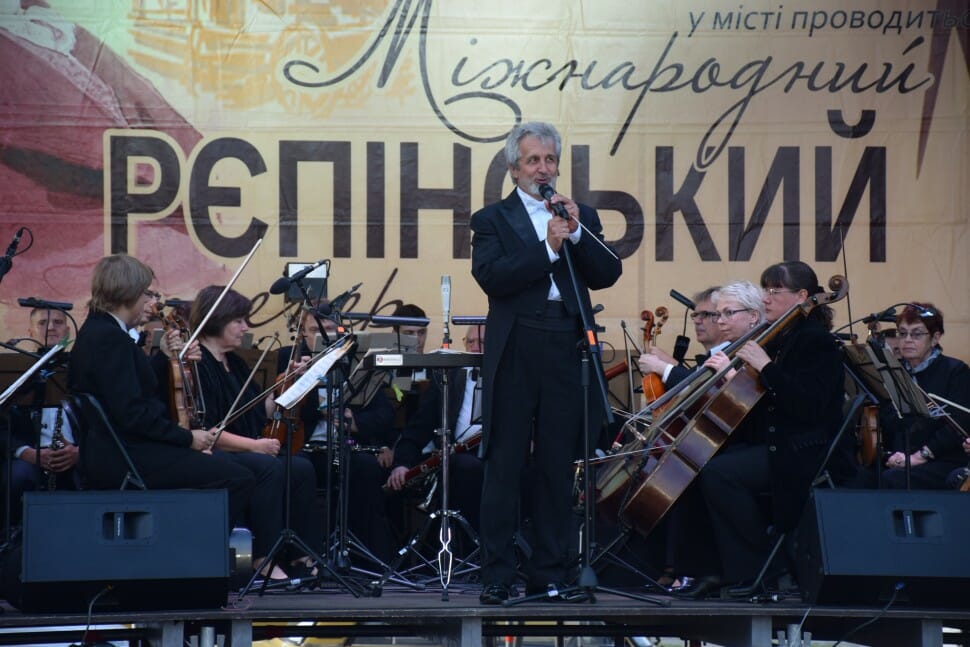
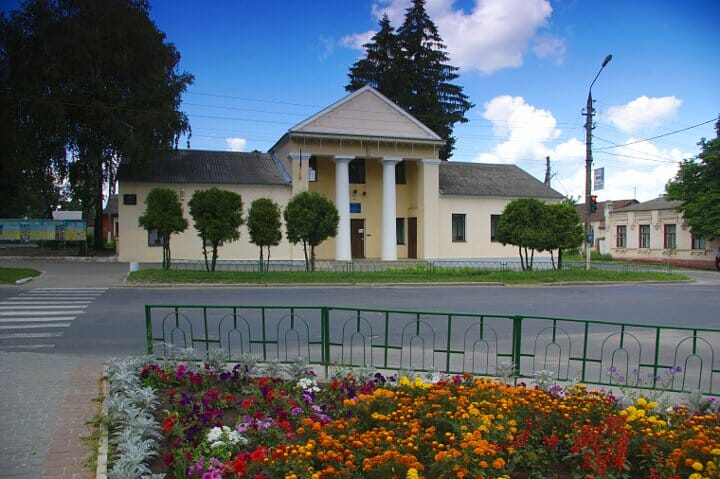
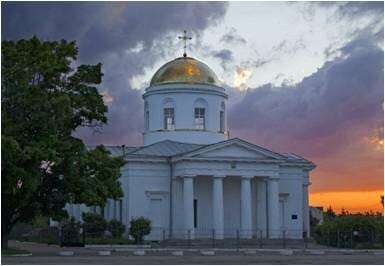
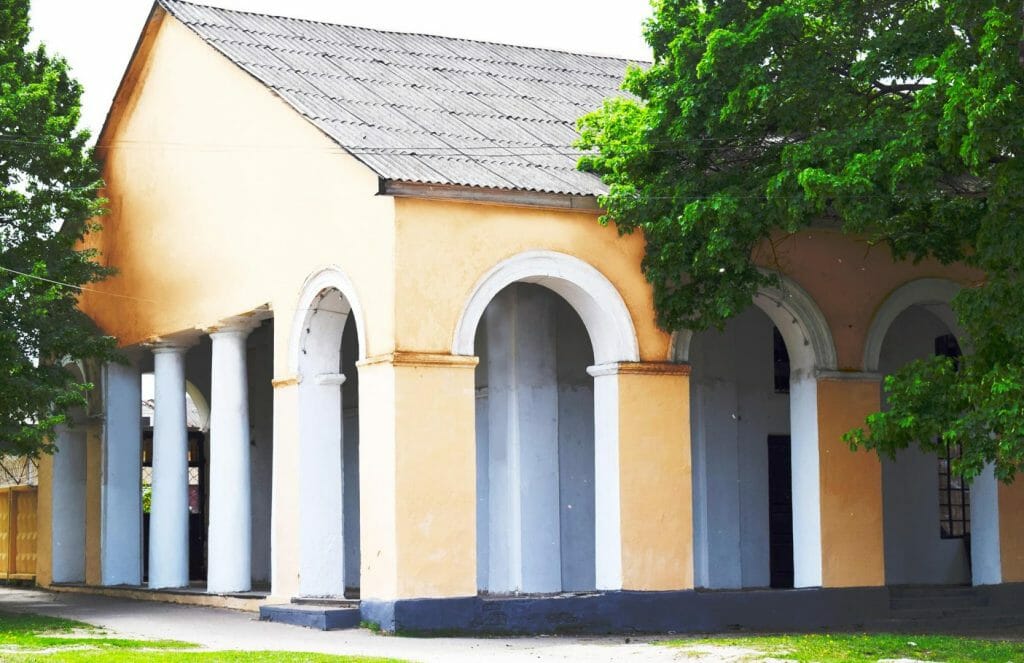
Chuhuiv is the only city in Ukraine which has preserved the planning and buildings typical for military settlements, including 30 unique authentic regiment buildings, many of which form the architectural ensemble of the central square.Since 2000, the international Repin plein airs, which gather artists and tourists from all over the world, have been held annually here. The visitors search here for creative inspiration, learn history and traditions of the region, visit the places related to the life and work of the famous artist and engage in common artistic work in the city which is a motherland to this unsurpassed master of realistic painting. More than 160 artists from more than 50 cities and 9 countries have taken part in the plein-air exhibitions since its establishment.
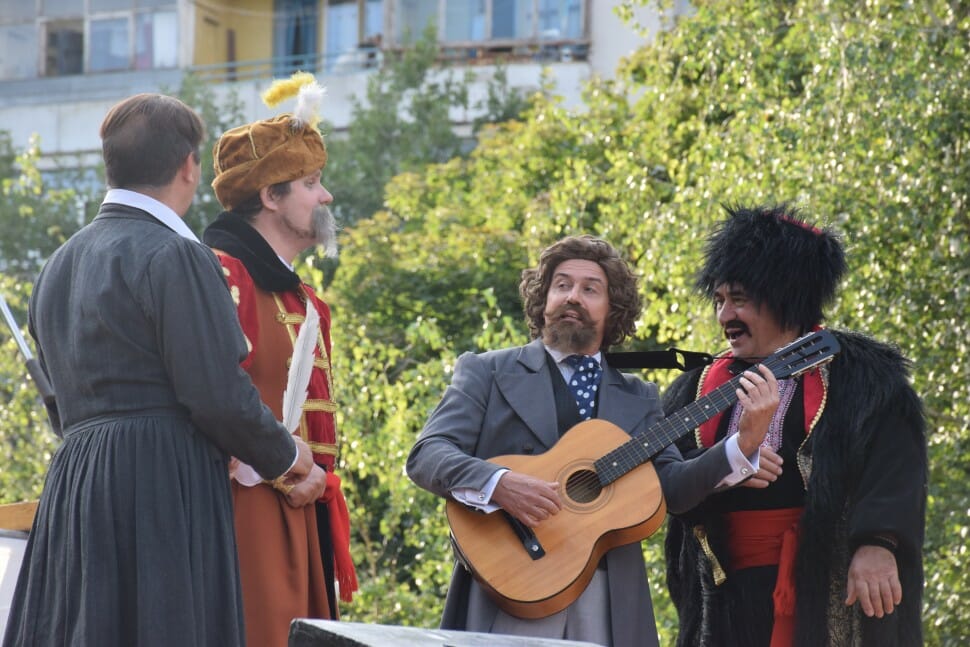
Events during the International Repin plein air: theatrical performances, master classes, open-air exhibitions, symphonic orchestra performance
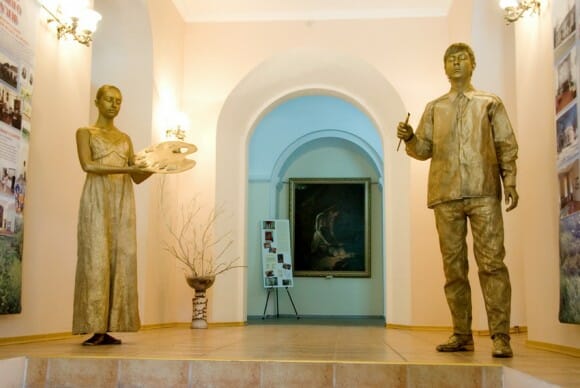
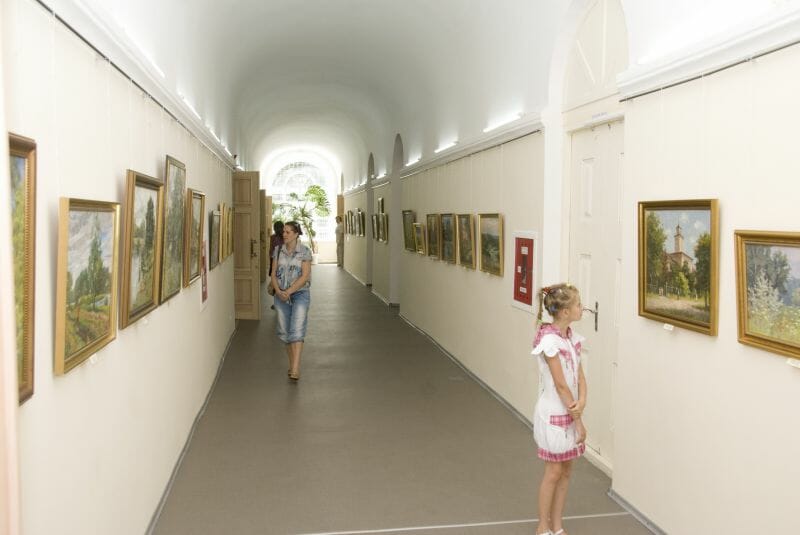
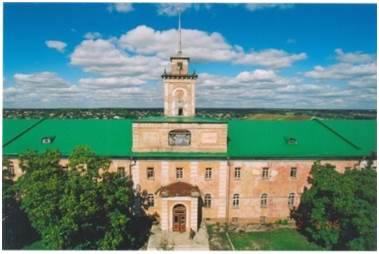
Also, there is an Art Gallery in Chuhuiv, located in the Headquarters buildings of military settlements, the unique architectural monument of the 19th century. Its exposition presents the works of famous painters, graphic artists, masters of decorative and applied art.There are 4 architectural monuments of national importance in Chuhuiv
Sources
- Wikipedia
- The official website of the community
- Interviews with residents
- Photos provided by the city authorities