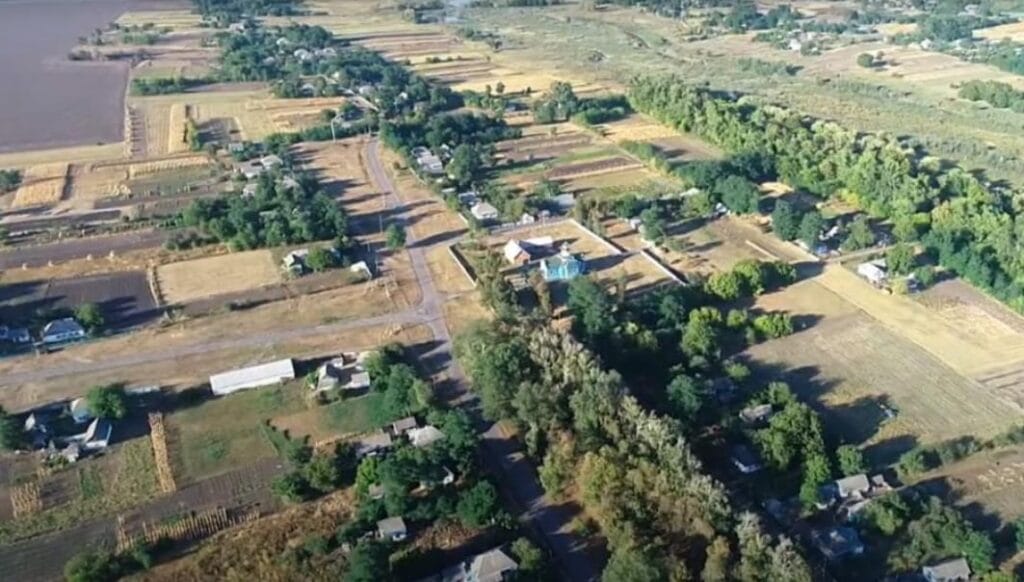
Blahovishchenka Territorial Community
- Type: Rural
- Population: 7,404
People of the Community
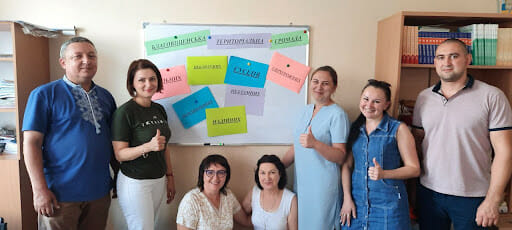
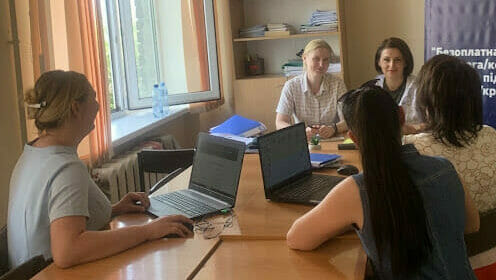
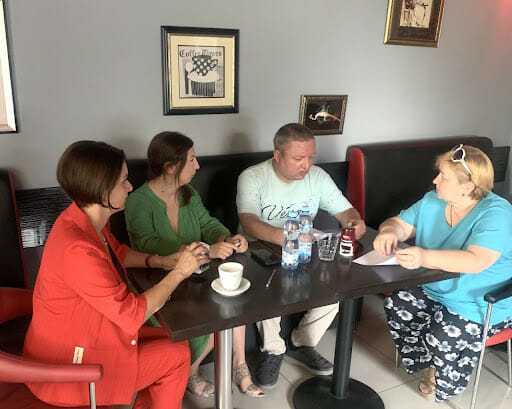
Head of the community: Vitalii HabloA young team of the newly created Blahovishchenka Rural Military Administration under the leadership of Vitalii Hablo has new tasks, new challenges, meetings and acquaintances every day. Today, the municipality is taking the first steps to rebuild the community after the victory and support its residents in wartime, namely establishing cooperation and partnerships with various organizations.
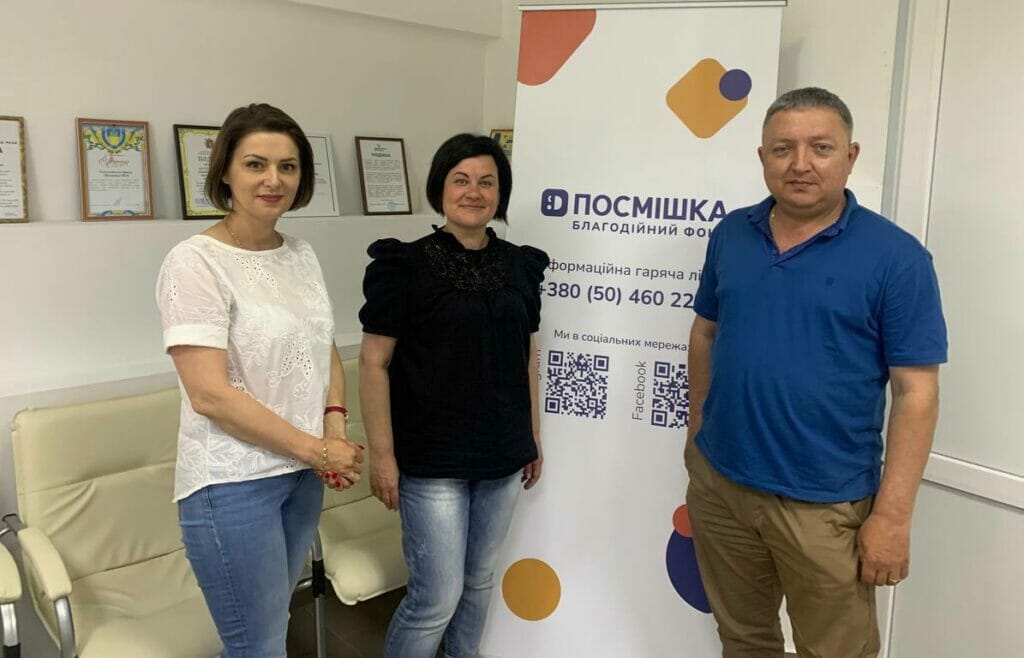
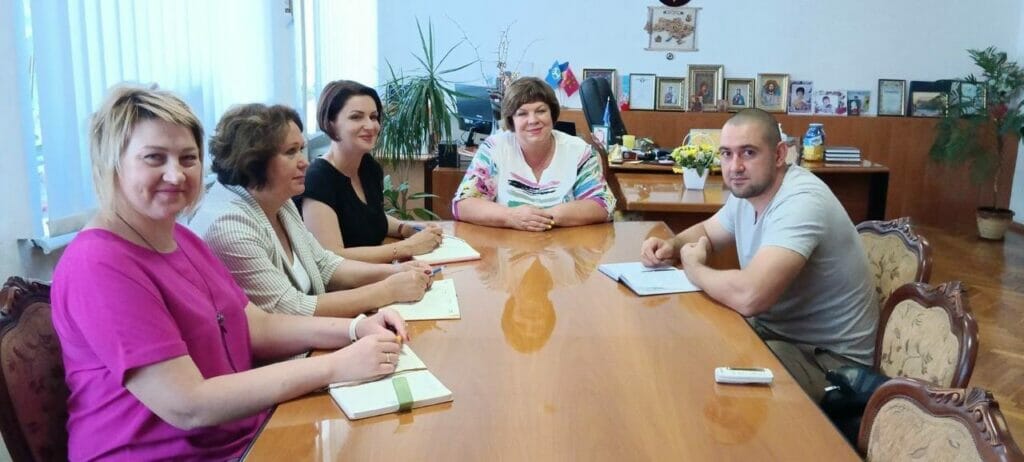
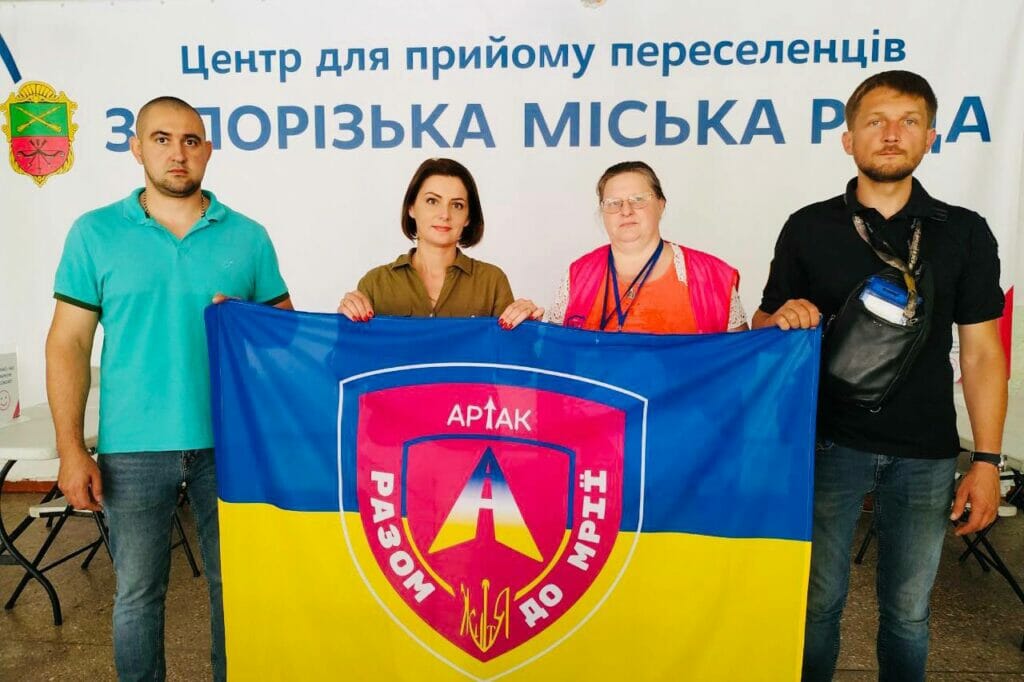
They recently signed a Memorandum with the Posmishka UA Charitable Foundation to provide for the humanitarian needs of the internally displaced persons of the community staying in the city of Zaporizhzhia. They established cooperation with the Zaporizhzhia Regional Employment Centre for employment, training, and obtaining grants to help internally displaced persons of the community staying in the territory controlled by Ukraine start their own businesses.They became partners with the ARTAK TOGETHER TO THE DREAM charity organization, as well as with the Bastur C society, which will provide free transportation services during the evacuation of the community residents and the provision of humanitarian aid.Also important are the memorandum of understanding concluded with Chemonix International Inc. / Partnerships for a Strong Ukraine Foundation, which will comprehensively help in the reconstruction of the community, and the memorandum with the INSO International Organization to provide information services in the search for partners to rebuild the community after the de-occupation.
History
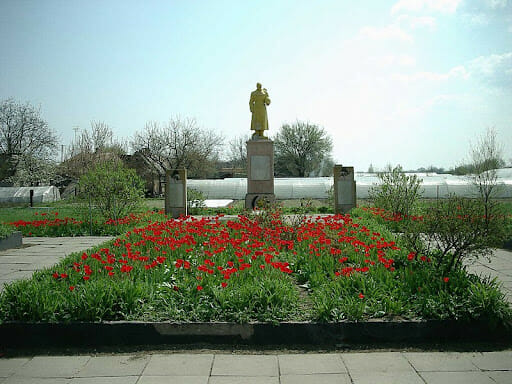
The village of Blahovishchenka was founded in late 1787 by the serfs transported by landowner Ivanenko and it was located on the bank of the Dnipro River; however, it was in 1804 that it was given the name of Blahovishchenka.
The remains from the Palaeolithic period were found in the vicinity of Blahovishchenka; a settlement and a burial site dating back to the Bronze Age were studied. Amphorae were found; a settlement of the early Slavic Cherniakhivska culture was discovered. Five graves were excavated on the burial site of settled nomads. Scythian-Sarmatian arrowheads and Roman amphorae were discovered on the outskirts of the village of Ivanivka.
Development Strategy
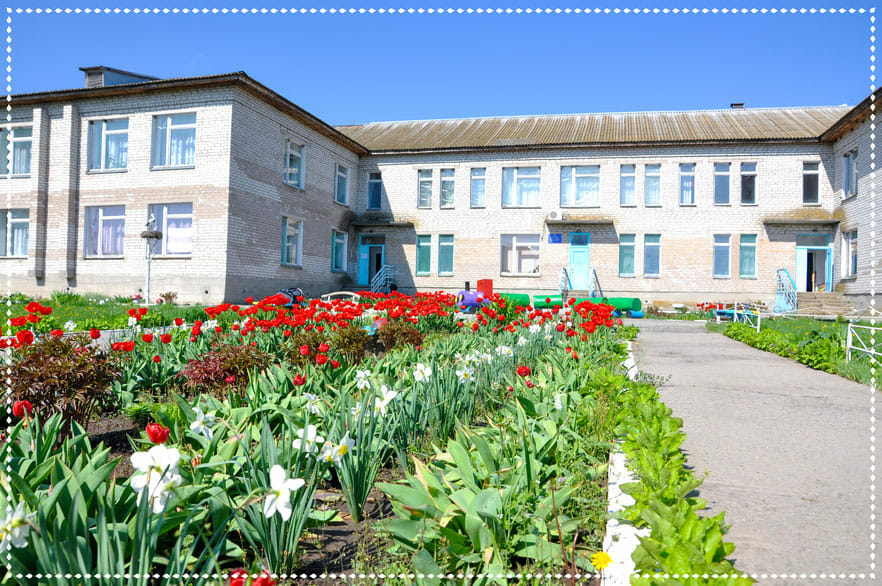
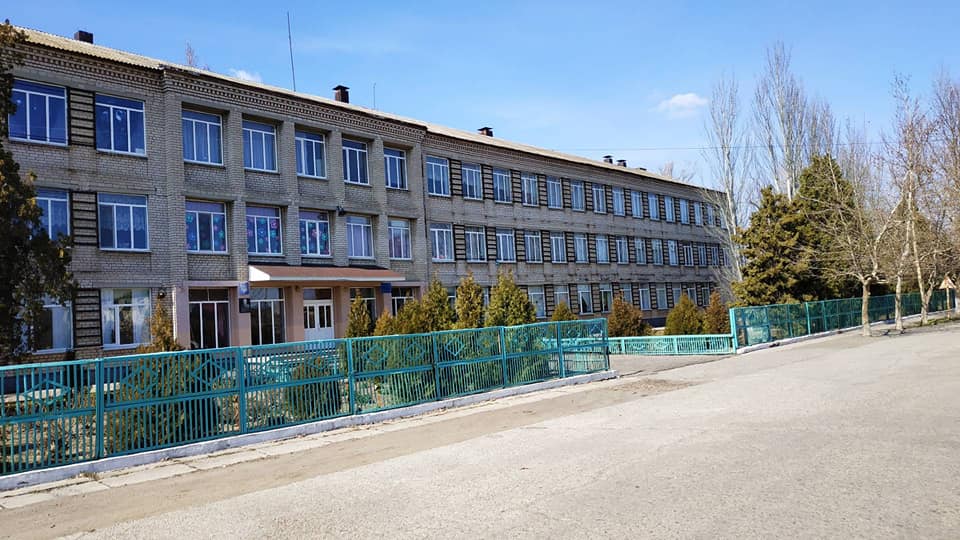
The strategic social projects of the community provide for the construction/reconstruction of health care facilities, educational facilities, social security facilities, administrative services centres, namely:
- Construction of shelters in educational institutions for the organization of the full-time educational process depending on the security situation in each settlement;
- Creation of a centre for providing social services to the community residents with the aim of creating a wide range of administrative services for the community residents;
- School Bus program for regular free transportation of the community’s students and teachers to and from educational institutions;
- Green Electricity program with the aim of ensuring uninterrupted, autonomous power supply for the community’s critical infrastructure facilities;
- Industrial park “Fruit and Vegetable Market “Blahovishchenskyi” with the aim of improving the distribution of vegetable and fruit crops grown by the residents of the community;
- Vegetable warehouses for storing products in a cooled condition;
- An enterprise processing fruit and vegetable products to create a waste-free product distribution cycle;
- A bakery to provide the residents of the community with bread and bakery products and ensure uninterrupted supply to the population of the community in case of shortages of products;
- A waste recycling sorting station to change people’s behaviour and attitude towards waste and encourage environmentally balanced solutions in accordance with the Zero Waste lifestyle.
Economy and Welfare
Before russia’s full-scale invasion into Ukraine, the economic stability of the community relied on agricultural enterprises, trade enterprises, small and medium-sized businesses.
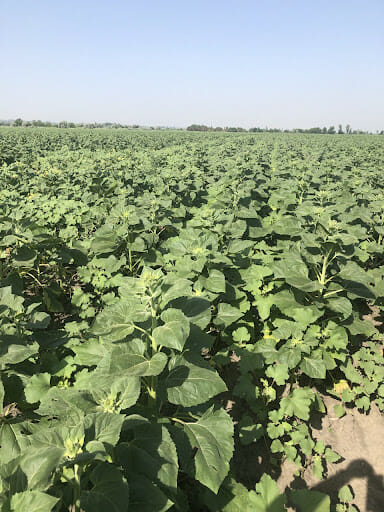
There are agricultural societies in the territory of the community that specialize in the cultivation of vegetables and grain crops, the production of oil and animal fats, products of the flour-milling and grain industry, wholesale trade in grain, seeds and animal feed.Also, in the territory of the community on the banks of the Kakhovka Reservoir, there is a company that transports grains from the fields of the southern region by ships.
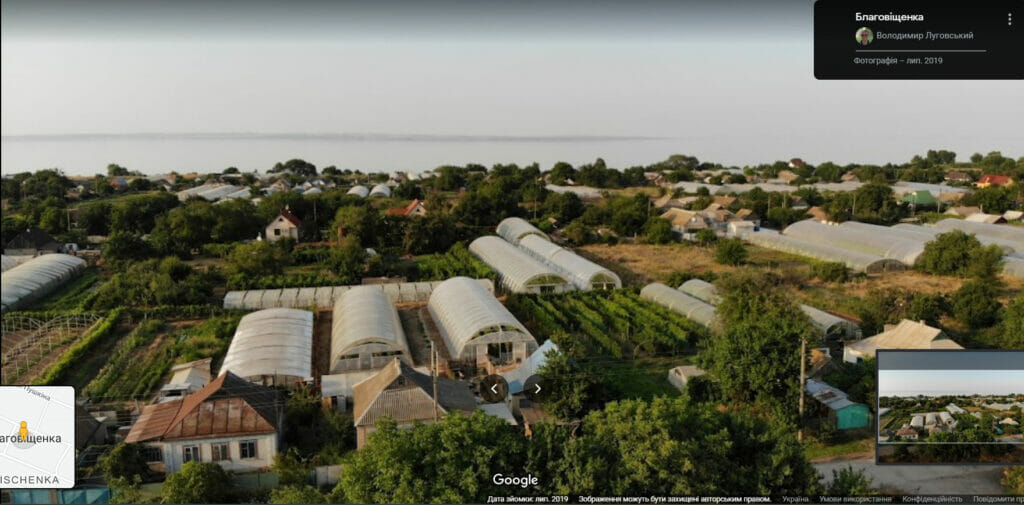
Local residents grow vegetables in their homesteads.Therefore, after the de-occupation, in order to raise the socio-economic level of the community, they plan to focus on:
– creation of own production facilities;
– development of agricultural production in the community;
– creation of the community’s own brand;