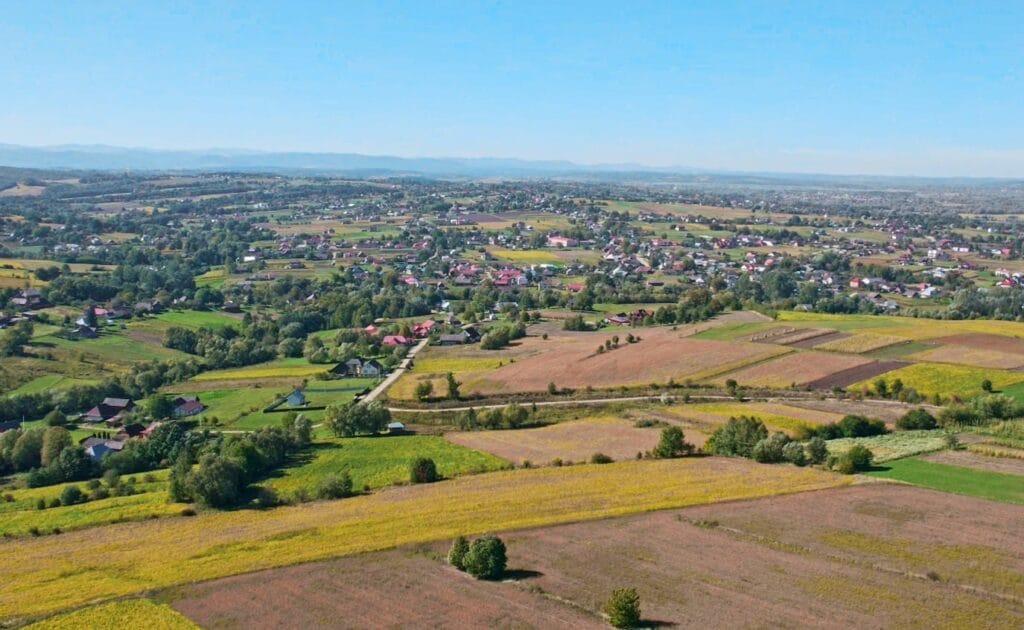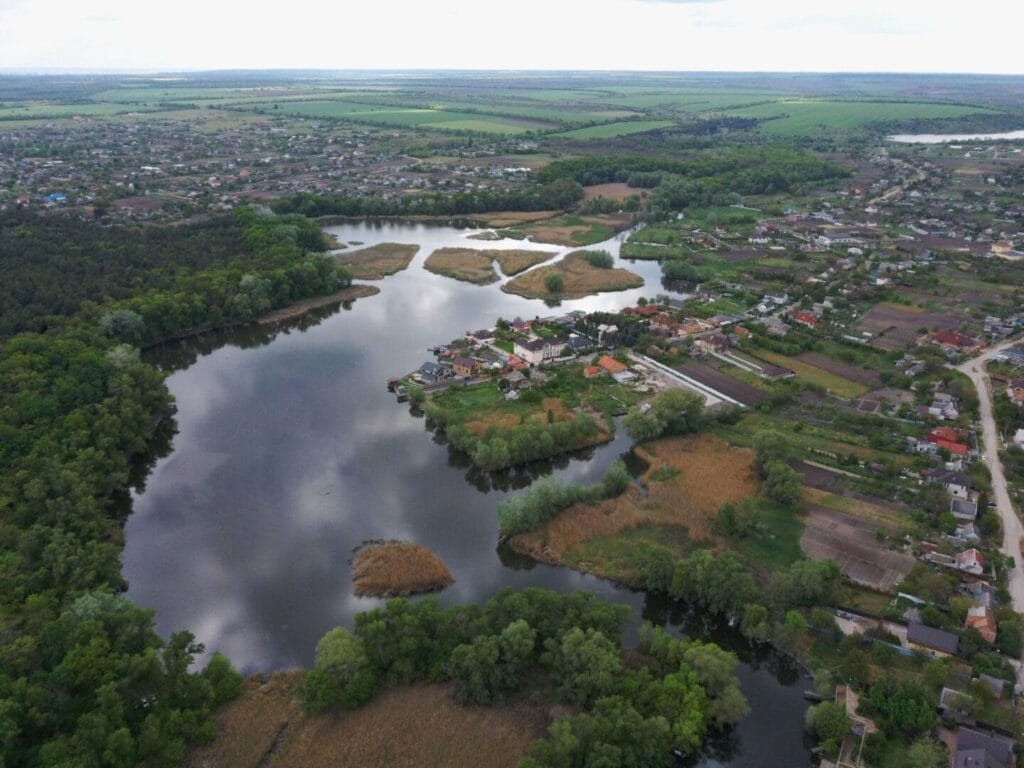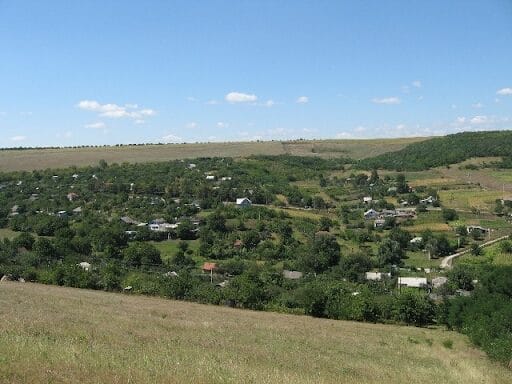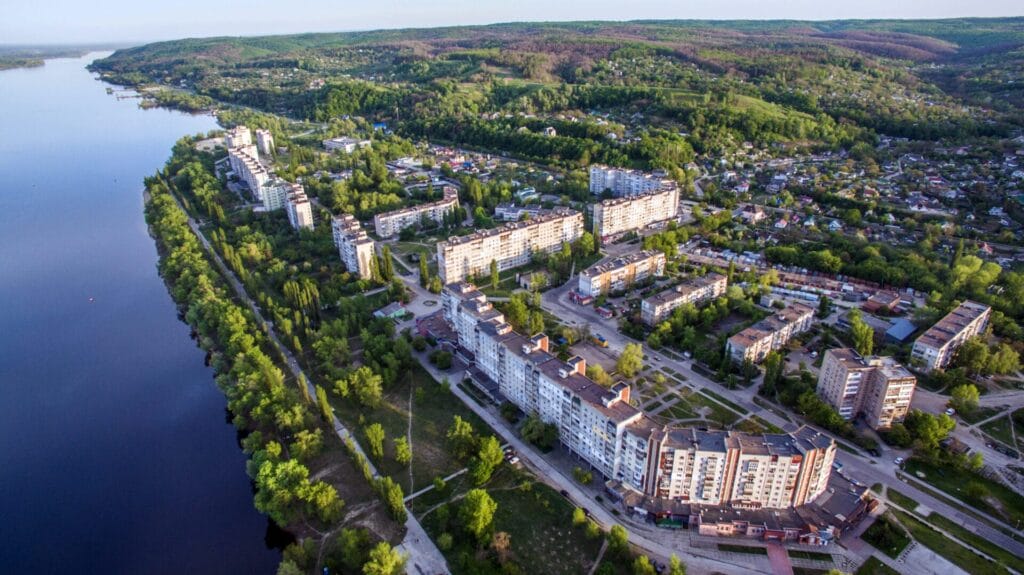
Balta
- Type: Urban
- Population: 34,117
Community and War
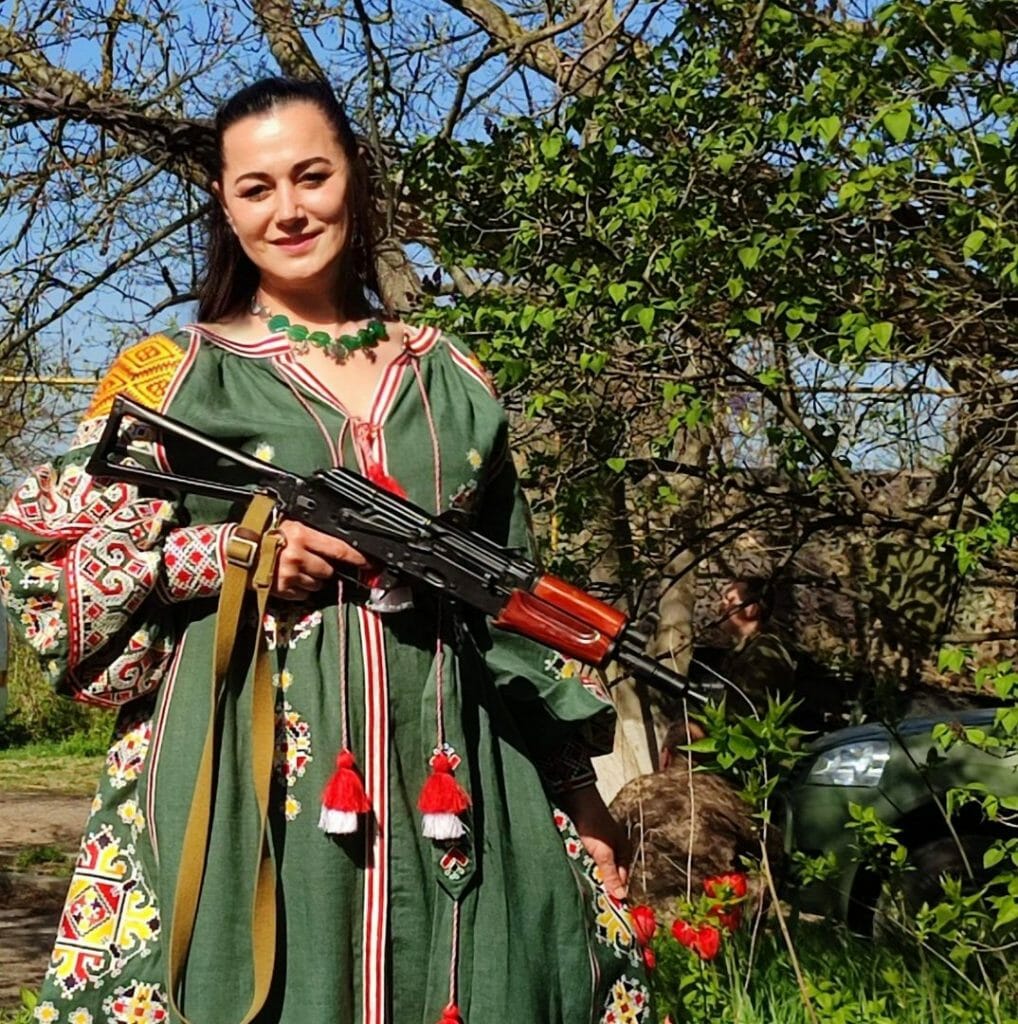
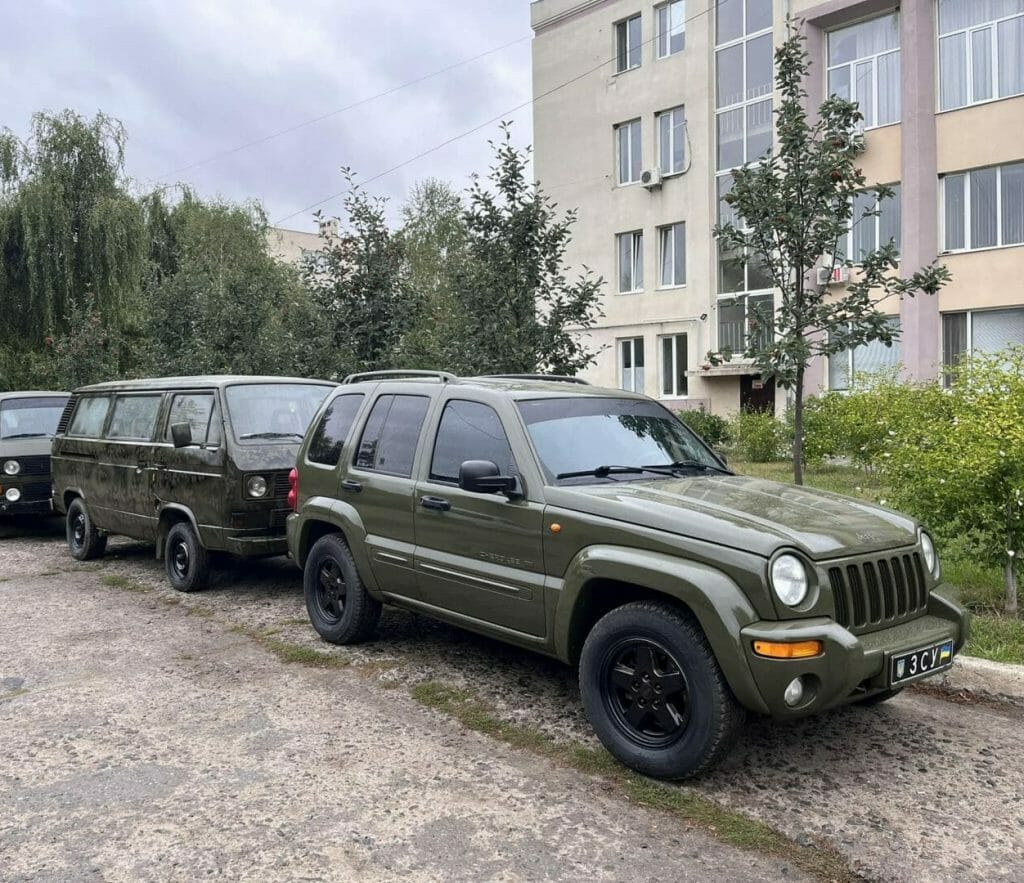
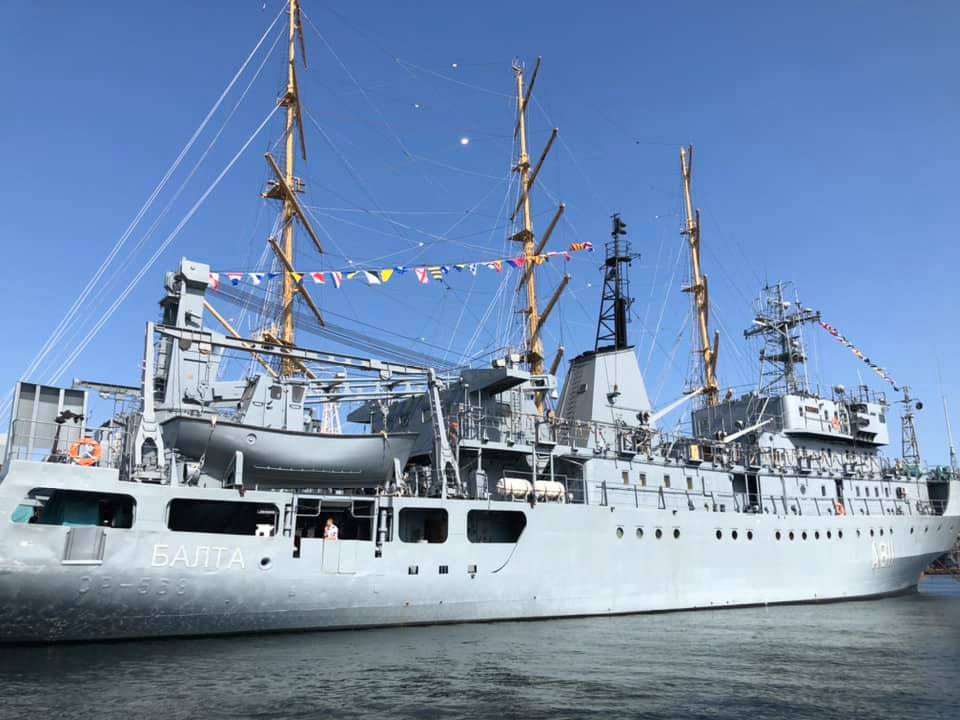
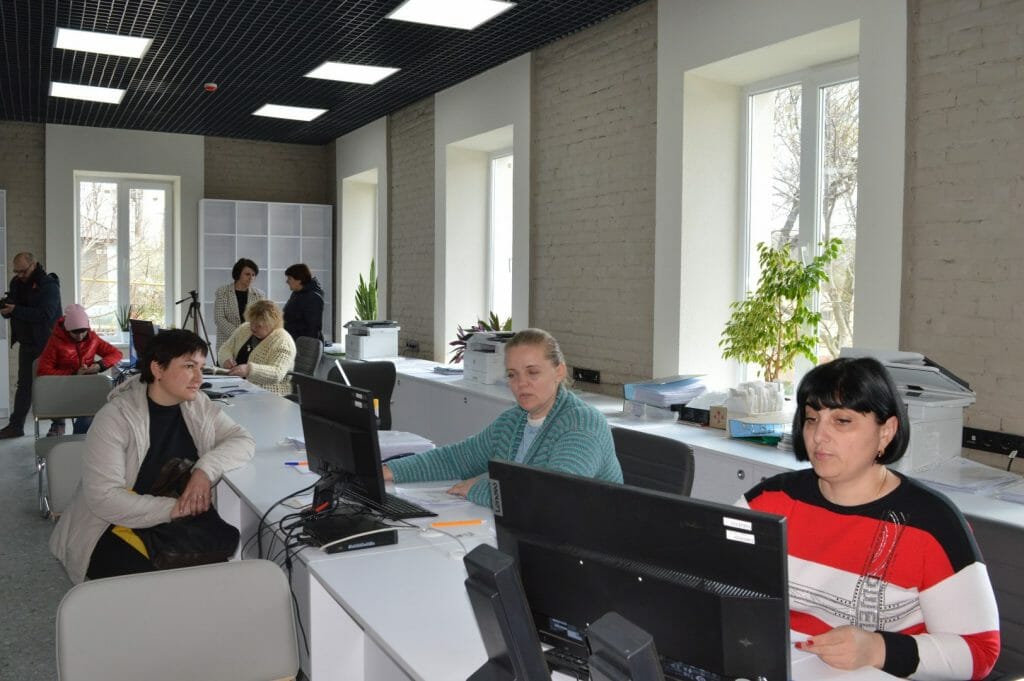
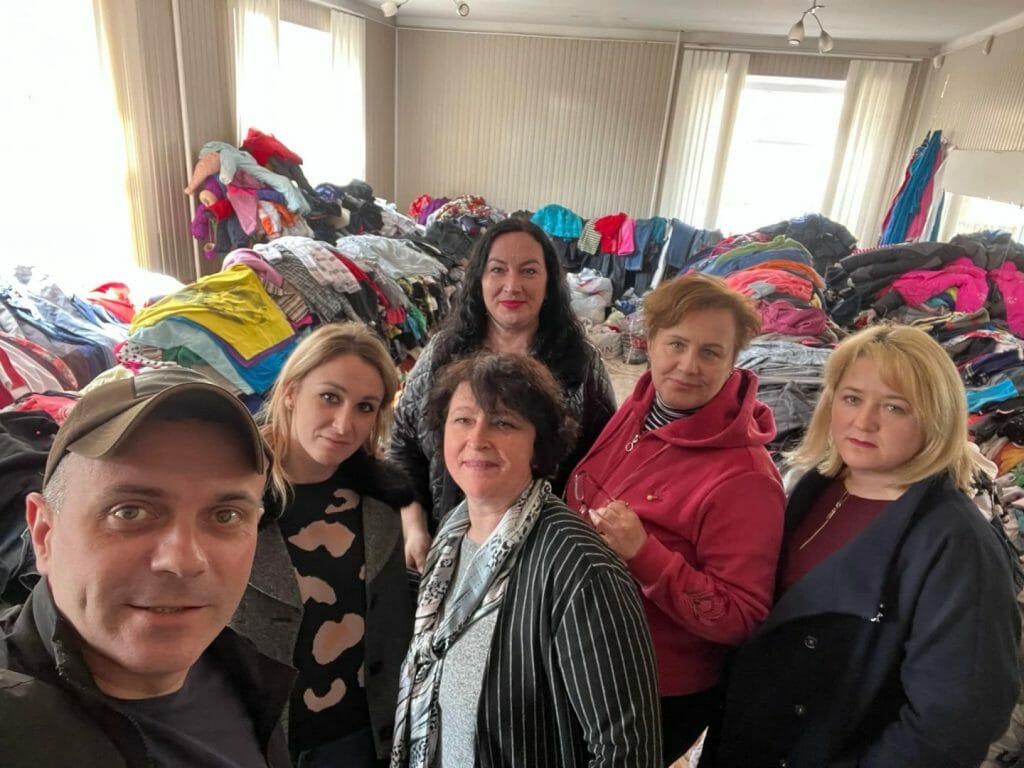
Since the beginning of the Russian full-scale war, more than 1,000 inhabitants of Balta have been defending Ukraine in the ranks of the Ukrainian Armed Forces. The community actively supports its compatriots on the front line. During the war, it sent more than 75 cars and quadcopters to the front line. The community also sends medicine and food on a regular basis. Besides, it takes care of the wounded and families of fallen soldiers.The community received more than 5,000 refugees from hot spots during the war. Internally displaced Ukrainians receive all necessary assistance here: clothing, food, medical and psychological support, help finding a job. Also, there is available municipal space for temporary lodging.
History
In ancient times, there was no settlement in these wild lands.
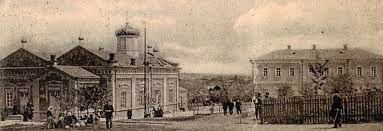
At the beginning of the 18th century, the Poles decided to strengthen their border with the Ottoman Empire. In 1738, Prince Józef Lubomirski began the construction of a fortress town on the left side of the Kodyma River, which he named Józefgrad in his honour. The Turks, in turn, decided to build a town on the right side of Kodyma in opposition to the Polish one. This town was called Balta – which is translated as an “ax”.
So, the town was at the crossroads of the Catholic and Muslim worlds. In 1791, after the partition of Poland and Russia’s capture of the Ottoman lands of southern Ukraine, Józefgrad and Balta became part of the Russian Empire, and the towns were united into one called Balta in 1797.
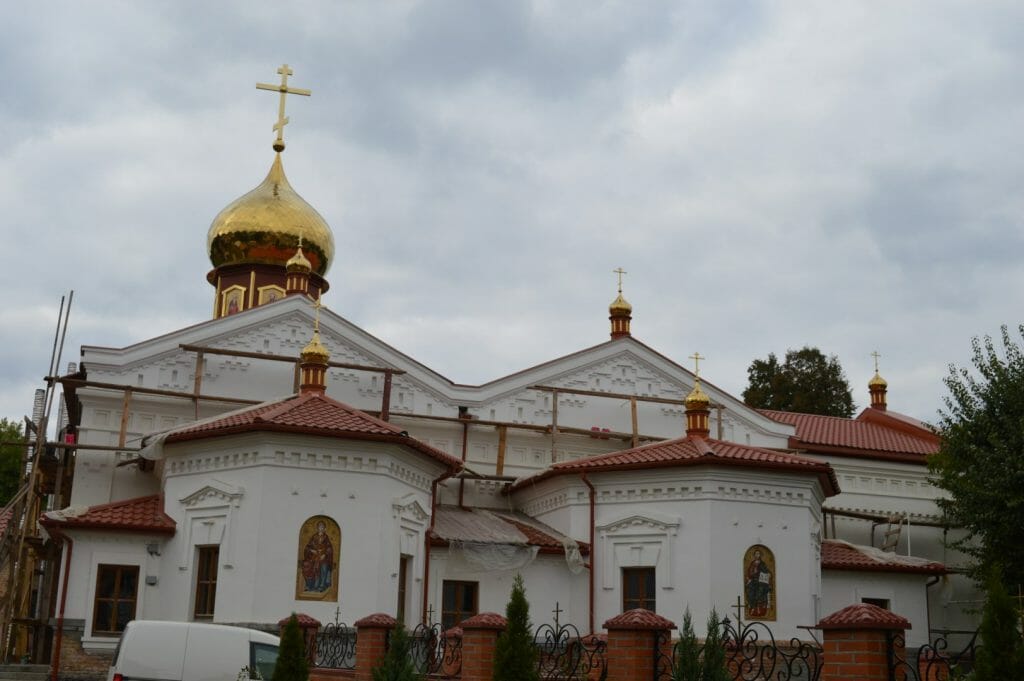
Balta-Feodisiya Intercession Men’s Monastery. Photos provided by the community
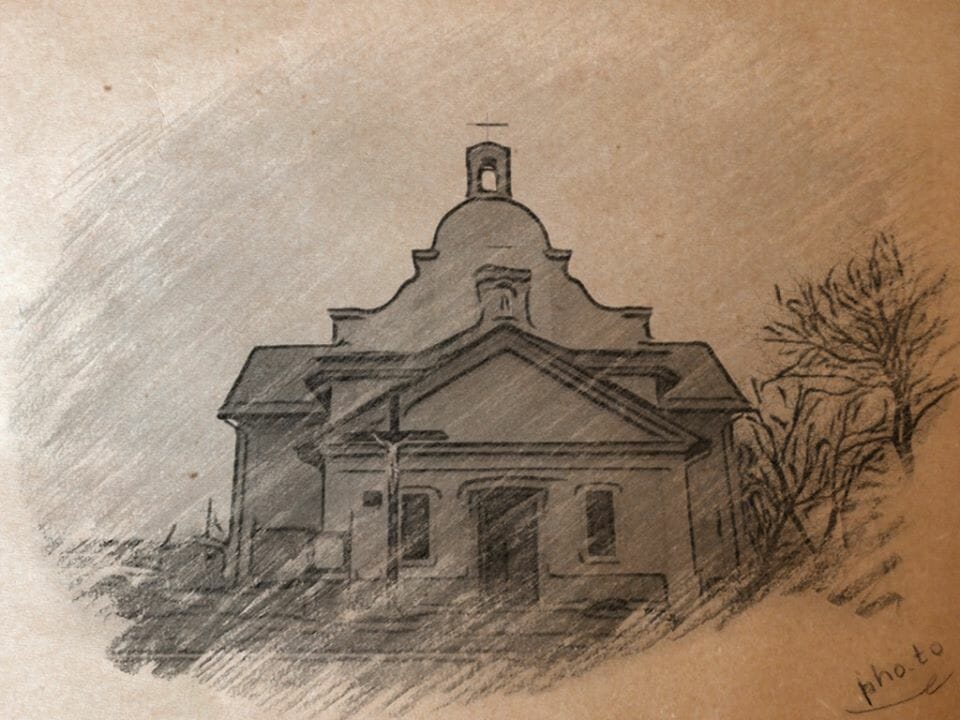
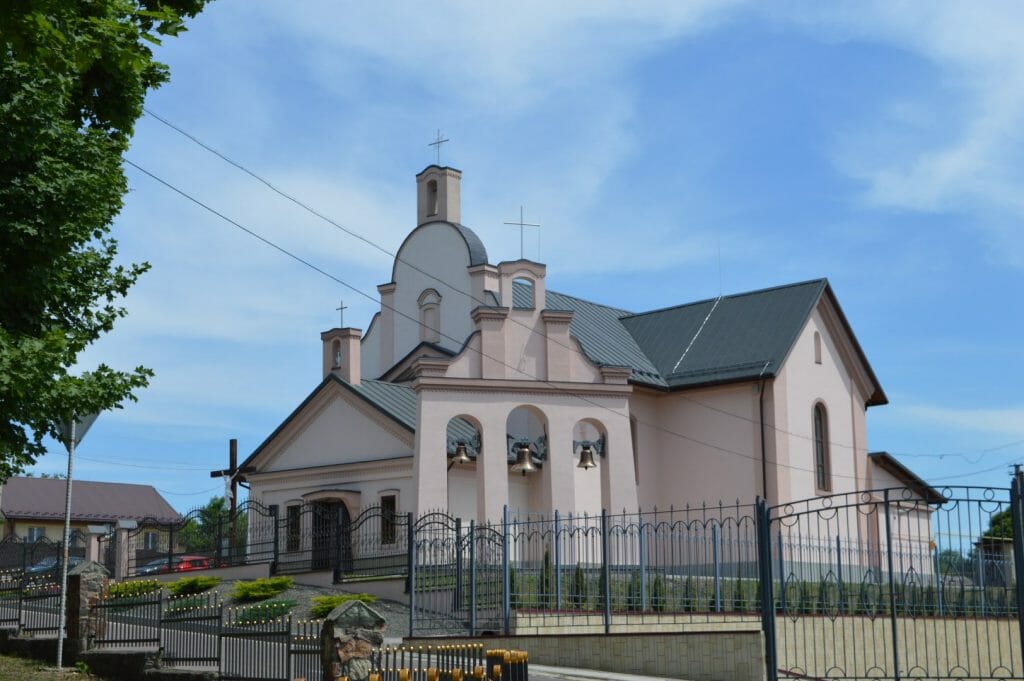
Roman Catholic Church of St. Stanislaus in Balta. Photos provided by the community
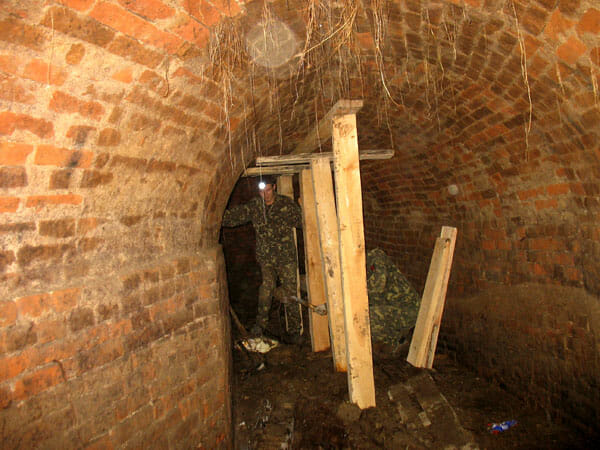
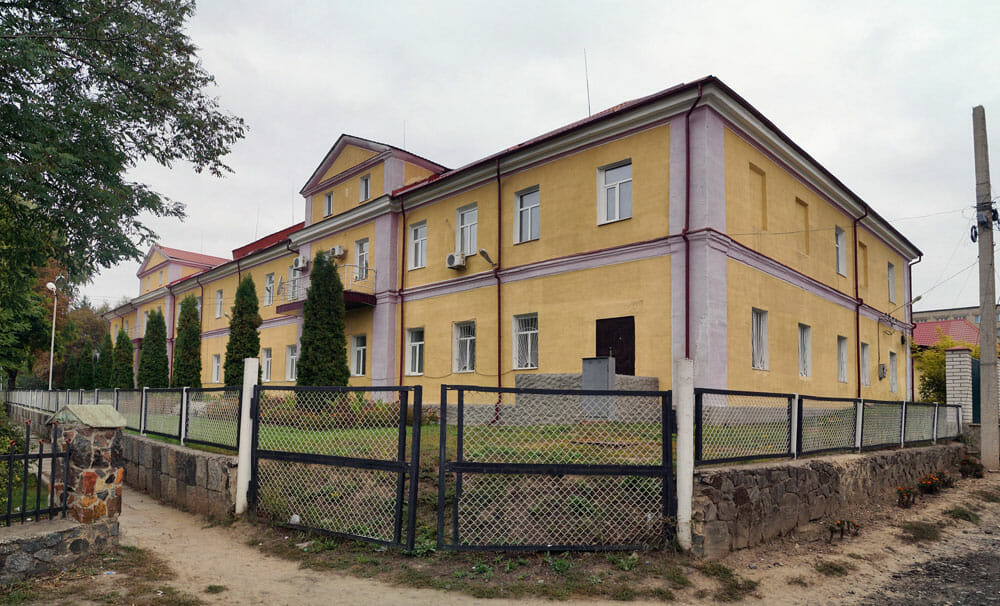
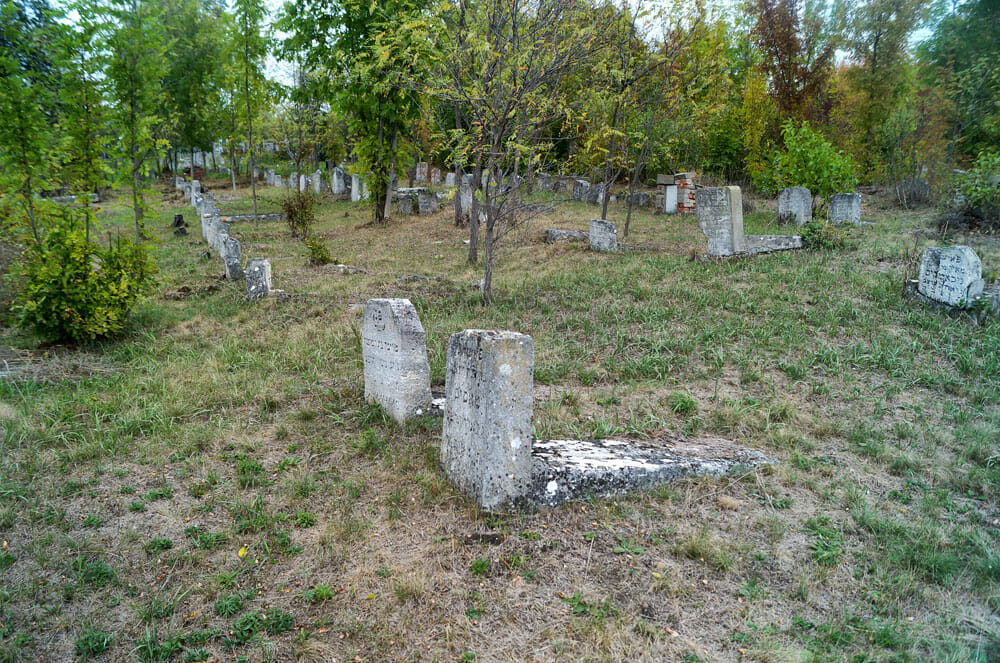
Under the town, an extensive system of underground passages, similar to those in Kraków, has been preserved to this day. The underground passages used to connect different parts of the town, and according to legend, they even passed under the river.In the 19th century, the town turned into a leading trade centre of southern Ukraine. As a result, a large Jewish community settled here. In 1900, out of 23,000 inhabitants of Balta, 13,000 were Jews. Today, the Jewish heritage is still preserved in the town – a synagogue, residential buildings and a large kirkut have been reconstructed.
Economy
Balta’s economy is focused on agriculture and small business. It is these branches of the economy that are most vulnerable to the consequences of military aggression.
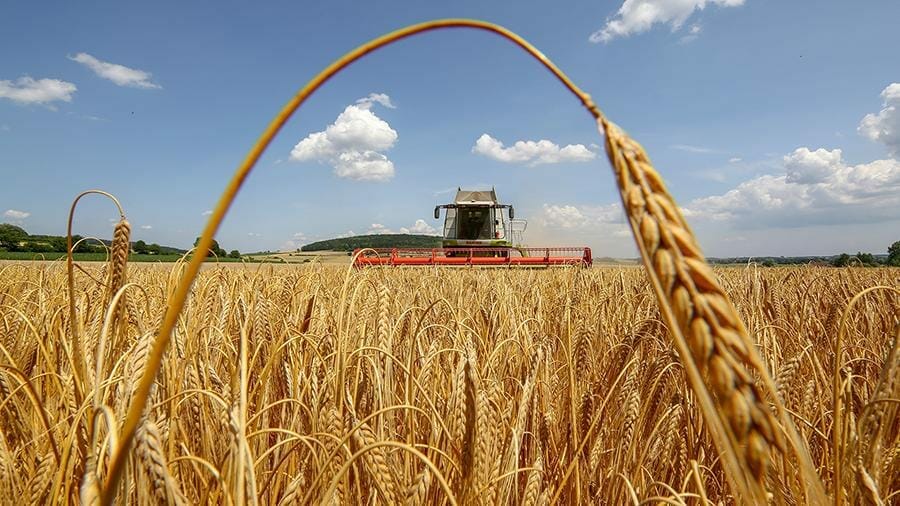
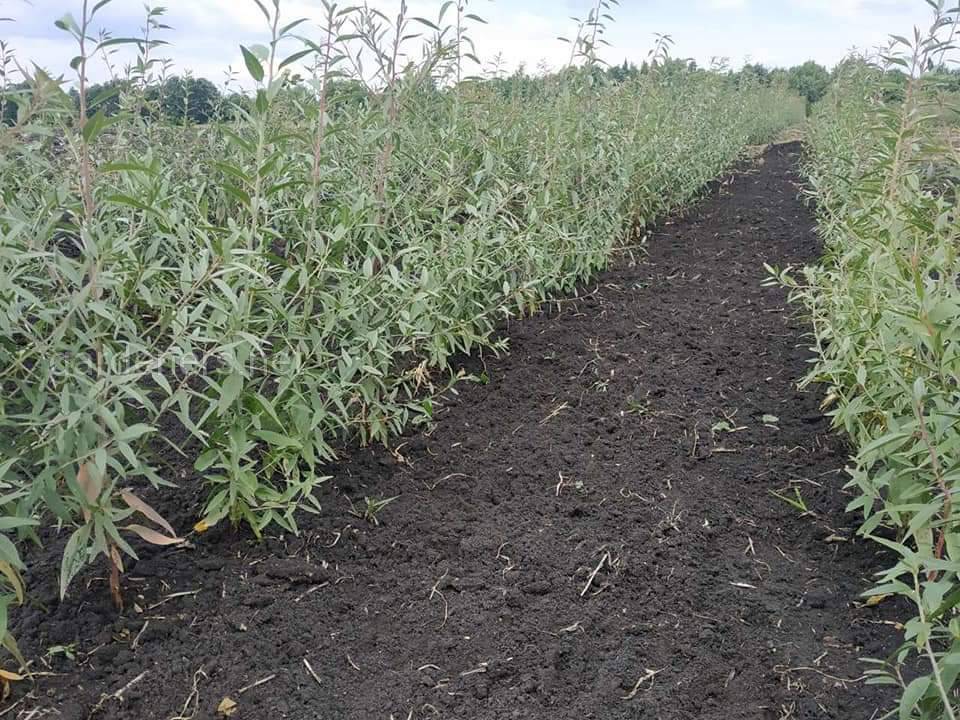
Here, about 46.9 thousand hectares of land are used in agriculture, where orchards occupy an area of about 1,000 hectares and are in need of renewal. The cultivation of nuts (almonds, hazelnuts) begins to develop actively. Also, there are enterprises specializing in harvesting and storing grain in the community.
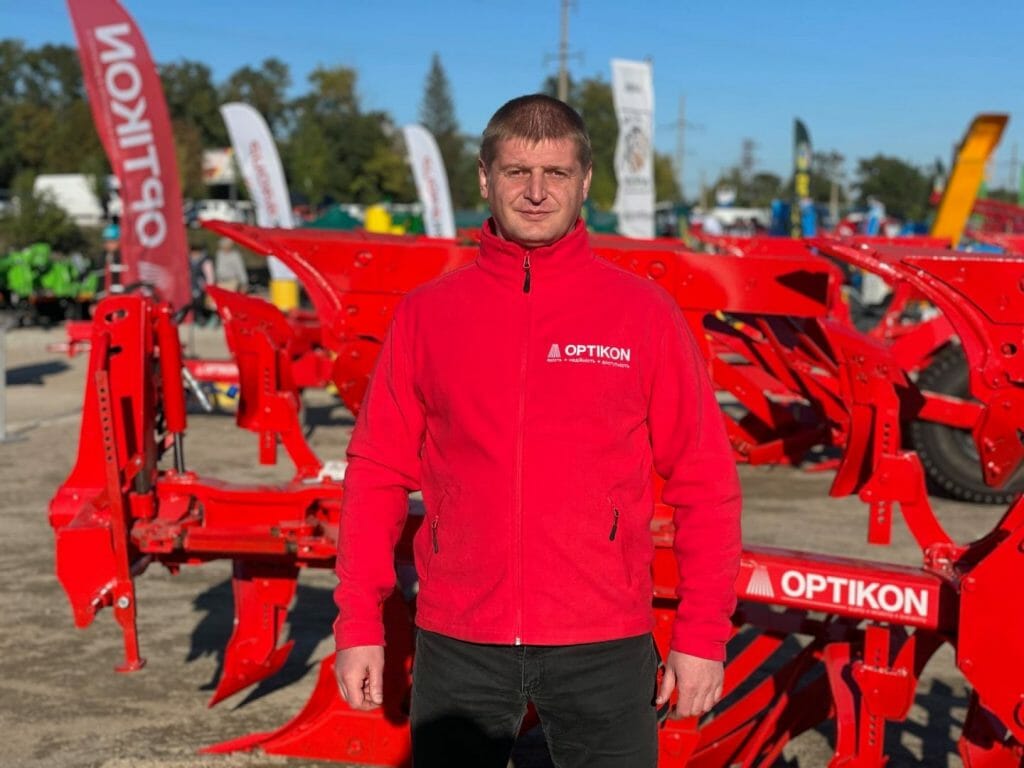
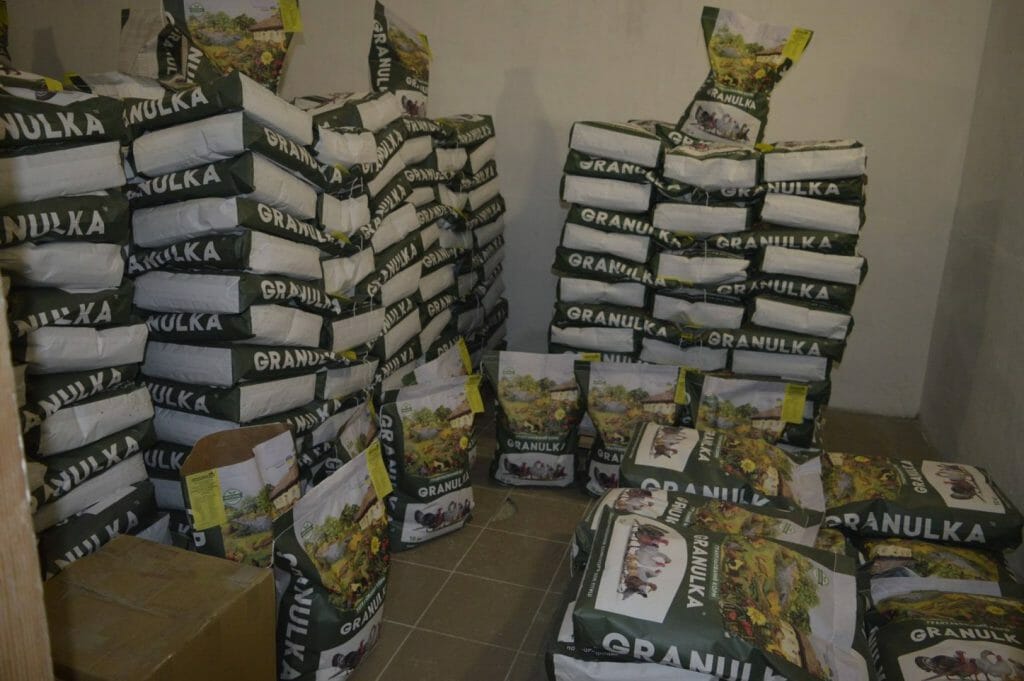
In the community, the manufacturing industries include the sewing industry, the production of agricultural equipment, and the food industry (bakery). Agricultural equipment and sewing products are actively exported abroad.
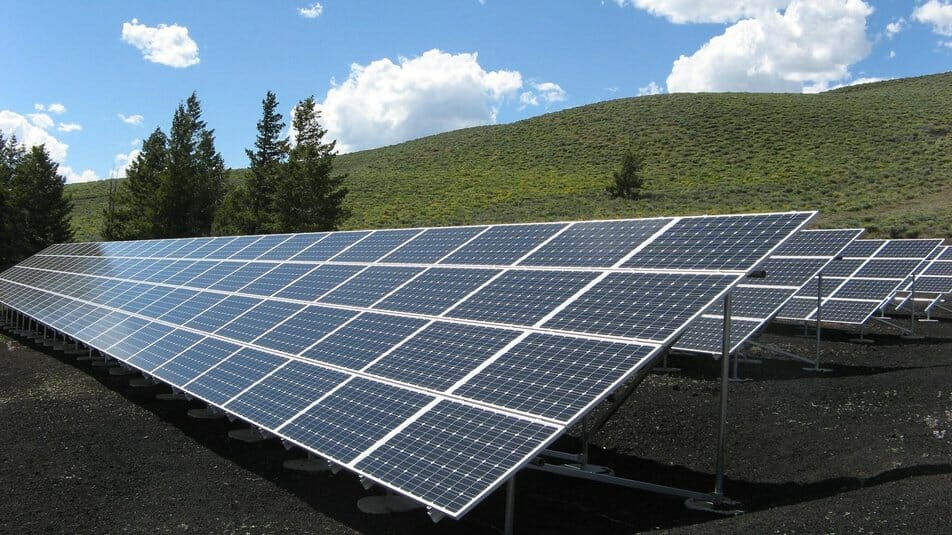
The community is interested in the further development of the processing industry, the development of horticulture and vegetable growing, animal husbandry, as well as alternative energy and tourism.