TOKMAK COMMUNITY
- Type: Urban
- Population: 36,700
History
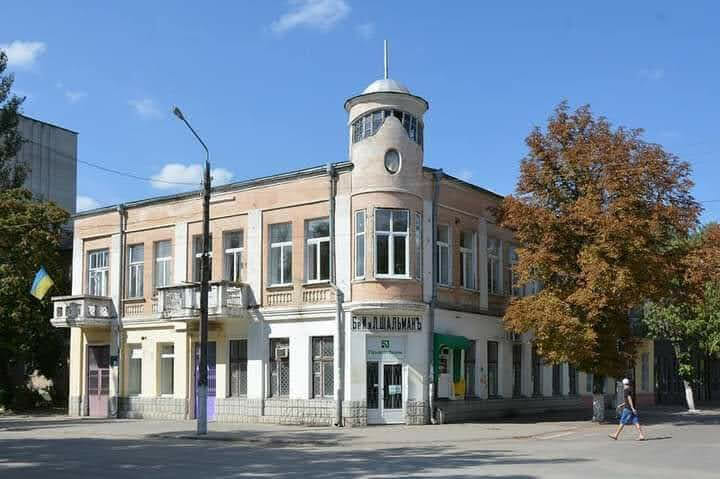
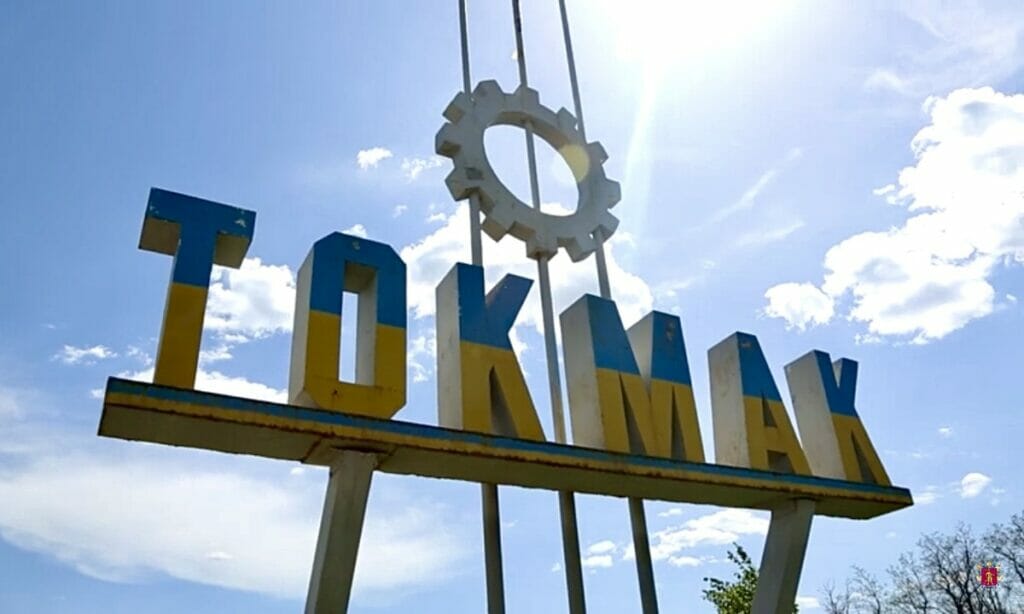
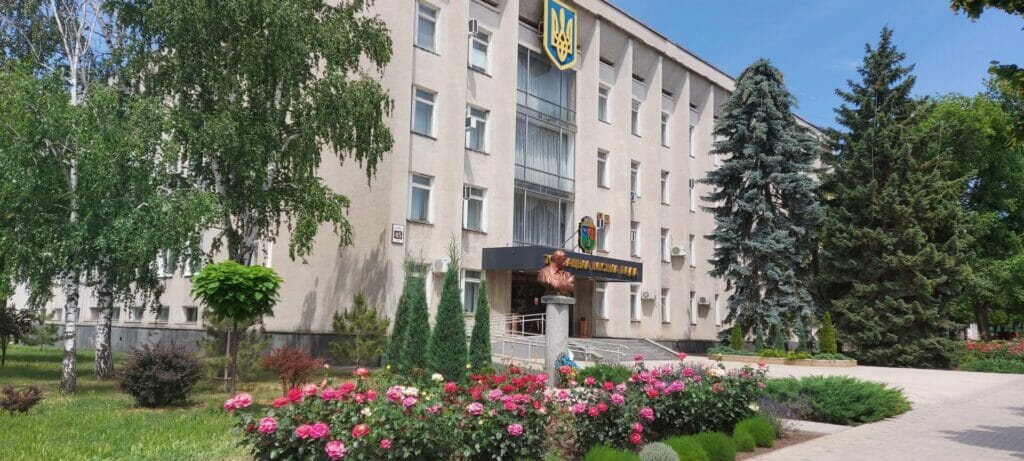
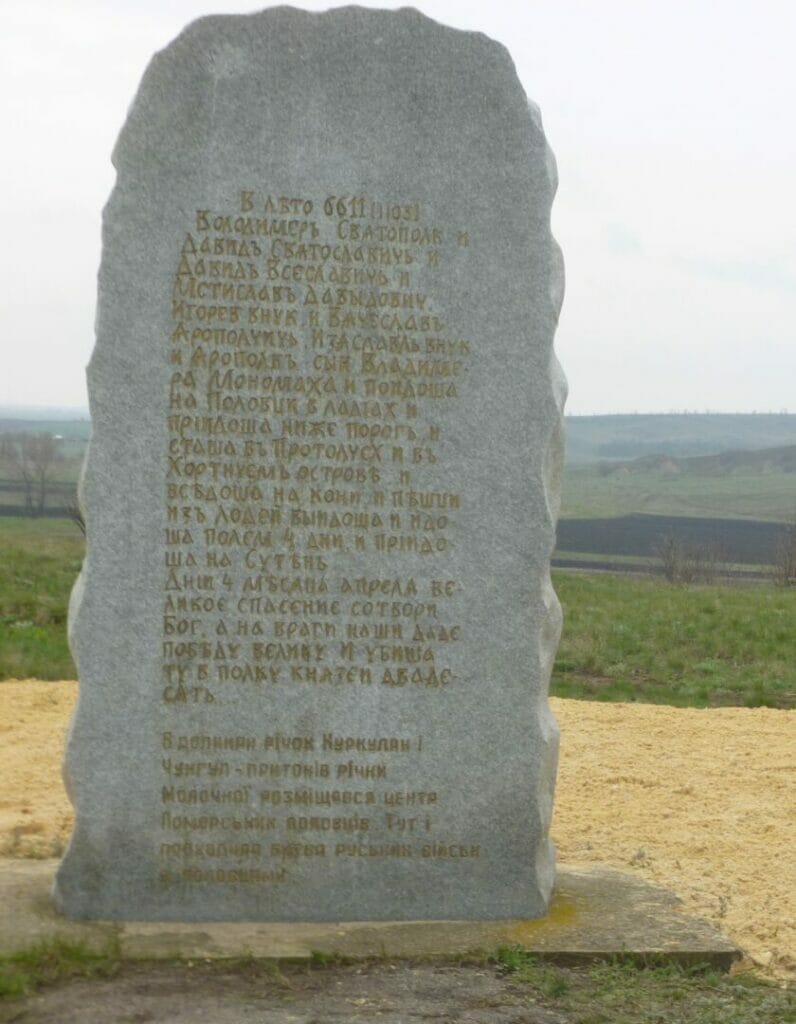
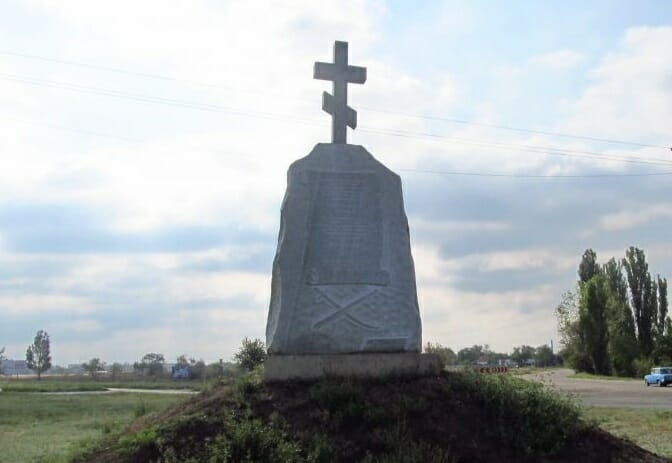
Tokmak and its surroundings were settled in ancient times. This is evidenced by excavations of several burial mounds near the city, where burials from the Bronze Age (3rd-1st millennium BCE), Scythians (4th century BCE), Sarmatians (3rd-2nd century BCE), and nomads (10th-12th century CE) were found. However, due to frequent raids by nomads, there were no permanent settlements in these areas. The Tokmak region is first mentioned in the chronicle “The Tale of Bygone Years” when on April 4, 1103, the Kiev troops led by princes Volodymyr Monomakh and Sviatopolk defeated the Polovtsian hordes on the Molochyna River. This victory marked the beginning of a decisive turning point in the confrontation between the Kiev princes and the Polovtsian khans. In memory of this event, a monument was erected at the site of the battle.The first settlers in the Tokmak region were former Zaporizhian Cossacks and immigrants from Poltava. Tokmak grew rapidly, aided by the trade route that passed through the city – the Old Chumak Trail, which was still used by Zaporizhian Cossacks traveling to Crimea.
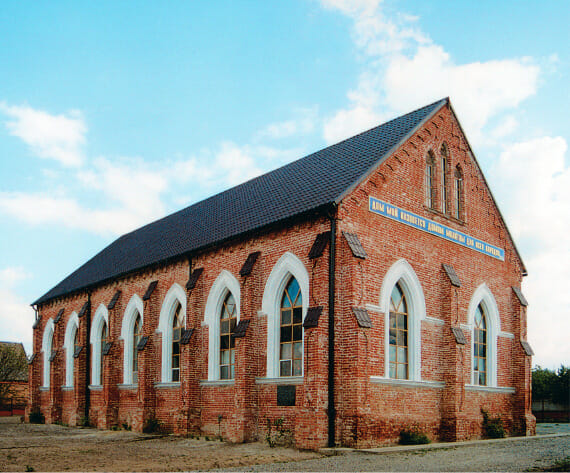
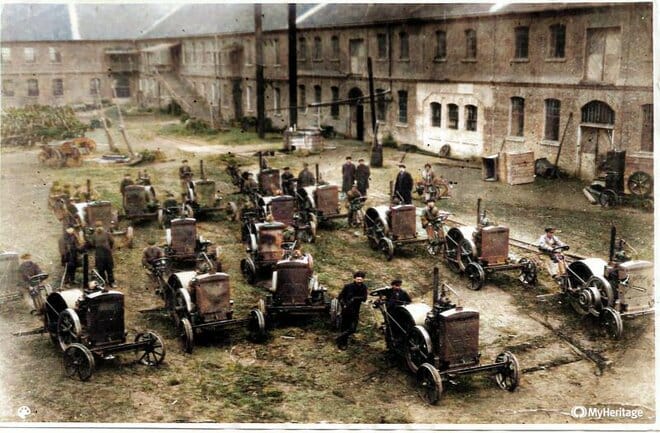
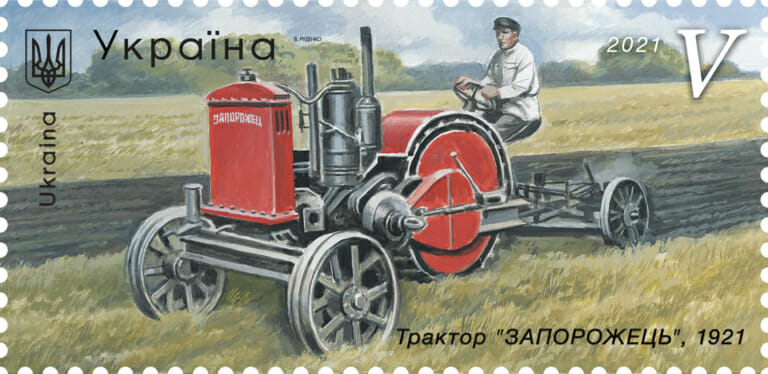
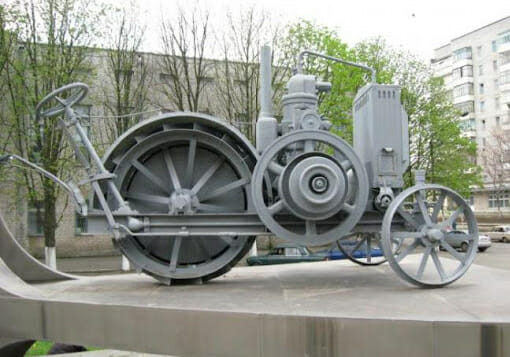
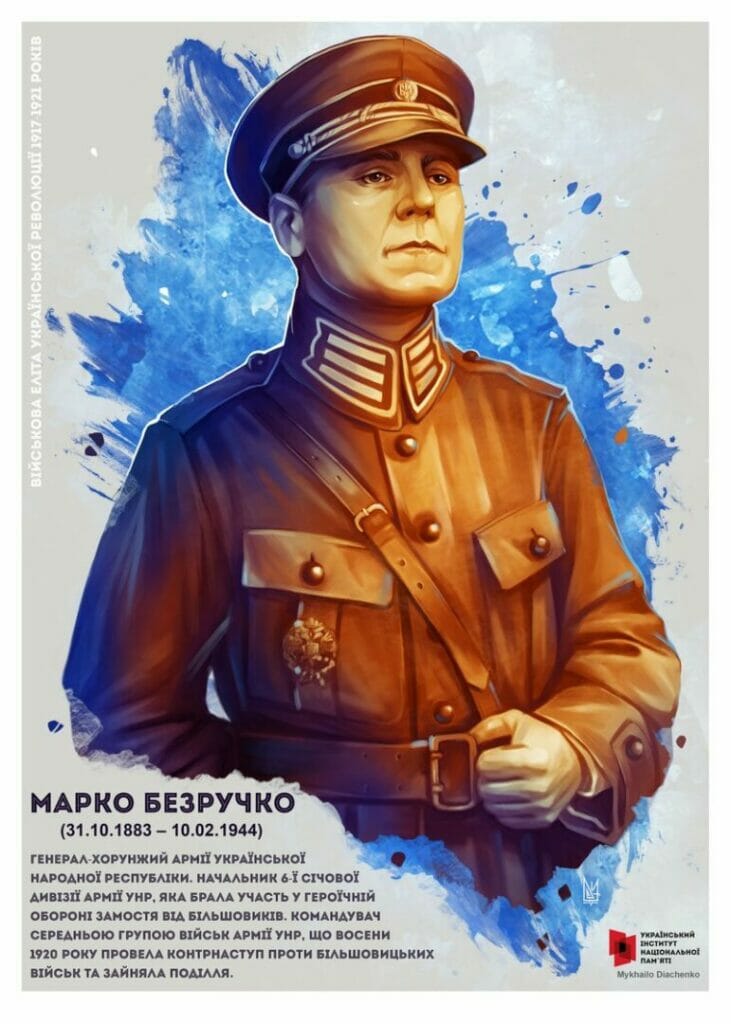
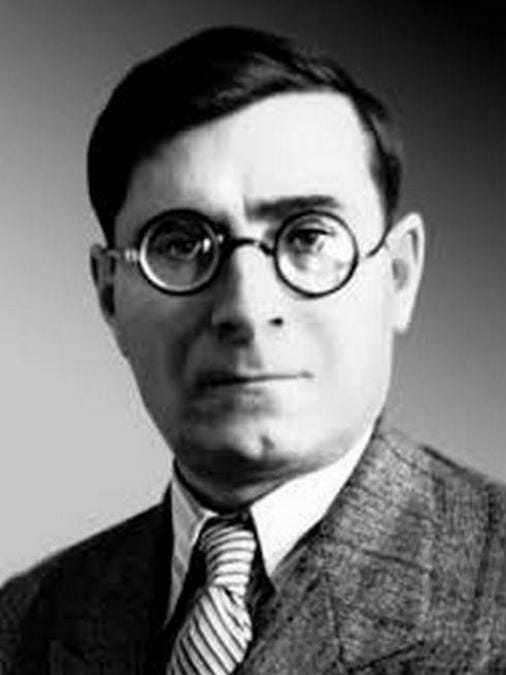
The further development of the city and surrounding villages is associated with the German colonists (Mennonites) who founded large factories for the production of agricultural machinery and tools, a brick and tile factory, which were the most successful in the region.An important role in the dynamic development of the city was played by the city-forming enterprise – the only machine-building plant in Ukraine, JSC “Pivdenmashdizel”, which produced more than 90 modifications of diesel engines and diesel generators.Tokmachchyna takes pride in its famous fellow citizens: General-Ensign of the Army of the Ukrainian People’s Republic Mark Bezruchko, aircraft engine designer Oleksandr Ivchenko, and historian and ethnographer Petro Yefymenko.
Development strategy
After de-occupation, Tokmak aims to become a safe and comfortable place for both residents and visitors of the city. It also envisions itself as a powerful cultural and business center, open to collaboration. It is a community that shares European values.
Among the main strategic priorities for community development are small and medium-sized businesses, the agro-industrial sector, the tourism cluster, and energy efficiency.
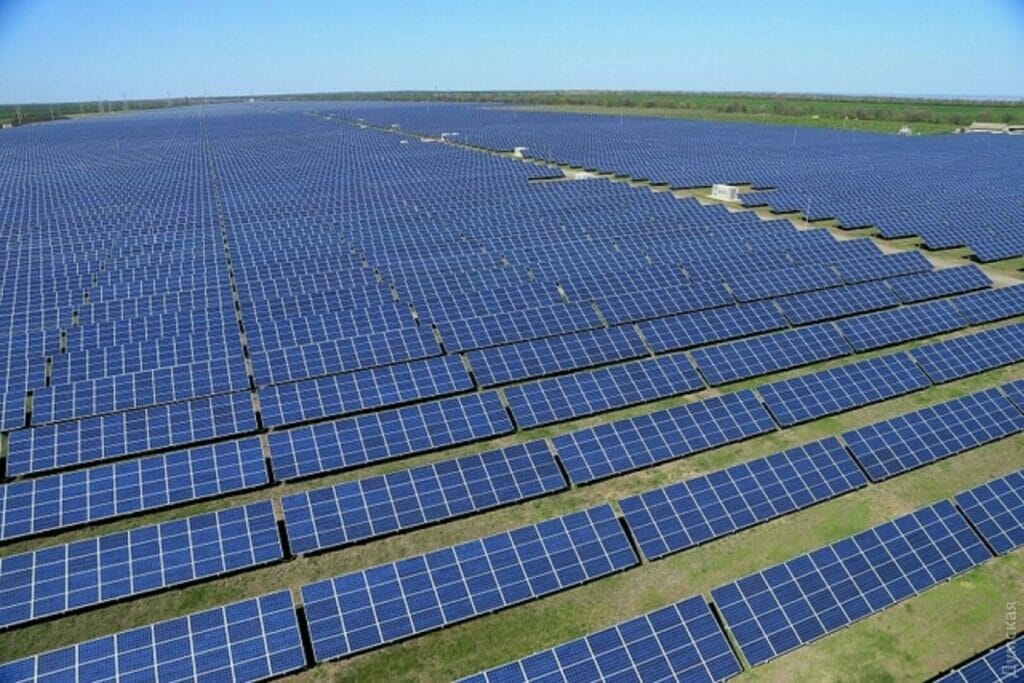
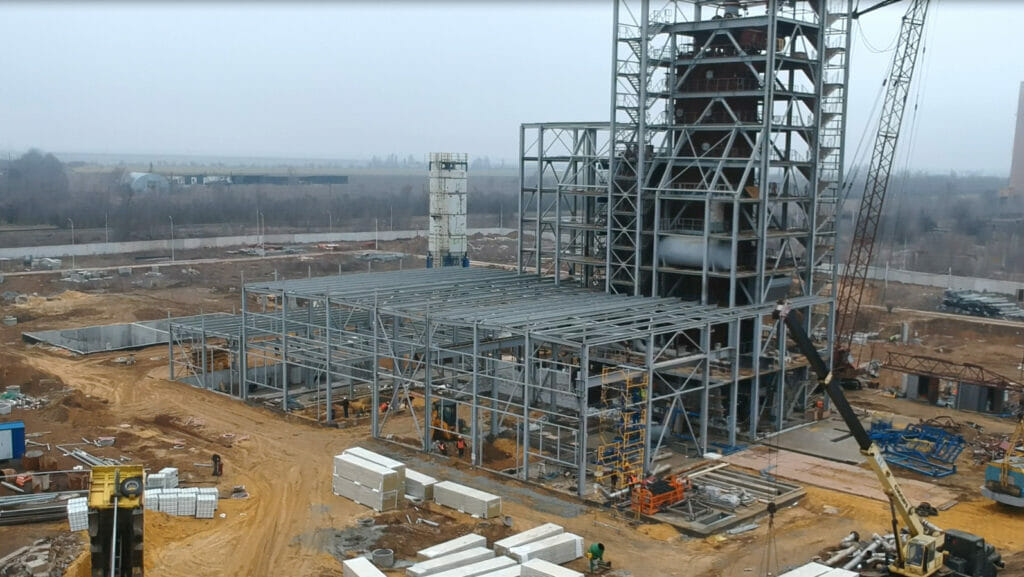
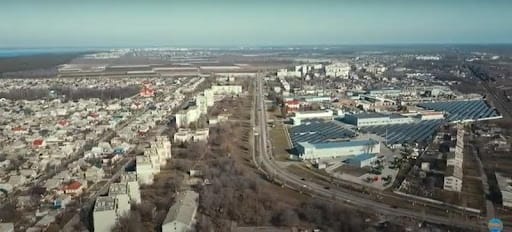
In particular, the community plans to implement new projects for alternative energy, building on the success of the largest solar power plant in Ukraine, which has a capacity of 64 MW and is already operating in the area.Plans to complete the construction of a solar power plant (green energy using sunflower husks). The community has explored deposits of manganese, marble, rubble stone, clay, and loam for brick production. This direction is also planned to be strengthened.
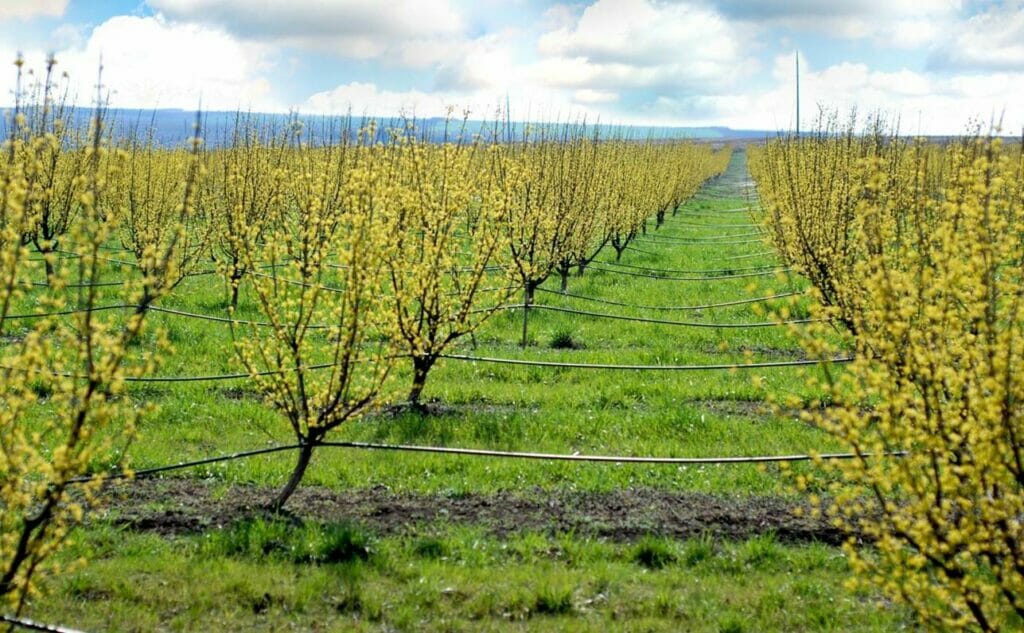
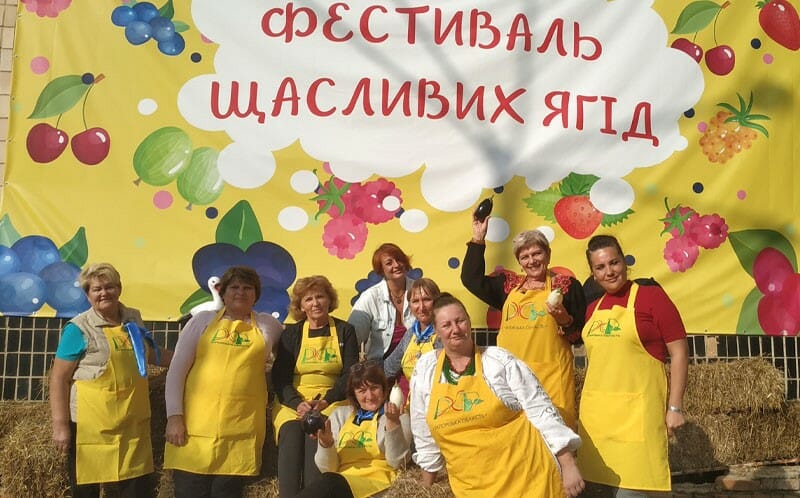
Agriculture, particularly berry and crop farming, is an important element of the community’s economic development, with the main agricultural land used for cereals, sunflowers, corn, and rapeseed, among others. The community also earns from berry cultivation: strawberries, raspberries, and dogwood. The largest organic dogwood orchard in Europe, covering an area of 14 hectares and containing over 12,000 trees, is located in the Tokmak community.In order to stimulate the development of the berry, horticulture, and fruit and vegetable industries, as well as to popularize local cultivation practices and promote local brands in 2019, the annual “Happy Berries Festival” was launched in the Tokmak community.Of course, due to the hostilities, the strategic priorities of the community are changing – the number one issue after the end of hostilities will be the rebuilding of the community and the restoration of destroyed infrastructure.