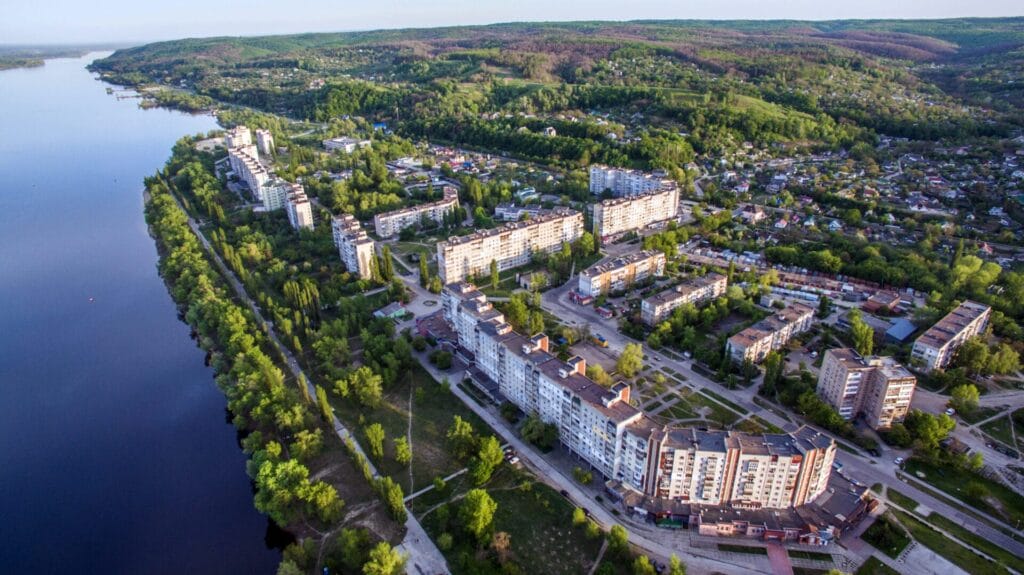
Dubove Territorial Community
- Type: Urban
- Population: 20,637
Community and War
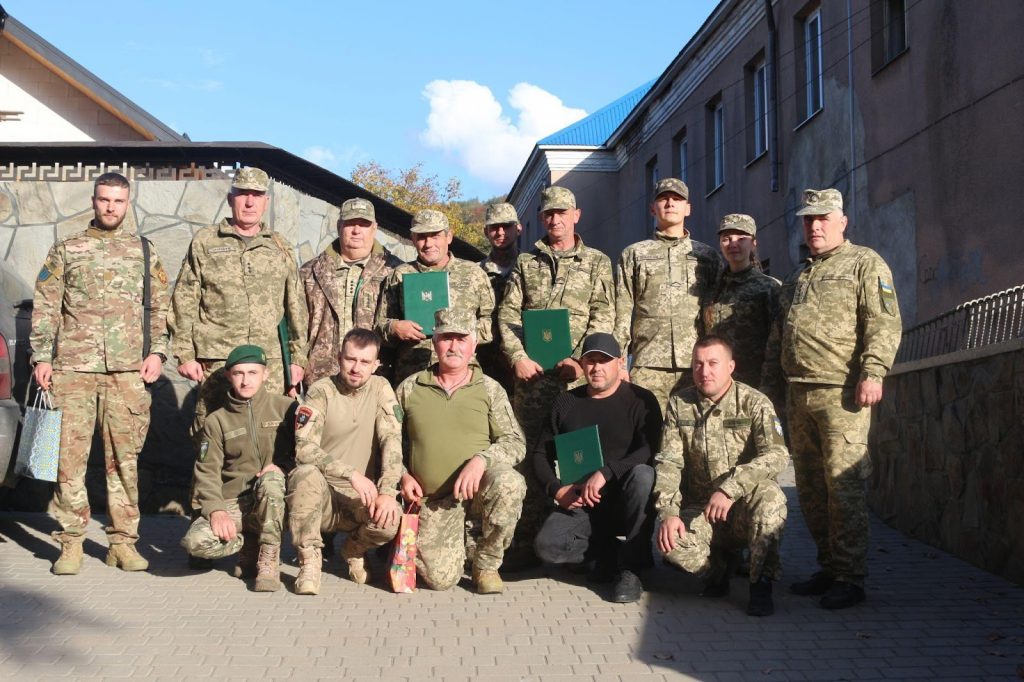
Since the beginning of the full-scale Russian invasion of Ukraine, the Dubove community has sheltered more than 1.5 thousand internally displaced persons, providing them with housing and food.
Some of the newcomers settled in the private sector, and some were provided with free accommodation by way of creating and equipping shelters on the territory of the municipal hospital and a dormitory of one of the colleges. These shelters are currently undergoing renovations and living conditions are being improved for internally displaced persons.
A humanitarian headquarters for displaced persons has also been organized. The head of the village, Denys Kahanets, has established relations with charitable organizations that have provided humanitarian aid to internally displaced persons.
Currently, more than 60 men from the Dubove community defend the Motherland with weapons in their hands.The Dubove settlement council supports the servicemen in every possible way. It has given them trucks, a school bus, laptops, computers and printers. It also provides fuel on a regular basis. Benefactors and caring residents also actively help the military: they donate jeeps, warm clothes, and food to the military on the front line.
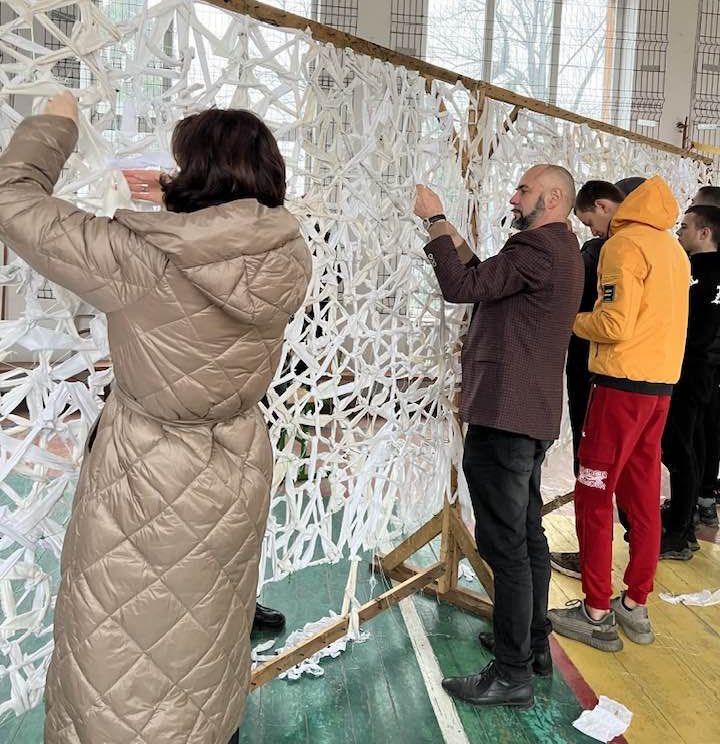
Since the beginning of hostilities, local volunteers have organized the collection of humanitarian aid to cater for the needs of the military and displaced persons. Teams of educational institutions join the collection of humanitarian aid, organize fairs, raise funds to support the military and weave camouflage nets.
Cultural workers and members of the youth council are also involved in weaving nets.
History
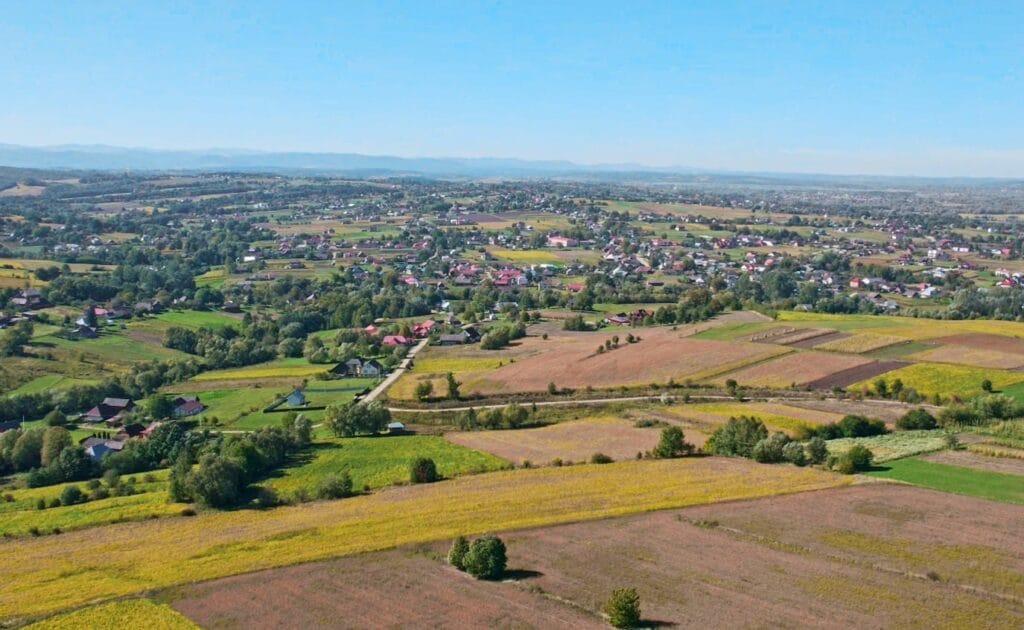
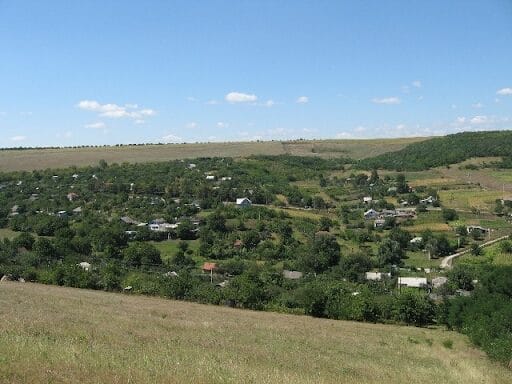
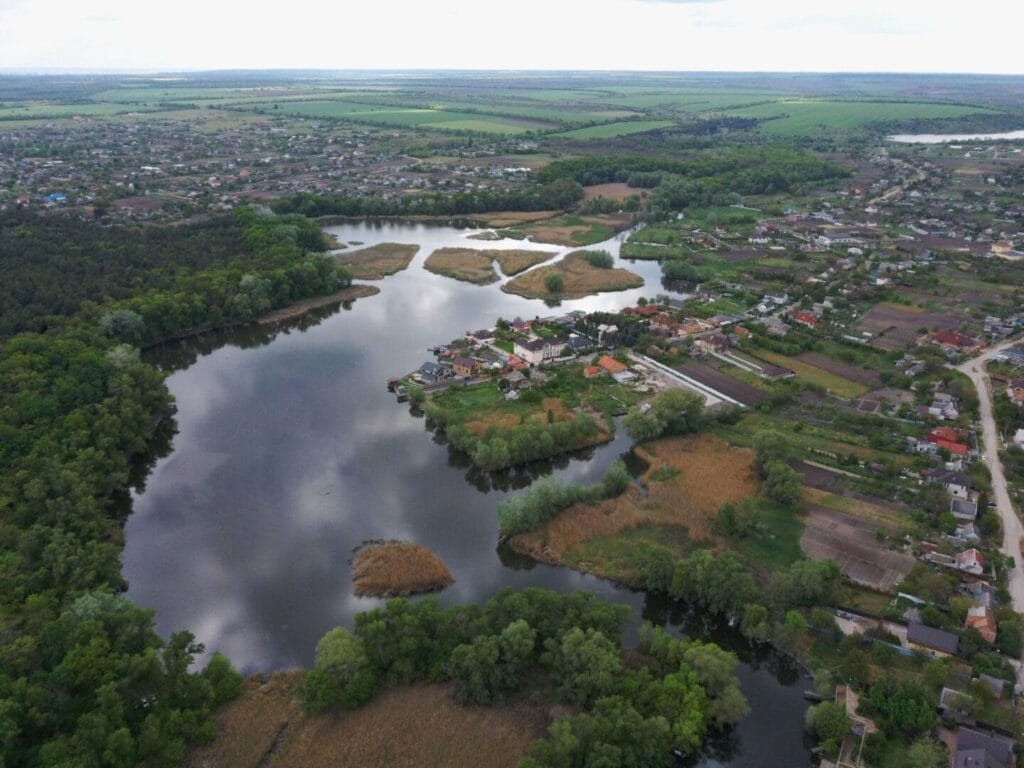
The Dubove community was founded in 2020. Geographically, the population centres are located in the western part of Ukraine, in the very heart of the Carpathians, where incredibly picturesque landscapes open up.
The first mention of the settlement can be found in historical sources on January 26, 1591. According to legend, the name of the settlement comes from the old oak trees (Ukrainian – duby) that grew in the centre of the settlement. It is more likely that the village itself was surrounded by an oak forest. For half a millennium, Dubove was a part of several state entities: Austria-Hungary, Czechoslovakia, Carpathian Ukraine, Ukrainian SSR, and Independent Ukraine.
The development of the settlement is associated with the functioning of the Zakarpattia Helicopter Production Association in Soviet times, which specialized in the production of aviation industry goods. Now the company is not operational.
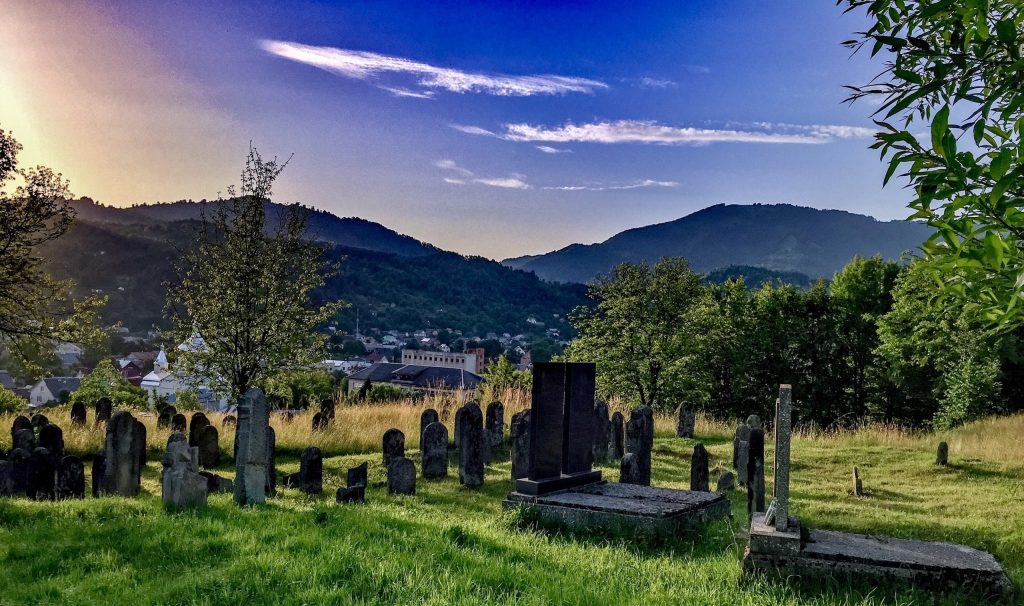
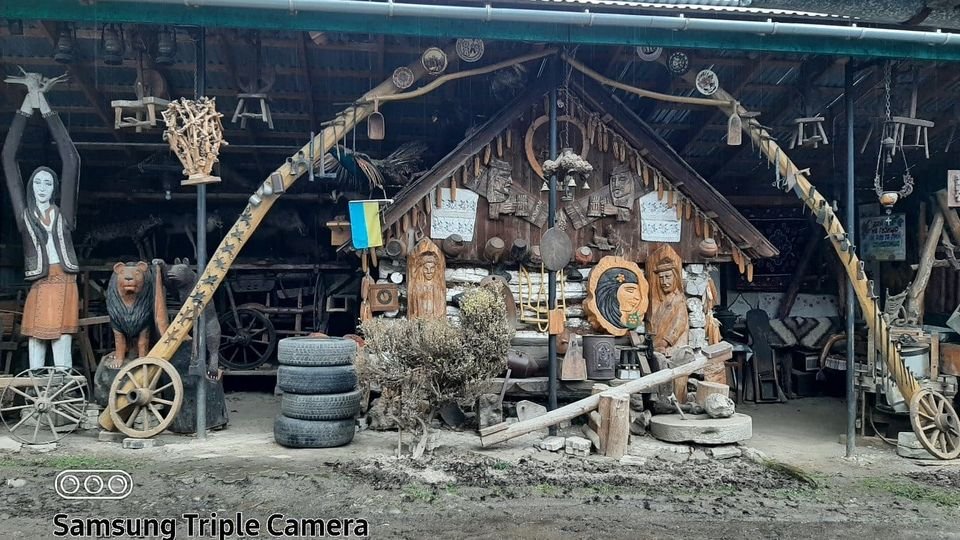
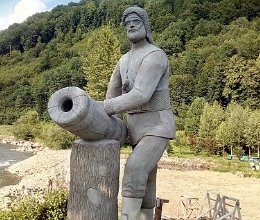
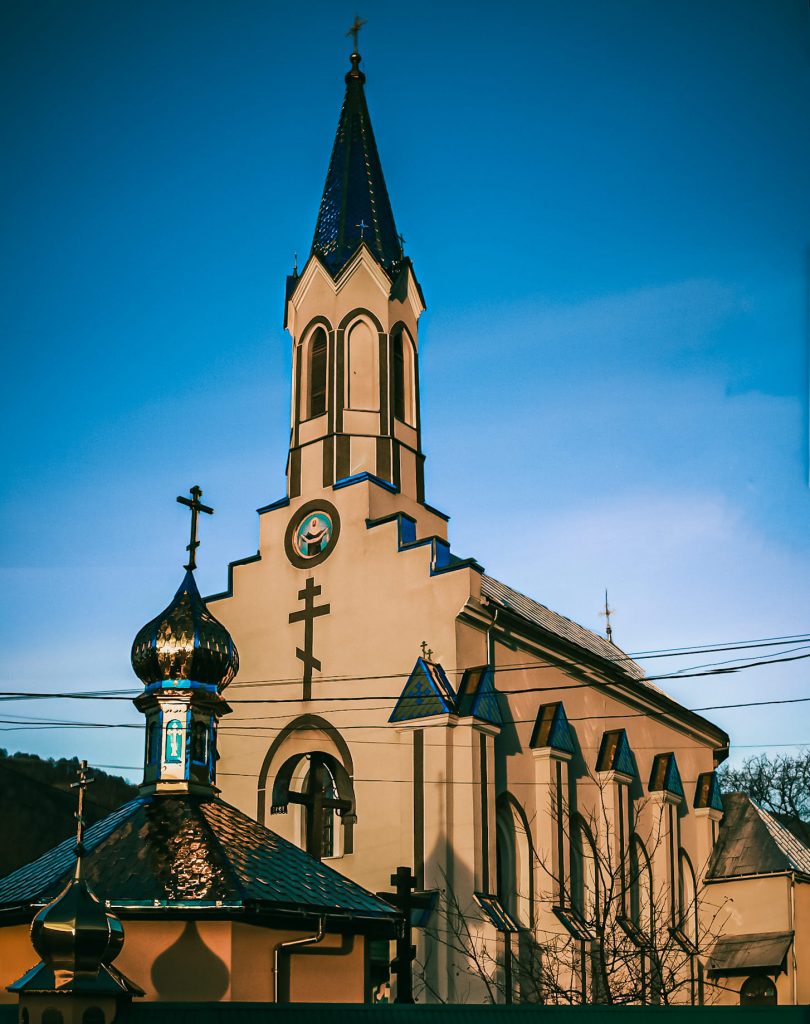
In 1755, the settlement was the centre of forestry, which contributed to the growth of the population. In the pre-war period, in addition to native Ruthenians, various ethnic groups lived here, including Jews. This is evidenced by the synagogue in the centre of the settlement, which was turned into a cultural centre during Soviet times. And on the outskirts there is an old Jewish cemetery. The Jewish community takes care of the cemetery here. There is an ethnographic museum Kalyna in one of the villages of the community which is distinguished by collections of Hutsul clothing, weapons, tools, and household items. Here you can see a plough, authentic kitchen utensils, clothes, a water wheel, a Hutsul hut and even a chair of the first president of Carpathian Ukraine – Augustyn Voloshyn, and countless other household items. There is a botanical garden on the territory of the manor, where bananas, lemons, and coffee trees grow.On the outskirts of the village of Dubove, on the premises of a private restaurant located on the banks of the Teresva River, a concrete monument to the knight of the road was erected several meters high. Insurgent Hryhir Pyntya is a popular character of Zakarpattia folklore. Legends, songs, and children’s books were written about Maramorosh – the most famous knight of the road.The 19th century’s Church of the Assumption of the Mother of God, an architectural monument built in 1861-1879, is located in the centre of the village of Krasna. The interior of the church is unique because master builders invited from France worked on it. The iconostasis was painted by the famous Zakarpattia artist Ihnatiy Roshkevych. The church has valuable bells made in 1925 and brought from France.
Development Strategy
Although the Dubove community is still quite young, it has ambitious plans for development. It strives to improve life in the community to European standards, to create prerequisites for young people to stay in villages and develop them. Therefore, the community contributes to the development of medium and small businesses, craft production, in particular, cheese factories, supports sheep farming and beekeeping, which are the authentic occupations of the ancestors. All this can spark the interest of potential partners and facilitate the joint implementation of projects related to ecology, tourism, sports development, medicine, infrastructure development.
Other priority tasks of the community include the construction of sewage treatment plants and the construction of a plant for the processing of wild berries, which the region is rich in. Also, there is a possibility to open an industrial park here.
One of the future steps is the thermal sanitation of educational institutions, the construction of a modular boiler house that will heat 5 social and educational institutions of the community and the protection of settlements from water damage through the construction of water protection structures on the Teresva River within the community.
Priority is also given to the improvement of road infrastructure, development of tourism, social services and sports in the community. There is an intention to build multifunctional playgrounds on the territory of the community and to reconstruct the Karpaty stadium.