Krasnokutsk Territorial Community
- Type: Urban
- Population: 26,900
People of the Community
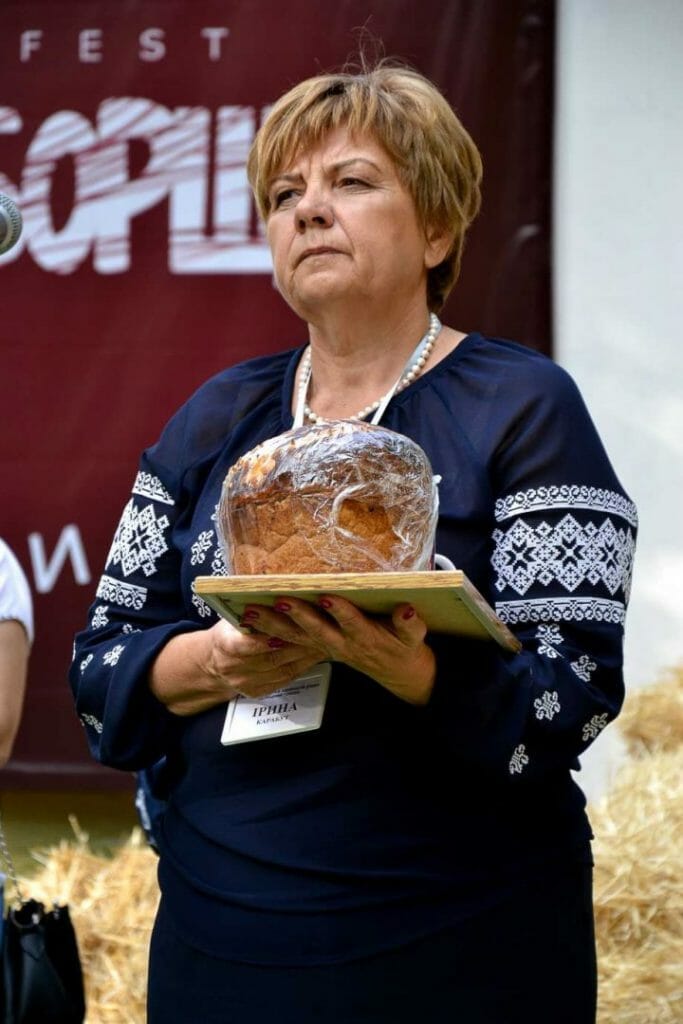
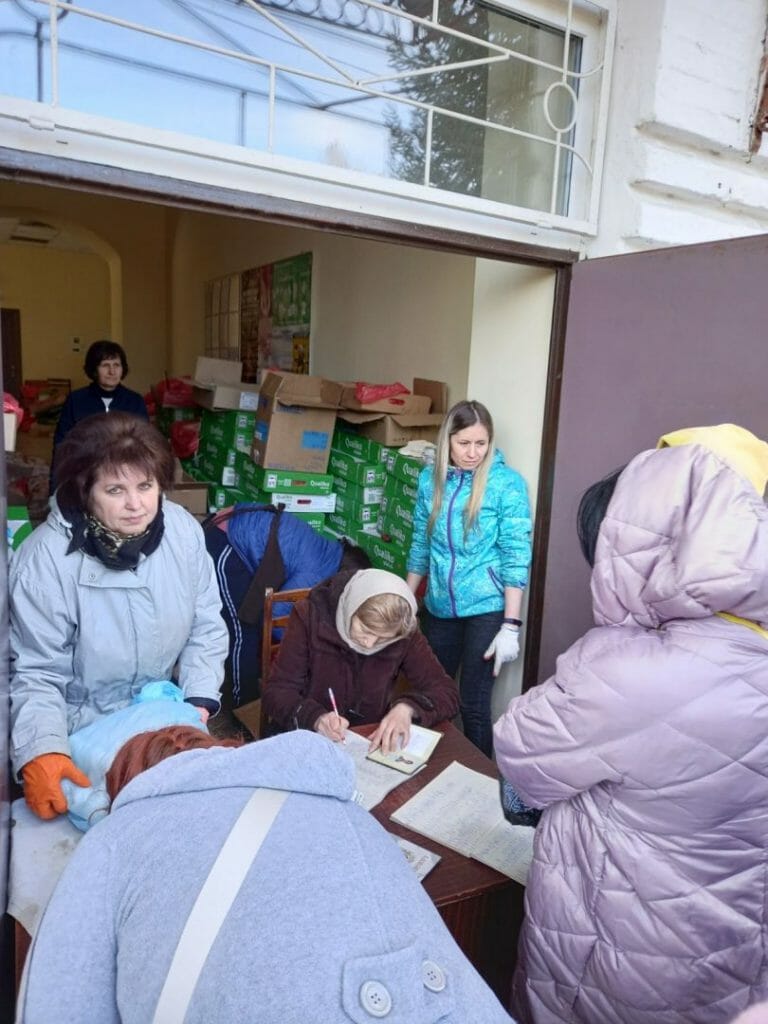
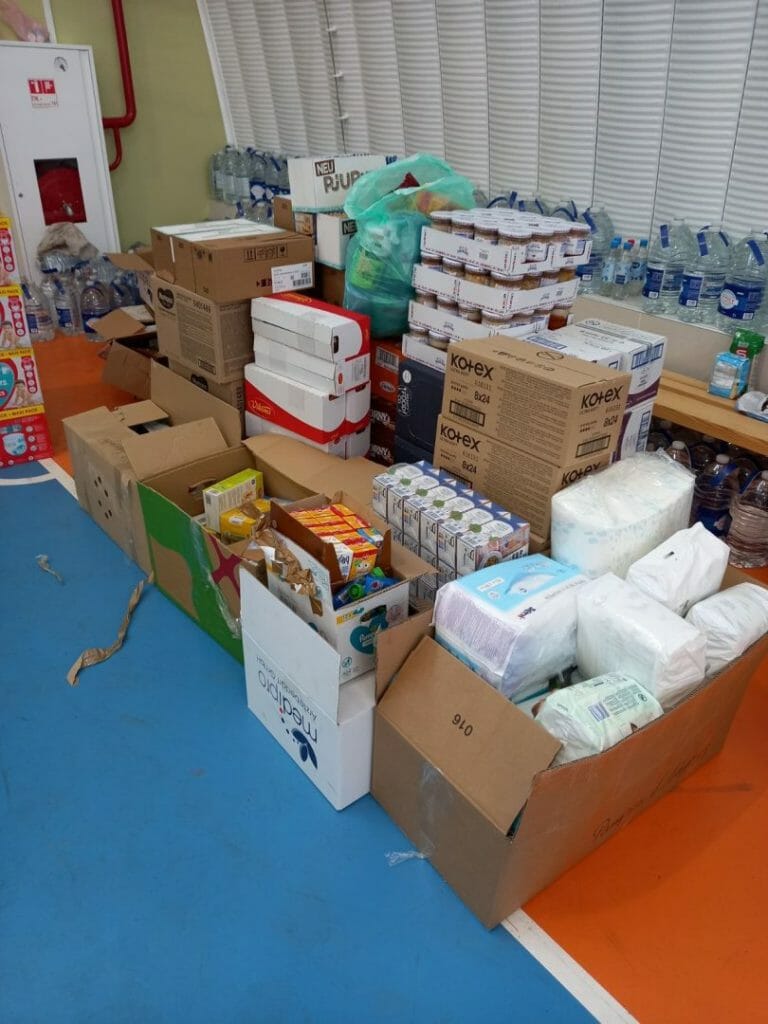
As part of the project Emergency food aid to the population affected by the conflict in Ukraine implemented in the Kharkiv region by the Polish Humanitarian Action in partnership with the Polish-Ukrainian Agrarian Association NGO and the Centre for the Development of Local Self-Government NGO with the financial support of the World Food Programme (WFP), more than 8,900 food packs were delivered to elderly residents of the community, children of internally displaced persons aged 6 months to 2 years living in the Krasnokutsk neighbourhood and other residents in need of assistance.
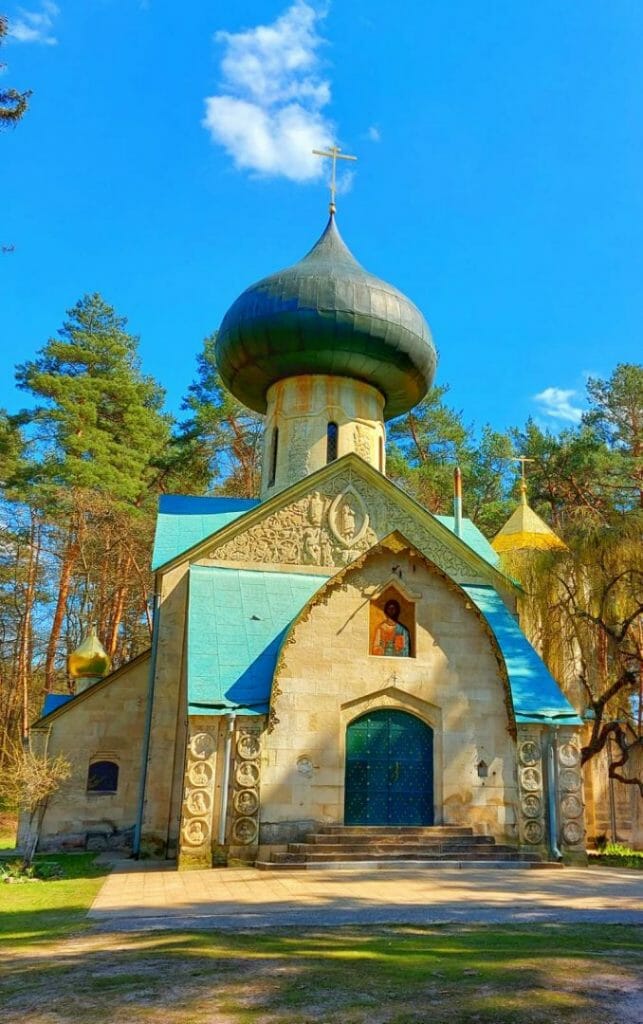
Families with small children are not left alone with their problems. Thus, young families of the Krasnokutsk community received 300 packages of baby food from Polish donors.As a result of the cooperation of the Krasnokutsk Settlement Council with the Spasinnia church, 250 tons of humanitarian aid for the local population and internally displaced persons were delivered to the community.
Significant amounts of humanitarian aid are delivered to the community from the Kharkiv Regional Military Administration and are distributed by the humanitarian aid headquarters.
The community helps and supports the Armed Forces of Ukraine.
This summer, the Krasnokutsk Settlement Council signed a memorandum on the creation of the All-Ukrainian Coalition of Virtuous Communities and became one of the 12 communities of Ukraine that report every two weeks on all received and provided humanitarian aid on the state platform Prozorro+. This reporting and transparency make it possible to work with donor funds that provide humanitarian aid.
Thanks to cooperation with volunteers and charitable foundations, medical institutions of the Krasnokutsk neighbourhood received humanitarian aid and medicines to ensure medical care in the community.
As part of the cooperation of the Krasnokutsk settlement council with the Right to Protection Charitable Foundation, households of internally displaced persons of vulnerable categories are being registered for assistance from People in Need, a Czech non-profit non-governmental organization.
The community continues to search for partners to support residents and internally displaced persons who have found shelter in Krasnokutsk.
History
According to historical sources, the settlement was founded in the mid-17th century, namely in 1651, when a group of immigrants from the vicinity of Korsun, led by the Cossack centurion Ivan Stepa, arrived on the banks of the Merla River and began to build a fortress in the form of a wooden fortress.
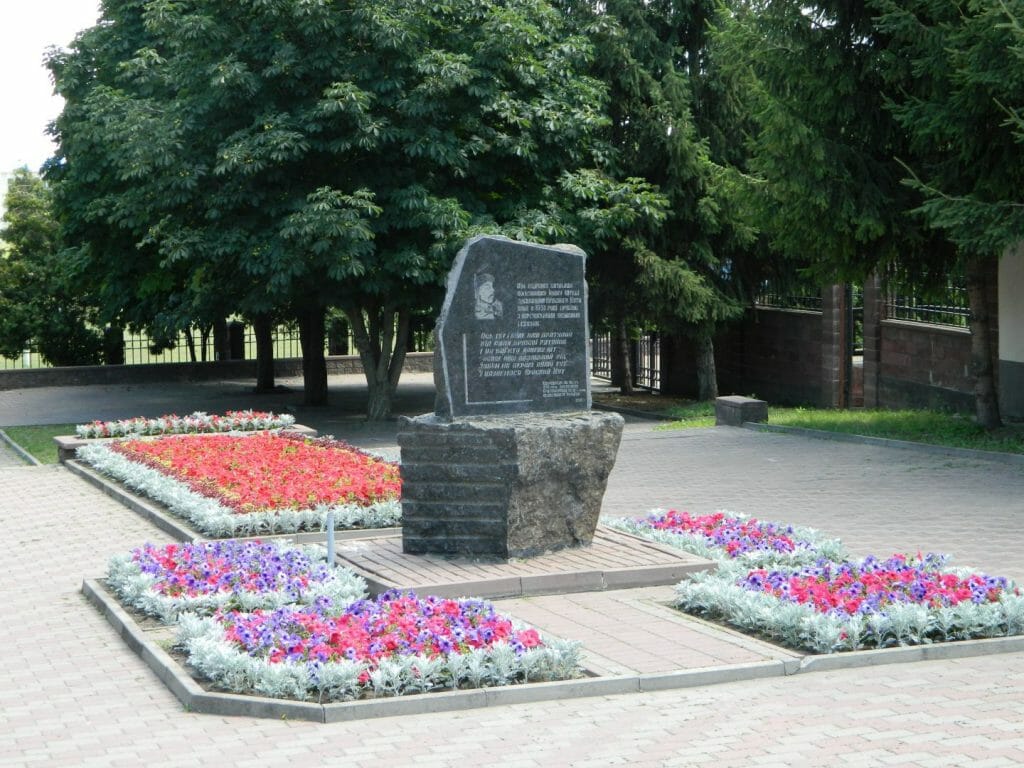
During the Northern War of 1700-1721, an event occurred on the lands of the community that changed the course of history. At the beginning of 1709, the Swedish king Karl XII with his army moved towards Sloboda Ukraine. And as soon as in February of the same year, his army was defeated near the village of Horodne.
In the second half of the 18th century, Krasny Kut became a town which received its modern name – Krasnokutsk.
At that time, local residents were actively engaged in agriculture, trade, carpentry and various crafts. Four fairs were held annually, where merchants from different towns gathered.
With the facilitation of Ivan Karazin, a parish school was built in Krasnokutsk at the Church of the Assumption at the early 19th century. Also, the future famous arboretum was laid out.In the second half of the 19th century, a small brick factory, an elementary folk school, a craft workshop, a free pharmacy of Franz Upiha, a zemstvo hospital and other enterprises and institutions were built in the township.
However, the tragic events of the 1930s did not bypass the territory of the community. Collectivization, dispossession, disenfranchisement, confiscation of products from peasants for “failure to implement the plan for grain procurement” and, in the end, starvation. Krasnokutsk itself, as a district centre, was partially saved from the famine by industrial cooperative societies. Also, an orphanage functioned here for children. However, the villages were on the verge of survival.
During the Second World War, about two thousand men were mobilized from Krasnokutsk, some of whom were sent to dig defence structures. It is known that German troops entered the settlement on October 9, 1941.
The German occupation lasted until February 1943, and then from March to August 1943.
The tragedy at the Chornobyl NPP affected the lands on which the community is located today. It is known that 206 residents of Krasnokutsk visited the exclusion zone, engaged in both decontamination and various construction and repair works.
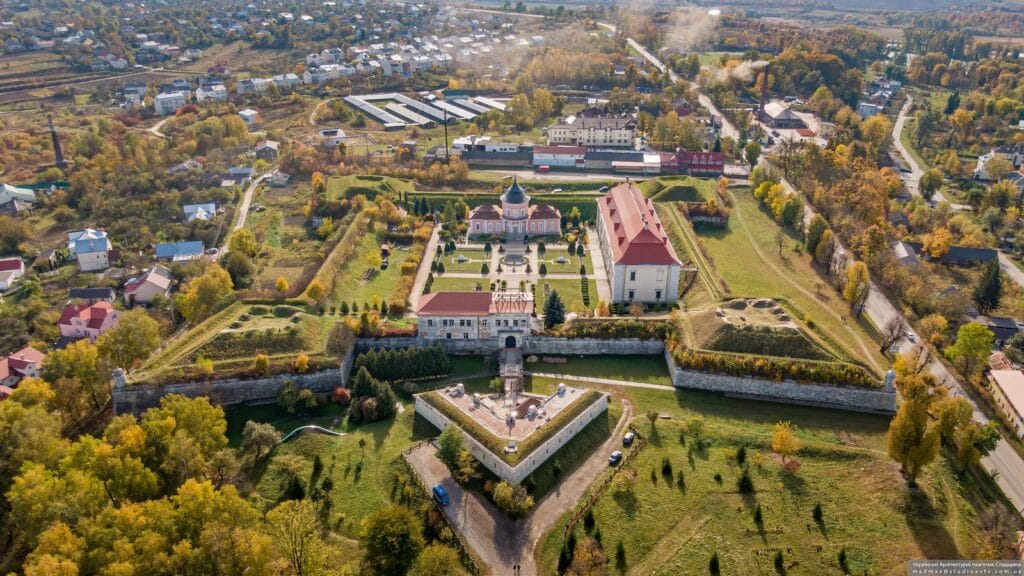
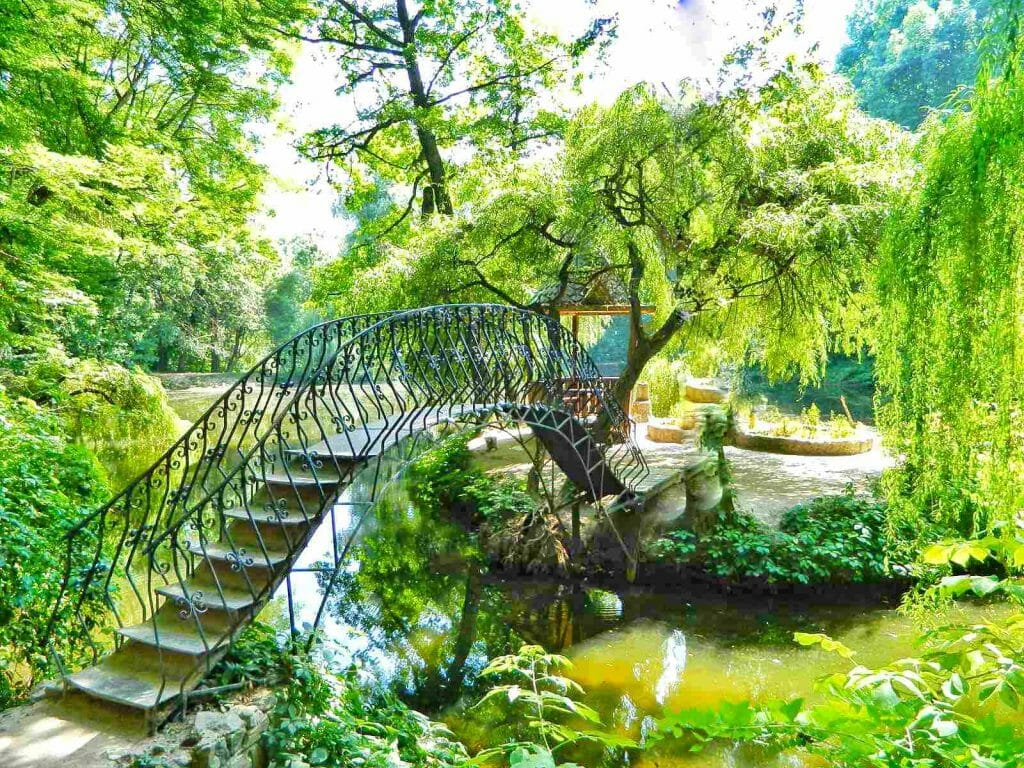
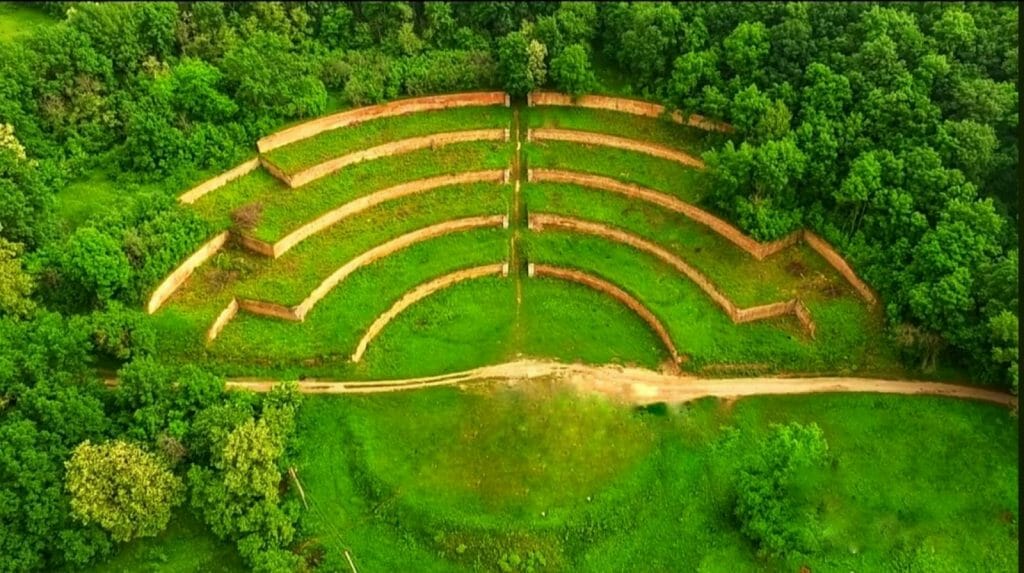
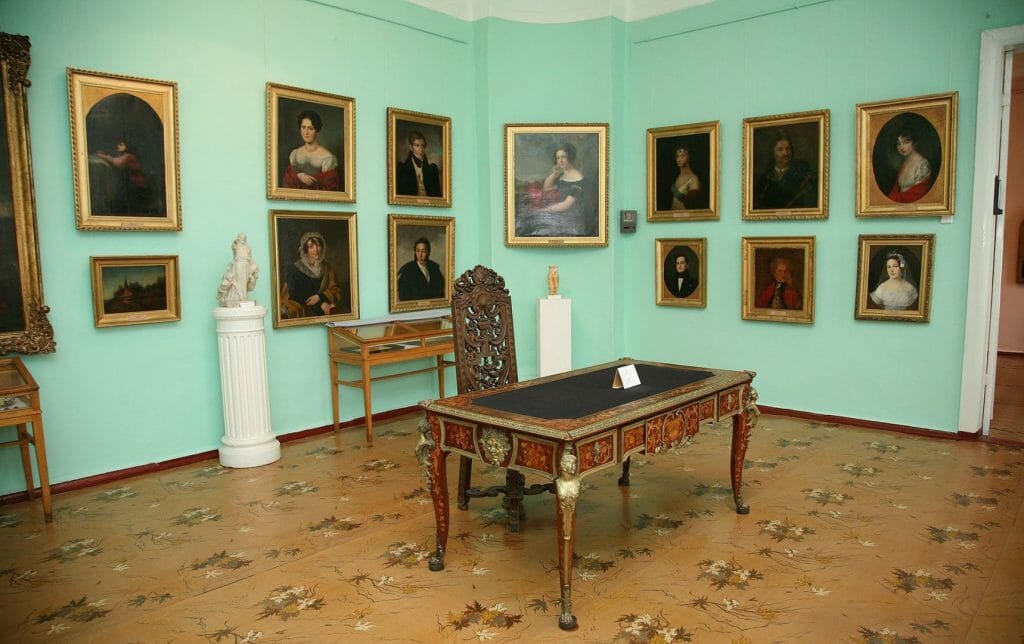
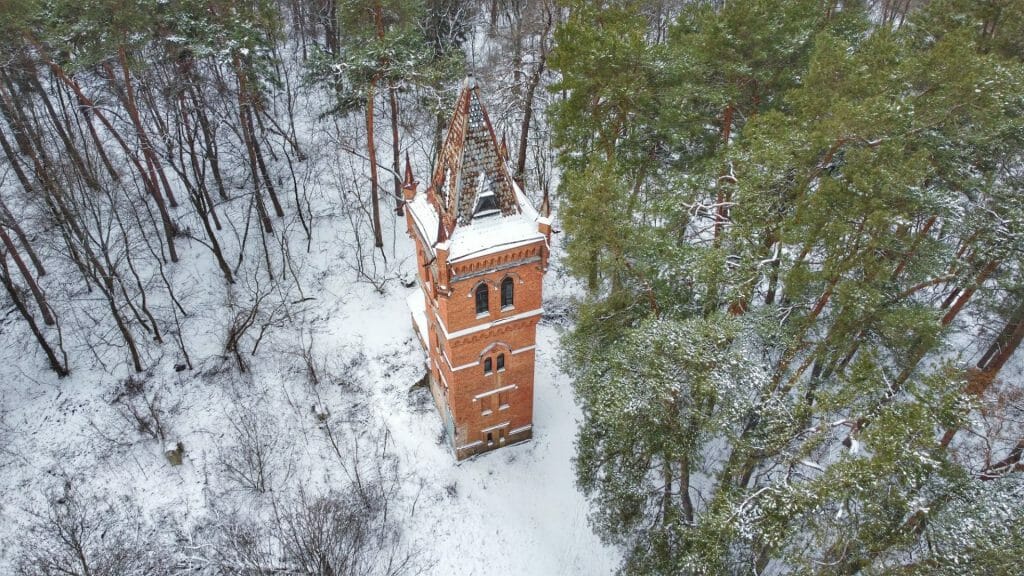
The Krasnokutsk community has unique tourist locations both at the Ukrainian and international level: Sloboda National Nature Park; P. F. Lunyov Parkhomivka Art Museum; Singing Terraces, a monument of landscape architecture; Nataliyivka Palace and Park Complex of the 19th century; the site of the ancient settlement of Zamok where the battle between the Russians and the Swedes was fought.
Development Strategy
The Krasnokutsk Territorial Community has chosen the following goals as a development strategy for the next 8 years:
- achieving a high standard of living of the population,
- increasing the tourist attractiveness of the community,
- better educational achievements,
- ensuring a high level of medical and social services in the community,
- facilitation in satisfaction of cultural and intellectual needs of citizens.