Torchyn Territorial Community
- Type: Rural
- Population: 13,212
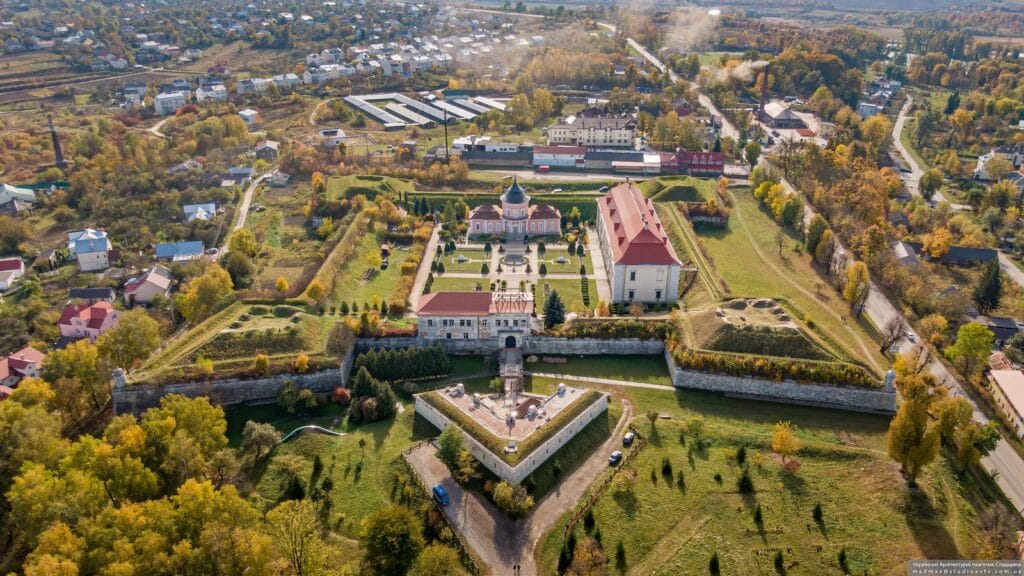
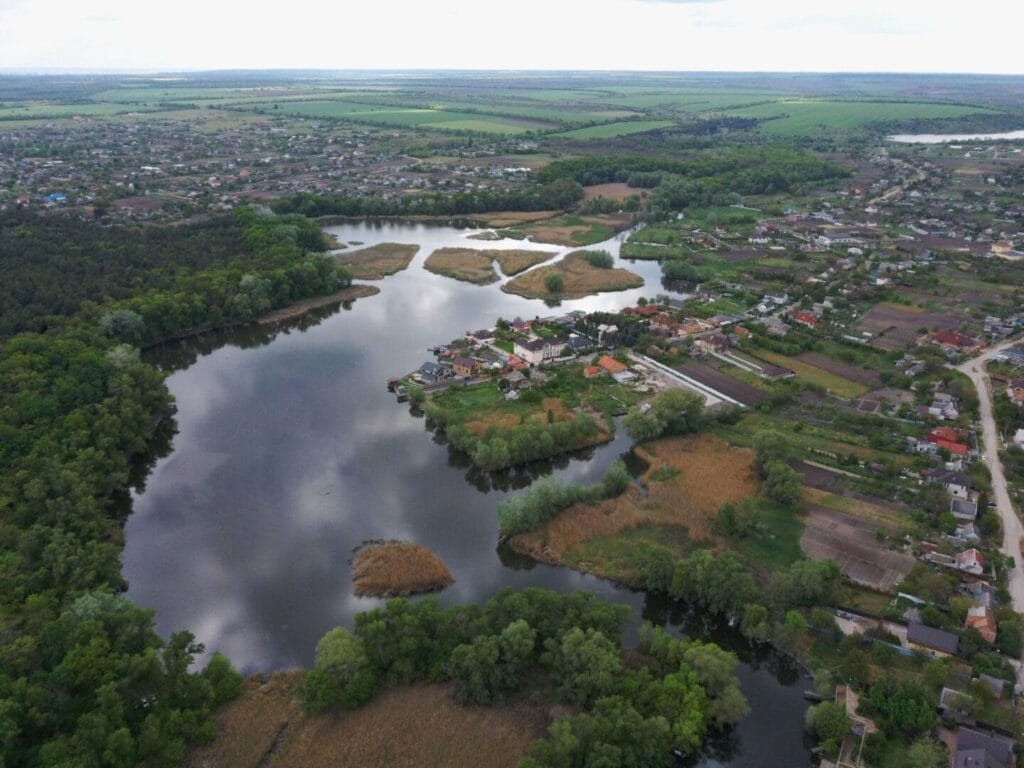
The Torchyn Community is located in the Lutsk Raion in the south of the Volyn Oblast in close proximity to the oblast centre – the city of Lutsk.
The Torchyn Community was established on 29 April 2018. The administrative centre is the village of Torchyn.
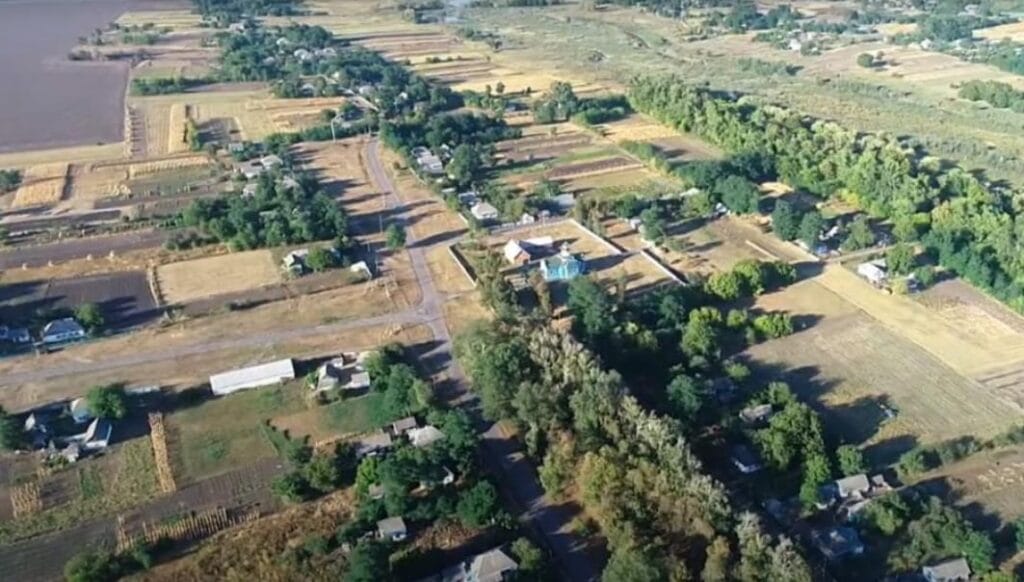
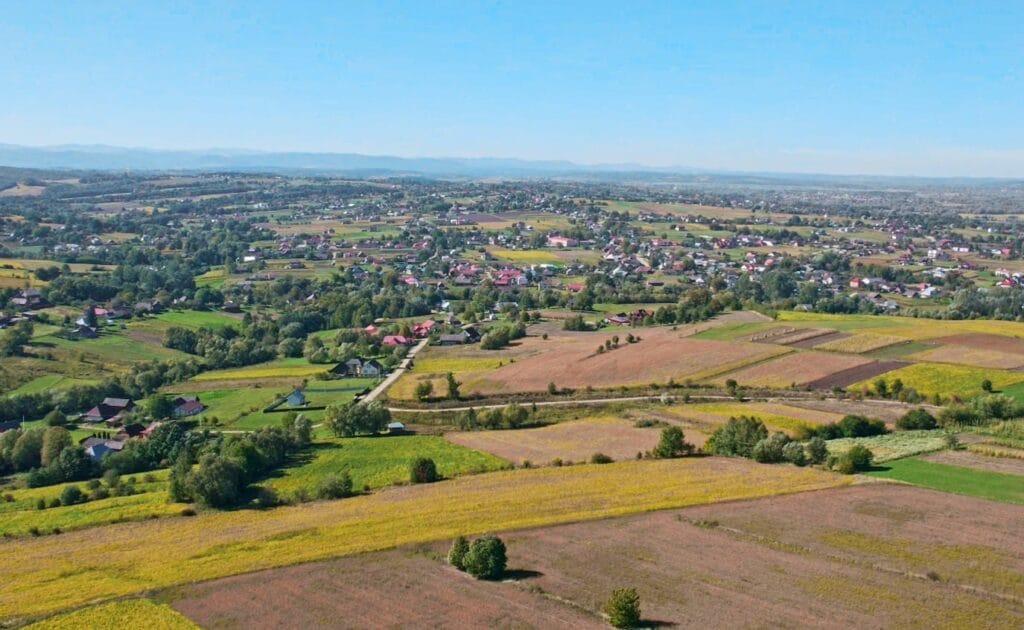
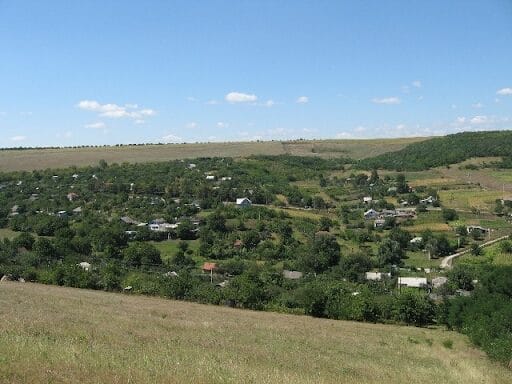
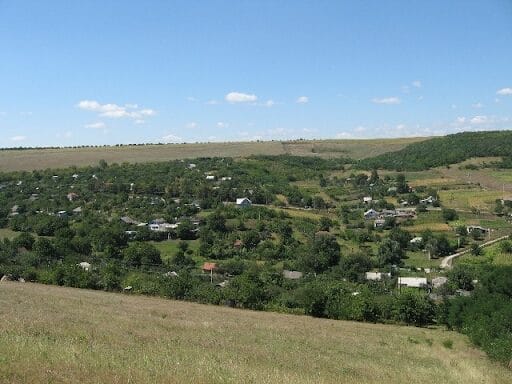
The Torchyn Village Council includes twenty-four settlements.
The community covers an area of 285.6 km2 and has a population of 13,212 people.
Community People
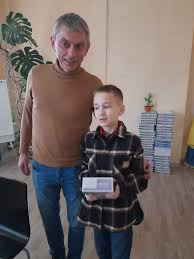
Before the full-scale invasion, the community was actively working to develop infrastructure, support education, sports and culture. A number of projects were implemented to improve conditions in schools and kindergartens, environmental campaigns were organised, as well as the local Torchyn Fair festival, sports competitions and other events that brought people together and promoted interaction.
Since the invasion, the community has united around supporting the frontline and assisting the population. Initiatives included:
- Volunteer centres for collecting humanitarian aid.
- Production of camouflage nets and other equipment for the frontline.
- Charity concerts, fairs and fundraising events for the needs of the Armed Forces of Ukraine.
- Sending vehicles, ammunition and other aid to the frontline.
The community plays a special role in supporting internally displaced persons: it helps with humanitarian aid and adaptation to new conditions.
Even during the war, the community organises patriotic events, exhibitions, commemorative lessons dedicated to heroes, and educational events for children and youth. People continue to support each other, work for the common good and strengthen their faith in victory.
History
Torchyn is the administrative centre of the Torchyn Community, Lutsk Raion, Volyn Oblast. Its history goes back to the times of Kyivan Rus, and the first written mention dates back to 1093. In 1340, Torchyn became a volost centre, and in 1540 it received the Magdeburg Law, which contributed to the development of trade, crafts and agriculture.
In the Middle Ages, 16 craft workshops operated here, fairs were held, and Lutsk bishops grew grain for export to Europe. In the eighteenth century, Torchyn became a centre of struggle against Polish oppression, in particular thanks to the Torchyn Manifesto, which preceded the Koliivshchyna.
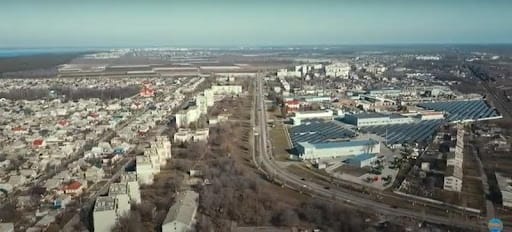
In the nineteenth century, Torchyn was significantly developed: there was a hospital, schools, and a post office, and the locals took part in the wars against Napoleon’s troops. In the interwar period, the town retained its status and became an important centre of the Volyn Voivodeship.During the Soviet period, Torchyn developed as a centre of the food industry. Today, large enterprises operate here, including a Nestle mayonnaise and ketchup plant and a meat processing plant.
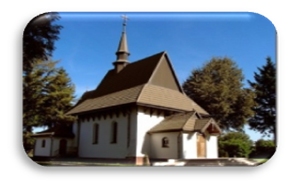
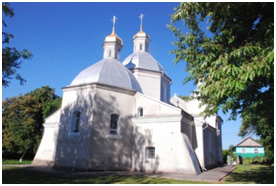
The cultural heritage of the community is represented by archaeological sites (settlements of the IX-XIII centuries), historical burials, monuments and architectural objects, such as the XVII century St. Michael’s Church (1636) in Bilostok village and the XVIII century St. Nicholas Church (1743) in Smolyhiv village.The Torchyn Community has a significant natural, recreational, cultural and historical potential, which is a prerequisite for the successful functioning of the tourism and recreation industry.
Development Strategy
Based on the results of the socio-economic analysis, SWOT-analysis and SWOT-matrix, a dynamic (competitive) strategy was chosen as the basic one, which involves the formation of competitive advantages of the community by minimising the impact of weaknesses on the development of opportunities that are currently emerging in the country and in the world. At the same time, the community should make the most of its strengths.
Thus, three main areas of focus for Torchyn Community development efforts were selected:
1- Sustainable economic development
2- Development of human potential and raising civic awareness
3 – Improving the quality of life.
Promising areas for Torchyn Community development
- Agricultural sector
Favourable natural conditions for growing grain crops, vegetables and livestock.
Availability of agricultural land that can be used to create agro-industrial complexes.
Development of the cooperative movement and farms.
Implementation of modern technologies in agriculture.
Establishment of processing enterprises to add value to products.
- Tourism and cultural heritage
Historical sights: settlements of the IX-XIII centuries, ancient churches and chapels.
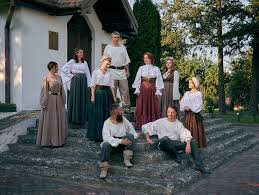
Events and traditions that may attract tourists (history of the Magdeburg Law, Torchyn Manifesto).
Development of tourist routes and infrastructure.
Organisation of festivals, fairs and excursion programmes.
- Environmental projects
The need for treatment facilities, waste management and conservation of natural resources.
Availability of territories for the introduction of renewable energy (solar power plants).
Attracting grants and investments for the construction of treatment facilities.
Development of eco-farming and ecotourism.
- Entrepreneurship and small business
The community has a number of enterprises that are important for the local economy.
Active establishment of new businesses, especially in trade, services and agriculture.
Supporting start-ups and entrepreneurs through educational programmes and grants.
Creating a business incubator to attract young people.
- Education and innovation
There are educational institutions that provide basic education.
The need to introduce modern technologies into the educational process.
Opening of vocational training centres.
Organising IT courses and technical training for young people.
- Construction of a sports complex
There is a growing need for modern sports infrastructure in the community to develop sports and a healthy lifestyle among children, youth and adults.
Raising funds from government programmes, investors and grants.
Organisation of sports clubs, competitions and events for all age groups.
- Construction of a kindergarten
Demographic growth and the need for additional places in preschools.
Lack of or insufficient number of modern kindergartens in some settlements of the community.
Improving conditions for preschool education of children.
Involvement of young families in community life by creating comfortable conditions for children.
The implementation of these projects will strengthen the economic and social development of the community and improve the quality of life of its residents.
Economy and Welfare
The Torchyn Community has a significant economic potential based on a combination of the agricultural sector, small and medium-sized businesses and prospects for infrastructure development. The community’s economy is based on agriculture, in particular the cultivation of grain crops, vegetables and livestock development. Due to favourable natural conditions, the community has opportunities to create modern agro-industrial complexes and expand farms.
Small and medium-sized businesses are an important driver of economic growth. The community has enterprises engaged in the production of food, construction materials, and public services. The Torchyn Community actively supports entrepreneurs by creating conditions for investment and development of new businesses.
Infrastructure development, including road improvements, renovation of social facilities and the creation of modern sewage treatment plants, is a key area for improving the well-being of residents. Considerable attention is paid to social protection, support for families of military personnel, internally displaced persons and people with disabilities.
The community’s well-being is based on the desire to provide quality education, access to medical services and a comfortable living environment. Thanks to its openness to cooperation with investors and partners, the Torchyn Community is building a stable economic future focused on people’s needs.
Sources
- Torchyn Community website torchynska-gromada.gov.ua
- Facebook page facebook.com